

Have you ever wondered if the nutritional yeast you sprinkle on your food could be a healthy addition to your cat's diet? You’re not alone.
As a cat owner, you want the best for your furry friend, and ensuring their diet is safe and nutritious is a top priority. But with so many opinions out there, it's hard to know what's truly beneficial. By the end of this article, you'll discover the facts about nutritional yeast and whether it's a safe option for your feline companion.
Let's delve into this topic so you can make informed decisions for your pet's health.
Nutritional Yeast Basics
Nutritional yeast has become a buzzword in health circles, often celebrated for its rich flavor and impressive nutrient profile. But what exactly is it, and how does it find its way into our diets? For cat owners, understanding nutritional yeast is crucial, especially if you're considering sharing this supplement with your feline friends. Let's dive into the basics and uncover whether it's safe for your cat.
What Is Nutritional Yeast?
Nutritional yeast is a deactivated yeast, primarily derived from Saccharomyces cerevisiae. It has a cheesy, nutty flavor, making it a popular choice for those seeking a dairy-free cheese alternative. Unlike baking yeast, nutritional yeast won't cause dough to rise, as it’s inactive. It's packed with vitamins, particularly B-complex vitamins, and is often fortified with additional nutrients like folic acid and selenium.
Imagine opening a container and finding tiny golden flakes with a savory aroma. That's nutritional yeast, ready to enhance your dishes with its unique taste and nutritional benefits. It's a simple ingredient, yet it opens a world of culinary possibilities.
Common Uses In Human Diets
Nutritional yeast has carved its niche in the realm of vegan and vegetarian diets. It's frequently used to add flavor to soups, sauces, and salads. Sprinkle it over popcorn for a healthy snack, or blend it into mashed potatoes for extra zest. Many people use it to mimic cheese in recipes such as macaroni and cheese or creamy sauces.
- Add it to your morning smoothie for an extra nutrient boost.
- Use it as a seasoning for roasted vegetables.
- Mix it into homemade salad dressings.
Have you ever tried nutritional yeast in your meals? It's surprisingly versatile, transforming mundane dishes into gourmet experiences. However, while it’s a favorite among humans, you might be wondering: is this savory seasoning suitable for your cat?
Nutritional Yeast And Cats
Nutritional yeast is a popular supplement for humans. But can cats benefit from it? This inactive yeast adds flavor and nutrition to food. Its cheesy taste is a hit with many pets. Some cat owners wonder if it's safe for their furry friends.
Nutritional yeast offers various benefits. It contains vitamins, minerals, and protein. Cats may enjoy these nutrients. Yet, understanding its impact on feline health is crucial.
Potential Benefits For Cats
Nutritional yeast can support a cat's health. It may boost energy levels. Some believe it helps with stress and anxiety. The yeast might aid digestion. Cats could have fewer stomach issues. This supplement may improve skin and coat health. A shiny coat is a sign of good nutrition.
It might strengthen the immune system. Cats can fight off illnesses better. Some say it helps with hairball control. Less hairballs mean happier cats. Nutritional yeast may add flavor to bland food. Picky eaters might find meals more appealing.
Nutrient Composition
Nutritional yeast is rich in B vitamins. These vitamins are vital for energy production. They support metabolism and overall health. Protein content is another highlight. Cats need protein for muscle development.
It contains minerals like zinc and selenium. These minerals promote a healthy immune system. Fiber in the yeast aids digestion. It helps regulate bowel movements. Amino acids support tissue repair and growth. Antioxidants in yeast fight free radicals. This can protect cells from damage.
Understanding the nutrient profile is key. Nutritional yeast offers many benefits. But moderation is crucial for cats.
Safety Concerns
Nutritional yeast is often considered a healthy supplement. But is it safe for cats? Pet owners need to understand the safety concerns. It's essential to weigh the benefits against possible risks. This ensures your cat's health and well-being.
Possible Health Risks
Feeding cats nutritional yeast might pose health risks. High phosphorus content can affect kidney health. Cats with existing kidney problems are at higher risk. Excessive intake may lead to an imbalance in essential nutrients. This could cause digestive issues or discomfort.
Signs Of Allergic Reactions
Some cats may develop allergies to nutritional yeast. Watch for signs like itching, swelling, or redness. Digestive problems such as vomiting or diarrhea could also occur. If you notice these symptoms, stop feeding immediately. Consult a veterinarian for guidance.
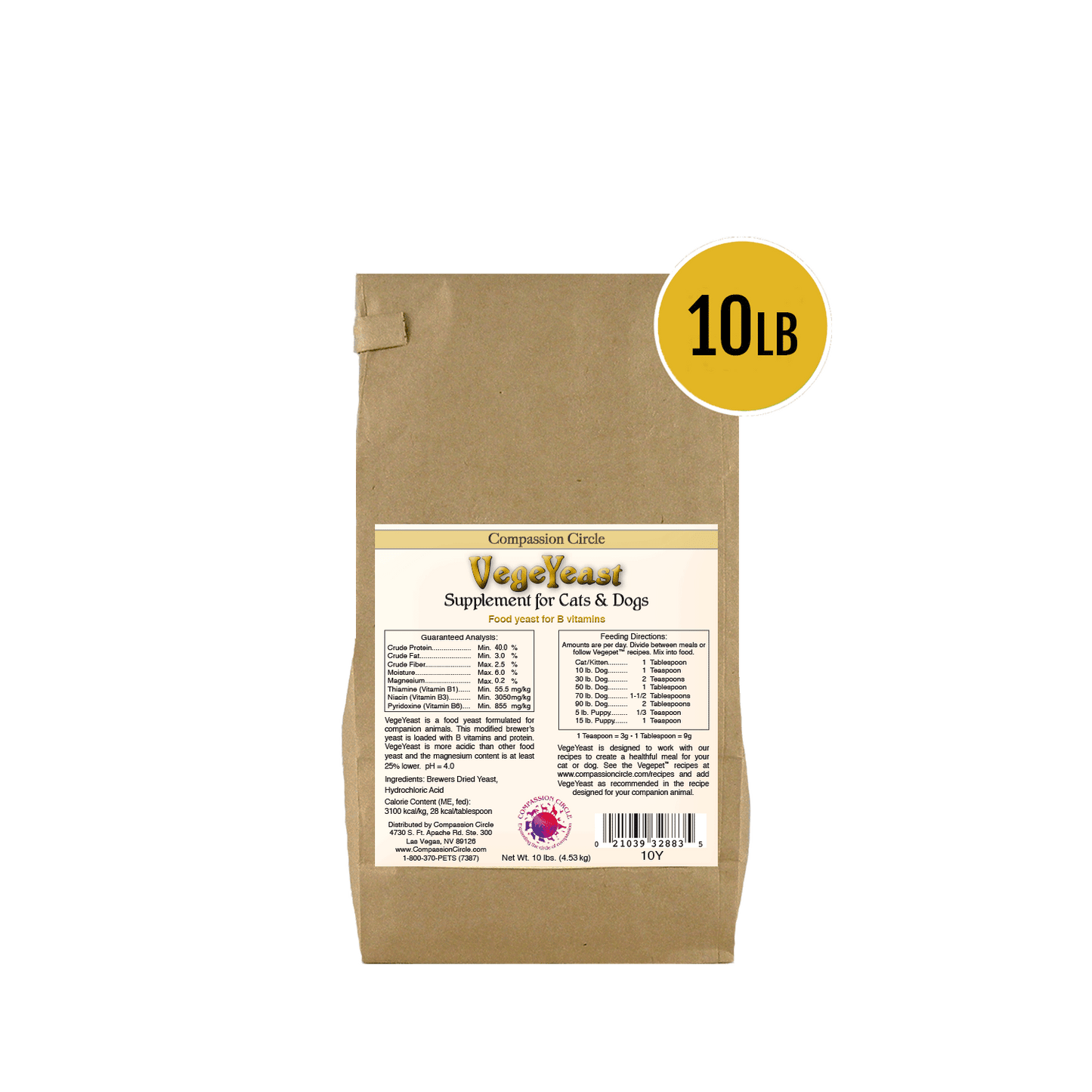
Credit: vecado.com
Veterinary Insights
Nutritional yeast has gained popularity among pet owners. Many wonder if it's safe for cats. Veterinarians weigh in on this topic. They offer crucial insights. Understanding the benefits and risks is vital for your feline's health.
Expert Opinions
Veterinarians generally agree that nutritional yeast is safe for cats. It contains essential nutrients. B vitamins are abundant in nutritional yeast. These vitamins support energy and overall well-being. Veterinary experts also note its potential to boost immunity. Some cats may have allergies or sensitivities. It's essential to consult your vet before introducing it to their diet.
Recommended Dosage
Finding the right dosage is key. Experts suggest moderation. A small sprinkle on food is usually enough. Overfeeding can lead to imbalances. Cats have specific dietary needs. Nutritional yeast should complement their diet, not replace it. Always monitor your cat's reaction. If adverse effects occur, discontinue use and consult a veterinarian.
Alternatives To Nutritional Yeast
Exploring alternatives to nutritional yeast for cats is essential. Consider brewer's yeast or fish oil for a safer option. Ensure any substitute is safe and beneficial for feline health.
Finding the right nutrition for your feline friend can sometimes feel like navigating a maze. If you've been considering nutritional yeast but have concerns about its safety for cats, you're not alone. Luckily, there are several alternatives that can provide similar benefits without the worries.
Other Supplements For Cats
You might be surprised to learn how many safe and beneficial supplements are available for cats. Brewer's yeast, for example, is often used as a natural source of B-vitamins and can help support your cat's coat and skin health. It's widely regarded as safe, though you should always check with your vet before introducing anything new. Fish oil supplements are another excellent option. They are rich in omega-3 fatty acids, which are great for your cat's heart, joints, and immune system. My own cat, Whiskers, had a shinier coat and more energy after we started adding fish oil to her diet. Have you ever tried fish oil for your cat?
Comparing Nutritional Values
It's important to compare the nutritional values of these alternatives to ensure your cat gets the best. Let's take a quick look:
| Supplement | Key Nutrients | Benefits |
|---|---|---|
| Brewer's Yeast | B-vitamins, Protein | Supports coat health, promotes energy |
| Fish Oil | Omega-3 Fatty Acids | Improves skin, enhances immune function |
Brewer's yeast is packed with B-vitamins and protein, making it a great option for energy and healthy fur. On the other hand, fish oil, though lacking in proteins and vitamins, excels in providing essential omega-3s. Choosing the right supplement depends on your cat's specific needs. Do they need more energy, or perhaps support for their joints? Understanding these differences can help you make a more informed choice for your furry companion. So, what will you choose for your cat?
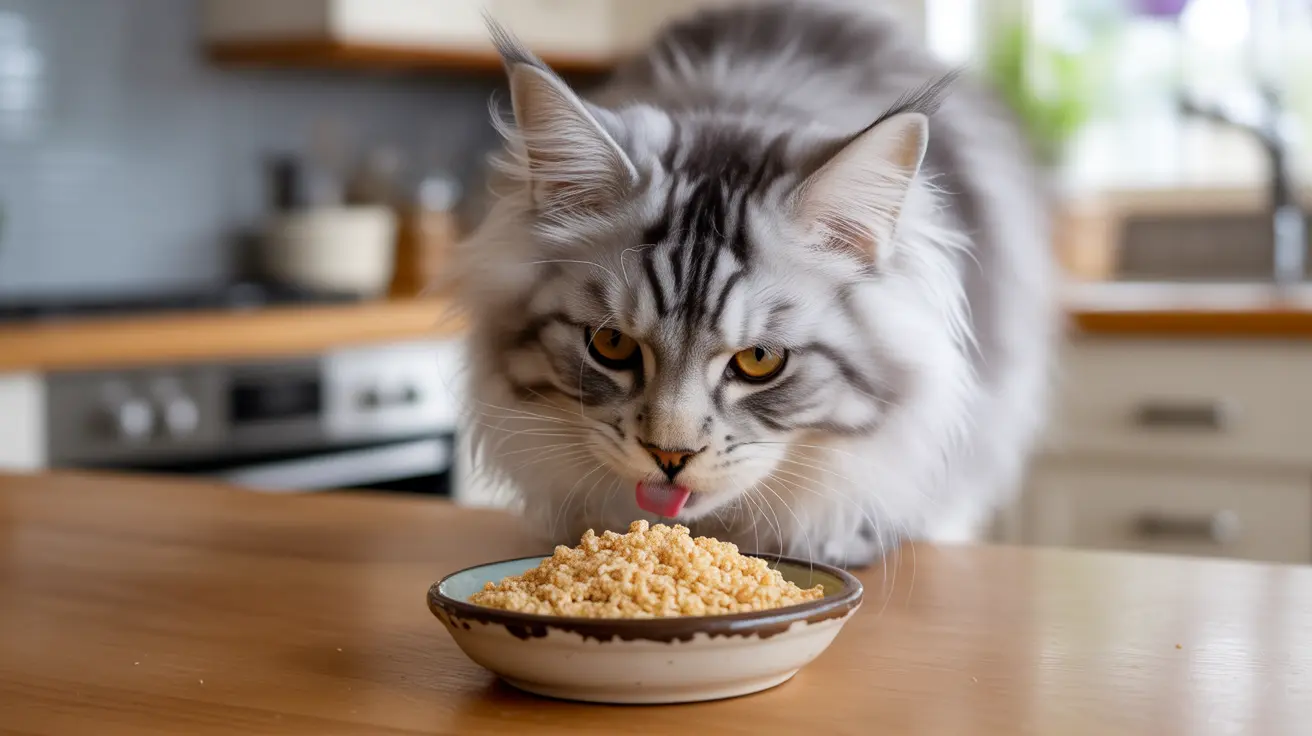
Credit: www.petscare.com
Making Informed Decisions
Making informed decisions about your cat's diet is crucial. Nutritional yeast has become popular among pet owners. But is it safe for cats? This section will guide you through making thoughtful choices. Learn how to ensure your cat's safety and well-being.
Consulting With A Veterinarian
Speak with a veterinarian before adding nutritional yeast to your cat's diet. They can provide expert advice and assess your cat's health needs. A vet can determine if nutritional yeast is beneficial or risky. This ensures your cat's diet remains balanced and healthy.
Observing Cat’s Response
Watch your cat’s behavior after introducing nutritional yeast. Look for any changes in mood or appetite. Monitor for signs of allergies or discomfort. This helps identify any adverse reactions. Adjust the diet based on your cat’s response and comfort.

Credit: www.lundsandbyerlys.com
Frequently Asked Questions
Can I Put Nutritional Yeast On My Cat's Food?
Yes, you can add nutritional yeast to your cat's food. It enhances flavor and provides B vitamins. Ensure moderation to avoid digestive issues and consult your vet before introducing it to your cat's diet.
What Are The Side Effects Of Nutritional Yeast In Cats?
Cats may experience digestive upset or allergies from nutritional yeast. Monitor for vomiting, diarrhea, or skin irritation. Consult your vet if side effects occur. Nutritional yeast should be given in moderation and not as a primary dietary component.
How Much Nutritional Yeast Do I Give My Cat?
Start with a small pinch of nutritional yeast. Gradually increase to 1/4 teaspoon daily. Monitor your cat's reaction. Consult your vet for personalized advice.
Is Nutritional Yeast Safe For Pets?
Nutritional yeast is generally safe for pets in moderation. It provides vitamins and minerals beneficial for health. Always consult a vet before adding it to their diet. Avoid excess consumption to prevent digestive issues. Make sure it's free from added flavors or preservatives.
Conclusion
Nutritional yeast offers some benefits for cats. It can boost their immune system. Rich in vitamins, it's a healthy supplement. But moderation is key. Too much can lead to issues. Always consult your vet before introducing it. Each cat is unique.
What works for one may not work for another. Monitor your cat's reactions carefully. Look for any changes in behavior or health. With proper guidance, nutritional yeast can be a safe addition. It might enhance your cat's diet, supporting overall well-being.
Keep your furry friend happy and healthy. Your vet can help decide what's best.