
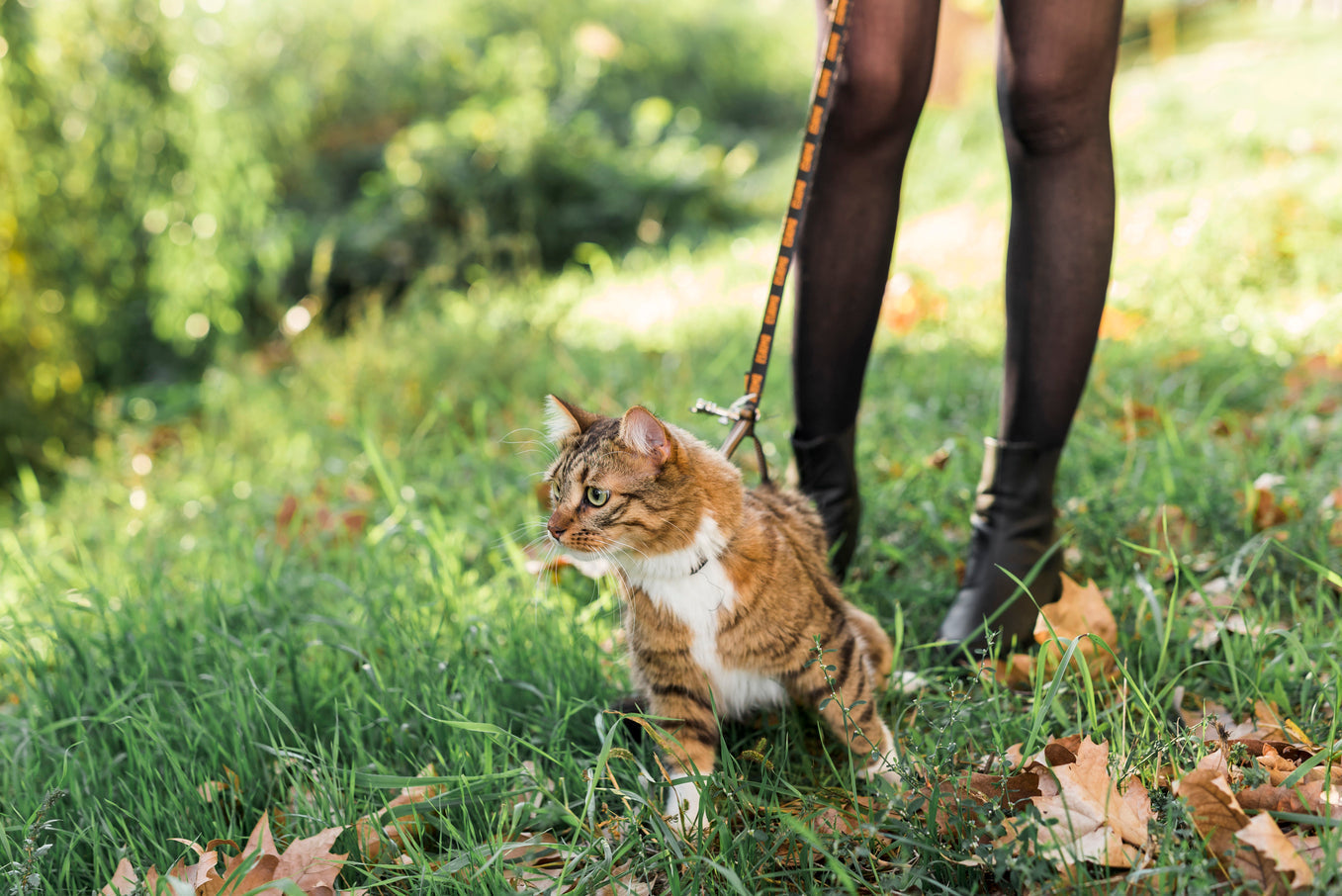
Have you ever watched your cat gaze longingly out the window, perhaps wondering what adventures await beyond the glass? The idea of walking your cat on a leash might seem unusual, but it’s becoming an intriguing option for many cat owners.
You might be curious about whether it’s safe and how your feline friend would react to the great outdoors. Imagine the joy of exploring the world together, while ensuring your cat's safety and happiness. This article will uncover the truths and myths about leashing cats, helping you decide if this thrilling experience is the right fit for your adventurous kitty.
Get ready to discover a new way to bond with your pet, while keeping their wellbeing at the forefront.
Benefits Of Walking Cats
Walking a cat on a leash can offer mental and physical benefits. It provides exercise and environmental stimulation, helping curb boredom. Cats can safely explore the outdoors with a leash, enhancing their quality of life.
Walking a cat on a leash might seem unconventional at first, but the benefits can be quite rewarding for both you and your feline friend. Imagine a world where your indoor cat can safely experience the great outdoors, savoring the sights, sounds, and smells that nature offers. This can turn a mundane day into an exciting adventure, enriching your cat’s life in unexpected ways.
Improved Physical Health
Cats, like humans, benefit from regular exercise. Walking your cat provides them with the opportunity to stretch their legs and maintain a healthy weight. This can be especially beneficial for cats that tend to be more sedentary. With regular walks, you might notice a more agile and energized kitty.
Mental Stimulation
Think about the mental stimulation your cat gets from exploring new environments. Walking on a leash allows them to investigate new territories, engage their senses, and challenge their minds. This mental workout can help reduce boredom and the destructive behaviors that sometimes come with it.
Strengthened Bond
Have you ever noticed how shared activities can strengthen relationships? Walking together can enhance the bond between you and your cat. As you guide them through new experiences, your cat learns to trust you more, making your connection deeper and more fulfilling.
Enhanced Socialization
Walking can also help your cat become more social. Encounters with other pets and people can teach them to be more comfortable in different situations. This exposure can reduce anxiety and promote a more confident and adaptable cat.
Safety And Control
A leash provides control and safety, preventing your cat from wandering into dangerous areas. It allows you to explore the outdoors without the risk of them running off or encountering harmful situations. You can focus on enjoying the journey together, knowing your cat is secure. Walking your cat isn't just about exercise; it’s about enriching their life and yours. So, the next time you consider a walk, think about the multitude of benefits it brings. Are you ready to share the adventure with your feline friend?
Choosing The Right Leash
Walking a cat on a leash can be safe with the right equipment. Choose a comfortable, secure harness that fits well. Ensure the leash is durable, allowing for controlled exploration without risk.
Choosing the right leash for your cat is crucial for safety. Walking a cat on a leash requires careful consideration. You need to ensure your cat feels comfortable and secure. A proper leash can make the experience enjoyable for both of you.
Types Of Leashes
Cats and dogs have different leash needs. For cats, lightweight leashes work best. Retractable leashes offer more freedom but require caution. Flat leashes are simple and provide good control. Bungee leashes absorb shocks, providing a smooth walk.
- Retractable Leashes: Offer flexibility but need close attention.
- Flat Leashes: Provide better control, ideal for beginners.
- Bungee Leashes: Absorb sudden pulls, suitable for energetic cats.
Harness Vs. Collar
Harnesses are safer than collars for cats. A collar can choke a cat if it pulls hard. Harnesses distribute pressure evenly. They prevent injuries and escapes. Choose a harness that fits snugly yet comfortably. Measure your cat before purchasing. Always check for any signs of distress or discomfort.
Training Your Cat
Walking a cat on a leash can be safe with proper training and patience. Start indoors to help your cat adjust. Always use a comfortable harness to ensure your cat's safety and security.
Training your cat to walk on a leash is an exciting adventure that opens up new opportunities for both of you. It's not just about exploring the outdoors; it's also a great way to bond and understand your feline companion better. With patience and consistency, you can guide your cat to enjoy this new experience safely.
Getting Started
Begin with choosing the right harness. Unlike dogs, cats need a harness that is snug yet comfortable. Look for a lightweight harness that is specifically designed for cats. Introduce the harness slowly. Let your cat sniff and play with it before attempting to put it on. This helps your cat become familiar with the new object in a non-threatening way. Once your cat is comfortable, practice wearing the harness indoors. Start with short sessions and gradually increase the time. Always reward your cat with treats and affection to create positive associations.
Building Trust
Trust is crucial. Your cat needs to feel safe and secure to enjoy walking on a leash. Spend quality time with your cat daily to strengthen your bond. Use gentle and encouraging words. Speak softly and offer treats to show your cat that the leash is not something to fear. Remember, patience is key. Observe your cat’s body language. If your cat seems stressed, take a step back and try again later. A relaxed cat is more open to new experiences. Training your cat to walk on a leash is not just a task but an opportunity to deepen your relationship. Are you ready to take the leap and explore the world together with your feline friend?
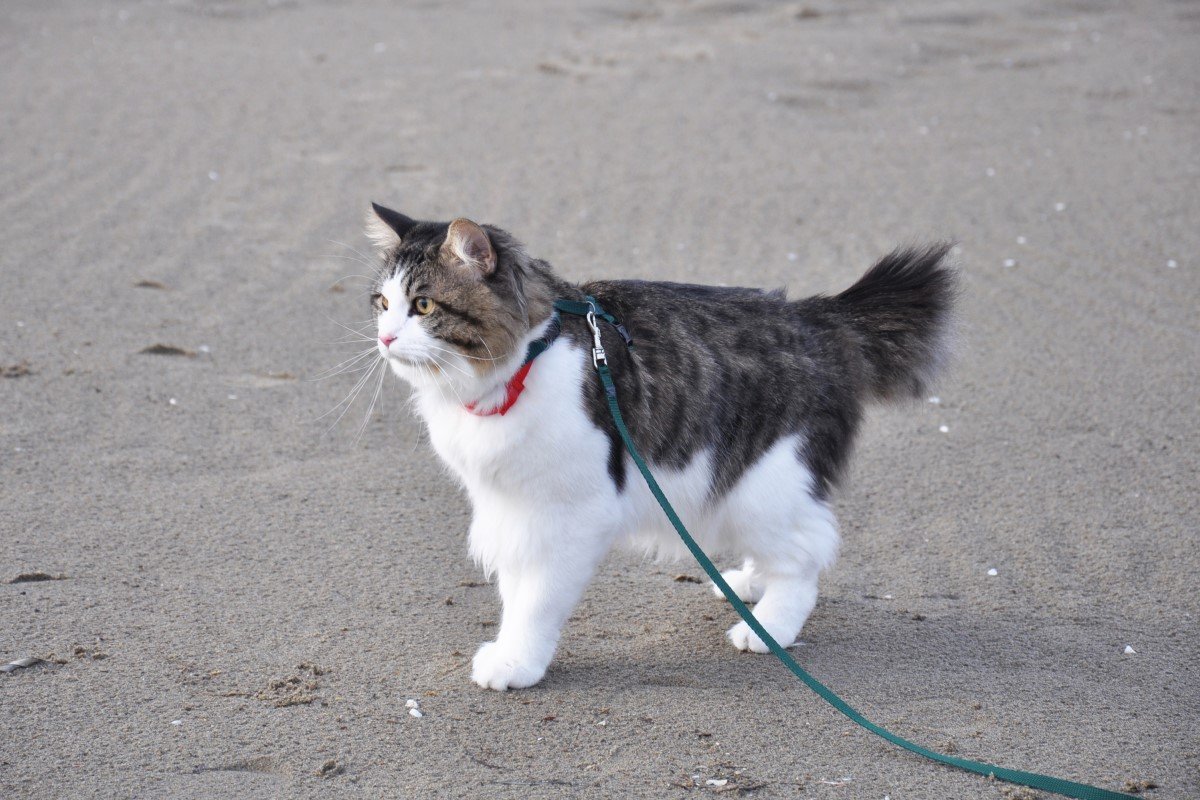
Credit: welovecatz.hu
Safety Precautions
Safety Precautions Walking a cat on a leash can be safe with proper precautions. Ensure the harness fits well and avoid busy streets. Always watch for signs of stress or fear in your cat.
Walking a cat on a leash can be a delightful and enriching experience for both you and your feline friend. However, ensuring their safety is paramount. Just like any outdoor activity, there are certain precautions you should take to make the experience enjoyable and safe for your cat. Here are some essential safety precautions to consider.
Assessing The Environment
Before you step out, take a moment to evaluate the surroundings. Are there loud noises or potential predators like dogs in the area? These factors can easily frighten a cat. Choose a quiet and safe location, such as a calm park or a quiet neighborhood street. Always be on the lookout for hazards like broken glass or busy roads. Remember, your cat is not as street-savvy as a dog might be. A simple walk can quickly become overwhelming if the environment is not suitable.
Handling Stress And Anxiety
Cats can become easily stressed in new situations. Watch for signs of anxiety such as flattened ears or a twitching tail. If your cat seems stressed, pause for a moment. Give them time to adjust by offering calm, reassuring strokes or a few of their favorite treats. It's crucial to be patient. Every cat is different, and some may take longer to get used to the idea of walking on a leash. Have you ever thought about what could make your cat feel more secure during these outings? By being attentive and responsive to your cat's needs, you can make leash walking a positive and safe experience.
Common Challenges
Walking a cat on a leash can present challenges like anxiety or fear of the outdoors. Ensuring the harness fits securely and choosing a quiet area can help. Gradual exposure and patience are key to a successful walk.
Walking a cat on a leash can be a delightful experience, offering your feline friend a chance to explore the outdoors safely. However, it is not without its challenges. As you embark on this adventure, you'll encounter a few hurdles that might test both your patience and your cat's comfort. From the possibility of your cat escaping the leash to unexpected encounters with other animals or people, being prepared can make all the difference.
Escaping The Leash
One of the most common challenges is ensuring your cat stays securely in the harness. Cats are notorious for their flexibility and can sometimes wriggle out of even the most secure setups. Before heading out, make sure the harness fits snugly—not too tight to cause discomfort, but not so loose that your cat can easily slip out. Practice indoors first. Let your cat roam the house wearing the harness and leash to get accustomed to it. This also gives you a chance to ensure the harness is adjusted correctly. A quick tip: always double-check the harness before stepping outside. A seemingly minor adjustment can prevent a potential escape.
Unexpected Encounters
The great outdoors is full of surprises, and not all of them are pleasant for a cat on a leash. Dogs, other cats, or even loud noises can startle your feline friend. It's crucial to stay vigilant and be ready to pick up your cat if you sense danger. Have you ever been on a walk only to have a curious dog approach? It's important to maintain control and calmness. Speak softly to your cat, and if necessary, scoop them into your arms to provide security. Consider your routes carefully. Choose quieter areas where unexpected encounters are less likely, and always keep an eye on your surroundings. Are you ready to face these challenges head-on with your furry companion? With patience and preparation, you can make walking your cat a safe and enjoyable experience.

Credit: www.express.co.uk
Expert Opinions
Walking a cat on a leash can be safe with proper training and the right equipment. Experts recommend starting indoors, helping your cat feel comfortable before venturing outside. Always be aware of your surroundings to ensure a safe and enjoyable experience for both you and your feline friend.
Walking a cat on a leash can spark curiosity and concern. Many pet owners wonder about the safety and feasibility of this practice. Expert opinions shed light on this unique adventure with your feline friend.
Veterinarian Advice
Veterinarians stress understanding your cat's temperament. Not all cats will enjoy being on a leash. Cats are creatures of habit and can be sensitive to changes. It's essential to ensure your cat feels safe. Use a comfortable harness that fits well. A proper fit prevents escape and discomfort. Gradual introduction to the harness is advised. Start indoors before venturing outside. Pay attention to your cat's body language. If they're stressed, pause the activity. Keep sessions short and positive. This helps your cat associate the leash with fun.
Professional Trainers' Tips
Professional trainers emphasize patience in leash training. Cats require time to adjust to new experiences. Training should be consistent and gentle. Positive reinforcement works wonders with cats. Reward them with treats and praise. This encourages them to accept the leash willingly. Trainers recommend choosing quiet areas for walks. Busy streets can overwhelm your cat. Always carry a carrier for emergencies. If your cat panics, the carrier provides safety. Trainers also suggest practicing commands like "stop" and "come." These commands enhance control during walks.
Alternatives To Leash Walking
Walking a cat on a leash can raise safety concerns. Consider indoor games or cat-proof gardens as alternatives. These options ensure your cat stays active and secure without the risks of outdoor leash walking.
Walking your cat on a leash might not be suitable for every feline friend. Some cats may simply refuse to adapt to the leash, while others might find the outdoors overwhelming. Fortunately, there are plenty of enriching alternatives that can keep your indoor cat entertained and healthy. Let's explore some of these options that allow your cat to engage in physical and mental activities without stepping outside.
Indoor Activities
Engaging your cat in indoor activities can be a delightful experience for both of you. Consider setting up an obstacle course with pillows, boxes, and tunnels. These simple setups provide an opportunity for your cat to climb, hide, and explore. Interactive toys are another excellent option. Toys like laser pointers, feather wands, and puzzle feeders can stimulate your cat's natural hunting instincts and keep them active. You may find that your cat enjoys the challenge of catching a moving target or figuring out how to retrieve treats from a puzzle. Cat furniture, such as scratching posts and climbing trees, can also enhance your cat's indoor environment. These structures encourage climbing and scratching, helping your cat maintain its physical health while avoiding boredom.
Cat Enclosures
If your cat longs for a taste of the outdoors but isn't suited for leash walking, a cat enclosure might be the perfect solution. These outdoor spaces allow your cat to enjoy fresh air and sunshine safely. Enclosures come in various sizes, from small mesh tents to large structures that can accommodate multiple cats. Setting up a cat enclosure can be a fun project. You can add platforms, ramps, and even small plants to make the space engaging. This setup not only provides physical activity but also mental stimulation as your cat watches birds, insects, and leaves rustling in the wind. Have you considered installing a window perch? These nifty additions allow your cat to observe the outside world from the comfort of your home. Whether it's birds or passing cars, the view can be fascinating for your feline friend. Ultimately, finding the right alternative to leash walking depends on your cat's personality and preferences. What activities does your cat love most?
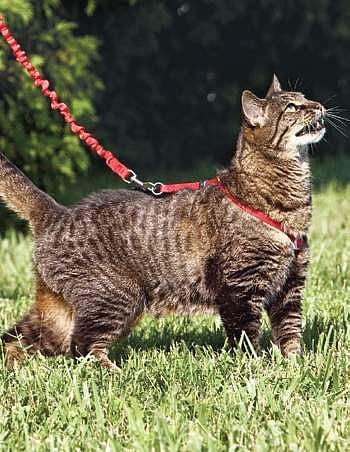
Credit: www.newindianexpress.com
Frequently Asked Questions
Is It A Good Idea To Walk Your Cat On A Leash?
Walking your cat on a leash can be a great idea. It offers exercise and mental stimulation. Ensure your cat is comfortable with the leash. Gradually introduce the leash indoors before heading outside. Always prioritize your cat's safety and comfort during walks.
Is It Okay To Take An Indoor Cat Outside On A Leash?
Taking an indoor cat outside on a leash can be safe. Ensure the harness fits well and start in quiet areas. Supervise your cat closely to prevent stress or escape. Some cats enjoy the adventure, while others may prefer staying indoors.
Always consider your cat's personality and comfort.
How To Safely Walk Your Cat?
Use a harness designed for cats to ensure safety. Start indoors to get your cat comfortable. Gradually introduce outdoor environments, choosing quiet, safe areas. Keep the leash short to maintain control. Always supervise and be attentive to your cat's behavior and surroundings.
Are Leashes Uncomfortable For Cats?
Leashes can be uncomfortable for some cats if they are not used to them. Choose a lightweight, adjustable leash for comfort. Ensure the harness fits properly to avoid irritation. Introduce the leash gradually to help your cat adapt. Monitor your cat’s behavior to ensure they remain comfortable and stress-free.
Conclusion
Walking a cat on a leash can be safe with care. Start slow and use proper gear. Watch your cat's body language. Comfort and safety should be priorities. Not all cats enjoy leashes. Respect their preference. Some might never adapt to outdoor walks.
That's okay too. Indoor play can be equally fun. Always ensure your cat feels secure. Consult your vet for advice if unsure. Enjoy the bonding time, whether indoors or out. Your cat's happiness is what matters most.