

As a loving cat owner, you want the best for your feline friend, especially when it comes to their diet. You're faced with a common dilemma: is dry or wet food the better option for your cat?
The answer isn't straightforward, and making the right choice can feel overwhelming. You're not alone in this decision, and understanding the benefits and drawbacks of each type of food can help you make an informed choice that keeps your cat healthy and happy.
You'll discover the secrets behind cat nutrition, explore expert opinions, and uncover insights that could transform your approach to feeding your furry companion. Stick around to find out which food option could improve your cat's well-being and ensure they live a long, joyful life by your side.
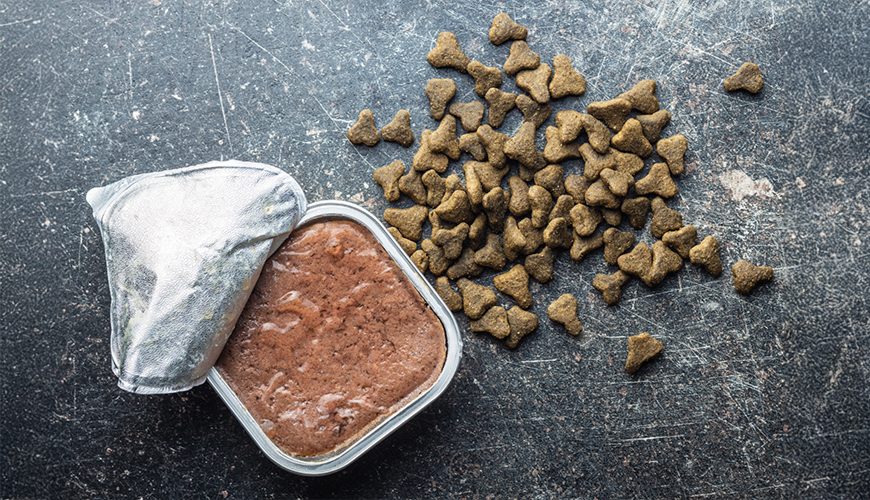
Credit: petbarnkw.com
Nutritional Differences
Cats need specific nutrients to stay healthy. The choice between dry and wet food affects their nutrition. Understanding these differences helps in making the right choice for your cat.
Protein Content
Protein is vital for cats. Wet food usually has higher protein levels. This suits cats' natural meat-based diet. Dry food sometimes offers less protein. Checking labels helps ensure sufficient protein intake.
Carbohydrate Levels
Cats require fewer carbohydrates. Wet food generally has lower carb content. This aligns with a cat's dietary needs. Dry food often contains more carbs as fillers. Consider your cat's energy needs and weight when choosing.
Moisture And Hydration
Hydration is essential for cats' health. Wet food contains more moisture, aiding hydration. This is crucial for cats that drink little water. Dry food lacks moisture and can lead to dehydration. Ensure your cat drinks enough water if fed dry food.
Dental Health Impact
Cats' dental health is crucial for their overall well-being. The type of food they eat can impact their teeth. Dry and wet foods each have their own effects on dental health.
Dry Food Benefits
Dry food helps clean cats' teeth. Chewing dry kibble can reduce plaque and tartar. The crunchy texture scrapes the teeth, promoting dental hygiene. Many dry foods contain added enzymes. These enzymes further support dental health.
Wet Food Considerations
Wet food is soft and less abrasive. It doesn't scrape plaque as effectively as dry food. Cats often enjoy its moisture-rich flavor. Wet food can help with hydration. Some vets suggest mixing both food types. This balances dental and nutritional benefits.
Convenience And Storage
Dry cat food offers easy storage and long shelf life, making it convenient for busy cat owners. Wet food, with its moisture content, requires refrigeration and careful handling but can be more appealing to picky eaters.
Cats rely heavily on their diet, making food choices important. Two main options are dry and wet cat food. Both offer unique benefits. Convenience and storage often influence decisions. Let's dive into key aspects.
Ease Of Use
Dry food is quick and simple to serve. Just scoop and pour. It's less messy, perfect for busy owners. Wet food requires more preparation. You open cans or pouches, then serve. It's best for those with time to spare. Some cats prefer the aroma of wet food, making it more enticing.
Shelf Life
Dry food usually lasts longer than wet. It can stay fresh for months if stored correctly. Keep it in a cool, dry place. Wet food has a shorter shelf life once opened. It needs refrigeration. Unopened cans last a while, but check expiration dates. Proper storage ensures your cat's food stays safe and nutritious.
Cost Comparison
Choosing between dry and wet food for cats often involves cost comparison. Understanding the financial implications can help make informed decisions. Each option presents unique costs that impact your budget over time.
Price Per Serving
Dry food generally costs less per serving. Bulk purchases reduce costs further. Brands vary, but dry options are typically more affordable. Wet food often costs more per serving. Smaller packages contribute to higher prices. Premium brands increase costs significantly.
Long-term Costs
Dry food can be economical long-term. It stores well and lasts longer. Reduced spoilage means less waste. Wet food has higher long-term costs. It spoils quickly once opened. Frequent purchases may be necessary. Health benefits might outweigh costs for some cats.
Health Concerns And Benefits
Choosing the right food for your cat is essential for their health. Dry and wet foods both offer unique benefits and concerns. Understanding these can guide you to make an informed choice. Let's explore how each type of food impacts a cat's health.
Weight Management
Dry food often contains more carbohydrates. This can lead to weight gain in cats. It is calorie-dense, so portion control is crucial. Wet food has a higher moisture content. This means it can fill your cat up with fewer calories. It helps maintain a healthy weight by providing more water per serving. Feeding smaller portions of dry food can help manage weight effectively.
Urinary Tract Health
Wet food provides more hydration. This can be beneficial for urinary tract health. Cats often don’t drink enough water. Wet food helps increase their water intake. This can prevent urinary tract infections and stones. Dry food lacks this moisture benefit. Cats on dry food might need extra water sources. Ensuring they drink enough water is vital for their urinary health.
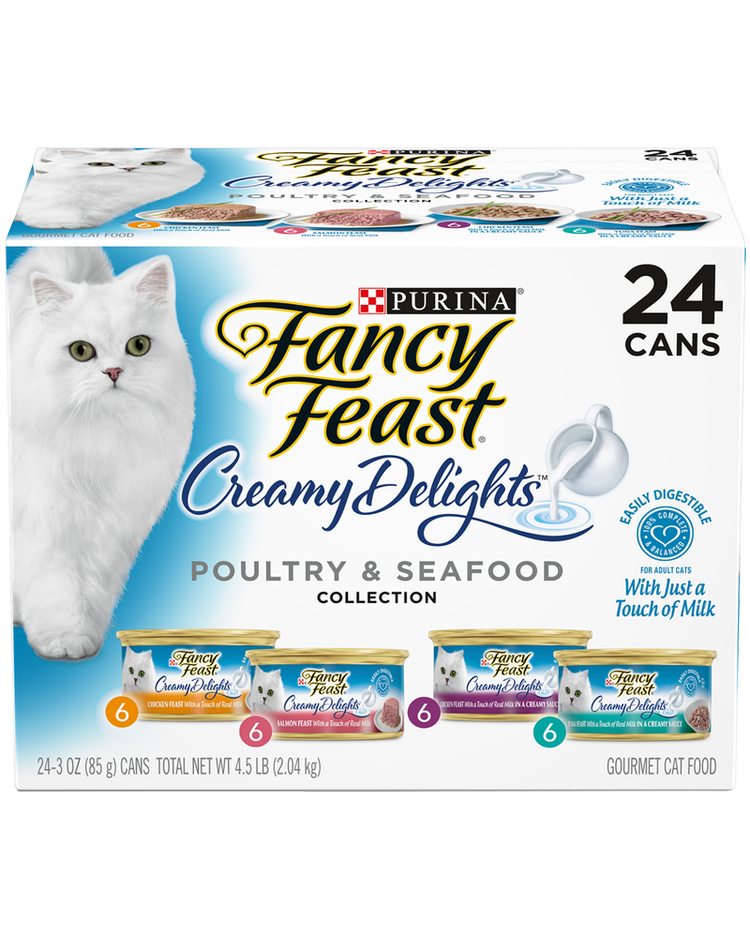
Credit: www.purina.com
Expert Opinions
Determining whether dry or wet food is best for your cat can be challenging. Expert opinions provide valuable insights into this decision, balancing health benefits with practical considerations. Let's dive into what veterinarians and nutritionists recommend for your feline friend.
Veterinarian Recommendations
Veterinarians often emphasize hydration benefits when recommending wet food. Cats naturally have a low thirst drive, making wet food a better choice for ensuring they consume adequate water. This can help prevent urinary tract issues.
However, dry food can be beneficial for dental health. The crunchy texture helps reduce plaque buildup, acting as a natural toothbrush. Some vets suggest mixing both types to balance hydration and dental care.
Consider your cat's specific health needs. If your cat is prone to weight gain, your vet might recommend the lower-calorie option found in some dry foods. It's crucial to discuss with your vet what best suits your pet's lifestyle and health.
Nutritionist Insights
Nutritionists highlight the importance of ingredient quality over the type of food. Whether wet or dry, the best cat food should have high protein content from quality sources. This supports muscle maintenance and overall health.
Wet food is typically lower in carbohydrates, which is closer to a cat’s natural diet. This can be advantageous for cats with dietary sensitivities or those needing weight management.
On the other hand, dry food often offers convenience and cost-effectiveness. It's easier to store and can be left out for free feeding without spoiling. Consider what aligns with your daily routine and budget while keeping your cat’s health in focus.
Ultimately, the choice may boil down to your cat’s preference. Some cats are picky eaters, and finding what they enjoy while meeting nutritional needs is the goal. Have you noticed any particular preferences in your cat's eating habits?
Personal Preferences And Lifestyle
Choosing between dry and wet food for cats can be challenging. Personal preferences and lifestyle play a big role in this decision. Each cat is unique, and so are their needs. Understanding your cat's likes and your daily routine helps in making the best choice.
Owner Convenience
Dry food offers convenience for busy owners. It is easy to store and measure. You can leave it out all day without worrying about spoilage. This is helpful for owners who work long hours. Wet food, on the other hand, requires more attention. It needs refrigeration and timely serving. It can be more work, but some owners prefer it for its hydration benefits.
Cat's Taste Preferences
Cats have their own taste preferences. Some cats love the crunchy texture of dry food. Others enjoy the moisture and aroma of wet food. It's important to observe your cat's eating habits. Try offering both types and see which your cat prefers. A cat's taste can change over time, so be open to trying different options. Their preferences might surprise you.
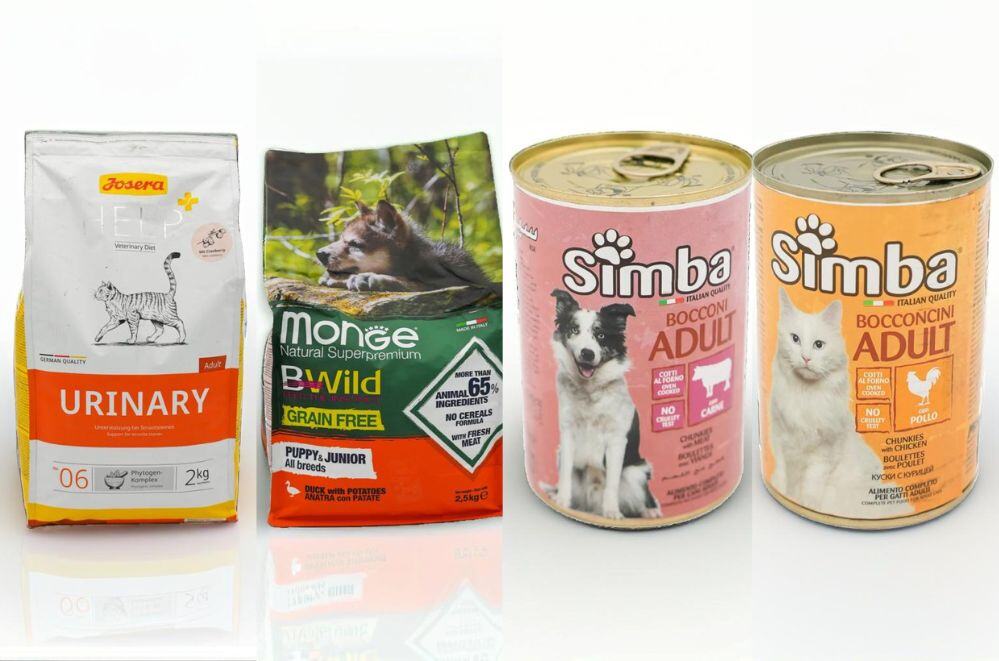
Credit: firstvetqa.com
Frequently Asked Questions
Is It Healthier To Feed Cats Wet Or Dry Food?
Wet food often provides better hydration and supports urinary health for cats. Dry food is convenient and helps dental health. A balanced diet combining both can offer optimal nutrition. Always consult your veterinarian to choose the right option for your cat's specific needs and preferences.
What Is The Healthiest Food To Feed A Cat?
The healthiest food for cats is high-quality, protein-rich wet food. Ensure it contains real meat as the primary ingredient. Avoid artificial additives and fillers. A balanced diet with essential nutrients supports their overall health and well-being. Consult a veterinarian for specific dietary recommendations tailored to your cat's needs.
Why Do Vets Recommend Wet Food For Cats?
Vets recommend wet food for cats due to its higher moisture content. It helps maintain hydration and supports urinary health. Wet food often contains fewer carbohydrates and more protein, aligning with a cat's natural diet. It can also be more palatable, encouraging fussy eaters to consume adequate nutrition.
What Are The Disadvantages Of Wet Cat Food?
Wet cat food can spoil quickly if left out. It often costs more than dry food. Wet food can contribute to dental issues due to lack of crunch. It may be less convenient for storage and serving. Cats can become picky eaters when fed exclusively wet food.
Conclusion
Choosing between dry and wet cat food depends on your cat's needs. Both types offer benefits. Dry food is convenient and helps dental health. Wet food provides hydration and can be tastier. Consider your cat’s age, health, and preferences. Talk to your vet for personalized advice.
Mixing both might be the best approach. It offers variety and balanced nutrition. Always ensure fresh water is available. Your cat's health and happiness should guide your decision. Stay observant and adjust if needed. Your furry friend deserves the best care.