

Have you ever felt puzzled by your cat's aggressive behavior? You're not alone.
Many cat owners face the challenge of understanding and managing their feline friend's sudden mood swings. Aggressive behavior in cats can be distressing, but there's good news—you can learn how to handle it effectively. Imagine a calmer, happier home where you and your cat live in harmony.
By addressing this issue, you're not only improving your pet's well-being but also enhancing your own peace of mind. In this guide, you'll discover practical steps to identify the causes of aggression and implement strategies that work. Let's dive in and transform your relationship with your cat, making it more fulfilling and peaceful.
Identifying Aggressive Behavior
Understanding aggressive cat behavior is crucial for effective treatment. Spot signs like hissing or biting. Address the triggers gently.
Identifying aggressive behavior in cats can be a crucial step in ensuring a harmonious living environment for both you and your feline friend. Understanding what constitutes aggression and recognizing its signs can help in addressing the issue promptly. Cats, by nature, are independent creatures, but sudden or frequent aggressive outbursts might indicate underlying issues that need attention.
Common Signs Of Aggression
Aggressive cats often exhibit certain telltale signs. You might notice your cat's ears flattening against its head, or its eyes might become wide and focused. A swishing or twitching tail can also signal irritation or readiness to pounce. Physical postures can give away their intent. For example, an arched back or a tense, crouched stance might indicate a defensive or offensive position. Vocal cues like hissing, growling, or spitting are also clear indicators of discomfort or aggression.
Triggers And Causes
Understanding what triggers your cat's aggression is essential. Common causes include fear, territorial disputes, or overstimulation. A new pet or person in the household could also disrupt their sense of security. Think about recent changes in your home environment. Have you moved furniture or changed feeding routines? Sometimes, even subtle changes can be significant for cats. Consider your own actions too. Are you unknowingly encouraging aggressive behavior by roughhousing or not respecting their personal space? Reflecting on these aspects can help in identifying potential causes and prevent future aggressive incidents. By observing your cat's behavior closely, you can better understand their needs and create a more peaceful home for everyone involved. Remember, each cat is unique, and what works for one might not work for another.
Immediate Safety Measures
Immediate Safety Measures Calm an aggressive cat by creating a quiet space. Use a soft voice to reassure them. Avoid direct eye contact to reduce tension.
Immediate Safety Measures When dealing with aggressive cat behavior, ensuring immediate safety is crucial. Quick actions can prevent harm to you, your pets, and your home. Address the situation calmly and promptly to minimize stress.
Securing The Environment
To start, create a safe space for your cat. This could be a quiet room where they can calm down without external stimuli. Remove any objects that could be knocked over in a frenzy. Ensure the area has essentials like food, water, and a litter box. This space should be free from other pets or people to avoid further agitation. Think of it as a temporary retreat for your cat to decompress.
Protecting Other Pets And People
Keep other pets away from the aggressive cat to prevent fights or injuries. Use baby gates or closed doors to separate them. It’s better to be proactive than to deal with a chaotic situation. Alert family members about the cat's current state to keep them safe. You could share a quick story about a time your curious dog unknowingly wandered into the cat's space, only to be met with a hiss. Wouldn't it be easier if everyone knew the signs to watch for? Observing and understanding your cat's body language can prevent accidents. Remember, safety isn't just about immediate action but also awareness and communication.
Behavior Modification Techniques
Understanding aggressive cat behavior is key to effective treatment. Use positive reinforcement to encourage calm behavior. Create a safe environment for your cat to reduce stress and triggers.
Understanding aggressive cat behavior is crucial for every cat owner. Aggression in cats can be distressing, but behavior modification techniques can help. By using simple methods, cat owners can improve their pet's behavior and create a harmonious home environment.
Positive Reinforcement
Positive reinforcement is a powerful tool in modifying cat behavior. Reward your cat with treats or praise when it behaves calmly. This encourages the cat to repeat the good behavior. Consistency is key. Always reward the desired behavior immediately. This helps the cat associate the action with positive outcomes. Over time, this method reduces aggressive tendencies.
Redirecting Aggression
Redirecting aggression involves diverting the cat's energy to acceptable outlets. If your cat shows aggression, introduce a toy or playtime. This shifts its focus from aggression to play. Provide scratching posts or climbing trees. These serve as outlets for pent-up energy. Regular play sessions also help in reducing aggression. Always supervise interactions to ensure safety.
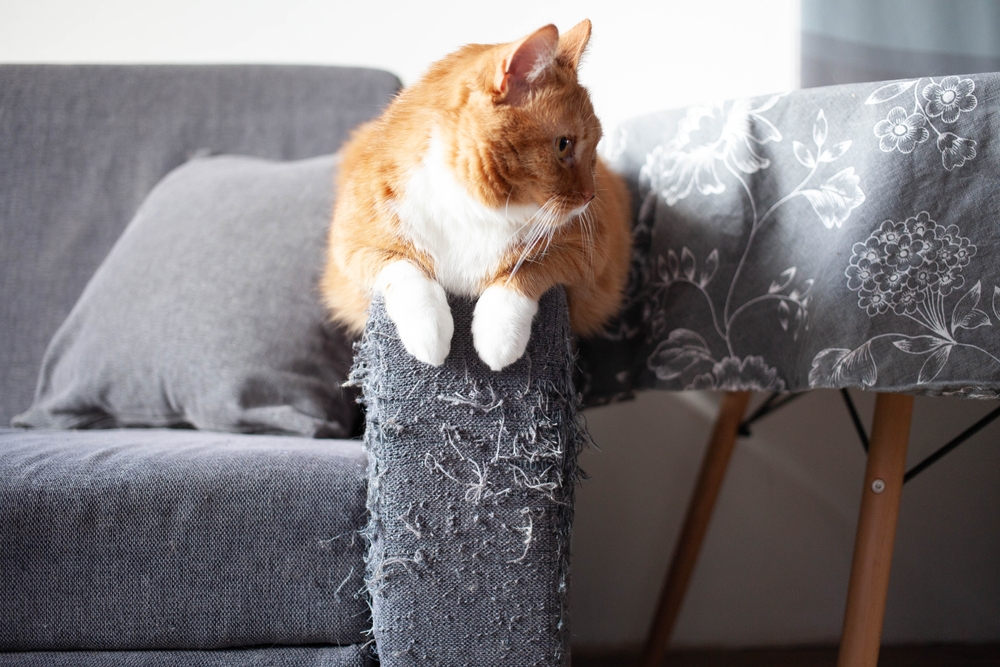
Credit: justcatsclinic.com
Creating A Calming Environment
Creating a calming environment can help manage aggressive cat behavior. Soft lighting and quiet spaces soothe anxious cats. Provide cozy spots for your cat to retreat and relax.
Creating a calm environment can help reduce aggressive cat behavior. Cats feel stressed in noisy or chaotic spaces. A peaceful setting can soothe them. It helps them feel safe and relaxed. Let's explore ways to create this calming environment.
Safe Spaces For Cats
Cats need a safe haven where they can retreat. A quiet corner or a cozy bed works well. Choose a spot away from loud noises and high traffic areas. Use soft blankets or cushions to make it inviting. High perches or cat trees offer a sense of security. Cats love to observe from a height. These spaces should be easily accessible at all times.
Stress-reducing Tools
Stress-reducing tools can make a big difference. Consider using pheromone diffusers. They mimic natural cat scents and reduce anxiety. Soft music can also calm a tense cat. Play gentle tunes to soothe them. Interactive toys keep cats engaged. They channel energy into play, not aggression. Lastly, ensure a routine. Predictable feeding and playtimes comfort cats.
Professional Help And Guidance
Aggressive cat behavior can be challenging for pet owners. Professional help might be necessary. Experts provide guidance tailored to your cat's needs. They offer insights that can transform your pet's behavior. Seeking professional advice can lead to a happier home.
Consulting A Veterinarian
A veterinarian can identify health issues causing aggression. They check for pain or illness that may trigger aggressive actions. Regular check-ups ensure your cat's health is optimal. A vet can recommend treatments or medications if needed. They might also suggest dietary changes to improve behavior.
Seeking Animal Behaviorists
Animal behaviorists specialize in understanding feline behavior. They analyze the root causes of aggression. Behaviorists create personalized training plans for your cat. These experts provide strategies to manage and reduce aggression. Their techniques promote positive changes in your pet's behavior.

Credit: www.utahhumane.org
Long-term Management Strategies
Long-term strategies for managing aggressive cat behavior focus on understanding triggers and creating a calm environment. Consistent routines, positive reinforcement, and gradual desensitization can help reduce stress and aggression in cats.
Long-term management strategies are crucial for handling aggressive cat behavior. These strategies focus on creating a stable environment and observing changes. Consistency and attention help in reducing aggressive tendencies over time.
Routine And Consistency
Cats thrive on routine. Establishing a regular schedule can ease their anxiety. Feed them at the same time every day. Set playtime and rest periods consistently. Predictable routines help cats feel secure. They know what to expect. This reduces stress and lowers aggression. Consistency in daily activities is key. It builds trust and comfort.
Ongoing Monitoring
Monitor your cat's behavior regularly. Keep an eye on any changes or triggers. Noting patterns can help identify causes of aggression. Use a journal to track incidents. Record the time, place, and situation. This information is invaluable. It helps in understanding the root causes. Adjust strategies based on observations. Regular vet visits are essential. They ensure your cat remains healthy. Health issues can sometimes cause aggression. Early detection can prevent problems. Keep communication open with a pet behaviorist. They offer expert advice and guidance.
Preventive Measures
Identifying triggers helps manage aggressive cat behavior effectively. Providing safe spaces and engaging toys can prevent stress. Regular vet check-ups ensure any medical issues are addressed promptly.
Preventive measures can play a significant role in managing aggressive cat behavior. By taking proactive steps, you can create an environment where your feline friend feels secure and comfortable. This not only helps in reducing aggressive tendencies but also strengthens the bond between you and your pet.
Socialization Tips
Socializing your cat from an early age is crucial. Introduce them to a variety of people, animals, and environments. This exposure helps them become more adaptable and less fearful. Engage your cat in interactive play sessions with toys. This not only provides exercise but also helps them understand appropriate play behavior. Consistency is key. Regular socialization helps your cat feel more relaxed around new people and situations.
Handling Changes In Environment
Cats are creatures of habit. Sudden changes can trigger aggressive behavior. Whenever possible, introduce changes gradually. If you’re moving to a new home, bring familiar items like toys and bedding to help your cat adjust. This familiarity provides comfort in an unfamiliar place. Consider setting up a dedicated space for your cat. A safe retreat can help them feel secure amidst changes. Have you noticed how cats react to changes in their environment? It's fascinating how a small change can impact their behavior.
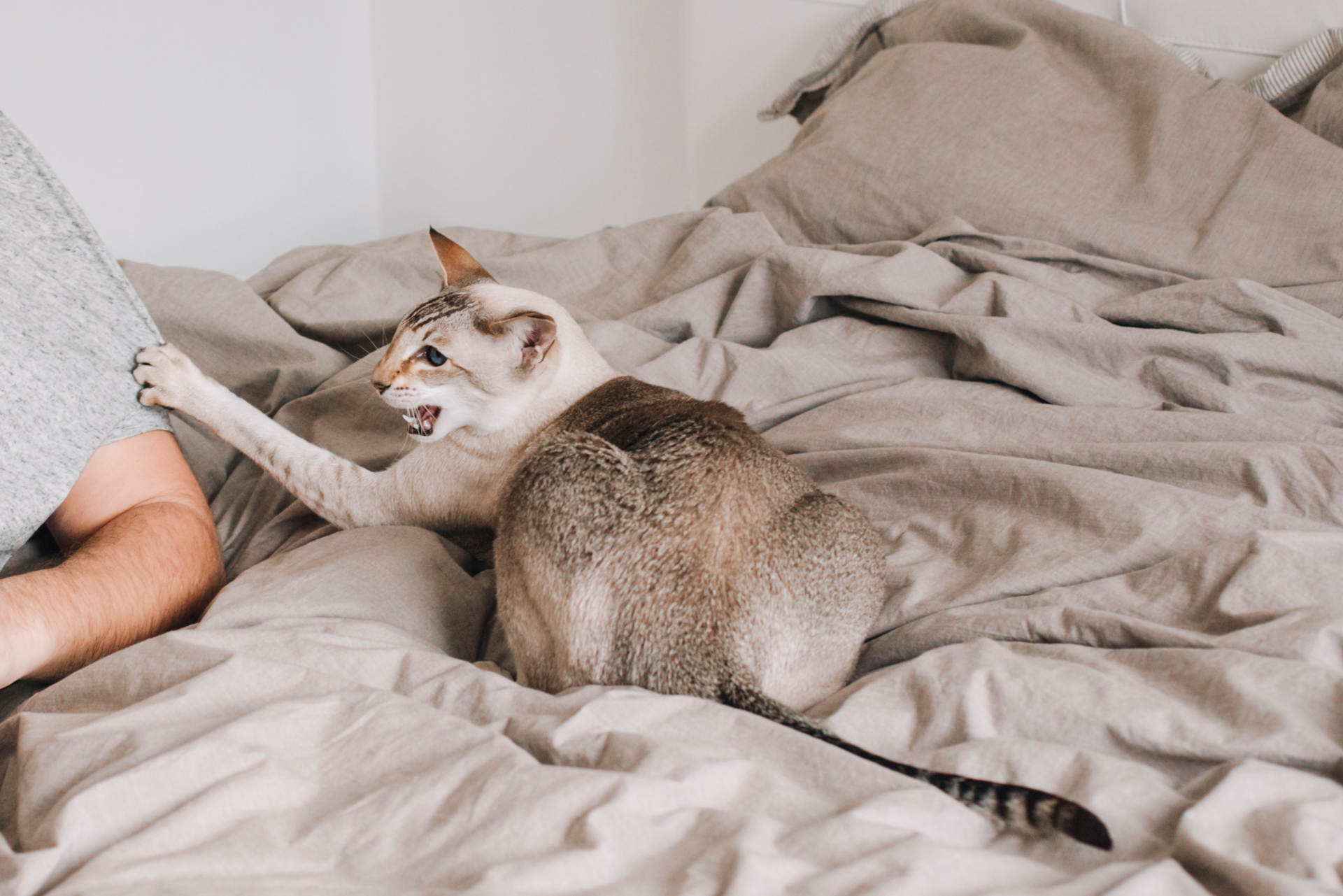
Credit: pethelpful.com
Frequently Asked Questions
How Do I Make My Cat Stop Being So Aggressive?
Identify triggers and remove them to reduce aggression. Provide toys for play and mental stimulation. Ensure your cat feels safe by creating a calm environment. Consult a vet for advice on behavior or health issues. Consider professional training if aggression persists.
What Can A Vet Do For An Aggressive Cat?
A vet can evaluate the cat's health and behavior, offer medication, and suggest behavior modification techniques. They may recommend consulting an animal behaviorist for specialized guidance. Regular check-ups can help manage aggression effectively, ensuring the cat's well-being and safety.
Can You Medicate A Cat For Aggression?
Yes, vets can prescribe medications for aggressive cats. Always consult a veterinarian before administering any medication.
How Do You Show Dominance To An Aggressive Cat?
Use calm but firm actions to establish boundaries. Maintain eye contact and use a confident tone. Offer treats for positive behavior. Avoid physical confrontation. Use toys for distraction and redirection.
Conclusion
Helping aggressive cats needs patience and understanding. Always stay calm and gentle. Notice triggers that cause stress or fear. Offer a safe space for your cat. Use toys and play to redirect energy. Consistent care builds trust over time. Consult a vet if aggression persists.
Professional advice guides you better. Remember, every cat is unique. Tailor your approach to their needs. With love and care, your cat can improve. Building a bond takes time. Your efforts can lead to a happier cat. Keep learning about cat behavior.
It helps you connect deeply with your feline friend.