
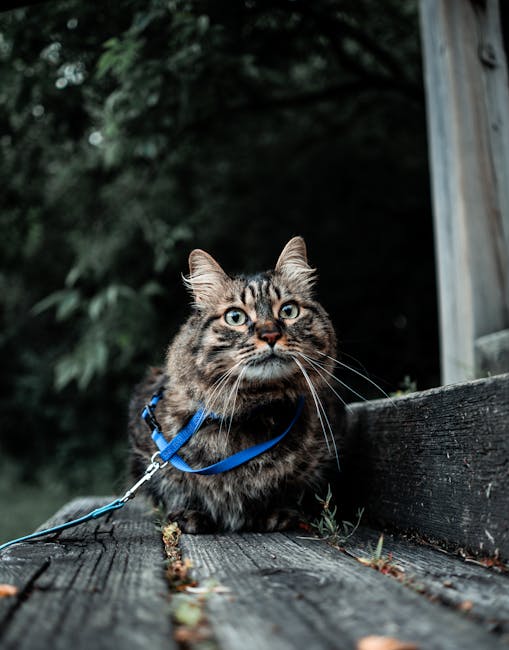
Imagine the joy of exploring the great outdoors with your feline friend by your side. It’s not just a dream; it can be your reality.
Walking your cat on a leash is a unique experience that strengthens your bond and offers your pet a taste of adventure. But how do you transform your independent cat into a confident leash walker? This guide is crafted just for you.
Discover simple steps and insider tips to make this transition smooth and enjoyable for both you and your kitty. By the end of this article, you’ll feel empowered and ready to start this exciting new chapter with your cat. Don't miss out on these valuable insights that could change your walks forever.

Credit: www.reddit.com
Choosing The Right Leash And Harness
Selecting the perfect leash and harness is vital for training your cat to walk. Ensure the harness is snug but comfortable, allowing your cat to move freely. A lightweight leash provides control without weighing them down, creating a positive walking experience.
Taking your cat for a walk on a leash can be a delightful experience for both of you, but it all starts with choosing the right leash and harness. Just like you wouldn't wear shoes that don't fit, your cat needs the right gear to feel comfortable and secure. The right equipment makes the training process smoother and enhances your cat's safety during outdoor adventures.
Types Of Harnesses
When selecting a harness, it's crucial to find one that fits snugly but comfortably. - H-Style Harness: This harness is shaped like an "H" when laid flat. It's easy to adjust and offers good control. - Vest-Style Harness: Resembling a small vest, this harness distributes pressure evenly across your cat’s body. It's often padded for extra comfort. - Figure-8 Harness: This design loops around the neck and torso, making it adjustable yet secure. Each type has its pros and cons. Consider your cat's size, temperament, and how they react to wearing new items.
Selecting The Perfect Leash
The leash you choose is just as important as the harness. - Standard Leash: A simple, straightforward choice, typically made of nylon or leather. It's durable and easy to control. - Retractable Leash: Offers flexibility in length, allowing your cat to explore while you maintain control. However, use cautiously to avoid tangling. - Bungee Leash: This type has some give, reducing the impact if your cat suddenly pulls. Think about your walking environment. Do you prefer short walks in crowded areas or letting your cat explore open spaces? Your choice impacts your cat's comfort and safety, so select wisely. A well-chosen leash and harness can make every walk an enjoyable outing for both you and your feline friend.

Credit: www.instagram.com
Preparing Your Cat
Training your cat to walk on a leash can be a fun bonding experience. Start by getting a comfortable harness. Let your cat explore the harness indoors. Gradually introduce the leash, and practice walking in a safe, quiet area. Be patient and use treats to encourage positive behavior.
Preparing your cat for leash training is a crucial first step. Some cats may take to it easily, while others need time. This phase involves understanding your cat's personality and introducing them to the new gear.
Assessing Your Cat's Temperament
Start by observing your cat's behavior. Are they curious or cautious? Some cats are naturally more adventurous. Others may be timid and need more encouragement. Pay attention to their reactions to new environments. This helps gauge how they might respond to leash training. Consider their response to handling. Cats comfortable with being held might adapt quicker. If your cat resists handling, be patient. Spend time building trust and comfort. This foundational trust is key for successful leash training.
Familiarizing With The Gear
Introduce the harness gently. Place it near their favorite sleeping spot. Let them sniff and explore it freely. This reduces fear and builds familiarity. Choose a comfortable harness. Ensure it's snug but not too tight. A good fit prevents slipping and ensures safety. Practice putting the harness on indoors. Reward your cat with treats and praise. This creates positive associations. Once they're comfortable, attach the leash. Allow them to drag it around. This step helps them get used to the feeling. Always supervise during this process. Never rush or force them. Patience and consistency are your best allies.
Introducing The Harness
Introducing the Harness Teach your cat to walk on a leash with the right harness. A comfortable fit helps your cat feel secure. Begin indoors, letting your cat explore with the harness on.
Introducing a harness to your cat can be a rewarding experience. It opens up a world of outdoor adventures for both of you. Cats are curious creatures, but they may feel uneasy with new accessories. A gradual approach helps them adjust comfortably. Patience and consistency are key.
Getting Your Cat Comfortable
Begin with choosing a harness that fits snugly. Leave it near their favorite spot. Let them sniff and explore it first. Do not rush this step. Allow them to get used to its presence. Once they are curious about it, gently drape it over their back. Do not fasten it yet. Watch their reaction closely. If they seem calm, give them a treat. This helps them associate the harness with positive feelings.
Positive Reinforcement Techniques
Use treats and praise to encourage good behavior. Each time your cat interacts calmly with the harness, reward them. This creates a positive connection. Gradually fasten the harness for short periods. Increase the duration as they grow more comfortable. Avoid forcing them into it. Stay calm and patient. Use your voice to soothe and encourage them. Keep sessions short and fun. This builds trust and confidence.
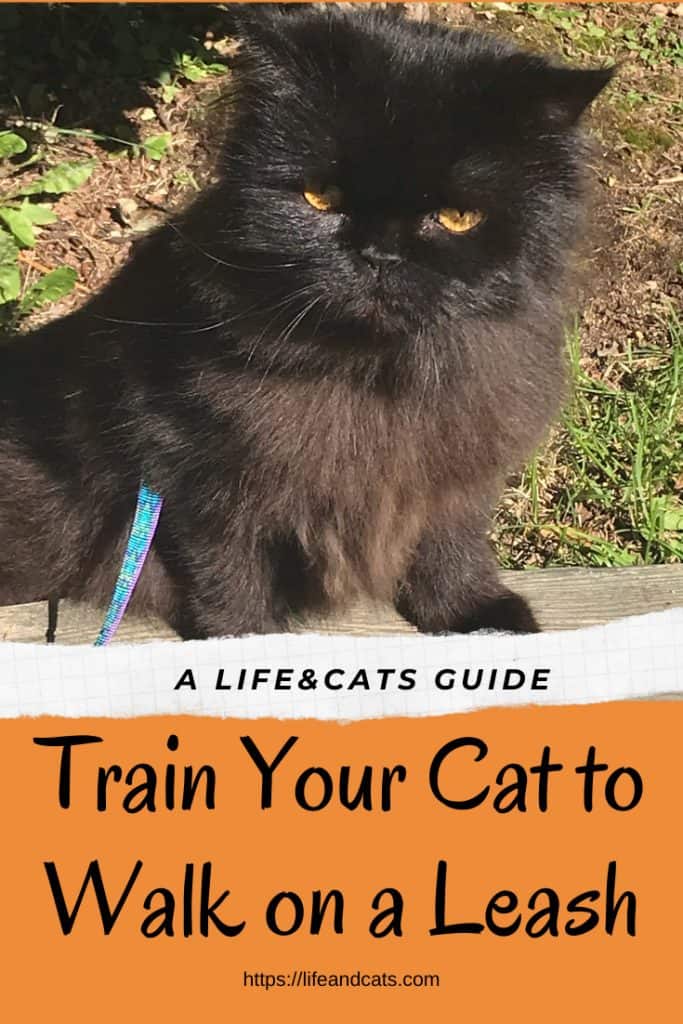
Credit: lifeandcats.com
Leash Training Indoors
Leash training indoors helps your cat get used to wearing a harness in a safe environment. Begin with short sessions to build confidence and encourage calm behavior with treats and praise. Gradually, your cat will feel comfortable walking on a leash.
Leash training indoors is a great start for your cat. It offers a controlled and safe environment. This way, your cat can get used to the leash without stress. Begin this process with patience and gentle encouragement.
Practicing In A Safe Environment
Choose a quiet room in your home. Ensure there are no distractions or loud noises. The space should be familiar to your cat. This helps them feel secure. Lay the leash on the floor and let your cat sniff it. Familiarity reduces fear and builds trust. Attach the leash to the harness gently. Allow your cat to roam while you hold the leash loosely. This helps them feel the weight and presence of the leash.
Encouraging Movement
Encourage your cat to move with treats or toys. Hold a treat a short distance away. Gently call your cat to come to you. Reward them when they reach you. Positive reinforcement is key. Use toys to entice movement. Dangle a feather toy or roll a ball. Encourage curiosity and play. Practice these steps daily. Short sessions work best. Gradually increase the time as your cat gets comfortable. Consistency leads to success.
Venturing Outdoors
Training your cat to walk on a leash can be a fun adventure. Once your cat is comfortable with the leash indoors, it's time to explore the outside world. Venturing outdoors can be exciting for both you and your feline friend. The new sights, sounds, and smells will stimulate your cat's senses. But, it’s crucial to take the right steps to ensure a positive experience.
Choosing The Right Location
Start in a quiet and safe area. Your backyard can be a perfect spot. If you don't have a backyard, find a nearby park or garden. Look for places with minimal distractions and few people. Avoid areas with dogs or loud noises. This helps your cat feel secure and less anxious. Ensure the ground is safe and free from sharp objects.
Handling Outdoor Challenges
Be prepared for unexpected challenges. Sudden noises or movements can startle your cat. Stay calm and reassure your pet with a soothing voice. Keep a firm yet gentle hold on the leash. Encourage your cat with treats and praise. If your cat seems scared, return indoors and try again later. Patience is key in building your cat's confidence.
Safety Tips
Ensure your cat is comfortable with the harness indoors before venturing outside. Gradually introduce the leash in a quiet area. Use treats and praise to encourage walking, keeping sessions short and positive.
Training your cat to walk on a leash can be a delightful experience for both you and your feline friend. However, ensuring safety during these walks is crucial. Cats, unlike dogs, can be more unpredictable and sensitive, so understanding and implementing safety tips is essential for a successful and enjoyable adventure outside.
Recognizing Stress Signals
Knowing when your cat is stressed is vital. Cats may express stress through flattened ears, a low or puffed-up tail, dilated pupils, or hissing. If you notice any of these signs, stop the walk immediately and give your cat time to calm down. It's important to build trust and confidence. Monitor your cat's body language closely. If you're unsure, ask yourself: is your cat still curious, or does it seem frightened?
Keeping The Experience Positive
Ensure each walk is a positive experience. Start by letting your cat explore the leash indoors before venturing outside. Reward your cat with treats and praise to associate the leash with good experiences. Consistency is key. Short, regular walks can help your cat become more comfortable with the leash. Gradually increase the duration as your cat becomes more confident. By focusing on your cat's comfort and happiness, you're not just training them to walk on a leash—you're strengthening your bond and opening up a world of adventure for both of you. So, are you ready to step out with your feline companion?
Troubleshooting Common Issues
Training your cat to walk on a leash can be challenging. Start by introducing the harness indoors. Gradually increase outdoor time to help them adjust.
Training a cat to walk on a leash can be challenging. Sometimes, you might face common issues that require a bit of troubleshooting. These problems can range from resistance to adjusting your training methods. Understanding these issues and knowing how to address them will help you and your cat enjoy your walks together.
Addressing Resistance
Cats may resist wearing a harness or leash. This is a common initial reaction. Start by letting your cat sniff and explore the harness. Leave it near their favorite spot. Reward them with treats when they show interest. Gradually, place the harness on them for short periods. Increase the duration over time. Ensure the harness fits snugly but comfortably. A tight or loose harness can cause discomfort.
Adjusting Training Methods
Every cat learns at its own pace. If progress stalls, change your approach. Use positive reinforcement like treats and praise. Keep training sessions short to prevent frustration. Observe your cat's body language. Signs of stress mean it's time for a break. Practice in a quiet, safe area without distractions. Encourage your cat with toys or treats. Adjust based on their comfort level.
Frequently Asked Questions
Is It Hard To Train A Cat To Walk On A Leash?
Training a cat to walk on a leash requires patience and consistency. Start indoors with short sessions. Gradually introduce outdoor environments. Use positive reinforcement like treats and praise. Some cats adapt quickly, while others take more time. Always ensure the cat feels comfortable and safe during training.
What Age Should I Start Leash Training My Cat?
Start leash training your cat at 8-12 weeks old. Young kittens adapt quickly to new experiences. Early training helps them become comfortable with the leash. Ensure the environment is calm and stress-free during training sessions for best results.
Is It A Good Idea To Walk Your Cat On A Leash?
Walking your cat on a leash can be a great idea. It provides exercise and mental stimulation. Ensure your cat feels comfortable with the harness. Start slowly and choose a safe, quiet location. Always supervise to ensure your cat's safety.
Some cats may not enjoy it, so observe their behavior closely.
Is It Too Late To Harness Train My Cat?
It's never too late to harness train your cat. Start with patience and gradual introduction. Use treats and positive reinforcement to make the process enjoyable. Consistent practice helps your cat adjust. Always choose a comfortable, well-fitted harness for safety.
Conclusion
Training your cat to walk on a leash takes patience. Start slow and reward progress. Your cat will adapt over time. Keep sessions short to maintain interest. Use treats to encourage them. Stay calm if your cat resists. Consistency is key for success.
Celebrate small victories along the way. Walking on a leash can improve your cat's life. It provides exercise and mental stimulation. Both you and your cat can enjoy outdoor adventures. With time, your cat will become more comfortable. Enjoy the journey together.
Your bond will strengthen with each step. Happy walking!