
Are you tired of cleaning up after your feline friend? Training your cat to use the litter box can save you time and keep your home clean.
Imagine the relief of knowing your cat knows exactly where to go when nature calls. It's easier than you think, and you'll be amazed at how quickly your kitty can learn this essential skill. You want to do it right, and you want it to stick.
The good news is, with a little patience and the right approach, you can make this happen. Dive into this article to discover the secrets to successful litter box training and enjoy a cleaner, happier home with your furry companion.
Credit: vetic.in
Choosing The Right Litter Box
Selecting the ideal litter box is crucial for successful cat training. Ensure it's spacious and easily accessible. A clean, odor-free environment encourages use and builds good habits.
Choosing the right litter box is a crucial step in training your cat to use it. The right box can make a significant difference in your cat's comfort and willingness to use it. Let's explore the factors that can guide you in making the best choice for your furry friend.
Size And Design Considerations
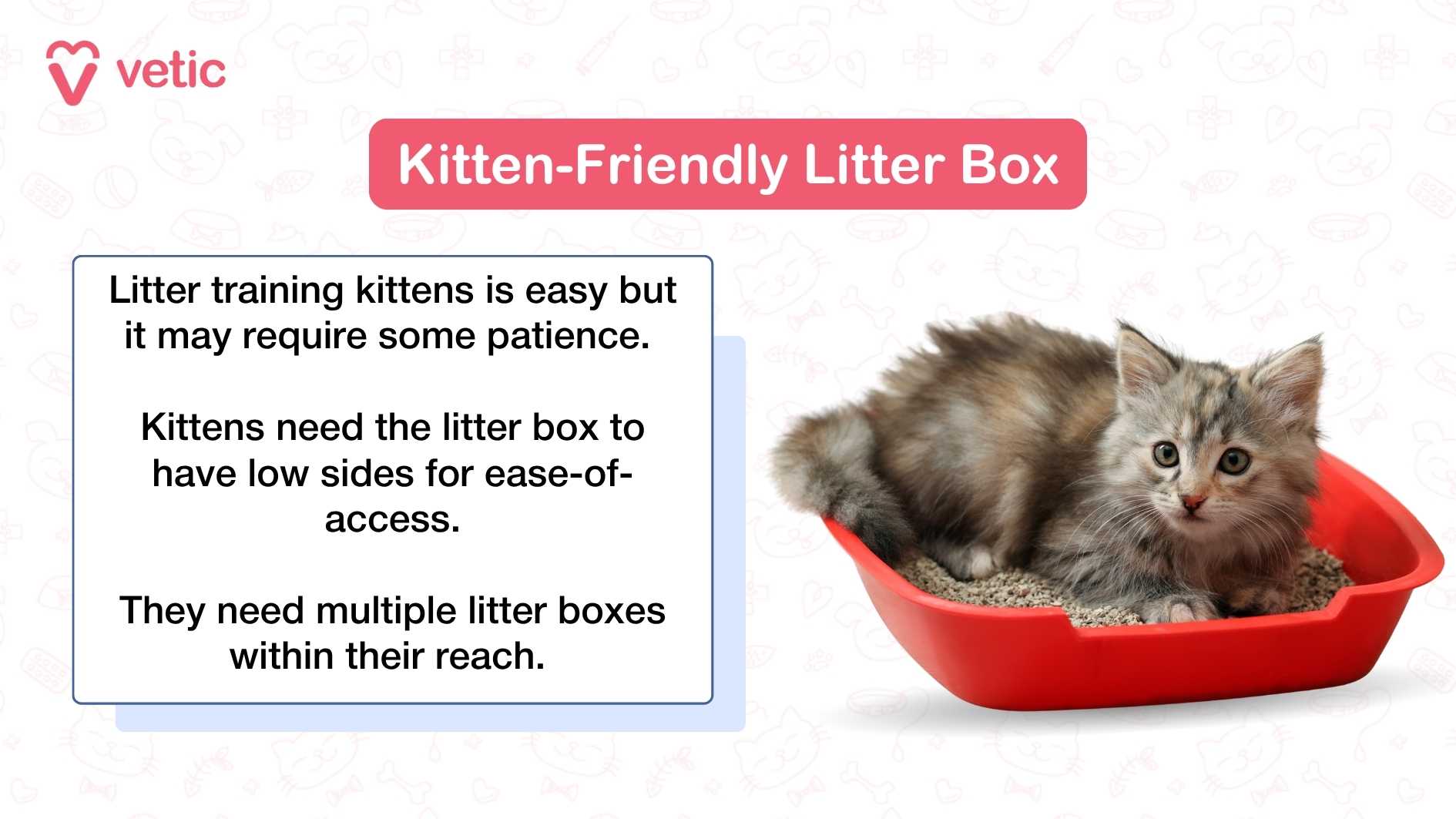
The size of the litter box should comfortably accommodate your cat. A good rule of thumb is to choose a box that is at least one and a half times the length of your cat. This gives enough room for your cat to turn around and dig comfortably. Design matters too. If your cat is a sprightly jumper, a box with higher sides might be ideal to keep litter from scattering. For older cats or those with mobility issues, a box with lower sides can be more accessible.
Covered Vs. Uncovered Options
Covered litter boxes can offer privacy, which some cats prefer. They also help contain odors, a benefit many owners appreciate. However, some cats may feel trapped or anxious in a covered box. Uncovered boxes allow your cat to keep an eye on their surroundings, which can be reassuring. They also provide better ventilation, reducing the build-up of unpleasant smells. Consider your cat's personality and your home environment when deciding between the two.
Automatic Vs. Manual Boxes
Automatic litter boxes can be a game-changer for busy households. They clean themselves, reducing your maintenance time and providing a consistently clean space for your cat. Keep in mind that not all cats may be comfortable with the noise or motion of these boxes. Manual boxes are straightforward and usually more budget-friendly. They allow you to keep a close watch on your cat's habits and health. Think about your lifestyle and your cat's temperament when choosing between these options. Choosing the perfect litter box involves balancing your preferences with your cat's needs. What does your cat seem to prefer? Your observations can lead to a happier, cleaner home for both you and your feline companion.
Selecting The Best Cat Litter
Training your cat to use the litter box involves selecting the right litter. Choose a type that suits your cat's preferences. A comfortable texture and minimal dust encourage regular use.
Selecting the best cat litter can make a big difference in training your cat to use the litter box. Cats are particular about their litter. Choosing the right type can help ensure they use the box regularly. Let’s explore some options.
Clumping Vs. Non-clumping
Clumping litter forms solid clumps when wet. This makes cleaning easy. It also helps control odor by trapping moisture. Non-clumping litter absorbs liquid but does not form clumps. It may require more frequent changes to keep the box clean. Clumping litter is often preferred for its convenience.
Scented Vs. Unscented
Scented litter masks odors with added fragrances. It can make the area smell fresher. Some cats may dislike strong scents, though. Unscented litter is neutral and relies on other elements for odor control. If your cat is sensitive, unscented may be a safer choice.
Eco-friendly Alternatives
Eco-friendly litters are made from natural materials. Options include recycled paper, corn, and wheat. They are biodegradable and better for the environment. These alternatives can be a good choice for eco-conscious pet owners. They are often dust-free and gentle on paws.
Finding The Ideal Location
Choosing the right spot for a litter box is crucial. Cats prefer quiet, accessible areas away from their food. Ensure the location is private yet convenient for your feline friend to encourage consistent use.
Finding the perfect spot for your cat's litter box is crucial. Cats prefer a calm, private place where they can do their business without disturbance. This location influences their litter box habits. Let's explore some essential factors to consider.
Quiet And Accessible Areas
Choose a peaceful area. Cats appreciate tranquility when using the litter box. Avoid noisy rooms. Ensure the location is easy for your cat to reach. Accessibility is vital. Cats might avoid the box if it's hard to get to. Keep the box away from loud appliances.
Avoiding High Traffic Zones
Avoid placing the litter box in busy areas. High traffic zones can stress your cat. Cats prefer privacy. A hallway or kitchen might not be ideal. Choose a spot where your cat won't be interrupted. Privacy encourages regular use.
Multiple Cats Considerations
Multiple cats need more than one litter box. Cats dislike sharing. Provide at least one box per cat. Consider spacing them apart. Cats need personal space. Avoid placing boxes side by side. This reduces territorial disputes. Each cat should feel comfortable and secure.
Credit: www.whiskas.com.ph
Introducing Your Cat To The Litter Box
Introducing a cat to a litter box involves patience and consistency. Place the box in a quiet area and gently guide your cat to it. Praise and reward your cat when it uses the box correctly.
Introducing a cat to the litter box can be a rewarding journey. As a cat owner, you might be eager yet anxious about how your feline friend will adapt. Thankfully, there are strategies to ease this transition, ensuring a stress-free experience for both you and your pet.
Gradual Introduction Techniques
Start by placing the litter box in a quiet, accessible spot. Your cat needs to feel safe without loud noises or frequent disturbances. It helps to keep the box in a consistent location. This stability allows your cat to associate the spot with their personal space. When I introduced my kitten to her litter box, I placed it near her bed initially. This close proximity made her curious and less intimidated. Remember, patience is key. Don't rush the process. Let your cat explore the box on their own terms.
Positive Reinforcement Strategies
Reward your cat whenever they use the litter box correctly. Treats or gentle strokes can reinforce good behavior. Avoid punishing mistakes. Cats don’t respond well to negative reinforcement. Instead, focus on celebrating the wins. You might find your cat prefers a specific litter brand or box style. Paying attention to their preferences can make a significant difference.
Monitoring Initial Reactions
Watch how your cat interacts with the litter box. Are they hesitant or eager? These reactions can guide your next steps. If your cat seems uninterested, try adjusting the type of litter. Some cats prefer finer textures or unscented options. Engage with your cat during their initial visits to the box. Your presence can offer comfort and assurance. Consider using a small, low-sided box for kittens or older cats. This makes entry and exit easier, removing potential barriers. What strategies will you try to help your cat adapt? Share your experiences and see what works best for you and your furry friend.
Addressing Common Challenges
Training a cat to use the litter box can be tricky. Various challenges might arise during the process. Understanding these hurdles helps in finding effective solutions. This section explores common issues and provides practical advice.
Handling Litter Box Avoidance
Cats may avoid the litter box for several reasons. The box might not be clean enough. Cats prefer fresh, clean areas for their business. Scoop the litter box daily. Ensure the box is washed weekly with mild soap. Location matters too. Place the litter box in a quiet, accessible spot. Avoid placing it near loud appliances or high-traffic areas. The type of litter can also affect usage. Experiment with different textures and scents to find what your cat prefers.
Dealing With Multi-cat Households
In homes with multiple cats, conflicts can arise. Ensure there are enough litter boxes for each cat. A good rule is one box per cat, plus one extra. This reduces competition and stress. Place the boxes in different locations to give options. Monitor each cat's habits. Some cats prefer privacy. Others might need more space. Adjust the environment based on their needs.
Managing Health-related Issues
Health problems can lead to litter box issues. Cats with urinary infections may avoid the box due to pain. If accidents occur frequently, consult a vet. Early diagnosis can prevent serious health problems. Stress and anxiety also affect behavior. Provide a calm, stable environment. Regular playtime and affection help reduce stress. Maintain a consistent routine to keep your cat comfortable.

Credit: www.instagram.com
Maintaining A Clean Litter Box
Training your cat to use the litter box involves keeping it clean and accessible. Regular cleaning encourages your cat to use it consistently. A clean litter box helps prevent accidents and ensures a pleasant environment for your cat.
Maintaining a clean litter box is crucial for your cat's health. A clean environment encourages your cat to use the litter box. It also minimizes odors and keeps your home fresh. Regular cleaning prevents bacteria build-up and keeps your feline friend happy.
Daily Cleaning Routine
Cats prefer clean spaces. Scoop the litter box daily to remove waste. Check for clumps and remove them promptly. Use a scoop designed for litter boxes. It helps reach every corner. This routine keeps the box fresh and inviting.
Deep Cleaning Schedule
A deeper clean is needed weekly or bi-weekly. Empty the box completely. Wash it with warm water and mild soap. Rinse thoroughly and dry before adding fresh litter. This prevents bacteria and odor accumulation.
Choosing The Right Cleaning Products
Select gentle cleaning products for your cat's safety. Avoid strong chemicals or bleach. These can be harmful to cats. Look for pet-safe alternatives. Natural cleaners are often a great choice. They clean effectively without harsh residues.
Recognizing When To Seek Help
Understanding your cat's behavior is key to successful litter box training. If your cat avoids the litter box, it might be time to seek advice. Persistent issues could indicate stress or health concerns.
Recognizing When to Seek Help Training your cat to use the litter box can be a straightforward process. But what happens when your furry friend refuses to cooperate despite your best efforts? At some point, you might need to recognize that seeking help is a wise step. Sometimes, the issue might not be about the training itself but could be linked to health or behavioral problems.
Identifying Persistent Problems
Is your cat still avoiding the litter box despite your consistent training? Persistent issues like frequent accidents outside the box or unusual behavior around it may indicate a deeper problem. If the issue continues for several weeks, it’s time to consider other factors. Notice any sudden changes in your cat’s habits. A once litter-trained cat suddenly refusing to use the box could signify something is wrong. Don't ignore these signs, as early detection can prevent larger issues.
Consulting A Veterinarian
When persistent problems arise, a visit to the vet is a good starting point. Health issues like urinary tract infections or digestive problems can deter your cat from using the litter box. A professional can help diagnose any medical conditions that may be affecting your cat’s behavior. Vets can also provide guidance on diet and hydration, which can impact your cat's litter box habits. Have you checked if your cat is drinking enough water? This simple factor can play a significant role in their bathroom behavior.
Engaging A Cat Behaviorist
If health problems are ruled out, a cat behaviorist might be your next best option. These experts specialize in understanding feline behavior and can offer tailored solutions. They can help identify environmental stressors or changes that may be affecting your cat’s comfort with the litter box. A behaviorist can also work with you to develop a customized training plan. Imagine having a step-by-step guide designed specifically for your cat’s needs. This personalized approach can make a world of difference. Have you ever considered that your cat's litter box woes might be a cry for help? Recognizing when to seek assistance can lead to a happier, healthier life for both you and your feline friend.
Frequently Asked Questions
How Long Does It Take To Train A Cat To Use The Litter Box?
Training a cat to use the litter box typically takes 1-2 weeks. Start with a clean, accessible box. Ensure consistency and patience, offering positive reinforcement. Kittens may learn faster than older cats.
How Can I Encourage My Cat To Use The Litter Box?
Place the litter box in a quiet, accessible area. Keep it clean and use unscented litter. Reward your cat with treats and praise when they use it. Ensure the box is the right size for your cat. Consider adding multiple boxes if you have more than one cat.
How Do I Get My Cat To Start Peeing In The Litter Box?
Place the litter box in a quiet area. Keep it clean and accessible. Use unscented litter. Reward your cat for using it. Consult a vet if issues persist.
Do Cats Train Themselves To Use The Litter Box?
Cats naturally learn to use the litter box, often by observing their mother. Instincts play a significant role. Most kittens adapt quickly, guided by their innate desire for cleanliness. Providing a suitable litter box environment encourages effective training and use.
Regular maintenance of the box is essential for continued success.
Conclusion
Training your cat to use the litter box is a rewarding journey. Patience and consistency lead to success. Cats respond well to gentle guidance and positive reinforcement. Ensure the litter box is clean and accessible. Observe your cat's behavior closely.
Adjust strategies based on your cat's needs. Each cat is unique, so methods may vary. Celebrate small victories along the way. Build trust with your feline friend. Enjoy a cleaner and happier home environment. With time, your cat will adapt.
Remember, a little effort goes a long way. Happy training!