

Imagine taking a leisurely stroll with your feline friend beside you, the two of you exploring the world beyond the confines of home. Training your cat to walk on a leash can open up a new realm of adventures for both you and your pet.
But how do you make this dream a reality without turning it into a nightmare? You might be wondering if your cat will ever willingly walk beside you, or if the leash will just become another toy to bat around.
This guide is here to help you transform your cat's leash experience from a struggle into a rewarding endeavor. With the right techniques, patience, and understanding of your cat’s unique personality, you can create a stress-free and enjoyable walking experience. Keep reading to discover the secrets that will make your feline companion excited for outdoor walks, creating a bond that’s stronger than ever.
Choosing The Right Leash And Harness
Training your cat to walk on a leash can be an enjoyable and rewarding experience. But to ensure your feline friend is comfortable and safe, it's crucial to choose the right leash and harness. The process of selecting these essential items involves understanding the different types available and ensuring a proper fit for your cat. Let's dive into the specifics.
Types Of Leashes
Leashes come in various styles, each designed with different features and purposes. A standard leash is a simple rope or strap that connects you to your cat, providing control during walks. Retractable leashes offer more freedom for your cat to explore, but they require careful handling to avoid tangling.
Some cat owners prefer bungee leashes, which provide a bit of elasticity to absorb sudden pulls and jerks. Think about your walking environment and your cat’s personality. A bungee leash might be ideal if your cat is curious and loves to dart around.
Types Of Harnesses
Harnesses are designed to distribute pressure evenly across your cat’s body. The most common types are the H-style, vest, and figure-eight harnesses. H-style harnesses are straightforward and adjustable, making them a popular choice.
Vest harnesses are padded and provide added comfort, ideal for cats who might find harnesses unsettling. Figure-eight harnesses are adjustable and often used for smaller cats. Your cat’s comfort should be your top priority when selecting a harness.
Fitting The Harness
A properly fitted harness is essential for your cat's safety and comfort. It should be snug enough that your cat can’t wriggle out, yet loose enough to fit two fingers between the harness and your cat’s body. Observe your cat’s behavior once the harness is on; they should seem comfortable and unrestricted.
If your cat seems distressed or tries to remove the harness, it might be too tight or not the right style. Patience is key—allow your cat to adjust to wearing the harness indoors before attempting a walk outside. Have you ever considered how your cat might react to the great outdoors?
Choosing the right leash and harness is not just about functionality, but also about enhancing the bond between you and your feline friend. Once equipped with the best-suited gear, your adventures together will be both safe and enjoyable.
Introducing The Leash To Your Cat
Training a cat to walk on a leash can be rewarding. Begin by letting your cat explore the leash and harness indoors. Gradually introduce short outdoor walks, ensuring a calm and positive experience.
Introducing a leash to your cat can be a rewarding experience. It opens up new adventures for both of you. Cats are curious creatures. They will benefit from exploring the outdoors safely. The process requires patience and understanding. Start by making the leash a positive part of their routine.
Getting Familiar With The Equipment
Begin by showing the leash to your cat. Let them sniff it and get used to its presence. Place it near their favorite spot. Allow them to associate it with comfort. Avoid forcing the leash on them initially. This ensures they don't fear it. Leave the harness in their living area. Let them explore it at their own pace. This helps them feel more secure.
Positive Reinforcement Techniques
Use treats to create positive associations. Reward your cat for interacting with the leash. Praise them when they approach it. This builds a positive experience. Gradually, try putting the harness on your cat. Do this for short periods. Increase the duration as they become comfortable. Consistent rewards encourage cooperation. Keep the sessions short and positive. End on a happy note to maintain interest.
Indoor Training Sessions
Training your cat to walk on a leash can be a delightful and rewarding experience, especially when you start indoors. Indoor training sessions offer a controlled environment where your feline friend can gradually get used to the leash without external distractions. It’s about building trust and making the process enjoyable for both you and your cat.
Creating A Safe Environment
Begin by ensuring that your indoor space is safe and comfortable. Remove any obstacles or sharp objects that could pose a danger to your curious cat. Soft rugs or mats can provide a cozy area for your cat to explore while getting used to the leash.
Consider the lighting and noise levels in the room. Cats are more relaxed in calm and quiet environments. A gentle background music might help soothe your cat during these initial sessions.
Have you ever noticed your cat’s favorite spot in the house? Utilize this area as a starting point. Familiar surroundings can make the introduction of the leash less intimidating.
First Steps With The Leash
Introduce the leash by placing it near your cat’s favorite spot without attaching it. Let your cat sniff and investigate the leash at their own pace. Curiosity will naturally lead them to interact with it.
Attach the leash to your cat’s collar or harness without attempting to lead them immediately. Allow your cat to move around freely, dragging the leash behind them. This helps them become accustomed to the sensation of the leash.
Reward your cat with treats and gentle praises. Positive reinforcement is key in making them associate the leash with good experiences. Are you ready to see the magic unfold as your cat starts accepting the leash?
Once your cat is comfortable, gently hold the leash and walk alongside them. Encourage them to move with you by using their favorite toy or treat.
Building Confidence Outdoors
Training a cat to walk on a leash opens new adventures. But stepping outdoors can be daunting for your feline friend. Building confidence in outdoor settings is crucial. It helps your cat feel safe and secure. This section explores strategies for easing your cat into outdoor experiences.
Gradual Exposure To New Environments
Start by exploring familiar indoor areas. Slowly introduce your cat to the harness inside. Allow your cat to wear it for short periods. Reward them with treats and affection. Once comfortable, move to quiet outdoor spaces. Choose places with minimal noise and activity. Let your cat explore these areas at their own pace. Gradual exposure reduces stress and builds confidence.
Handling Outdoor Distractions
Outdoor environments are full of new sights and sounds. Cars, dogs, and people can be overwhelming. Begin by walking in areas with fewer distractions. Keep walks short and positive. Use treats to redirect attention if distractions arise. Maintain a calm demeanor to reassure your cat. Consistent practice helps your cat adjust to these stimuli over time.
Common Challenges And Solutions
Training a cat to walk on a leash poses challenges like resistance or fear. Start with short indoor sessions and gentle encouragement. Gradually increase outdoor exposure to build confidence.
Training a cat to walk on a leash can be a rewarding experience, but it does come with its own set of challenges. Understanding these hurdles and how to overcome them can make the process smoother for both you and your feline friend. Let's dive into some common challenges and practical solutions that can help you and your cat enjoy outdoor adventures together.
Dealing With Fear Or Resistance
Cats are creatures of habit and introducing something new, like a harness and leash, can be intimidating for them. Start by letting your cat get used to the harness indoors. Allow them to sniff and play with it. Gradually put the harness on your cat for short periods. Offer treats to create positive associations. Consistency is key, so repeat this process until your cat seems comfortable. If your cat shows signs of stress or fear, take a step back and slow down. Each cat progresses at their own pace. Have you tried offering their favorite toy during harness time?
Preventing Escape Attempts
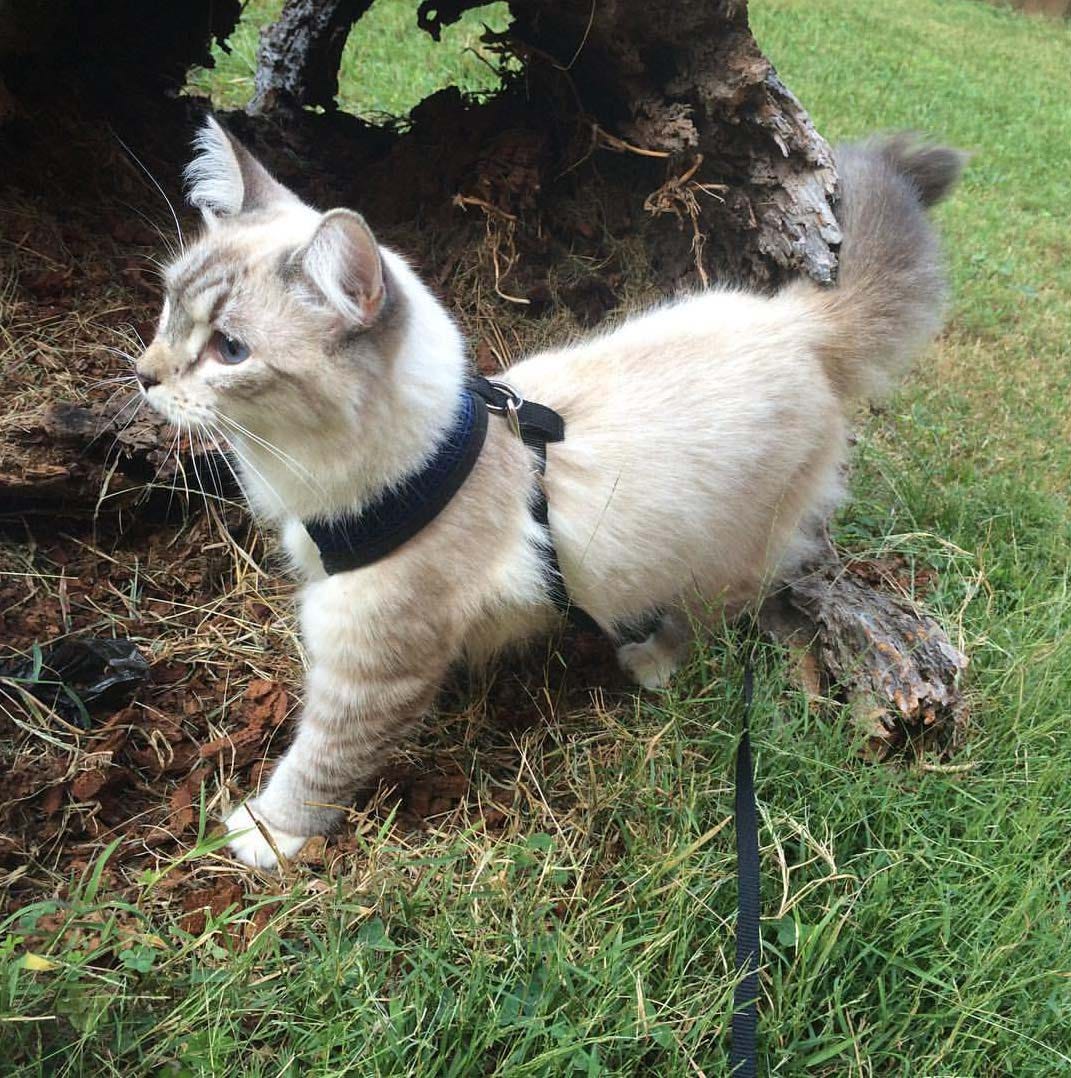
Cats are natural escape artists. A snug-fitting harness is crucial to prevent them from slipping out. Make sure the harness is tight enough that only two fingers can fit between it and your cat's body. Always test the harness inside before heading outdoors. Try gently tugging on the leash to ensure your cat cannot escape. Wouldn't it be disappointing to lose your adventurous kitty on the first outing? Consider using a harness designed specifically for cats, as they often have additional safety features. Always supervise your cat closely when they're on the leash. Keeping a watchful eye can prevent unexpected escape attempts.
Credit: medium.com
Safety Tips For Walking Cats
Training a cat to walk on a leash requires patience and gradual introduction. Start indoors with a comfortable harness, allowing your cat to adjust. Slowly introduce the leash, ensuring positive experiences with treats and praise.
Walking a cat on a leash may seem unusual to some, but it can be a rewarding experience for both you and your feline friend. However, ensuring safety during these adventures is crucial. Cats are naturally curious, and their instinct to explore can sometimes lead them into unsafe situations. Here's how you can make sure your cat enjoys a safe and delightful walk.
Monitoring Your Cat’s Behavior
Pay close attention to your cat's behavior while walking. Cats communicate their comfort through body language. If your cat seems agitated or frightened, it might be best to pause and reassess the situation. Look for signs such as raised fur, wide eyes, or an arched back. These can indicate your cat is stressed and needs a break. Watch for cues indicating your cat's interest or reluctance towards certain areas. If they seem hesitant to move forward, they might sense danger. Always let your cat set the pace to ensure they feel secure and comfortable.
Choosing Safe Walking Locations
Select locations that are quiet and free from traffic. Busy streets can be overwhelming for cats. Parks with designated walking paths are often ideal, as they provide ample space without the noise of passing cars. Consider areas with minimal dog traffic. While most dogs are friendly, their presence might stress your cat. If you're unsure about a location, scout it out first without your cat to assess potential hazards. Think about the surroundings as well. A place with dense shrubbery or tall grass might hide potential dangers, like snakes or other wildlife. Opt for open areas where you can easily spot any approaching threats. What unexpected challenges have you faced while walking your cat? Share your experiences and insights in the comments below!
Enjoying Leash Walks With Your Cat
Taking your cat for a walk can be a delightful experience. Cats love exploring new environments. Walking them on a leash keeps them safe while they satisfy their curiosity. These walks can strengthen your bond and provide fresh adventures for both of you.
Making Walks Enjoyable
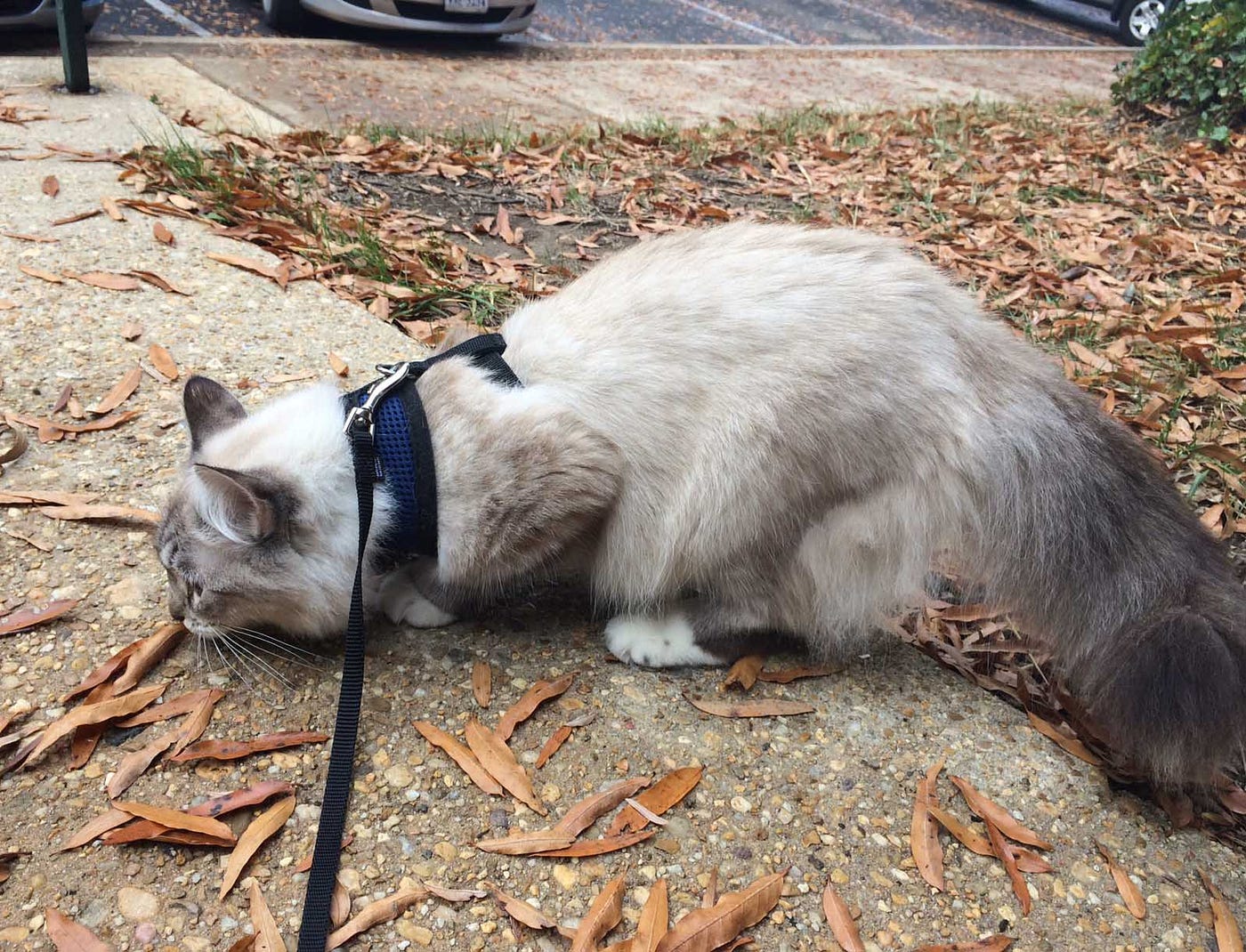
To make walks enjoyable, focus on your cat's comfort. Choose a harness that fits snugly but not too tight. Allow your cat time to adjust to wearing it indoors. Start with short walks in quiet areas. Gradually increase the distance and complexity of the route. Treats can encourage positive behavior. Carry a few to reward your cat for staying calm. Keep the pace slow, and let your cat take the lead.
Building A Routine
Consistency is key in leash training. Establish a regular schedule for walks. Try to walk your cat at the same time each day. This helps them anticipate and look forward to the adventure. Begin with short sessions, then slowly extend them. A familiar routine builds confidence and ensures your cat remains relaxed. Pay attention to your cat's cues. If they seem stressed, take a break or head home.

Credit: medium.com
Credit: medium.com
Frequently Asked Questions
How Hard Is It To Train A Cat To Walk On A Leash?
Training a cat to walk on a leash can be challenging. Cats are independent and may resist initially. Start slowly by introducing the harness indoors. Use treats and patience to encourage your cat. Consistent practice can help. Some cats adapt quickly, while others may take time or refuse altogether.
Is It A Good Idea To Walk Your Cat On A Leash?
Walking your cat on a leash can be a great idea. It provides physical exercise and mental stimulation. Ensure your cat is comfortable with the harness and leash. Start indoors before venturing outside. Always monitor your cat's behavior and surroundings for safety.
What Age Should I Start Leash Training My Cat?
Start leash training your cat at 8-12 weeks old. Young kittens adapt better to new experiences. Ensure a comfortable harness and gradually introduce outdoor walks. Early training fosters confidence and ease with the leash, making walks enjoyable. Consistent practice is key to successful leash training.
Is It Too Late To Harness Train My Cat?
You can train a cat to use a harness at any age. Start gradually, ensuring comfort and positive experiences. Use treats and gentle encouragement to create a positive association. Consistency and patience are key to success. Training a cat may take time, but it's never too late to start.
Conclusion
Training your cat to walk on a leash can be rewarding. Start with patience. Use treats and praise to motivate your cat. Keep training sessions short and enjoyable. Gradually increase the leash time as your cat gets comfortable. Always prioritize your cat's safety and comfort.
Walking on a leash offers your cat new experiences. It also strengthens your bond. Enjoy outdoor adventures together. Remember, every cat is unique. Tailor the training to your cat's needs and personality. With time, your cat may love these walks.
Happy training!