
Are you tired of those unexpected scratches from your beloved feline friend? You're not alone.
Many cat owners struggle with teaching their pets to keep their claws to themselves. But here's the good news: with the right approach, you can train your cat not to scratch you. Imagine the relief of playing with your cat without the fear of a sudden swipe.
This article is your essential guide to achieving a scratch-free bond with your kitty. You'll discover simple, effective techniques that cater to your cat's natural instincts, making the process smooth and stress-free for both of you. Dive in to unlock the secrets to a happier, scratch-free relationship with your cat!
Understanding Cat Behavior
Training a cat not to scratch involves understanding their natural instincts. Provide scratching posts to redirect their behavior. Use positive reinforcement, like treats, when they use these alternatives.
Understanding cat behavior is key to stopping your cat from scratching you. Cats are complex creatures, full of instinct and emotion. They have their own ways of communicating. By learning their habits, you can better understand them. This knowledge helps in guiding their behavior.
Natural Instincts
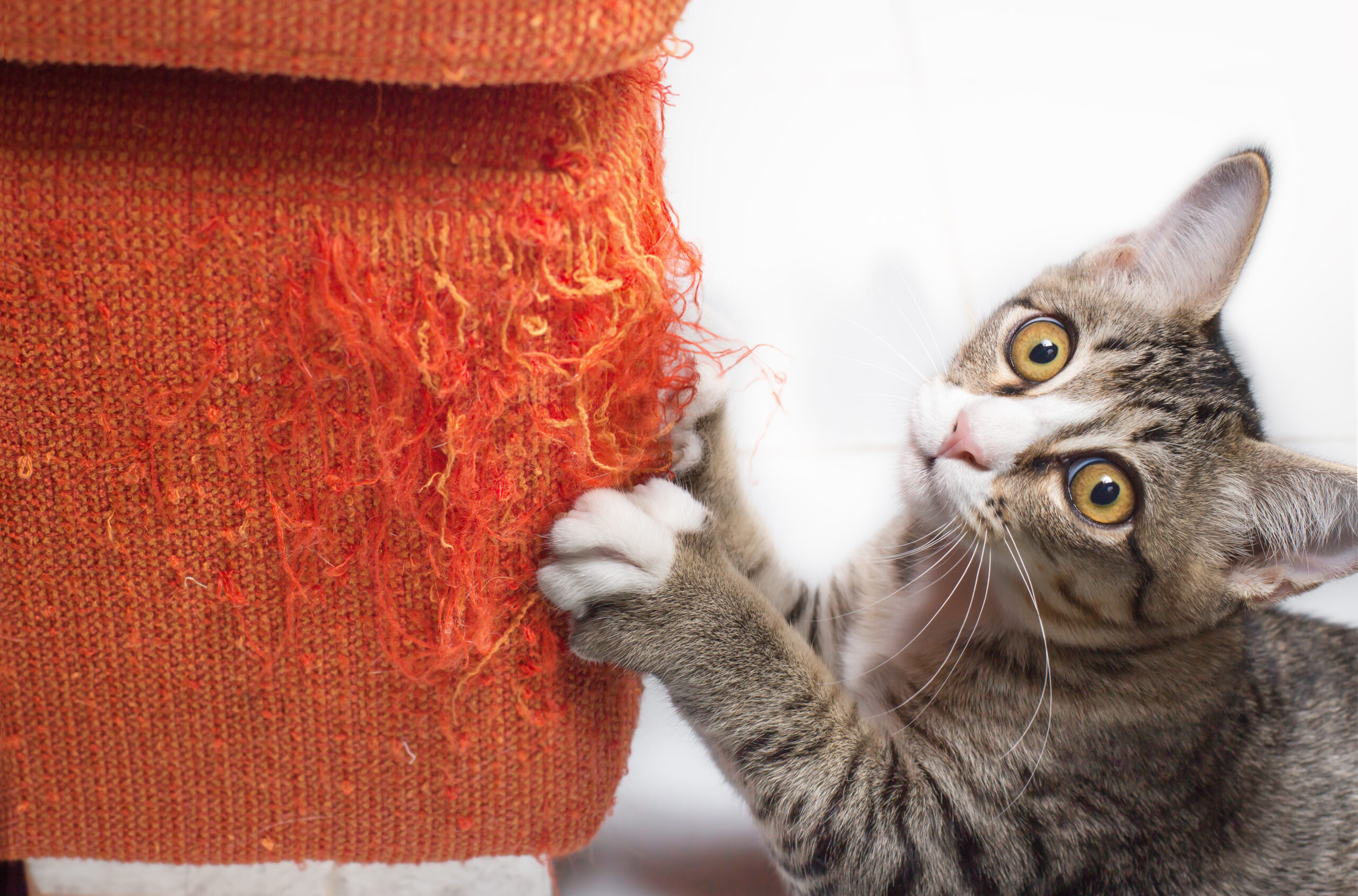
Cats scratch due to natural instincts. It’s part of their survival toolkit. Scratching helps keep their claws healthy and sharp. It also serves as a way to mark territory. Cats have scent glands in their paws. When they scratch, they leave both a visual mark and a scent. This tells other animals, "This space is mine." So, scratching is not just a habit. It's a deep-rooted need.
Communication Through Scratching
Scratching is also a form of communication. Cats use it to express emotions. A cat may scratch when happy or anxious. It’s their way to release pent-up energy. Sometimes, scratching is a call for attention. Your cat might want to play or be petted. Recognizing these signals helps in addressing their needs. Understanding these behaviors is crucial. It guides your training approach. It also strengthens the bond with your cat. Knowing why they scratch makes it easier to redirect their actions. With patience, you can train your cat to scratch in appropriate places.
Credit: berthoudanimalhospital.com
Creating A Safe Environment
Training a cat not to scratch involves patience and redirection. Provide scratching posts to divert their attention. Reward positive behavior with treats or affection.
Creating a safe environment for your cat is essential. It helps prevent unwanted scratching on your skin and furniture. Providing alternatives will keep your cat happy and your home intact. A safe environment reduces stress and satisfies your cat's natural instincts.
Setting Up Scratching Posts
Scratching posts should be easy to access. Place them in areas where your cat spends most of its time. Cats often scratch after waking up, so near sleeping areas is ideal. Ensure the post is stable and tall enough for stretching. A variety of posts can keep your cat interested.
Choosing The Right Materials
Materials matter for scratching posts. Cats prefer textures like sisal rope or fabric. Avoid slippery materials like plastic or metal. These don't satisfy a cat's need to scratch. Cardboard is also a good option for some cats. It provides a different texture and is affordable. Encouraging your cat to use these posts will reduce scratching on unwanted surfaces. Offer treats or praise when your cat uses the post. This reinforces positive behavior.
Using Positive Reinforcement
Positive reinforcement can help train your cat not to scratch you. Reward good behavior with treats or affection. Consistent praise encourages your cat to adopt gentle habits, reducing unwanted scratching.
Training a cat not to scratch you can be a rewarding journey. Positive reinforcement plays a vital role in this process. By using treats and affection, you can guide your feline friend to better behavior. This approach not only helps in reducing unwanted scratching but also strengthens your bond.
Reward-based Training
Cats respond well to rewards. Each time your cat refrains from scratching, offer a treat. Use small, tasty snacks that your cat loves. Praise them with a gentle voice. This creates a positive association with not scratching. Over time, your cat will prefer the reward over the scratch.
Consistency In Behavior Correction
Be consistent with your training efforts. Correct unwanted behavior immediately. Use the same techniques each time your cat scratches. This helps your cat understand what is expected. Consistency is key. Your cat will learn faster when you use the same approach. Stick with it, and soon your cat will scratch less.
Teaching Boundaries
Teaching cats not to scratch involves providing alternatives like scratching posts and using deterrents. Consistent training and positive reinforcement can guide them. Redirect their scratching behavior gently to create a scratch-free environment.
Teaching your cat boundaries can be a game-changer in preventing those unexpected scratches. Cats are naturally curious and sometimes don't understand personal space. Setting clear limits is key to a harmonious relationship. This process involves patience and consistency, but the rewards are worth the effort. How can you establish effective boundaries to keep those claws at bay?
Establishing Limits
Cats thrive on routine and consistency. Creating boundaries involves setting specific rules for areas or behaviors that are off-limits. For example, if your cat tends to scratch you during playtime, redirect their attention to toys. Use positive reinforcement to encourage good behavior. Treats and praise when they use a scratching post instead of your hand can go a long way. Consistency in your reactions helps your cat understand what is expected.
Effective Commands
Teaching your cat commands like "no" or "stop" can be incredibly effective. Use a firm but calm voice when your cat attempts to scratch. Over time, they will associate the command with the behavior you want to discourage. Ensure your commands are consistent and immediate. Timing is crucial; your cat needs to connect the command with the action. Consider using a short, sharp noise like a clap to grab their attention before issuing a command. This technique can enhance their learning process. Have you ever noticed how quickly cats respond to their name when it's associated with positive experiences? Use this same technique to reinforce boundaries and commands. Your consistency and patience will create a safer, more enjoyable space for both you and your feline friend.
Redirecting Scratching Behavior
Redirecting scratching behavior in cats involves understanding their needs. Provide scratching posts to protect your skin. Reward positive interactions and gently discourage unwanted scratching.
Redirecting scratching behavior in cats involves understanding and channeling their natural instincts. Cats scratch to mark territory, sharpen claws, and stretch muscles. It's essential to redirect this behavior in a way that satisfies their needs without causing damage or harm. By providing appropriate alternatives and engaging toys, you can keep both your cat happy and your home intact.
Alternative Activities
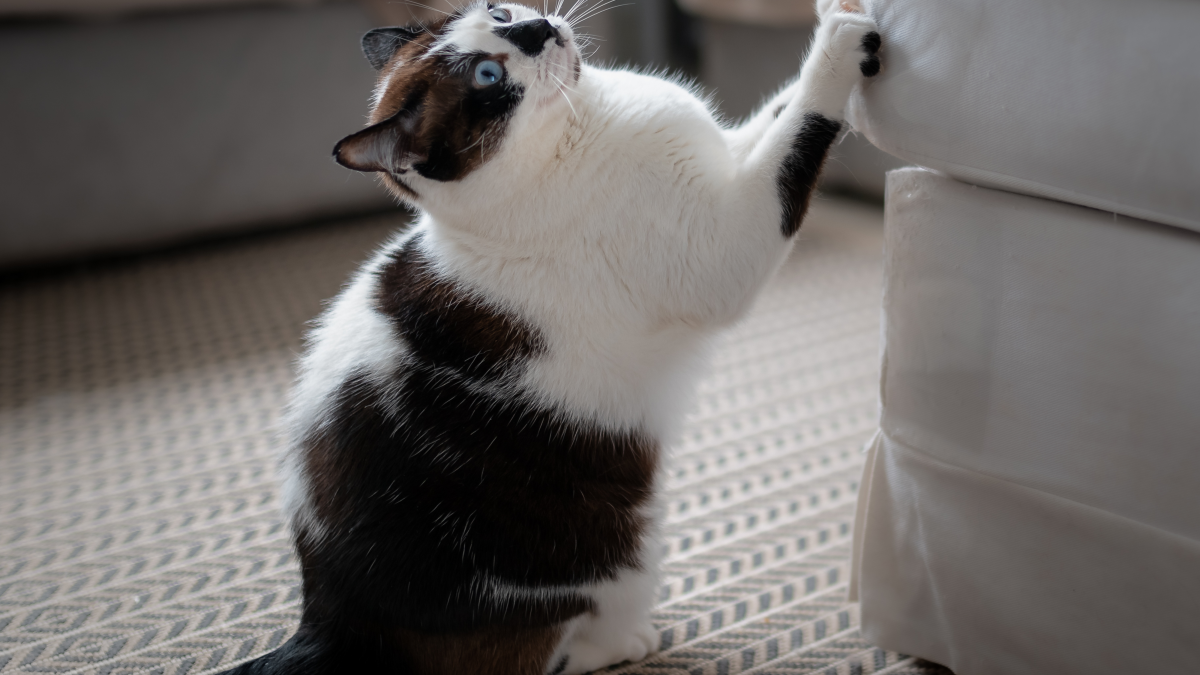
Offer a variety of scratching posts around the house. Place them near furniture your cat loves to scratch. This gives the cat a better option right where they need it. Choose posts with different materials like sisal, cardboard, and wood. Cats have preferences, so variety matters. Regularly trim your cat's claws. This reduces damage and lessens their need to scratch.
Engaging Toys
Interactive toys can capture your cat's attention and energy. Toys like feather wands and laser pointers are excellent. They engage your cat's natural hunting instincts. Puzzle feeders provide mental stimulation. They also reduce boredom and unwanted scratching. Rotate toys every few days. This keeps your cat interested and excited. A happy cat with plenty of play options is less likely to scratch you.
Credit: pethelpful.com
Handling Aggression
Training your cat not to scratch involves providing alternatives like scratching posts. Encourage use by placing them in favorite spots. Reinforce positive behavior with treats and praise.
Handling aggression in cats can be a perplexing challenge, especially when your furry friend seems to have a mind of their own. Cats, like humans, have their off days, and understanding their behaviors can help mitigate unwanted scratching. While it might feel frustrating, remember that patience and a gentle approach are key to building a trusting relationship with your cat. Let's delve into some effective strategies to address aggression.
Recognizing Triggers
Understanding what sets your cat off is crucial. Does your cat scratch more when new people visit? Or maybe it's during playtime when things get too intense? Identifying these triggers can help you anticipate and prevent aggressive behavior. You might notice certain sounds or movements that escalate your cat's aggression. Once you know what triggers the behavior, you can work on desensitizing your cat to these situations.
Calm And Gentle Interventions
When your cat starts showing signs of aggression, staying calm is essential. Loud reactions can scare them and worsen the situation. Instead, try speaking softly or using a gentle touch to redirect their attention. Offer toys or activities that allow them to channel their energy positively. Consider using a spray bottle with water as a last resort to deter aggressive actions. However, always prioritize gentle methods to foster a safe and loving environment. Remember, every cat is unique, and what works for one might not work for another. Have you tried different techniques that seem ineffective? Adjust and adapt until you find the right balance for your feline friend.
Maintaining Trust And Bond
Training a cat not to scratch involves patience and understanding. Offer scratching posts and reward good behavior with treats. Redirect scratching to toys, creating a positive environment for both you and your cat.
Maintaining Trust and Bond Creating a trusting bond is crucial for any cat-owner relationship. Understanding your cat's behavior helps nurture this trust. When you train your cat not to scratch, focus on positive interactions. These interactions build a stronger connection and enhance mutual respect. Your cat will feel secure and loved. This security is essential for effective training.
Building Positive Associations
Cats respond well to positive reinforcement. Offer treats when they use scratching posts. Praise them with a gentle voice. Create fun play sessions around these posts. This teaches your cat that scratching there is rewarding. Positive experiences lead to lasting habits. Use toys to guide their focus. Play sessions can distract them from scratching you. Consistency is key for building positive habits.
Avoiding Punitive Measures
Avoid punishment as it harms trust. Yelling or hitting frightens your cat. Fear can lead to more aggressive behavior. Use gentle redirection instead. Guide your cat to a scratching post when they misbehave. Offer calm verbal cues and rewards. This reinforces desired behavior without fear. Maintaining calm ensures your bond stays strong. Building trust requires patience and understanding.
Consulting Professionals
Cats can be delightful companions, but their scratching can be troublesome. Training them not to scratch you requires patience and understanding. Sometimes, despite your best efforts, professional help is needed. Consulting professionals can offer valuable guidance tailored to your cat's behavior.
When To Seek Help
Persistent scratching issues may need expert intervention. If your cat's scratching becomes aggressive or frequent, consider seeking help. Notice if the behavior persists despite training attempts. An expert can identify underlying causes you might miss. Professional help can prevent further issues and maintain harmony in your home.
Choosing A Qualified Expert
Selecting the right professional is crucial for effective solutions. Look for someone with experience in feline behavior. Check their credentials and past client reviews. A qualified expert will have a deep understanding of cat psychology. They should offer practical advice and strategies tailored to your situation. Ensure they communicate clearly and listen to your concerns.

Credit: www.amazon.com
Frequently Asked Questions
How To Teach Your Cat Not To Scratch You?
Use toys to divert your cat's attention from your hands. Trim their nails regularly to minimize scratches. Reward calm behavior with treats and positive reinforcement. Establish a safe space with scratching posts. Consistency in training helps your cat learn boundaries effectively.
How Do You Discipline A Cat For Scratching You?
Redirect the cat's behavior with a toy immediately. Use a firm voice to say "no" calmly. Trim claws regularly to prevent scratches. Provide scratching posts to satisfy natural instincts. Reward good behavior with treats or affection.
Can Cats Be Trained Not To Scratch People?
Yes, cats can be trained not to scratch people. Use positive reinforcement, offering treats for good behavior. Redirect their scratching to toys or scratching posts. Consistent training and patience are key. Avoid punishment, as it can lead to fear and stress.
Always reward calm interactions.
At What Age Do Cats Stop Clawing?
Cats never truly stop clawing, as it's a natural behavior. However, they might claw less frequently as they age. Providing scratching posts and regular nail trims can help manage clawing. Training and positive reinforcement can also reduce unwanted scratching.
Conclusion
Training your cat not to scratch can be challenging but doable. Use patience and consistency with your furry friend. Offer alternatives like scratching posts or toys. Praise your cat when it uses them. Consistent redirection helps reinforce good behavior. Avoid yelling or punishment, as it confuses your cat.
Remember, understanding your cat's needs is key. Be patient and gentle. Success takes time. With effort, you can enjoy a scratch-free relationship. Happy pet training!
