

Imagine the joy of exploring the world with your feline friend by your side. Training your cat to walk with a leash can open up a whole new world of adventure, keeping them safe while satisfying their curiosity.
You might be thinking, "Can my cat really learn to walk on a leash? " The answer is yes, and it's simpler than you might expect. By understanding your cat's behavior and using the right techniques, you can transform your indoor kitty into an outdoor explorer.
Leash training not only strengthens your bond but also enhances your cat's mental and physical health. You'll discover practical steps and tips to make leash training an enjoyable experience for both you and your cat. Let's dive into the fascinating world of leash training and unlock the secrets to a happier, healthier feline companion.
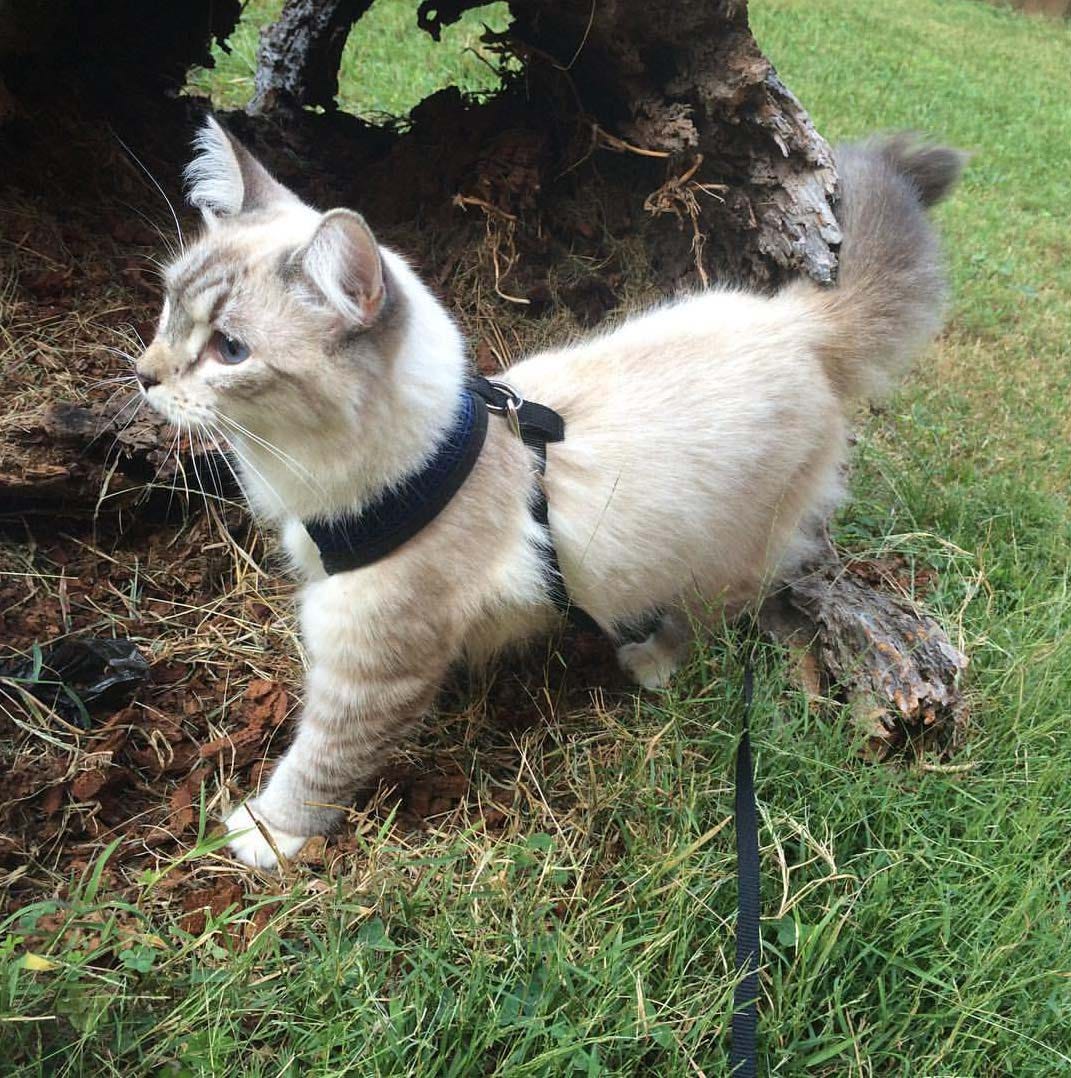
Credit: medium.com
Choosing The Right Leash And Harness
Training your cat to walk with a leash is an exciting adventure. But before you hit the trails, choosing the right leash and harness is crucial. A proper fit ensures your cat's comfort and safety while exploring the outdoors.
Types Of Harnesses
There are several types of harnesses available, each offering different levels of security and comfort.
- H-Style Harness:This harness offers a simple yet effective design that wraps around your cat’s body, providing a snug fit without restricting movement. It's a great option for beginners.
- Vest Harness:Designed like a mini vest, this type provides additional coverage and is often padded for extra comfort. Cats who dislike pressure on their necks may prefer this style.
- Figure-8 Harness:Known for its flexibility, this harness adjusts well to your cat's movements. However, it may not be as secure as other types, so it's best for calm cats.
What type of harness do you think your cat will feel most comfortable in?
Selecting The Suitable Leash
The leash you choose should complement the harness and suit your walking style.
- Standard Leash:A simple, straightforward choice often made of nylon or leather. It provides control without being too restrictive.
- Retractable Leash:Offers more freedom for your cat to explore, but requires careful supervision to avoid tangles. It's ideal for open spaces.
- Bungee Leash:This type absorbs shock, reducing strain if your cat suddenly darts. It’s perfect for energetic cats who like to sprint.
Consider where you'll be walking your cat. Will a standard leash suffice, or do you need the flexibility of a retractable one?
Preparing Your Cat
Training a cat to walk with a leash requires patience and a gentle approach. Start by letting your cat get familiar with the harness indoors. Gradually introduce the leash, allowing your cat to explore at its own pace.
Preparing your cat to walk with a leash is an essential step that sets the stage for a smooth transition from a cozy indoor life to the exciting world outside. The process requires patience and understanding, as each cat has its unique personality and comfort level. By taking small, deliberate steps, you can help your feline friend embrace this new adventure.
Getting Your Cat Comfortable
Begin by introducing the idea of a leash gradually. Place the leash and harness in a spot where your cat often spends time. Let them sniff and explore these new items at their own pace. Reward them with treats and affection when they show interest. This positive reinforcement creates a good association with the leash and harness. Observe your cat's reaction. Are they curious, or do they seem anxious? Your cat's body language will guide you on when to move forward or take a step back.
Familiarizing With The Harness
Choose a harness that fits your cat snugly but comfortably. Test the fit by ensuring you can slip two fingers between the harness and your cat’s body. Gently place the harness on your cat while they are calm. Perhaps when they're relaxing in their favorite sunny spot. Allow them to wear the harness for short periods inside the house. Gradually increase the duration as they get used to the sensation. Use treats and praise to make wearing the harness a positive experience. This approach will help your cat feel at ease. Have you ever noticed how your cat reacts to new experiences? Understanding their behavior will make leash training a rewarding journey for both of you.
Introducing The Leash
Introducing a leash to your cat may seem daunting, but with patience and the right approach, it can be a rewarding experience. Cats, known for their independent nature, might initially resist the idea of walking with a leash. However, with gentle encouragement and some creative tactics, your feline friend might surprise you with how quickly they adapt. Ready to give it a try? Let's dive into the process of introducing the leash to your cat.
Attaching The Leash
Begin by selecting a comfortable harness for your cat. It should fit snugly but not too tight. The goal is to ensure your cat feels secure without feeling restricted. Spend some time just letting your cat wear the harness around the house. This helps them get used to the sensation.
Once your cat appears comfortable with the harness, it's time to attach the leash. Start by letting your cat explore the leash itself. Lay it on the ground and allow your cat to sniff and inspect it. This can help reduce any anxiety or fear they may have.
Gently attach the leash to the harness while your cat is in a relaxed state. Avoid any sudden movements and offer treats to create positive associations. Remember, patience is key. If your cat shows signs of distress, take a step back and try again later.
Practicing Indoors
Before venturing outside, practice walking indoors. This controlled environment allows your cat to get used to the sensation of being guided. Start in a familiar area where your cat feels safe.
Encourage your cat to walk with you by using treats or toys as motivation. Short sessions are best; keep them fun and engaging to maintain your cat’s interest. Praise and reward your cat frequently to reinforce good behavior.
Have you ever noticed how your cat responds to different surfaces? Try walking on various indoor surfaces like carpet and tiles to see how your cat reacts. This will prepare them for the diverse textures they’ll encounter outside.
What challenges have you faced while training your cat to walk on a leash? Share your experiences and learn from others who’ve embarked on this journey. With patience and practice, your cat can enjoy the great outdoors safely by your side.

Credit: lifeandcats.com
Venturing Outdoors
Teaching a cat to walk with a leash opens new adventures outdoors. Start indoors with familiar surroundings. Gradually introduce the leash, allowing your cat to explore at its own pace.
Venturing Outdoors Taking your cat outside for a walk can be an exhilarating experience for both of you. It's an opportunity for your feline friend to explore new sights, sounds, and smells. However, ensuring this venture is both safe and enjoyable requires a bit of planning and patience.
Choosing The Right Location
Start by selecting a quiet, secure area free from loud noises and traffic. A small backyard or a calm, secluded park can be ideal. Ensure the area is free from potential dangers like aggressive dogs or toxic plants. Consider the time of day. Early mornings or late afternoons are usually cooler and less crowded, providing a more relaxed atmosphere for your cat. Always keep an eye on your cat's body language. If they seem anxious, retreat to a more familiar environment or try again another day.
Short Outdoor Sessions
Begin with brief outings to avoid overwhelming your cat. Ten to fifteen minutes is a good starting point. Gradually increase the duration as your cat becomes more comfortable. Watch for signs of stress or fatigue. If your cat starts to flatten their ears or flick their tail rapidly, it's time to head back indoors. Use these short sessions to reinforce positive behavior with treats and praise. This helps your cat associate outdoor time with enjoyable experiences. Remember, patience and consistency are key. Does your cat have a favorite toy or treat that could make outdoor sessions even more enjoyable?
Encouraging Positive Behavior
Training a cat to walk with a leash encourages positive behavior and strengthens your bond. Begin slowly, allowing your cat to explore the harness indoors. Gradually introduce the leash, rewarding calm behavior with treats and praise.
Training a cat to walk with a leash can be a rewarding experience, but it requires patience and a positive approach. Encouraging positive behavior is key to making your cat feel comfortable and willing to explore the world outside. Cats, unlike dogs, are more independent and may take a bit longer to adjust to new activities. However, with the right encouragement, your feline friend can become an eager participant in your outdoor adventures.
Using Treats And Praise
The use of treats is a powerful tool in reinforcing positive behavior. Whenever your cat shows even the slightest interest in the leash or harness, offer a small treat. This creates a positive association and motivates your cat to engage further. Pair treats with verbal praise to amplify the positive reinforcement. Use a cheerful and calm voice to let your cat know it's doing great. This can be as simple as saying "Good job!" or "You're doing amazing!" Your cat will start associating the leash with something enjoyable, making the training process smoother.
Avoiding Negative Reinforcement
Negative reinforcement can hinder progress and make your cat fearful of the leash. Avoid scolding or showing frustration when your cat resists the leash. This could create a negative association and make future training sessions more difficult. Instead, be patient and understanding. If your cat seems stressed, take a step back and give it some space. Remember that every cat is different, and some may take longer to adjust. Would you rather rush the process or allow your cat to feel secure and happy? Patience and positivity will pave the way for successful leash training.
Troubleshooting Common Issues
Training a cat to walk on a leash can be an exciting adventure, but like any skill, it comes with its challenges. As you embark on this journey with your feline friend, you might encounter some common issues. Understanding how to navigate these obstacles will not only make the process smoother but also strengthen the bond between you and your cat.
Handling Fear And Anxiety
Cats are naturally cautious creatures, and new experiences can trigger anxiety. The sight of a leash might be intimidating for your cat initially. Try leaving the leash near their favorite spot, allowing them to sniff and investigate it at their own pace. Gradually, they will start associating the leash with positive experiences.
If your cat shows signs of fear—such as hiding or excessive meowing—take a step back. Use treats to create positive associations. Would they respond better to a calm voice or gentle petting? Experiment to see what works best for your feline.
Remember, patience is key. Consider how you would feel in their position. Would you rush into something unfamiliar, or take your time? Allow your cat the same courtesy.
Dealing With Stubbornness
Some cats are naturally more stubborn, and getting them to cooperate might require extra effort. If your cat refuses to move with the leash, resist the urge to pull or force them. Instead, encourage them with their favorite toys or treats.
Think about what motivates your cat. Is it a particular treat or toy? Use these to entice them forward. Sometimes, a change of environment—like moving from indoors to a quiet backyard—can inspire them to move.
Have you ever tried a different approach when faced with stubbornness? Consider what might work for your cat, and adjust your tactics accordingly. Could a gentle nudge be more effective than a firm pull?
Building Routine And Consistency
Establishing a routine helps cats feel secure while learning to walk with a leash. Start with short indoor sessions daily. Gradually increase time and introduce outdoor walks for consistent progress.
Building routine and consistency is essential in training your cat to walk with a leash. Cats thrive on predictability, and establishing a regular routine can help them feel secure. It also reinforces positive behavior, making the training process smoother.
Establishing A Walking Schedule
Creating a walking schedule helps your cat adapt to the new activity. Start by choosing the same time every day for walks. This builds anticipation and helps your cat prepare mentally. Keep walks short initially, around 10-15 minutes. Gradually increase the duration as your cat becomes comfortable. Consistent timing creates a habit, making it easier for your cat to adjust.
Maintaining Patience And Persistence
Patience is key when training your cat to walk with a leash. Cats may resist initially, showing reluctance or hesitation. Use positive reinforcement to encourage them. Offer treats or gentle praise when they show progress. Persistence pays off as your cat learns to trust the leash. Keep calm and avoid rushing the process. Celebrate small victories to boost your cat's confidence.

Credit: threechattycats.com
Frequently Asked Questions
How Hard Is It To Train A Cat To Walk On A Leash?
Training a cat to walk on a leash can be challenging. Patience and consistency are key. Start indoors with short sessions. Use treats for positive reinforcement. Gradually introduce outdoor walks. Some cats adapt quickly, while others resist. Always ensure your cat feels safe and comfortable.
What Age Can You Start Leash Training A Cat?
You can begin leash training a cat at 8-12 weeks old. Start slowly and use positive reinforcement. Ensure your cat feels comfortable with the harness before venturing outside. Early training helps your cat adapt better, making walks enjoyable and safe.
Always supervise your cat during outdoor adventures.
Is It A Good Idea To Walk Your Cat On A Leash?
Walking your cat on a leash can be beneficial for exercise and mental stimulation. Ensure your cat is comfortable and trained for leash walking. Use a harness rather than a collar to prevent injury. Always supervise your cat outdoors and choose quiet areas to avoid stress.
How Do You Train A Cat To Go Outside And Come Back?
Gradually introduce your cat to the outdoors using a harness. Reward returning with treats and praise. Use consistent commands. Ensure the environment is safe and secure. Establish a routine for outdoor time. Supervise initially to build confidence and trust. Repetition and patience are key to successful training.
Conclusion
Teaching your cat to walk with a leash is rewarding. Patience is key during the process. Start slow and let your cat adjust. Use treats to encourage positive behavior. Consistency helps build your cat's confidence. Celebrate small successes along the way.
Gradually, your cat will enjoy the adventure. Remember, each cat learns at its own pace. Respect their comfort and boundaries. Make leash training a fun bonding experience. With time, both you and your cat will relish these walks. Enjoy this new journey together!