
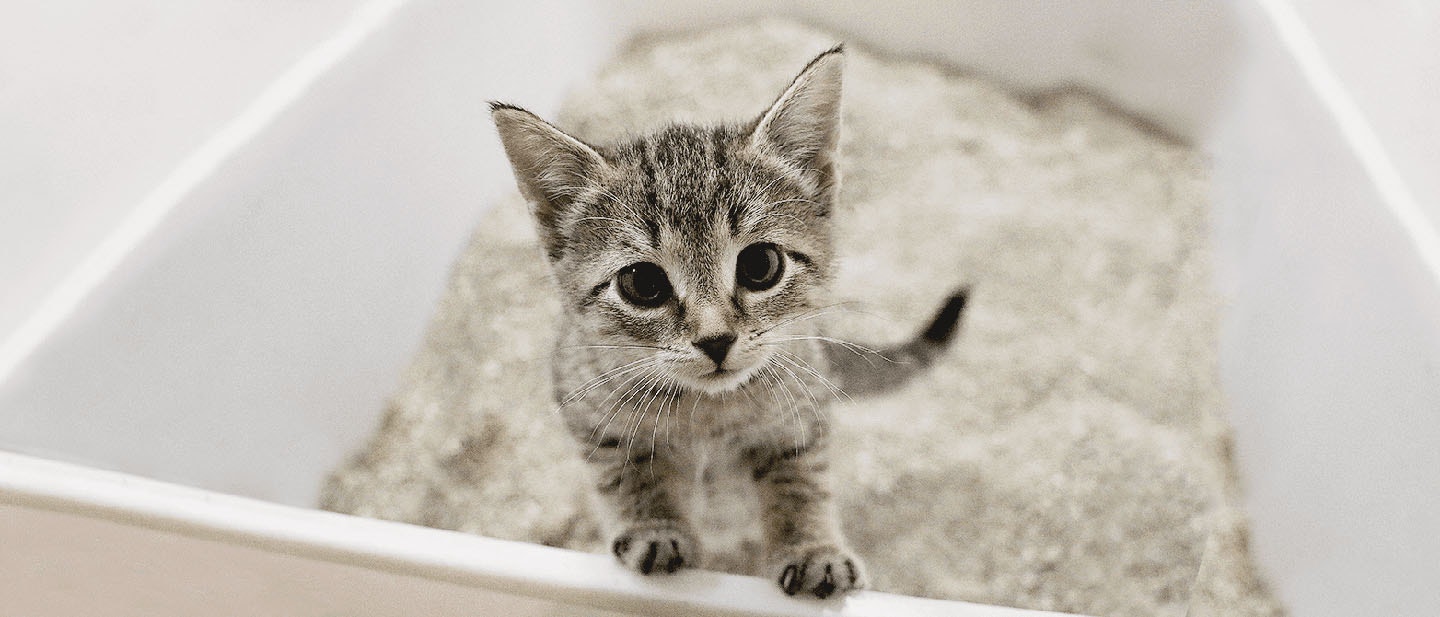
Imagine a cleaner home and a happier pet. Training your cat to use the litter box is easier than you might think, and it can transform your daily life.
You’re not alone in seeking a hassle-free solution for your feline friend’s bathroom habits. Many cat owners face the same challenge, but with the right approach, you can achieve success and peace of mind. This guide will show you simple, effective steps to make the process stress-free for both you and your cat.
Ready to discover how you can turn this daunting task into a rewarding experience? Let's dive in.
Choosing The Right Litter Box
Choosing the right litter box is a crucial step in training your cat to use it effectively. The ideal litter box caters to your cat’s needs and preferences, making the transition smooth and stress-free. Investing time in selecting the perfect one can lead to a happier pet and a cleaner home.
Size And Design Considerations
Size matters significantly when it comes to litter boxes. Your cat should have ample space to turn around and dig comfortably. If your cat feels cramped, they might avoid using it altogether.
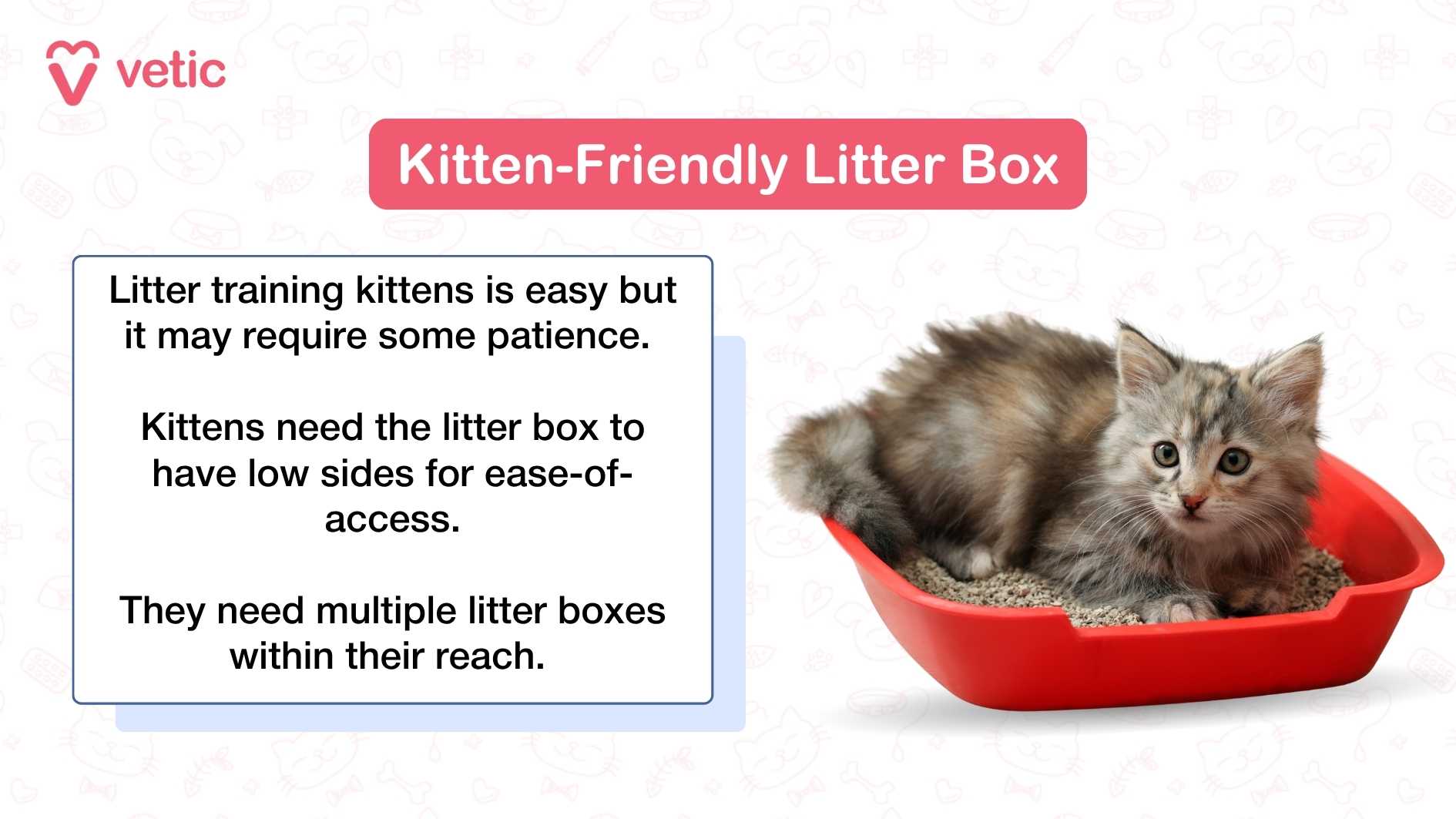
Consider the age and size of your cat. A small kitten will require a box with low sides for easy access, while a larger cat needs a more spacious box. As a rule of thumb, the box should be at least one and a half times the length of your cat.
Design plays a role too. Some cats prefer boxes with high sides to prevent litter spillage, while others might like a ramp or entryway to ease access. Reflect on your cat's habits and pick accordingly.
Covered Vs. Uncovered Options
The debate between covered and uncovered litter boxes is a hot topic among cat owners. Covered boxes offer privacy, which some cats appreciate, and they contain odors better. However, they can trap smells inside, making it unpleasant for the cat.
Uncovered boxes provide an open environment that might be more inviting for cats who dislike feeling confined. They also allow you to monitor cleanliness easily. If your cat tends to kick litter out, you might need a high-sided uncovered box.
Observe your cat’s behavior and see what they naturally prefer. You might be surprised by how much your cat’s comfort level can influence their litter box habits. What would make your cat feel at ease while maintaining your household's cleanliness?
Credit: vetic.in
Selecting Cat-friendly Litter
Choosing the right litter for your cat is essential. It affects their comfort and your home’s cleanliness. With various options available, selecting cat-friendly litter can be overwhelming. Understanding different types helps make the right choice.
Types Of Litter Materials
Several litter materials exist, each with unique benefits. Clay litter is popular and affordable. It clumps well and controls odor effectively. However, it can be dusty and heavy. Silica gel litter absorbs moisture and controls odor. It's lightweight and lasts longer. Some cats dislike its texture.
Biodegradable options include corn, wheat, and paper. These are eco-friendly and often dust-free. They may need frequent changes to maintain odor control. Each cat has unique preferences. Testing different materials can find the perfect match.
Scented Vs. Unscented Choices
Scented litter masks odors with added fragrances. Some cats may find these smells unpleasant. It might discourage them from using the litter box. Unscented litter focuses on natural odor control. It is ideal for sensitive cats.
Consider your cat’s sensitivity to smells. Observe their reaction to different scents. Unscented options often prevent litter box avoidance. A happy cat uses their litter box consistently.
Ideal Litter Box Placement
Place the litter box in a quiet, easily accessible spot. Ensure it's away from food and water dishes. Choose a location with minimal foot traffic to make your cat comfortable.
Finding the ideal litter box placement is crucial for ensuring your cat feels comfortable and confident using it. Cats are naturally clean creatures, and providing them with the right environment can significantly reduce accidents and behavioral issues. The placement of the litter box can make all the difference in creating a stress-free zone for your feline friend. Let's dive into some essential considerations to optimize the location of your cat's litter box.
Privacy And Accessibility
Cats value their privacy just like humans do. They need a quiet and secluded spot to do their business without feeling exposed. Place the litter box in a location that offers some degree of privacy. A corner in a quiet room or behind a piece of furniture can be ideal. Ensure that the area is easily accessible. Your cat should not have to navigate obstacles or go through doors to reach the litter box. Think about your cat's age and agility. Older cats or those with mobility issues need a spot that's easy to reach without climbing stairs.
Avoiding High-traffic Areas
High-traffic areas can be overwhelming for cats. The hustle and bustle of busy hallways or kitchens can deter them from using the litter box. Choose a quiet space away from frequent foot traffic. This helps your cat feel secure and focused during their private moments. Consider noise levels as well. Loud appliances or frequent disturbances can create stress and lead to avoidance. Reflect on your home layout. Is there a quieter room or a lesser-used space that might serve as a peaceful retreat for your cat's litter box? A thoughtful placement not only encourages consistent use but also contributes to a cleaner and happier home environment.
Introducing The Litter Box
Training a cat to use the litter box involves patience and consistency. Place the box in a quiet, accessible area. Introduce your cat to it, gently guiding them if needed.
Introducing your cat to the litter box is an essential step in their training journey. This process sets the foundation for their hygiene habits and helps them settle comfortably into their new home. Patience and understanding are key, as each cat is unique and may require different approaches.
Gradual Introduction Techniques
Start by placing the litter box in a quiet, accessible location. Cats appreciate privacy and a low-traffic area can make them feel more comfortable. It's also important to choose a spot that's easy for them to access. Consider using a small, confined space like a bathroom initially. This limits distractions and encourages your cat to focus on the litter box. Gradually introduce them to other areas of the house once they're accustomed to using it. Sometimes, it helps to gently place your cat in the litter box after meals or naps. This natural timing can encourage them to use it. Remember, consistency is crucial in helping your cat form habits.
Using Positive Reinforcement
Positive reinforcement is a powerful tool in training your cat to use the litter box. Reward them with treats or praise whenever they use it correctly. This creates a positive association with the litter box. Avoid scolding or punishing your cat for accidents. Negative reactions can create fear and stress, making training more difficult. Instead, focus on reinforcing the behavior you want to see. Consider keeping a few favorite toys near the litter box. This can encourage your cat to approach it willingly. Curiosity often leads them to explore, and toys can make the litter box area more inviting. Have you tried using catnip as an incentive? Sprinkling a little in the litter box can attract your cat and make the experience more enjoyable. It's all about making the litter box a place they feel comfortable and happy to use.
Maintaining Cleanliness
Maintaining cleanliness in your cat's litter box is crucial not only for your cat's health but also for the comfort of your home. A clean litter box encourages your feline friend to use it consistently, preventing accidents and ensuring a pleasant environment for everyone. Let's dive into effective strategies to keep your cat's litter box clean and odor-free.
Regular Cleaning Schedule
Establishing a regular cleaning schedule is key to preventing litter box issues. Scoop out waste at least once a day. This ensures the box remains inviting for your cat and keeps odors at bay.
Consider deep cleaning the litter box weekly. Empty all the litter, wash the box with mild soap and water, and dry it thoroughly before adding fresh litter. This routine helps maintain a hygienic space for your pet.
Consistency is your friend here. Just like you wouldn't skip cleaning your bathroom, don't skip cleaning your cat's litter box. It takes just a few minutes, but the benefits are worth it.
Managing Odors Effectively
Odors can be a major deterrent for cats and humans alike. Using odor-control litter can make a significant difference. Look for brands that offer clumping action and added odor-neutralizing ingredients.
Another effective strategy is to place a small dish of baking soda near the litter box. This natural deodorizer absorbs smells without overpowering your cat's sensitive nose.
Ever wondered if location plays a part in odor control? Avoid placing the litter box in humid or damp areas, as these can amplify smells. Choose a well-ventilated spot instead, ensuring fresh air circulation helps keep odors in check.
Troubleshooting Common Issues
Training a cat to use a litter box can sometimes be tricky. Address common issues like location choice and cleanliness to help your feline friend adjust smoothly. Patience and consistency are key in making this transition successful.
Training a cat to use the litter box can sometimes be a journey filled with unexpected challenges. Even the most meticulous cat owners can encounter issues that need addressing. But don't worry—understanding these common problems and knowing how to tackle them can make a world of difference.
Addressing Litter Box Avoidance
It's frustrating when your cat seems to avoid the litter box altogether. This behavior can often stem from simple yet overlooked reasons. Ensure the litter box is always clean, as cats are sensitive to odors. Consider the type of litter you are using. Some cats have preferences for finer or coarser textures. Experiment with different types until you find one your cat prefers. Location is also key. Place the litter box in a quiet, easily accessible spot away from noisy appliances. If your cat feels safe and comfortable, they're more likely to use it.
Dealing With Multi-cat Households
Managing litter boxes in a home with multiple cats requires strategy. Cats are territorial and might refuse to share a box. A good rule of thumb is to have one litter box per cat, plus an extra. Place litter boxes in different areas of your home. This reduces competition and territorial disputes. Monitor interactions between your cats. If one cat is bullying another away from the box, it might be time to create separate spaces for each cat to do their business. Have you ever noticed a sudden change in your cat's litter box habits? It could be a sign of stress or a health issue. Keep an eye on your furry friend and consult a vet if necessary.
Advanced Training Tips
Teaching a cat to use a litter box involves patience and consistency. Begin by placing the box in a quiet, accessible location. Gradually lead your cat to it after meals and naps, encouraging familiarity and routine.
Training a cat to use the litter box can sometimes require more advanced strategies, especially if your feline friend is resistant or has specific habits. By understanding the differences between kittens and adult cats, and leveraging modern technology, you can make the process smoother and more successful. Let's dive into some advanced training tips to help your cat become a litter box pro.
Training Kittens Vs. Adult Cats
Training kittens is often easier because they are naturally curious and adaptable. They are like sponges, ready to absorb new habits. Start by placing them in the litter box after meals and naps. Adult cats, on the other hand, might need a bit more patience. They may have pre-existing habits that need to be gently redirected. Gradually introduce them to the litter box, using positive reinforcement like treats and praise.
Using Technology And Gadgets
In today's tech-savvy world, why not use gadgets to aid in training? Self-cleaning litter boxes can make the experience more pleasant for both you and your cat. Some even have sensors that detect when your cat uses them, ensuring a clean environment every time. Apps that track your cat’s habits can provide valuable insights. You might discover patterns in their behavior, helping you adjust your training techniques. Have you considered using a camera to monitor their behavior around the litter box? It can help identify any issues or hesitations your cat might have. Remember, training your cat is a journey, not a race. Are you ready to embrace technology and new strategies to improve your cat's litter box habits?

Credit: www.melbournecatvets.com.au

Credit: www.instagram.com
Frequently Asked Questions
How Long Does It Take To Train A Cat To Use A Litter Box?
Training a cat to use a litter box typically takes about one to two weeks. Kittens often learn faster, while older cats might require more patience. Ensure the litter box is clean and accessible to encourage quicker adaptation. Consistency and positive reinforcement are key to successful training.
How Do I Get My Cat To Use Its Litter Box?
Place the litter box in a quiet, accessible area. Keep it clean by scooping daily. Use unscented litter and ensure the box is the right size. Encourage your cat by gently placing it in the box after meals. Reward positive behavior with treats.
How Do I Encourage My Cat To Pee In The Litter Box?
Place the litter box in a quiet, accessible location. Keep it clean and odor-free. Use unscented litter. Reward your cat with treats after using it. Ensure your cat feels safe and comfortable around the box.
What Is The Fastest Way To Litter Train A Kitten?
Place the litter box in a quiet, accessible area. Use unscented litter and clean regularly. Encourage the kitten with gentle praise and treats. Show the kitten where the litter box is and let it explore. Be patient and consistent, ensuring the box is always easy to find.
Conclusion
Training your cat to use the litter box takes patience. Cats are smart and learn quickly with consistent guidance. Start with a clean box and the right litter. Place the box in a quiet area. Encourage your cat to explore it.
Positive reinforcement helps. Reward successes with treats and praise. Keep the litter box clean daily. This prevents accidents and keeps your cat happy. With time, your cat will feel comfortable using the box. Remember, every cat is unique. Adjust your approach based on your cat's needs.
Happy training and enjoy a clean home!