

Is your beloved cat turning your carpet into their personal scratching post? You're not alone.
Many cat owners face the frustrating challenge of keeping their furry friends from shredding carpets to bits. But don't worry, there's hope! Imagine walking into your living room and seeing your carpet intact, free from those pesky claw marks. You can have a peaceful home and a happy cat at the same time.
You'll discover simple and effective strategies to train your cat not to scratch the carpet. These tips are designed with both your needs and your cat's natural instincts in mind. Ready to reclaim your carpets and keep your feline content? Let's dive in and transform your home into a scratch-free zone.
Why Cats Scratch
Cats scratch to sharpen claws, mark territory, and stretch muscles. Train them by providing scratch posts and rewarding good behavior. Redirect their attention to toys and deter carpet scratching with deterrent sprays.
Cats scratching your carpet can be frustrating, but understanding why they do it is the first step toward finding a solution. Scratching is a natural behavior for cats, deeply rooted in their instincts and daily needs. Let's explore the reasons behind this behavior to help you better address the issue.
Natural Instincts
Scratching is an innate behavior in cats. It's something they do instinctively from a young age. Cats scratch to remove the outer layer of their claws, revealing a sharp new surface underneath. This behavior is similar to a human habit like nail biting or hair twirling. Have you ever noticed how a cat stretches and scratches simultaneously? It's a primal urge that helps them prepare their claws for hunting, even if they're just hunting toy mice.
Health Benefits
Scratching offers significant health benefits for cats. It acts as a form of exercise, helping them stretch and flex their bodies. This physical activity is crucial for maintaining muscle tone and joint health. Imagine not being able to stretch your muscles after a long nap—cats feel the same way. Scratching also helps them relieve stress and anxiety. Providing a healthy outlet for this behavior can improve their overall well-being.
Territory Marking
Cats are territorial creatures, and scratching is one way they mark their territory. When a cat scratches, they leave both a visual mark and a scent mark from glands in their paws. This dual marking system is a message to other animals: "This is my space." If your cat is scratching the carpet, it might be because they see it as part of their territory. You might find that they focus on specific areas, like entrances or exits to rooms. Understanding this can guide you in providing alternative scratching options that fulfill their territorial needs. As you explore these reasons, think about how you can redirect your cat's natural behavior in a way that satisfies their instincts while protecting your carpet. What alternatives can you offer that mimic the satisfying sensation of carpet under their claws?

Credit: www.amazon.com
Choosing The Right Scratching Post
A sturdy scratching post helps train your cat to avoid the carpet. Choose one with a texture they love. Place it near their favorite scratching spots for better success.
Choosing the right scratching post is essential for cat training. Cats have a natural urge to scratch. Redirecting this behavior to a post protects your carpet.
Types Of Scratching Posts
Different types of scratching posts cater to cat preferences. Vertical posts are popular. They mimic tree trunks. Horizontal boards are another option. They appeal to cats that scratch carpets. Some posts combine both styles. Consider your cat's habits before buying.
Placement Strategies
The placement of a scratching post is crucial. Put it near areas your cat likes to scratch. Place one near their sleeping spot. Cats often scratch after waking. A visible spot encourages use. Keep it accessible and inviting.
Material Preferences
Cats have specific material preferences. Sisal rope is durable. It provides a satisfying texture. Carpet-covered posts might confuse cats. They resemble floor carpets. Cardboard scratchers are affordable. They are great for shredding fun. Offer different materials to find your cat's favorite.
Positive Reinforcement Techniques
Training a cat not to scratch the carpet involves rewarding good behavior. Offer treats when they use a scratching post. Redirect their attention consistently to encourage positive habits.
Training a cat not to scratch the carpet can be challenging. Positive reinforcement techniques are effective in changing this behavior. They focus on rewarding desired actions, encouraging your cat to repeat them. Patience and consistency are vital in this process. Let's explore some effective methods to guide your feline friend.
Rewarding Good Behavior
Praise your cat when it uses the scratching post. This reinforces the idea that using the post is good. A gentle pat or verbal praise works well. Make this a habit to encourage the behavior.
Using Treats And Toys
Offer treats when your cat scratches the post instead of the carpet. This can be a small piece of their favorite snack. Toys are also effective. Engage your cat with toys near the scratching post. This draws their attention away from the carpet. Use toys that mimic prey to keep them interested.
Consistency Is Key
Consistent actions help reinforce learning. Always reward your cat immediately after the desired behavior. This strengthens the connection between action and reward. Keep the environment consistent, too. Place the scratching post in a convenient location. This increases the chance your cat will use it. Using these techniques can guide your cat to better habits. Be patient and persistent. Your efforts will lead to a happier home for you and your pet.
Deterrents And Alternatives
Use deterrents like double-sided tape or citrus sprays to keep cats away from carpet areas. Provide scratching posts as alternatives, ensuring they are appealing with textures cats enjoy.
Training a cat not to scratch the carpet can seem like a daunting task. But with the right deterrents and alternatives, you can guide your feline friend towards more acceptable behaviors. It's about understanding their instincts and offering them better options.
Safe Deterrents
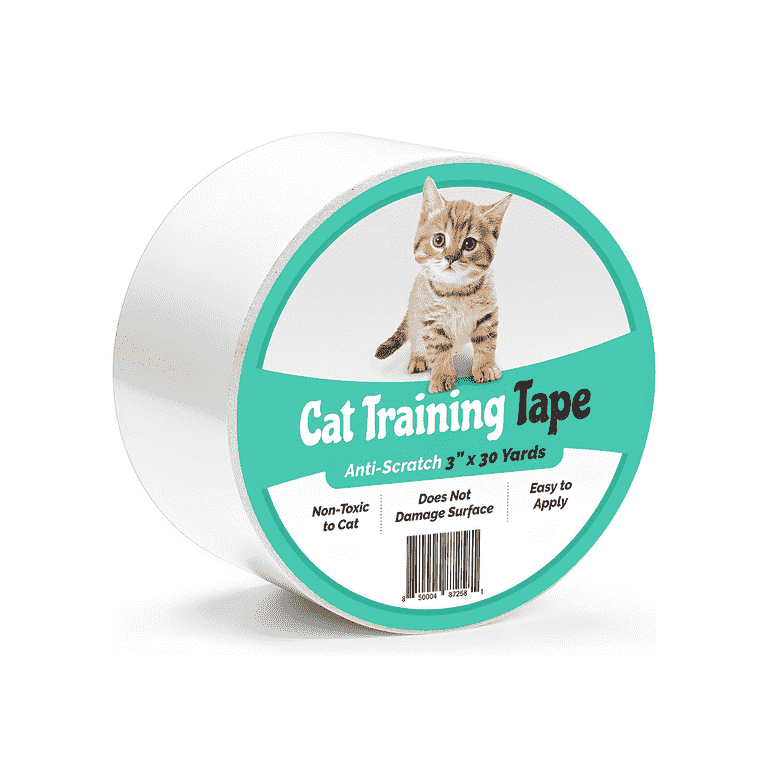
To discourage your cat from scratching the carpet, you can use safe deterrents. Double-sided tape is an effective option because cats dislike the sticky sensation under their paws. You could also use a motion-activated spray to surprise them gently when they attempt to scratch. Another popular choice is a cat deterrent spray designed to keep them away from certain areas. These sprays often have scents that cats find unpleasant but are harmless to them. Ensure that any product you use is specifically formulated for pets.
Alternative Surfaces
Providing alternative surfaces for your cat to scratch is essential. Consider placing scratching posts or mats near areas where they frequently scratch the carpet. Cats love variety, so offering different textures like sisal, cardboard, or carpet-covered posts can be very appealing. In my home, introducing a sturdy scratching post saved my living room carpet. My cat quickly took to the sisal post, which I placed near her favorite lounging spot. It’s crucial to praise and reward your cat whenever they use the new scratching surface.
Using Scent And Texture
Cats rely heavily on their sense of smell and touch. Utilize this by incorporating scents they love and textures they prefer. Sprinkle catnip on their scratching post to make it more inviting, or try rubbing some on their favorite toys. You can also experiment with textures by adding a soft rug or mat that they can claim as their own. Cats often scratch to mark territory, so giving them their own space can deter them from the carpet. Have you ever wondered why your cat prefers certain areas to scratch? By observing their habits and preferences, you can tailor these solutions to suit their unique needs. Engaging with your cat in this way not only saves your carpet but strengthens your bond.
Training Techniques
Training a cat to avoid scratching carpets involves providing alternatives like scratching posts. Use positive reinforcement to encourage desired behaviors. Consistency and patience are key to helping your cat learn new habits.
Training your cat not to scratch the carpet can seem daunting. Cats have an instinctive urge to scratch, which helps them mark territory, sharpen claws, and stretch muscles. Fortunately, with patience and consistent techniques, you can redirect this behavior to more appropriate surfaces. Let's dive into effective strategies to guide your furry friend.
Redirecting Scratching Behavior
Redirecting your cat's scratching behavior is key. Offer scratching posts or pads close to the areas they frequently scratch. Choose materials your cat loves, like sisal or cardboard. A friend of mine used double-sided tape on the carpet, which discouraged her cat from scratching. Have you ever tried using catnip? Sprinkle some on the scratching post to attract your cat.
Creating A Routine
Establishing a routine can make a world of difference. Cats thrive on consistency. Introduce regular playtimes, feeding schedules, and interactions. I noticed my cat was less likely to scratch randomly when I kept a regular play session before meals. Can you incorporate a daily routine that aligns with your cat's natural energy peaks?
Interactive Play Sessions
Interactive play sessions are not just fun; they can be transformative. Use toys that mimic prey, like feather wands and laser pointers. Engage your cat with these toys to channel their energy and prevent boredom-related scratching. Once, I used a feather wand to keep my cat entertained, and it significantly reduced his carpet scratching. What's your cat's favorite toy? Could it be the key to redirecting their energy? By employing these techniques, you'll not only save your carpet but also build a stronger bond with your cat. Consistency is crucial, so keep at it!
Credit: www.walmart.com
Maintaining Cat's Claw Health
Training a cat to avoid scratching the carpet can protect both furniture and your pet's claws. Offer a scratching post as an alternative, rewarding your cat when it uses it. Consistent guidance and positive reinforcement help redirect this natural behavior effectively.
Maintaining your cat's claw health is essential for their well-being. Healthy claws prevent unnecessary scratching and protect your furniture. With regular care, you can ensure your cat's claws remain in good condition. This will help in reducing damage to carpets and other surfaces.
Regular Claw Trimming
Trimming your cat's claws regularly keeps them in shape. Use cat-specific clippers for this task. Trim claws every few weeks to prevent overgrowth. This simple routine can make a big difference. It reduces the urge to scratch carpets and furniture. Most cats tolerate claw trimming well. Start slow and reward your cat with treats.
Providing Claw Care Products
Offer your cat a variety of claw care products. Scratching posts are essential. Place them near areas your cat likes to scratch. Consider claw mats or boards for extra options. These products satisfy their natural scratching instincts. They also keep claws healthy by allowing natural wear. Choose products that are durable and appealing to your cat.
Signs Of Overgrown Claws
Recognizing overgrown claws is important. Check if your cat's claws are snagging on fabric. Look for changes in walking or stance. Overgrown claws can cause discomfort or pain. They can also lead to infections or injuries. Regular checks help you catch these signs early. Keep claws trimmed to avoid these problems.
Common Mistakes To Avoid
Ignoring a cat's natural scratching instinct can lead to carpet damage. Offer scratching posts to redirect their behavior. Avoid using harsh punishments, which may cause stress and worsen the issue.
Training a cat not to scratch the carpet can be challenging. Many cat owners make mistakes that hinder progress. Understanding these common errors can lead to effective training.
Punishment Pitfalls
Punishing a cat for scratching often backfires. Cats don't respond well to punishment. It can lead to fear and stress. Instead, focus on positive reinforcement. Reward good behavior with treats or praise. This encourages the cat to repeat positive actions.
Inconsistent Training
Consistency is key in cat training. Training should be a daily routine. Inconsistent efforts confuse the cat. It doesn't understand what's expected. Keep training sessions short and regular. This helps the cat learn faster.
Ignoring Cat's Needs
Cats scratch to meet natural needs. They need to stretch and sharpen claws. Ignoring these needs can lead to frustration. Provide scratching posts as alternatives. Encourage the cat to use them with toys or catnip. This satisfies their scratching urge without damaging the carpet. Avoiding these mistakes can make training easier. It helps the cat learn better habits.

Credit: www.walmart.com
Frequently Asked Questions
How Do I Get My Cat To Stop Clawing My Carpet?
Place scratching posts near the carpet to redirect your cat's behavior. Use deterrent sprays to discourage clawing. Trim your cat's nails regularly and offer engaging toys to distract them. Reward positive behavior with treats. Cover the carpet edges with protective tape or mats to prevent damage.
How Do You Discipline A Cat Not To Scratch?
Provide scratching posts to redirect your cat's behavior. Use positive reinforcement with treats or praise. Trim your cat's nails regularly. Apply sticky tape or deterrent sprays on furniture. Consistently reward good behavior to encourage habits.
Why Does My Cat Keep Digging The Carpet?
Cats dig carpets due to boredom, stress, or instinctual behavior. Provide toys and scratching posts to redirect energy. Ensure a stimulating environment to reduce carpet digging. Consult a vet if behavior persists.
At What Age Does A Cat Stop Scratching?
Cats may continue scratching throughout their lives as it's a natural behavior. Training and providing scratching posts can help. Maintain claws with regular trimming to minimize damage. Redirect scratching to appropriate surfaces to protect furniture and encourage healthy habits.
Conclusion
Training your cat not to scratch the carpet takes patience. Consistent effort brings positive results. Offer scratching alternatives, like posts or mats. Reward good behavior with treats. Use deterrents for carpet scratching. Monitor your cat's habits closely. Adjust strategies if needed.
Understanding your cat's needs helps. Cats scratch naturally; provide them safe spaces. Stay calm and patient during training. Avoid harsh punishment; it damages trust. Every cat learns at its own pace. Celebrate small successes. Keep your home scratch-free and harmonious.
Your furry friend will appreciate the effort. A happy cat means a happy home.