
When it comes to caring for your feline friend, ensuring their food stays fresh is crucial. You've opened a can of wet cat food, and now you're left wondering: how do you store it without losing its quality?
You're not alone. Many pet owners face the same dilemma, and getting it right can make all the difference in your cat's health and happiness. Imagine knowing your cat is getting the best every time you serve a meal, and you never have to worry about wasting food or harming your pet with spoiled leftovers.
We'll unveil the secrets of storing opened wet cat food effectively, so you can keep your furry companion purring with delight. Keep reading to discover simple tips that will transform your cat's mealtime experience.
Storage Basics For Wet Cat Food
Storing opened wet cat food properly ensures your pet's meals stay fresh. Proper storage prevents spoilage and keeps your feline friend healthy. Let's explore the basics of storing opened wet cat food efficiently.
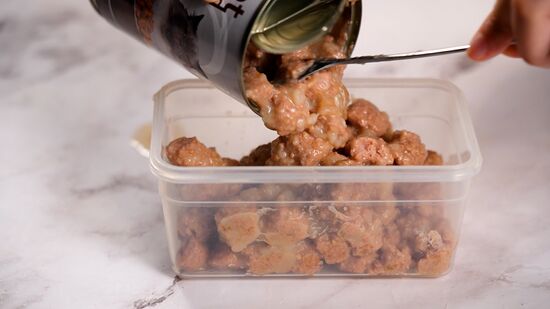
Use Airtight Containers
Transfer leftover cat food to an airtight container. This keeps the food from drying out and maintains its freshness. Airtight containers also block any odors from spreading.
Refrigerate Promptly
Store opened wet cat food in the refrigerator within two hours. Cold temperatures slow bacterial growth. This practice ensures the food remains safe for your cat to eat.
Check The Temperature
Ensure your refrigerator stays at or below 40°F (4°C). This temperature effectively preserves food quality. Regularly check your fridge settings.
Label With Date
Always label the container with the opening date. Use a marker or label to note this. This helps track freshness and prevents serving expired food.
Discard After Four Days
Don't keep opened wet cat food for more than four days. Bacteria can grow, making the food unsafe. It's better to be safe and discard it on time.

Credit: www.wikihow.com
Choosing The Right Container
Choosing the right container for storing opened wet cat food is essential. It keeps the food fresh and prevents spoilage. The wrong container can lead to odors and contamination. Let's explore how to select the best container for your furry friend's meals.
Material Matters
Consider containers made of glass or BPA-free plastic. These materials are safe for food storage. Glass is non-reactive, keeping food flavors intact. BPA-free plastic is lightweight and durable.
Size And Shape
Pick a container that matches the portion size. Smaller containers help reduce air exposure. Avoid large containers unless storing bulk amounts. Shape matters for stacking in the fridge.
Seal Tightness
A container with a tight seal is crucial. It prevents air and moisture entry. Look for containers with silicone seals or locking lids. This ensures freshness and reduces odor.
Ease Of Cleaning
Choose containers that are easy to clean. Dishwasher-safe options save time. Smooth surfaces prevent food from sticking. Regular cleaning prevents bacteria build-up.
Transparency
Transparent containers let you see the contents easily. This helps in monitoring food freshness. Clear containers also remind you to use the food before expiry.
Portability
Consider portability if you travel with your cat. Lightweight containers are easy to carry. Make sure they have secure lids to avoid spills. Portable options simplify feeding on the go.
Refrigeration Guidelines
Storing opened wet cat food properly ensures freshness and safety. Transfer leftovers into an airtight container. Refrigerate promptly to prevent spoilage and maintain nutritional value for your feline friend.
Proper storage of opened wet cat food is crucial to maintaining its freshness and nutritional value. Once you open a can, it begins to lose its quality and can spoil quickly if not stored correctly. Refrigeration can help extend the life of your feline's meal, ensuring every bite is as delicious and nutritious as intended. Let's dive into the essential refrigeration guidelines to keep your cat's food safe and tasty.
Use An Airtight Container
After opening a can of wet cat food, transfer any leftover food into an airtight container. This prevents the food from absorbing other odors in the fridge, keeping it fresh. A tightly sealed container also helps maintain the food's moisture, crucial for your cat's hydration.
Label The Date
Always label your container with the date you opened the cat food. This practice ensures you use the oldest food first, minimizing waste. Aim to use the refrigerated food within 3-5 days to guarantee freshness.
Keep The Temperature Consistent
Ensure your refrigerator is set to a consistent temperature, ideally below 40°F (4°C). Fluctuating temperatures can accelerate spoilage, leading to potential health risks for your cat. Check your fridge settings regularly to avoid any unwanted surprises.
Avoid Storing In The Door
The door is the warmest part of the fridge, making it unsuitable for storing opened cat food. Instead, place the container towards the back of the main shelves. This area maintains a more consistent temperature, preserving the food's quality.
Inspect Before Serving
Before serving the refrigerated food to your cat, give it a quick inspection. Look for any unusual odors or mold that might have developed. If something seems off, it's better to be safe and discard the food rather than risk your cat's health. Do you have any tips or experiences with storing wet cat food? Share your thoughts in the comments below!

Credit: www.wikihow.com
Freezing Techniques
Preserve opened wet cat food with effective freezing techniques to maintain freshness and flavor. Transfer leftover food into airtight containers before freezing, ensuring it is protected from air and moisture. Thaw in the refrigerator when ready to serve to keep your pet’s meals tasty and nutritious.
Storing opened wet cat food can be a bit challenging, especially if you want to maintain its freshness and nutritional value. Freezing is an excellent technique that can help you extend the shelf life of your cat's favorite meals without compromising their quality. Ever wondered how to freeze cat food effectively? Let's dive into some practical tips that will make your life easier and ensure your furry friend gets the best out of each bite!
Freezing Portions
Decide on portion sizes that match your cat's daily needs. This prevents waste and ensures each meal is fresh. Use ice cube trays for small servings. Once frozen, transfer them to a resealable plastic bag for easy access.
Use Airtight Containers
Airtight containers are your best friend when it comes to freezing wet cat food. They prevent freezer burn and keep unpleasant odors at bay. Always label the containers with the date so you can keep track of freshness.
Defrosting Safely
Defrosting should be done gradually to preserve taste and texture. Place the frozen portion in the fridge overnight. Avoid microwaving as it can alter the food's consistency and nutritional profile. Do you have a favorite method for defrosting cat food?
Maintaining Nutritional Value
Freezing can sometimes affect the nutritional content. Ensure the food remains nutrient-rich by freezing it as soon as possible after opening. This locks in the freshness and nutrients your cat needs for a healthy diet.
Monitoring Storage Duration
Keep an eye on how long the food has been frozen. Aim to use the frozen portions within two months. This prevents loss of flavor and nutritional degradation, ensuring your cat enjoys every meal. How do you keep track of your frozen cat food?
Maintaining Freshness
Storing opened wet cat food properly ensures freshness and safety for your pet. Place leftovers in an airtight container and refrigerate promptly. Use within two days to maintain optimal flavor and nutrition.
Maintaining the freshness of opened wet cat food is essential not only for your pet's health but also to ensure they enjoy their meals. Once you've popped that can or pouch, the clock starts ticking on how long the food will stay appetizing. You might wonder, what are the best methods to keep it fresh? Here’s how you can make sure your feline friend always has a tasty meal waiting.
Proper Storage Containers
One of the best ways to maintain freshness is by using airtight containers. These containers prevent air and bacteria from spoiling the food quickly. Opt for containers that are just the right size for your cat's meal portions to minimize air exposure. Glass or BPA-free plastic containers with a secure lid work wonders. Personally, I found that using small mason jars not only keeps the food fresh but also makes serving easy. Have you tried using containers that are transparent? It helps you see the food's condition without opening it.
Refrigeration Techniques
Once opened, wet cat food should be stored in the refrigerator to maintain its freshness. Keep the temperature below 40°F (4°C) to slow down the growth of bacteria. Placing the container on a middle shelf ensures it stays at a consistent temperature. If you’re storing multiple cans, label them with the date they were opened. This practice helps you track their freshness. Ever noticed your cat turning its nose up at food? It could be because it’s past its best, so keep an eye on those dates.
Avoiding Cross-contamination
Always use clean utensils when handling wet cat food. Contaminated spoons or forks can introduce bacteria that spoil the food. Make it a habit to wash your hands before and after serving your cat’s meal. Think about it: would you eat with dirty cutlery? Your cat’s food should be treated with the same care. This simple step can make a big difference in maintaining freshness.
Monitoring Shelf Life
Even with the best storage practices, wet cat food has a limited shelf life once opened. Typically, it should be consumed within 3-5 days. Keep an eye on any changes in smell or texture as these can indicate spoilage. If you notice any off-putting odors, it might be time to discard the food. Would you serve something that smells odd to your family? Your furry friend deserves the same consideration. By paying attention to these details, you ensure your cat enjoys every bite of their meal. After all, a happy cat makes for a happy home.
Recognizing Spoilage Signs
Recognizing Spoilage Signs Check for sour smell, discoloration, or mold in opened wet cat food. Store in the fridge tightly covered to maintain freshness. Use within 3 days to ensure your cat's health and safety.
Recognizing spoilage signs in opened wet cat food is crucial to ensure the health and safety of your furry companion. It's easy to overlook the subtle changes in food that indicate it's gone bad. By being vigilant, you can prevent feeding your cat something that might upset their stomach or worse.
Visual Changes In Appearance
Look closely at the food. Has the color shifted from its original hue? Any signs of mold or unusual spots mean it's time to toss it.
Unpleasant Odor
Trust your nose. If the food smells off or has an unusually strong, rancid scent, it's likely spoiled. Cats are sensitive to smell; if it stinks to you, it's unbearable for them.
Texture Alterations
Touch can tell you a lot. If the food feels slimy or overly dry, it's no longer safe. A change in texture can indicate bacterial growth.
Reluctance To Eat
Observe your cat. Cats instinctively avoid spoiled food. If your cat hesitates or refuses to eat, it's a red flag.
Expired Storage Time
Check the timeline. Have you stored the opened can for too long? Even if it looks fine, exceeding the recommended storage time can risk spoilage.
Container Condition
Inspect the storage container. Is it clean and airtight? Contamination or improper sealing can accelerate spoilage. By staying alert to these spoilage signs, you ensure your cat only consumes fresh, safe food. After all, a healthy cat is a happy cat!
Serving Tips After Storage
Store opened wet cat food in an airtight container in the fridge. Before serving, let it reach room temperature for better taste and aroma. Check for any signs of spoilage to ensure freshness and safety.
Storing opened wet cat food properly ensures your cat enjoys fresh meals. Once the food is stored, serving it correctly maintains its taste and nutritional value. Here are some tips to make mealtime enjoyable for your feline friend.
Check Temperature
Cold food can be unappetizing for cats. Before serving, let the food reach room temperature. It helps to enhance the aroma, making the meal more appealing.
Stir Well
After storage, the food might separate. Stir it to mix the contents evenly. This ensures your cat gets all the flavors and nutrients in each bite.
Use Clean Bowls
Ensure the feeding bowl is clean. Wash it thoroughly before each meal. A clean bowl prevents bacteria and keeps the food fresh.
Serve Small Portions
Serve only what your cat can finish in one sitting. If they leave food, it may spoil quickly. Smaller portions reduce waste and keep meals fresh.
Observe Eating Habits
Watch how your cat reacts to the food. If they seem uninterested, adjust the portion size or temperature. Their response helps you improve their mealtime experience.
Health Implications Of Improper Storage
Proper storage of opened wet cat food ensures your pet’s health and prevents spoilage. Keep it in an airtight container in the refrigerator to maintain freshness and avoid bacterial growth.
Storing opened wet cat food incorrectly can lead to health issues. Cats are vulnerable to bacteria and spoiled food. Improper storage can cause serious health problems. This includes upset stomachs and food poisoning. Proper storage is essential for your cat's wellbeing.
Understanding Bacterial Growth
Bacteria multiply rapidly in warm, moist conditions. Wet cat food is an ideal breeding ground. Once opened, food is exposed to air and bacteria. This can make your cat sick. Store food in the fridge to slow bacterial growth. Always use airtight containers.
Signs Of Spoiled Cat Food
Spoiled food can change in smell and texture. Look for a sour or rancid odor. Discoloration is also a warning sign. Cats might refuse to eat spoiled food. If your cat shows signs of illness, consult a vet.
Potential Health Risks For Cats
Eating spoiled food can cause vomiting and diarrhea. It may lead to dehydration and weight loss. Long-term exposure can affect liver and kidney health. Always ensure your cat's food is fresh and safe.
The Role Of Temperature
Temperature plays a big role in food safety. Room temperature speeds up spoilage. Refrigeration slows down bacterial growth. Keep opened food in the fridge. Never leave it out for long periods.
Best Storage Practices
Use airtight containers to store food. Label containers with the date opened. Discard leftovers after a few days. Always follow the manufacturer's storage instructions. Prioritize your cat's health with proper storage.
Expert Recommendations
Store opened wet cat food in the refrigerator to keep it fresh. Use an airtight container for proper preservation. Finish within three days to ensure safety and quality for your cat.
Storing opened wet cat food properly keeps it fresh and safe. Experts suggest methods that preserve flavor and nutrition. This section explores expert recommendations for storing your cat’s wet food.
Refrigerate Immediately
Once opened, refrigerate wet cat food quickly. This prevents bacteria growth. Use an airtight container to keep moisture in. Label the container with the date you opened it. This helps track freshness.
Use Within Two Days
Consume refrigerated wet cat food within two days. It ensures the food remains tasty and safe. If you notice an unusual smell, do not feed it to your cat. Freshness is key to your cat's health.
Freeze For Longer Storage
Freezing is ideal for extended storage. Divide the food into small portions. Place them in freezer-safe containers. Thaw them in the fridge before serving. This maintains flavor and texture.
Avoid Room Temperature
Leaving wet cat food at room temperature is risky. It can spoil quickly. Bacteria multiply fast in warm environments. Always refrigerate or freeze the food after opening.
Check For Signs Of Spoilage
Inspect the food before serving. Look for changes in color or smell. Spoiled food can make your cat sick. If in doubt, throw it away. Safety is more important than waste.
Use Airtight Containers
Airtight containers are essential for storing wet cat food. They keep out air and moisture. This prevents contamination and maintains freshness. Choose containers that are easy to clean. Hygiene is crucial for your pet's health.

Credit: www.wikihow.com
Frequently Asked Questions
How To Keep Wet Cat Food Fresh After Opening?
Store wet cat food in an airtight container in the refrigerator. Use within 3 days for freshness. Ensure the lid is tightly sealed to prevent odors and contamination. Warm slightly before serving to enhance flavor. Always discard any uneaten food after 2 hours.
How Long Is Wet Cat Food Good For After Opened?
Wet cat food stays fresh for 1-2 days in the refrigerator after opening. Always seal the container tightly. Check for changes in smell or texture before serving. Dispose of leftovers beyond this period to ensure your cat's safety and health.
Keep the food covered to maintain freshness.
How To Store Half-eaten Cat Wet Food?
Store half-eaten cat wet food in an airtight container in the refrigerator. Use within 24-48 hours. Ensure no contamination during storage. Always serve at room temperature before feeding to your cat. Avoid leaving it out for too long to maintain freshness and prevent spoilage.
Is It Better To Keep Cat Food In Bag Or Container?
Store cat food in an airtight container for freshness. It prevents moisture and pests from spoiling the food. Containers also make serving easier and help retain nutritional value. Always keep the container in a cool, dry place. Avoid leaving food in the original bag once opened.
Conclusion
Storing opened wet cat food needs care and attention. Keep it fresh and safe. Refrigeration helps maintain its quality. Use airtight containers for best results. Label containers with dates to avoid confusion. Check for spoilage before serving. Your cat's health depends on proper storage.
Always prioritize hygiene and freshness. Reduce waste by storing smartly. Follow these tips for happy and healthy cats. Remember, proper storage is key. Enjoy feeding your feline friend with confidence. Keep their meals tasty and nutritious. Happy cat, happy home!