
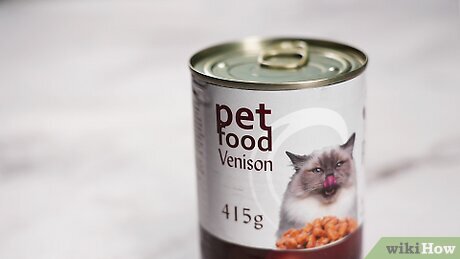
Imagine this: you open a can of wet cat food, and your feline friend eagerly devours its meal. But what about the leftovers?
How do you ensure that your cat's food stays fresh and safe for the next feeding? As a dedicated pet owner, you want the best for your cat, and that means knowing the right way to store its wet food.
If you're tired of wasting food or worrying about spoilage, you're in the right place. Understanding how to store cat wet food properly can save you money, keep your cat happy, and ensure their health isn't compromised. Dive into this guide, and discover the secrets to keeping your cat's meals fresh, flavorful, and nutritious. Your cat deserves the best, and by the end of this article, you'll have the knowledge to provide just that.
Choosing The Right Storage Container
Choosing the right storage container ensures cat wet food stays fresh and safe. Airtight containers prevent spoilage and maintain quality. Opt for small-sized containers to reduce exposure to air.
Choosing the right storage container for your cat's wet food ensures freshness. Proper storage helps maintain the food's quality and taste. Let's explore the best options for keeping your feline's meals safe and delicious.
Airtight Containers
Airtight containers prevent air from spoiling cat food. They lock in the freshness, keeping the food moist and tasty. Look for containers with tight seals. These containers block out unwanted odors too. They also keep out pests and contaminants. A good airtight container will extend the shelf life of wet food.
Material Considerations
The material of the storage container matters. Plastic containers are lightweight and easy to handle. Choose BPA-free plastic to ensure safety. Glass containers are durable and don't retain odors. They are also easy to clean and maintain. Stainless steel is another option. It's sturdy and resists stains and odors. Each material has its benefits. Choose one that fits your needs and preferences.

Credit: www.wikihow.com
Refrigeration Techniques
Refrigerate cat wet food in airtight containers to maintain freshness. Store in the coldest part of your fridge. Use within three days for best quality.
Refrigeration is key for keeping cat wet food fresh. Proper techniques prevent spoilage and maintain taste. Correct storage extends the food's lifespan, ensuring your cat enjoys every meal. Let's explore effective refrigeration methods to store your cat's wet food safely.
Ideal Temperature Range
Wet cat food should be stored at specific temperatures. Keep the fridge between 35°F and 40°F. This range slows bacteria growth, preserving the food's quality. Avoid storing below 35°F to prevent freezing. Frozen food loses texture and flavor. Regularly check your fridge's temperature settings.
Organizing In The Fridge
Arrange wet food for easy access. Store cans or pouches on a designated shelf. Use containers for opened packages. Seal tightly to prevent odors from spreading. Label containers with the date of opening. This helps track freshness and reduces waste. Keep cat food separate from human food. This prevents contamination and ensures safety. Always check for signs of spoilage before serving.
Freezing Cat Wet Food
Freeze cat wet food in airtight containers to preserve freshness. Thaw in the refrigerator before serving to your cat. Proper storage ensures the food stays safe and tasty.
Freezing cat wet food can be a game-changer for pet owners looking to extend the shelf life of their feline's favorite meals. But how do you ensure that the texture and taste remain intact once the food is thawed? Understanding the right methods and precautions can make all the difference in keeping your cat's meals fresh and nutritious. Plus, it can save you from unnecessary waste and frequent trips to the pet store.
Proper Freezing Methods
Before freezing, portion the wet food into single servings. This makes it easier to defrost just what you need, avoiding waste. Use airtight containers or freezer-safe bags to prevent freezer burn and maintain freshness. Label each container with the date so you can keep track of how long it's been stored. Aim to use the frozen food within 1-3 months for optimal quality. Have you ever wondered if your freezer might be too cold? Ensure it's set to a consistent temperature below 0°F (-18°C).
Thawing Safely
When it's time to serve, thaw the frozen cat food in the refrigerator. This prevents bacteria growth that can occur if left out at room temperature. Avoid using the microwave, as it can create hot spots that may burn your cat's mouth. Once thawed, the food should be consumed within 24 hours. Keep an eye on the texture and smell; if something seems off, it's best to err on the side of caution and discard it. Wouldn't you agree that our pets deserve the same careful attention to their meals as we do?
Portioning For Daily Use
Store cat wet food in airtight containers. Refrigerate the portions you plan to use within two days. Freeze the rest for longer storage, ensuring freshness and quality.
Portioning wet cat food for daily use is an art and science every pet parent should master. Proper portioning ensures your feline friend enjoys fresh, nutritious meals while minimizing waste. This approach not only saves you money but also helps maintain a hygienic feeding routine. Let's dive into some practical tips to make mealtime a breeze for both you and your cat.
Single-serving Solutions
Consider using single-serving containers to store each portion of wet food. These containers are perfect for maintaining freshness and preventing contamination. You can find reusable options that are environmentally friendly and cost-effective. Another option is to use small resealable bags. This not only saves space but allows you to portion out meals in advance, making feeding time quick and easy. Just remember to label each bag with the date to ensure you feed your cat the freshest portions.
Avoiding Waste
How often do you end up tossing leftover cat food? Avoid this by accurately measuring your cat’s daily intake. Use a kitchen scale to ensure each serving is precise, tailoring it to your cat's appetite and dietary needs. Create a feeding schedule to monitor your cat’s consumption patterns. This helps you adjust portions accordingly, ensuring nothing goes to waste. Feeding your cat smaller portions throughout the day can also prevent uneaten food from spoiling. Have you ever considered freezing unused portions? This method can save those extra servings for a later date. Just ensure you thaw them properly before serving, maintaining both texture and taste. By implementing these strategies, you can efficiently manage your cat’s wet food while keeping their meals fresh and appealing. What changes will you make to improve your cat's mealtime experience?
Monitoring Expiration Dates
Proper storage of cat wet food ensures freshness and safety. Always check expiration dates before feeding. Store unused portions in the fridge.
Monitoring expiration dates on cat wet food is crucial for your cat's health. Old or expired food can harm your cat. Ensuring fresh food is vital for their nutrition. Understanding how to read and monitor these dates can help. Below are tips for keeping your cat's food safe and fresh.
Understanding Labels
Reading food labels helps in monitoring expiration dates. Most labels have a "best by" date. This date indicates the peak freshness of the food. It is not the same as an expiration date. After this date, the food might lose some quality. Check the packaging for specific terms like "use by." These indicate the final date for safety. Always choose the product with the longest date from the store shelf.
Signs Of Spoilage
Spoiled cat food poses health risks. Always check for signs of spoilage before serving. Look for changes in color. Fresh cat food has a consistent color. A bad odor is another sign. Fresh food should smell normal and pleasant. Mold or unusual texture is a clear spoilage sign. If you notice any of these, discard the food immediately. Regularly inspecting food ensures your cat eats only fresh meals.

Credit: www.wikihow.com
Hygiene Practices
Storing cat wet food correctly preserves its freshness and flavor. Use airtight containers to keep it safe from bacteria. Refrigerate any uneaten portions promptly to maintain quality and avoid spoilage.
Keeping your feline friend's wet food fresh and safe requires diligent hygiene practices. Proper storage not only ensures your cat enjoys their meals but also prevents any potential health risks. By paying attention to cleanliness and maintaining your cat's feeding environment, you can make mealtime a delightful experience for your pet.
Cleaning Storage Containers
Start by using airtight containers to store any unused portions of wet food. Ensure these containers are washed thoroughly after each use. A little trick is to use hot, soapy water to eliminate any lingering food particles and bacteria. Consider investing in dishwasher-safe containers for ease. Regular checks for cracks or scratches are essential, as these can harbor bacteria. Do you often forget to clean the lids? They need attention too, as they come into direct contact with the food.
Maintaining Feeding Areas
The area where your cat eats should be cleaned daily. Use a damp cloth to wipe down surfaces and remove any food spills promptly. This simple routine helps to deter pests and maintain a healthy environment. Think about where you place your cat's feeding station. Is it in a high-traffic area? If so, consider relocating it to a quieter spot to reduce contamination risk. Additionally, placing a mat under the food bowls can catch spills and is easy to clean. Remember, a clean feeding area contributes to your cat's overall well-being. Have you noticed a change in your cat's eating habits? A cleaner space might just be the solution they need.
Environment Considerations
Proper storage of cat wet food ensures freshness and minimizes waste. Use airtight containers and keep them in the refrigerator. This method preserves the food's nutrients while reducing environmental impact.
When storing cat wet food, the environment plays a crucial role in maintaining its quality and safety. The surroundings can greatly affect the food's freshness and nutritional value. Ensuring the right environment means your feline friend enjoys every meal to the fullest.
Avoiding Heat And Sunlight
Heat and sunlight can degrade the quality of cat wet food quickly. Always store the food in a cool, shaded area. Have you noticed how leaving a can out in the sun makes it warm to touch? That warmth can spoil the food, leading to nutrient loss and potential health risks for your cat. Consider a pantry or a cupboard away from appliances that emit heat. Even the top of your fridge can be warmer than you think. If you're in doubt, feel the temperature of the storage spot with your hand.
Moisture Control
Excess moisture can lead to mold and spoilage. Ensure the food is stored in a dry place to keep it fresh. Have you ever opened a can only to find it has an off smell? That could be due to moisture buildup. Using airtight containers helps in keeping moisture at bay. If you live in a humid area, consider adding silica gel packets to the storage space. This simple step can prolong the shelf life of the food significantly. By paying attention to the environment, you ensure that each meal you serve your cat is both safe and nutritious. What changes can you make today to improve your cat food storage?

Credit: www.wikihow.com
Frequently Asked Questions
How Do You Store Wet Cat Food After Opening?
Store wet cat food in an airtight container in the refrigerator. Use it within 2-3 days to ensure freshness. Cover the container to prevent odors. Avoid leaving it out for long periods. Proper storage keeps the food safe and tasty for your cat.
Is It Better To Keep Cat Food In Bag Or Container?
Store cat food in an airtight container to maintain freshness and prevent spoilage. Containers protect against pests and moisture. Ensure the container is clean and dry before use. A bag can be less effective in preserving quality and flavor over time.
Choose BPA-free containers for safety.
How To Save Half A Can Of Wet Cat Food?
Seal the can tightly with a lid or plastic wrap. Store in the fridge to maintain freshness. Use within 24-48 hours to ensure quality. Keep away from strong-smelling foods to prevent odor absorption. Always serve at room temperature to maintain taste and texture for your cat.
Do Cats Like Their Wet Food Refrigerated?
Cats generally prefer their wet food at room temperature. Refrigerated food can be less appealing to them. Always check storage instructions on packaging and warm food gently before serving.
Conclusion
Proper storage keeps cat wet food fresh and safe. Always seal opened cans tightly. Refrigerate leftovers within two hours to avoid spoilage. Use airtight containers for best results. Store them in the fridge, not the pantry. Label containers with the date opened.
This helps track freshness. Discard food after two days if refrigerated. Your cat deserves healthy meals. Good storage practices ensure quality. Always check expiration dates before serving. Fresh food means happy cats. Keep your furry friend content and healthy. Follow these tips for optimal storage.