
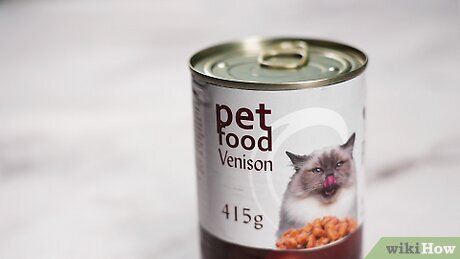
Do you ever wonder if you're storing your cat's wet food correctly? Preserving wet cat food isn't just about maintaining its freshness; it's also crucial for your feline friend's health.
If you're like most pet owners, you want the best for your pet, and that includes their diet. Wet cat food offers many benefits, from better hydration to improved palatability, but improper storage can spoil these advantages. Imagine opening a can and discovering it's gone bad, or worse, that your cat has fallen ill.
Understanding how to preserve wet cat food will save you time, money, and give you peace of mind. Dive into this guide and ensure that every meal you serve is safe and nutritious for your beloved cat.

Credit: www.wikihow.com
Choosing The Right Storage Container
Choosing the right storage container for your wet cat food is crucial for maintaining its freshness and nutritional value. You've invested in quality food for your feline friend, so why let it go to waste? A proper container not only keeps the food fresh but also protects it from spoilage and contamination. Let's dive into what makes a storage container ideal for preserving wet cat food.
Benefits Of Airtight Containers
Airtight containers are your best bet when it comes to preserving the freshness of wet cat food. They prevent air from getting in, which means your cat food stays moist and fresh. This is especially beneficial if you live in a humid climate where moisture can quickly spoil food.
An airtight seal also keeps unwanted pests like ants and other insects out. Imagine finding a trail of ants feasting on your cat's food. Not only is it unhygienic, but it also means you're wasting good food. With an airtight container, you can avoid such unpleasant surprises.
Material Considerations
When selecting a storage container, the material is just as important as the airtight seal. Plastic containers are lightweight and affordable, but make sure they are BPA-free to avoid any harmful chemicals leaching into the food. On the other hand, stainless steel containers are durable and easy to clean, although they can be a bit pricier.
Glass containers are another excellent option, as they do not retain odors and are microwave-safe. However, they can be heavy and breakable, so handle them with care. Think about your daily routine and choose a material that suits your lifestyle and storage needs.
Choosing the right container isn't just about keeping food fresh—it's about ensuring the health and happiness of your cat. What would make your life easier while ensuring your cat gets the best? Your choice of container can make all the difference.
Proper Refrigeration Techniques
Preserving wet cat food requires a keen understanding of proper refrigeration techniques. These techniques are not just about keeping the food cold; they play a crucial role in maintaining its freshness and nutritional value for your furry friend. By mastering these methods, you can ensure your cat enjoys every meal safely while preventing spoilage and waste.
Ideal Temperature Settings
Setting your refrigerator to the right temperature is the first step in preserving wet cat food. The optimal range is typically between 34°F (1°C) and 40°F (4°C). This ensures the food stays cold enough to prevent bacterial growth but not so cold that it freezes. Have you ever noticed ice crystals forming on your cat's food? It might be a sign your fridge is set too low. Regularly check the temperature with a reliable thermometer to ensure consistency.
Avoiding Contamination
Preventing contamination is essential for keeping wet cat food safe. Store the food in airtight containers to avoid exposure to other food odors and bacteria. You might have experienced the unpleasant surprise of opening a container only to smell something off. Proper sealing can prevent these mishaps. Additionally, always use clean utensils when serving the food to maintain hygiene. Mixing old food with fresh can lead to contamination, so dispose of leftovers promptly.
Freezing Wet Cat Food
Freezing wet cat food extends its shelf life and keeps it fresh. Store portions in airtight containers before freezing. Thaw them in the fridge before serving to maintain texture and flavor.
Preserving wet cat food can be a game-changer for both your budget and your feline's nutrition. Freezing wet cat food is an effective method to ensure that you always have fresh meals ready for your beloved pet. Not only does it help avoid waste, but it also keeps the food safe and nutritious for longer periods. But how do you freeze it without compromising quality? Here’s how you can start freezing wet cat food effectively.
Preparing For Freezing
Before you begin, make sure you have a designated space in your freezer. Use airtight containers or freezer-safe bags to prevent freezer burn, which can alter the taste and texture of the food. Consider portioning the wet cat food into single servings. This makes it easier to thaw only what you need and ensures that each meal is fresh. Label each container with the date, so you can keep track of how long it has been stored.
Thawing Safely
When it's time to serve your cat, thaw the food in the refrigerator overnight. This slow thawing method helps maintain the food's quality and safety. Avoid using a microwave, as it can create hot spots that might burn your cat's mouth. If you're in a rush, you can place the container in a bowl of lukewarm water. However, ensure that the food is completely thawed and at room temperature before serving. Have you ever served your cat cold food only to see them turn away? The right temperature can make all the difference.
Portion Control Strategies
Preserve wet cat food by storing leftovers in an airtight container in the fridge. Serve smaller portions to avoid waste. Always ensure the food is fresh and discard any uneaten portions after 24 hours.
Managing your cat's wet food portions is essential for maintaining freshness and preventing waste. By adopting smart portion control strategies, you can ensure that your feline friend enjoys every meal to the fullest. This approach not only helps in preserving the food but also keeps your budget in check.
Using Portion Sizes Effectively
Understanding the right portion size for your cat is crucial. Begin by consulting the feeding guidelines provided on the food packaging. These are typically based on your cat's weight and age. Once you have the right amount, use a measuring cup or a kitchen scale for precision. This simple step ensures that you're not overfeeding or underfeeding your pet. You can also pre-portion the food into small containers. This not only saves time but also keeps the food fresh until serving.
Preventing Waste
Are you often throwing away uneaten cat food? Start by observing your cat's eating habits. If they consistently leave food behind, it might be time to adjust the portion size. Consider using smaller cans or pouches if your cat struggles to finish larger portions. This minimizes the risk of food going stale and being wasted. Another effective tip is to refrigerate leftover food promptly. Use airtight containers to keep it fresh, and remember to warm it slightly before the next meal to enhance its appeal. By focusing on these portion control strategies, you can enhance the dining experience for your feline friend while reducing waste. How will you adjust your approach to feeding?
Recognizing Signs Of Spoilage
Recognizing signs of spoilage in wet cat food ensures your cat's health. Look for unusual smells, discoloration, or mold. Always check the expiration date before serving.
Recognizing when wet cat food has gone bad is crucial for maintaining your cat's health. Spoiled food not only loses its nutritional value but can also be harmful. As a pet owner, it's important to know the signs of spoilage so you can keep your feline friend safe.
Visual Indicators
Start by examining the food closely. Look for any mold or discoloration. A change in color often indicates spoilage. Check for any unusual separation of liquid from the solid parts of the food. This can be a warning sign that the food has started to deteriorate. Is the can bulging or is the packaging damaged? These can indicate that the food has been contaminated.
Smell And Texture Changes
A strong, unpleasant odor is a clear signal that the food is no longer fresh. Trust your nose—if it smells off, it probably is. Feel the texture. Has it become slimy or sticky? This can happen when food starts to spoil. Compare the current texture with how it usually feels fresh. Any significant difference should raise a red flag. By staying alert to these signs, you can avoid feeding your cat spoiled food. What steps will you take to ensure your cat's food is fresh?
Extending Shelf Life With Preservatives
Extending the shelf life of wet cat food is crucial for pet owners. Preservatives play an essential role in maintaining freshness and flavor. They help keep the food safe and nutritious for longer periods. Understanding the types of preservatives can guide you in choosing the best option for your cat's food.
Natural Preservatives
Natural preservatives are derived from plants or animals. They are often preferred for their minimal processing and health benefits. Common natural preservatives include vitamin E and C. These antioxidants prevent spoilage and maintain the food's quality. Rosemary extract is another popular choice, known for its preservative properties. Natural preservatives are typically safer for pets and often found in premium cat food brands.
Chemical Additives
Chemical additives extend the shelf life of wet cat food effectively. They include synthetic compounds like BHA and BHT. These chemicals prevent oxidation and spoilage. They are widely used in commercial cat foods. Chemical additives can be more reliable in terms of shelf life but might raise concerns for some pet owners. Always check the labels to understand the additives used in your cat's food.
Tips For Feeding Leftovers
Keep leftovers fresh by storing wet cat food in airtight containers. Refrigerate immediately to preserve nutrients and prevent spoilage. Divide portions to maintain quality and ensure your cat enjoys every meal.
Leftover wet cat food can be a common occurrence, and knowing how to safely feed it can make a significant difference in your cat's health and happiness. Keeping leftovers fresh and safe requires some attention and care, but the payoff is worth it—a happy, healthy cat and less food waste. Here, you'll find practical tips to help you make the most of your cat's leftover meals.
Safe Reheating Methods
Reheating wet cat food requires caution to ensure it remains safe and appetizing for your feline friend. Always use a low heat setting to avoid overheating and altering the food's consistency or taste. A microwave works well; heat the food in short intervals, stirring in between. Alternatively, you can warm the food by placing it in a sealed container and submerging it in warm water for a gentle heat-up. Avoid using direct heat sources like stovetops, as these can cook the food instead of just warming it. Have you ever noticed how your cat turns its nose up at food that's too hot or too cold? Finding the right temperature can make all the difference.
Monitoring Cat's Reaction
It's crucial to observe your cat's reaction when you serve reheated leftovers. Cats can be picky, and any change in texture or taste might lead them to reject their meal. Watch for signs of discomfort or disinterest, such as sniffing the food and walking away. This might indicate that the reheated food isn't to their liking or that it has spoiled. If your cat shows any adverse reaction, such as vomiting or diarrhea after eating, it's best to discard the leftovers and prepare a fresh meal. Regularly monitoring your cat's reaction not only ensures their well-being but also helps you understand their preferences better. Are you noticing any patterns in your cat's dining habits? Paying close attention can help you become more attuned to their needs and avoid potential health issues.

Credit: www.wikihow.com

Credit: www.wikihow.com
Frequently Asked Questions
How To Save Half A Can Of Wet Cat Food?
Seal the can tightly with a lid or plastic wrap. Store it in the refrigerator. Use within 2-3 days to ensure freshness and safety for your cat. Always check for any signs of spoilage before serving.
Can You Preserve Wet Cat Food?
Store wet cat food in an airtight container in the fridge for up to 3 days. Freeze portions for longer preservation. Always check for signs of spoilage before serving. Proper storage maintains freshness and prevents waste, ensuring your cat enjoys safe, nutritious meals.
How Can I Make Wet Cat Food Last Longer?
Store wet cat food in an airtight container in the fridge. Serve small portions to avoid waste. Freeze extra food in single-serving sizes. Check expiration dates and avoid prolonged storage. Always use clean utensils to prevent contamination.
Is It Better To Keep Cat Food In Bag Or Container?
Store cat food in airtight containers for optimal freshness and protection from pests. Containers prevent odors and moisture. Ensure containers are clean and dry before use. Using containers helps maintain the quality of dry and wet cat food. Always check for expiration dates and storage instructions on the packaging.
Conclusion
Preserving wet cat food is simple with the right steps. Store opened cans in the fridge to keep them fresh. Use airtight containers for extra protection. Check expiration dates before feeding your cat. Proper storage helps prevent spoilage and waste.
Remember, fresh food means a happy, healthy cat. Keep an eye on your cat’s eating habits. Adjust portions if needed. This ensures your cat enjoys every meal. Follow these tips for stress-free feeding. Your cat will thank you with purrs and cuddles.
Enjoy the peace of mind that comes with proper food care.