
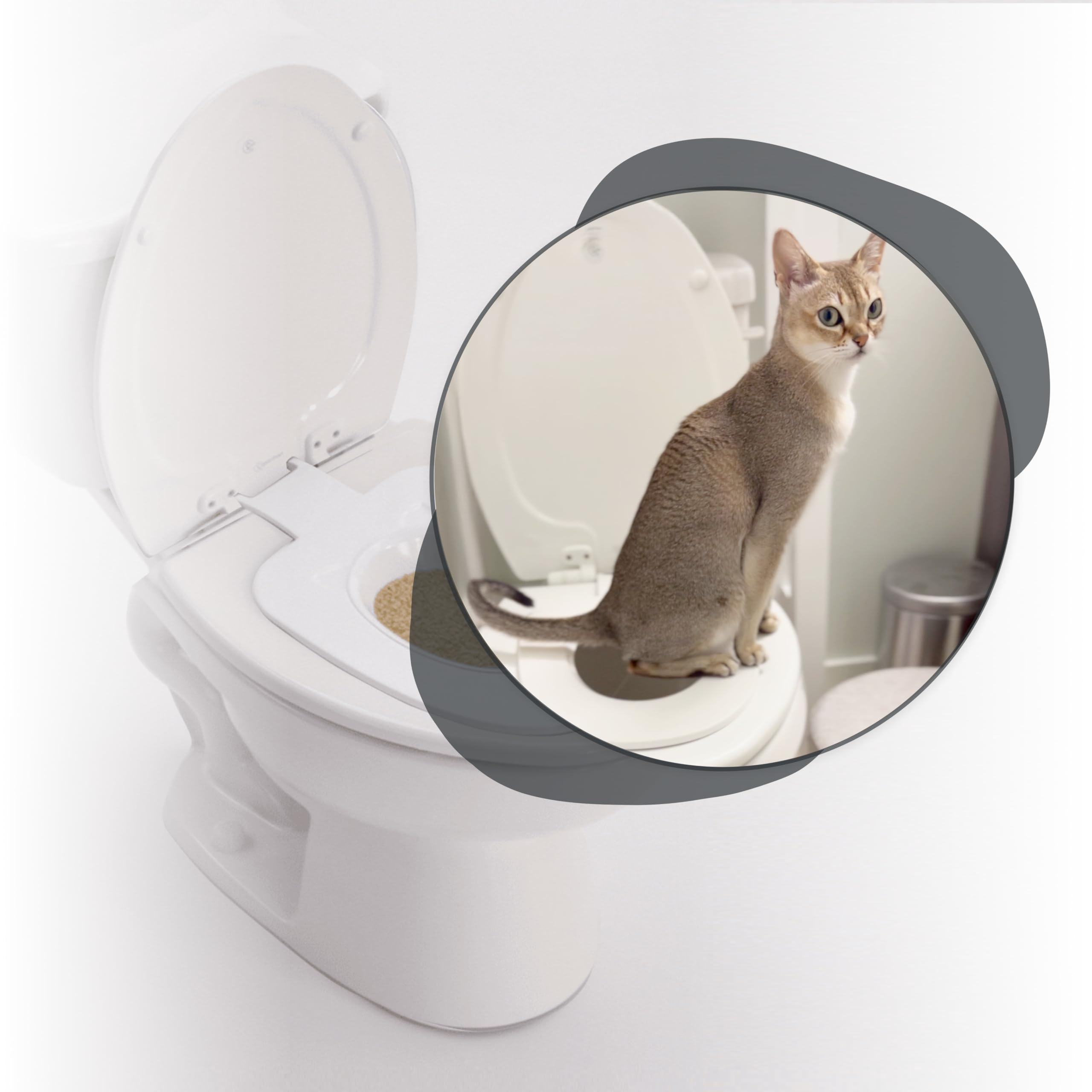
Imagine never having to deal with kitty litter again. Sounds like a dream, right?
If you're tired of the mess and smell, potty training your cat might be the perfect solution. You might be wondering if it's even possible. Well, here's the exciting news: it is! With a little patience and the right techniques, you can teach your feline friend to use the toilet instead of the litter box.
This guide will walk you through every step, ensuring you and your cat transition smoothly. So, are you ready to say goodbye to litter and hello to a cleaner home? Keep reading to discover how you can make this amazing transformation happen.
Credit: www.whiskas.com.ph
Choosing The Right Litter Box
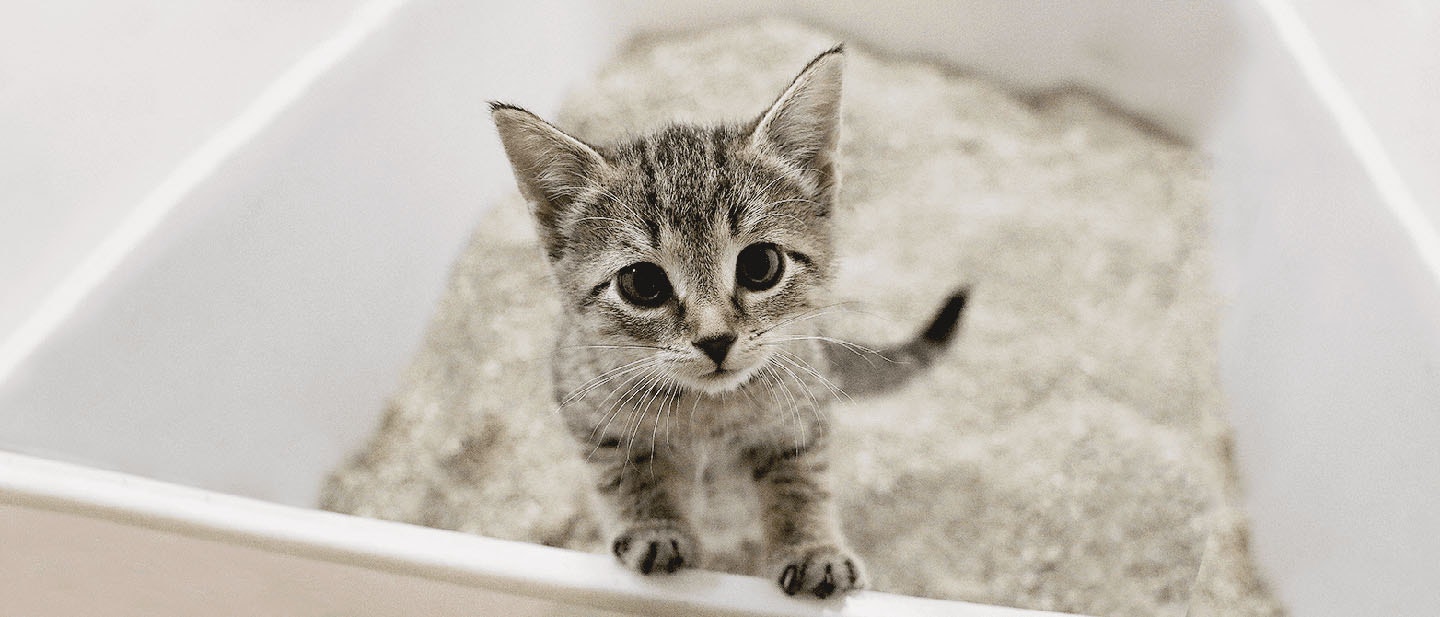
Choosing the right litter box is key to potty training a cat. A comfortable, appealing litter box helps ensure success. Factors like size, shape, and style matter. Let's explore these aspects.
Size And Shape Considerations
The litter box size should match your cat's size. Bigger cats need larger boxes. Ensure the cat can turn around easily inside. A spacious box prevents messes outside the box. Shape also plays a role. Rectangular boxes fit well in corners. Round boxes may suit more open spaces.
Open Vs. Covered Options
Open boxes offer easy access for cats. They allow for good air circulation. This can reduce odors. Some cats prefer the privacy of a covered box. Covered boxes may contain litter better. Consider your cat's behavior. Some feel confined in closed spaces. Choose based on your cat’s comfort.
Selecting The Ideal Litter
Selecting the ideal litter is crucial for successful cat potty training. Cats have strong preferences, so the wrong choice can hinder training. Understanding litter types helps create a comfortable environment for your feline friend. Below, we explore the differences between clumping and non-clumping, as well as scented and unscented options.
Clumping Vs. Non-clumping
Clumping litter forms solid masses when wet. This makes cleaning easy and keeps the box fresh. It's popular among cat owners for its convenience. Non-clumping litter absorbs moisture but doesn't form clumps. It may need more frequent changing to prevent odors. Both types have advantages. Consider your cat's behavior and your cleaning preferences.
Scented Vs. Unscented
Scented litter masks odors with fragrances. It can be appealing to humans but overwhelming for cats. Cats have sensitive noses and may avoid scented litter. Unscented litter relies on natural odor control. It's often preferred by cats for its neutral smell. Choosing between scented and unscented depends on your cat's comfort and your home environment.
Establishing A Routine
Potty training a cat requires patience and consistency. Establishing a routine is essential for success. Cats thrive on predictability, and a set routine helps them learn faster. Let's explore how to create an effective routine for potty training your feline friend.
Consistent Feeding Schedule
Feed your cat at the same times each day. A regular feeding schedule helps regulate their digestive system. This predictability allows you to anticipate when they might need the litter box. Monitor your cat's behavior after meals. This observation helps identify their natural potty times.
Regular Litter Box Visits
Encourage your cat to visit the litter box regularly. Lead them to the box after eating or drinking. Praise and reward them for using it correctly. This positive reinforcement builds good habits. Ensure the litter box is clean and accessible. A clean box encourages regular use and prevents accidents.
Introducing The Litter Box
Introducing your cat to a litter box is an essential step in potty training. Cats naturally prefer clean spaces to do their business, but a proper introduction is key. This process can be smooth and rewarding with the right techniques. Let's explore how to make this transition seamless for your feline friend.
Finding The Perfect Spot
Choose a quiet and accessible area for the litter box. Avoid high-traffic zones. Cats need privacy. A secluded corner in a room works well. Ensure the spot is away from food and water. This keeps your cat healthy and comfortable.
Gradual Introduction Techniques
Start by letting your cat explore the box. Place them near it after meals. This encourages use. Avoid forcing them into the box. Sprinkle a small amount of litter on top. Let your cat sniff and familiarize itself. Repeat this process daily for consistency.
Reward your cat with treats after using the box. Positive reinforcement helps them associate the box with good behavior. Keep the box clean. Scoop daily and change litter weekly. A clean box is inviting for your cat.
Teaching Basic Commands
Teaching basic commands is essential for potty training your cat. Use a litter box in a quiet, accessible spot. Reward your cat with treats or praise after successful use.
Teaching your cat basic commands can make potty training easier. It helps build trust between you and your feline friend. Start with simple commands, then gradually progress to more complex tasks. Use patience and consistency for the best results. Here are some tips to guide you.
Using Positive Reinforcement
Cats respond well to positive reinforcement. Reward your cat with treats or affection. Praise them immediately after they obey a command. This helps them associate good behavior with rewards. Keep training sessions short to maintain their interest. Consistency is key. Repeat the process daily until the behavior becomes routine.
Avoiding Negative Reactions
Avoid scolding or punishing your cat. Negative reactions can cause fear or anxiety. It may lead to undesired behaviors. Instead, stay calm and patient. Redirect your cat’s attention to the correct behavior. Use a gentle voice to guide them. Patience and understanding promote better results.
Addressing Common Challenges
Training a cat to use the toilet can be challenging. Patience and consistency are key to success. Use positive reinforcement and gradual steps to help your cat learn.
Addressing common challenges in potty training a cat can be a daunting task. Cats, like humans, have unique personalities and can face various issues. Understanding these challenges is crucial for successful training. This section will explore frequent problems and provide practical solutions.
Dealing With Accidents
Accidents are a normal part of the training process. Stay patient and calm. Clean accidents immediately to prevent lingering odors. Use enzymatic cleaners to remove all traces. This prevents your cat from returning to the spot. Ensure the litter box is clean and accessible. Cats are less likely to use a dirty box. If accidents persist, consider changing the litter type. Some cats prefer different textures or scents.
Handling Fear Or Anxiety
Fear or anxiety can hinder potty training. Create a calm and safe environment for your cat. Introduce the litter box gradually, allowing exploration. Use positive reinforcement when they use it successfully. Offer treats or affection to encourage them. Avoid loud noises or sudden movements near the box. These can increase anxiety. If fear persists, consult with a veterinarian. They can provide guidance or recommend anxiety-reducing strategies.
Monitoring Progress
Monitoring your cat's progress in potty training involves patience and consistency. Observe changes in behavior, making note of successful attempts. Adjust the training method if needed to improve results.
Monitoring your cat's potty training progress is crucial for success. It's not just about knowing if your cat is using the litter box, but understanding their habits and making necessary adjustments. This phase demands patience and keen observation.
Tracking Usage Patterns
Keep a close eye on how often and when your cat uses the litter box. Are there certain times of the day they prefer? Take notes of these patterns. Create a simple chart or diary to record this information. This can help you identify any irregularities. If your cat is avoiding the box at specific times, there might be a reason worth investigating.
Adjusting Strategies As Needed
Sometimes your initial plan might not work perfectly. Be ready to tweak your approach based on your observations. For instance, if your cat consistently avoids the box after a particular event, consider changing its location or the type of litter used. Ask yourself: Is the litter box easy to access? Is it clean enough? Small changes can lead to significant improvements. Stay flexible and responsive to your cat’s needs.

Credit: www.amazon.com
Maintaining Cleanliness
Teaching a cat to use the litter box involves patience and consistency. Begin by placing the box in a quiet spot. Encourage your cat to explore and use the box regularly.
Maintaining cleanliness is crucial in potty training your cat. Cats are naturally clean animals and prefer a tidy environment. Keeping the litter box clean helps them feel comfortable using it. This also prevents any health issues related to hygiene. A clean litter box encourages consistent use, making potty training smoother. The following tips will help you maintain cleanliness effectively.
Regular Litter Box Cleaning
Cats appreciate a clean litter box. Scoop the litter daily to remove waste. This keeps the box fresh for your cat. Every week, change the litter completely. Wash the box with mild soap and water. Avoid strong chemicals; they can deter your cat. After cleaning, dry the box thoroughly before adding new litter. A tidy litter box promotes regular use.
Preventing Odors
Odor control is essential for a pleasant home. Choose a high-quality litter that absorbs smells. Baking soda can help reduce odors. Sprinkle a small amount in the litter box. Ventilate the area where the box is located. Fresh air reduces lingering smells. Regular cleaning prevents odor buildup. A pleasant-smelling area makes potty training easier for your cat.
Credit: www.tiktok.com
Frequently Asked Questions
How To Potty Train A Cat Quickly?
Begin by placing the litter box in a quiet, accessible location. Gradually move it closer to the toilet over several days. Use a litter box insert for the toilet and encourage your cat with treats and praise. Maintain consistency and patience for quicker results.
How Long Will It Take To Potty Train A Cat?
Potty training a cat typically takes 2 to 4 weeks. Success depends on consistency, patience, and your cat's adaptability. Introduce a litter box gradually, keeping it clean and accessible. Encourage positive behavior with rewards. Some cats learn faster, while others need more time to adjust.
Is It Difficult To Potty Train A Cat?
Potty training a cat is generally straightforward. Cats are naturally clean and prefer using litter boxes. Consistency, patience, and positive reinforcement make the process smoother. Most cats adapt quickly to litter box training, making it relatively easy for pet owners.
Can A Cat Be Potty Trained?
Yes, cats can be potty trained using a litter box. Start by placing the box in a quiet spot. Encourage your cat by gently guiding them to the box. Clean it regularly to keep your cat comfortable. With patience, most cats will learn to use the litter box consistently.
Conclusion
Potty training your cat is simpler than you might think. Patience is key. Start with a clean litter box. Place it in a quiet spot. Encourage your cat to use it. Reward good behavior consistently. Gradually increase expectations. Watch for signs of discomfort.
Adjust if necessary. Every cat is unique. Some learn quickly; others need time. Stay positive and persistent. Your efforts will pay off. Enjoy a cleaner home and happy pet. Keep practicing these steps. Soon, your cat will be well-trained. Celebrate small victories.
Your cat will thank you.