
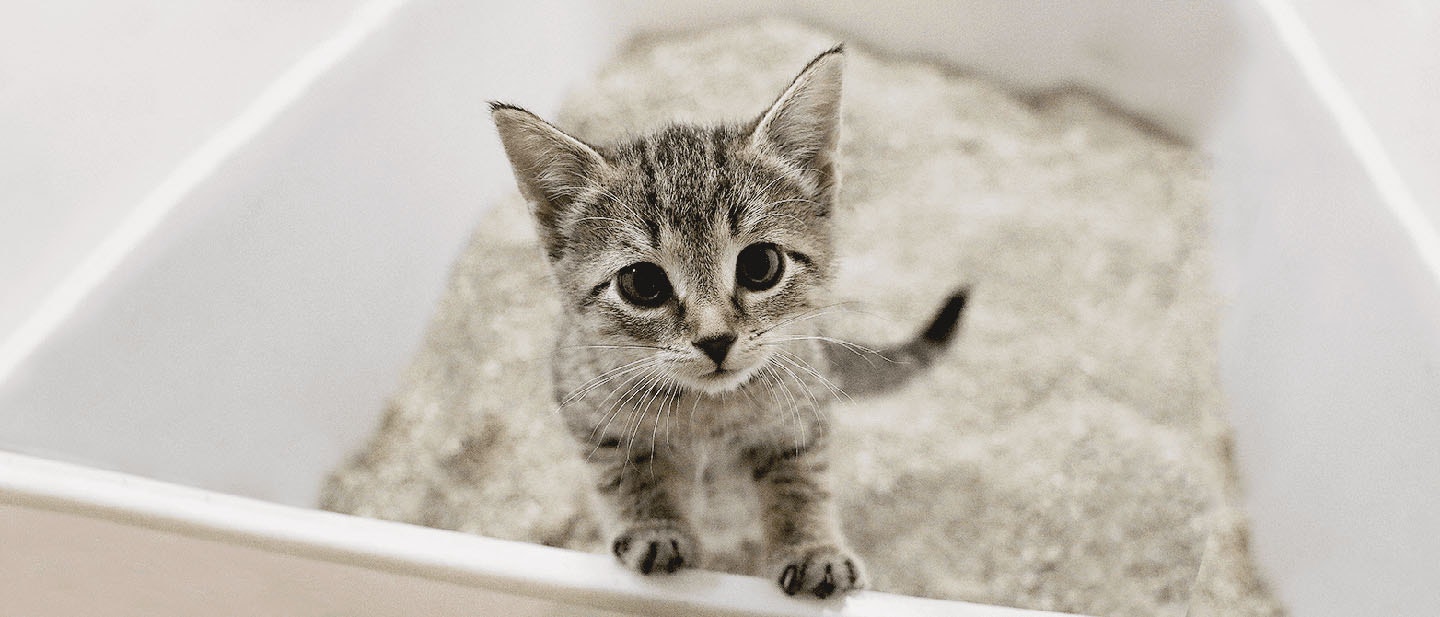
Imagine a home where your cat gracefully uses the litter box, saving you from messy clean-ups and unpleasant odors. Sounds like a dream, right?
But it's entirely achievable with a bit of patience and the right strategies. If you've ever felt overwhelmed by the idea of potty training your feline friend, you're not alone. Many cat owners face this challenge, but the good news is that it's easier than you might think.
By understanding your cat's natural instincts and behavior, you can guide them to use the litter box effortlessly. This article will reveal simple, effective techniques to make the transition smooth for both you and your furry companion. You'll discover tips that align with your cat's natural tendencies, making the process intuitive and stress-free. So, if you're ready to transform your cat's bathroom habits and reclaim your clean home, keep reading. The secrets to successful potty training are just a scroll away!
Choosing The Right Litter Box
Choosing the right litter box is crucial for successful potty training. Your cat's comfort and ease can make a difference in their training journey. The right box ensures your cat feels safe and comfortable. Consider the following aspects to make an informed decision.
Size And Design Considerations
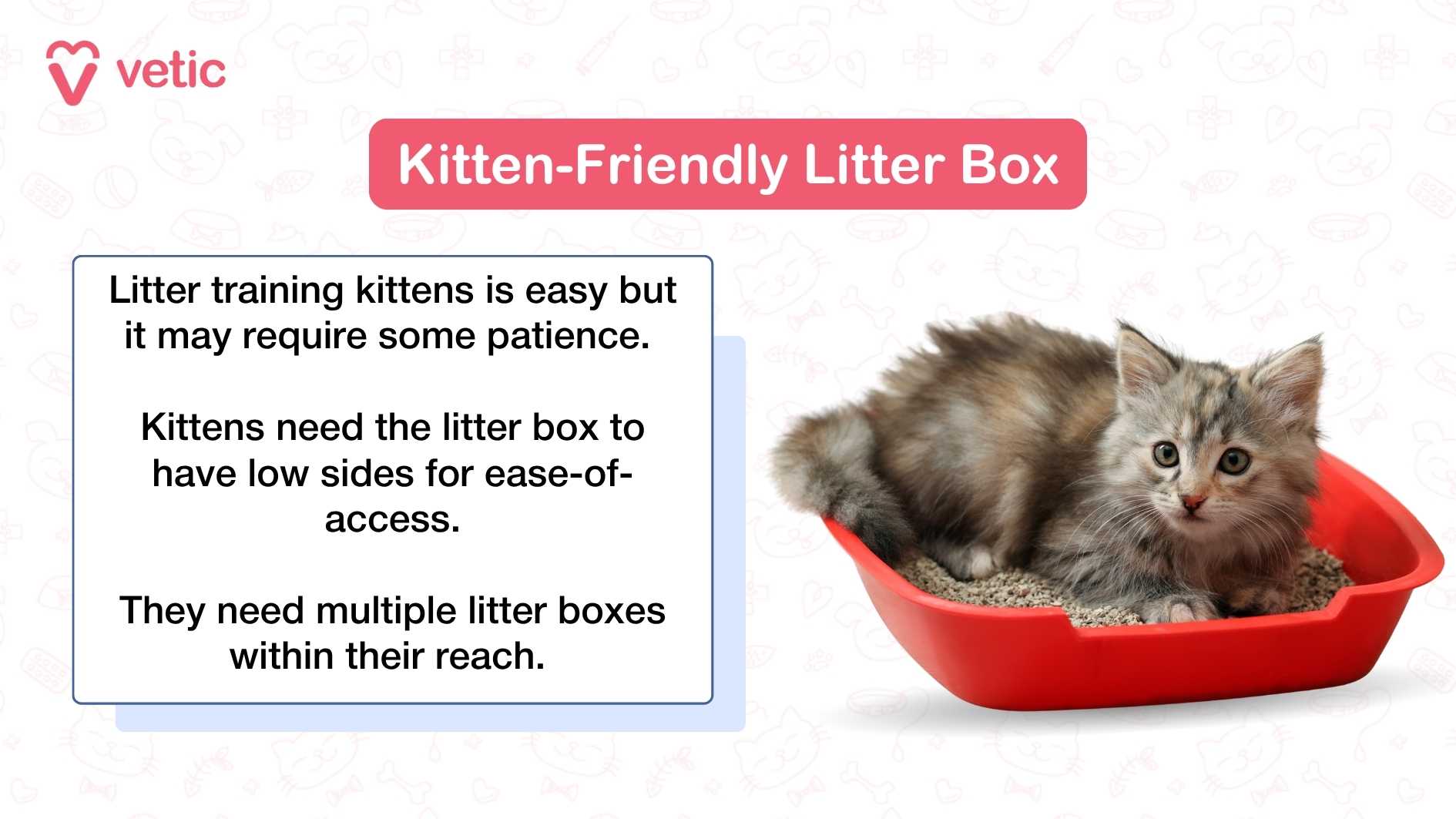
Choose a litter box that suits your cat's size. A larger box provides more space for movement. Cats need room to turn and dig comfortably. Avoid boxes that are too small or cramped. Design matters too. Open boxes allow easy access. Covered boxes offer privacy but may trap odors. Consider your cat's preferences and habits.
Material And Durability
Litter boxes come in various materials. Plastic is lightweight and easy to clean. Look for durable plastic that withstands wear and tear. Some boxes are made of metal, offering sturdiness. Check if the material is non-toxic and safe. Durability ensures the box lasts longer. A sturdy box supports your cat's needs over time.
Credit: drpashu.com
Selecting The Best Cat Litter
Choosing the right litter makes potty training easier for cats. Opt for clumping litter to simplify cleaning. Ensure the box is always clean to encourage use.
Selecting the best cat litter is a crucial step in successfully potty training your feline friend. The right choice can make all the difference in how quickly and comfortably your cat adapts to using the litter box. Whether you're new to cat ownership or just looking to improve your current setup, understanding the types and features of cat litter can save you time and frustration.
Types Of Cat Litter
Cat litter comes in various types, each with its own benefits and drawbacks. Clay-based litter is popular for its excellent absorbency and clumping ability, making cleaning easier. However, it can be dusty, which might not be suitable for sensitive cats or owners with allergies. Silica gel litter offers a dust-free experience and superior odor control, though it can be more expensive. Biodegradable options like corn or wheat litter are eco-friendly and flushable, appealing to environmentally conscious owners. Have you considered how your litter choice might impact not just your cat's comfort but also your household environment?
Scented Vs. Unscented Options
Scented litters can mask odors effectively, creating a more pleasant environment for you. However, not all cats appreciate the added fragrances, which can deter them from using the litter box altogether. Unscented options offer a more natural experience, and some cats prefer these for their subtlety. It's essential to observe your cat's reactions when you first introduce a new scented litter. Does your cat seem hesitant or avoid the box? If so, an unscented option might be a better fit. Remember, your cat's comfort with the litter can directly influence their litter box habits, so choose wisely.
Setting Up The Litter Box
Choose a quiet, accessible spot for the litter box. Keep it clean by scooping daily to encourage use. Use unscented litter to avoid overwhelming your cat's senses.
Setting up the litter box is key to successful cat potty training. A well-prepared litter box invites your cat to use it confidently. Here’s how to set it up right.
Optimal Location
Choose a quiet spot for the litter box. Avoid high-traffic areas. Cats prefer privacy when doing their business. Keep it away from noisy appliances. Ensure the spot is easy for your cat to reach. Don't place it near their food or water. Cats dislike this.
Initial Setup Tips
Select the right size of litter box. It should be roomy for your cat. Fill it with two to three inches of litter. Use unscented, clumping litter for comfort. Place a mat under the box. This catches stray litter. Clean the box daily to keep it fresh. Regular cleaning encourages your cat to use it.
Credit: vetic.in
Introducing Your Cat To The Litter Box
Introducing your cat to the litter box is an essential step in potty training. Cats are naturally clean animals, but a little guidance helps. Start with a proper setup and a gentle approach. Ensure the box is accessible and comfortable. The right location can make a big difference. Let's explore strategies for a smooth introduction.
Gradual Introduction Strategies
Begin with placing the litter box in a quiet spot. Cats need privacy when using it. Allow your cat to explore the box freely. Avoid forcing them into it. Instead, encourage curiosity by placing toys nearby. Gradually move the box closer to its permanent location. This helps your cat get used to it.
Consider using a litter that mimics outdoor textures. Some cats prefer sand-like litter. Experiment to find what your cat likes. Make sure the box is clean. Cats avoid dirty environments. Scoop daily to keep it fresh. A clean box invites regular use.
Positive Reinforcement Techniques
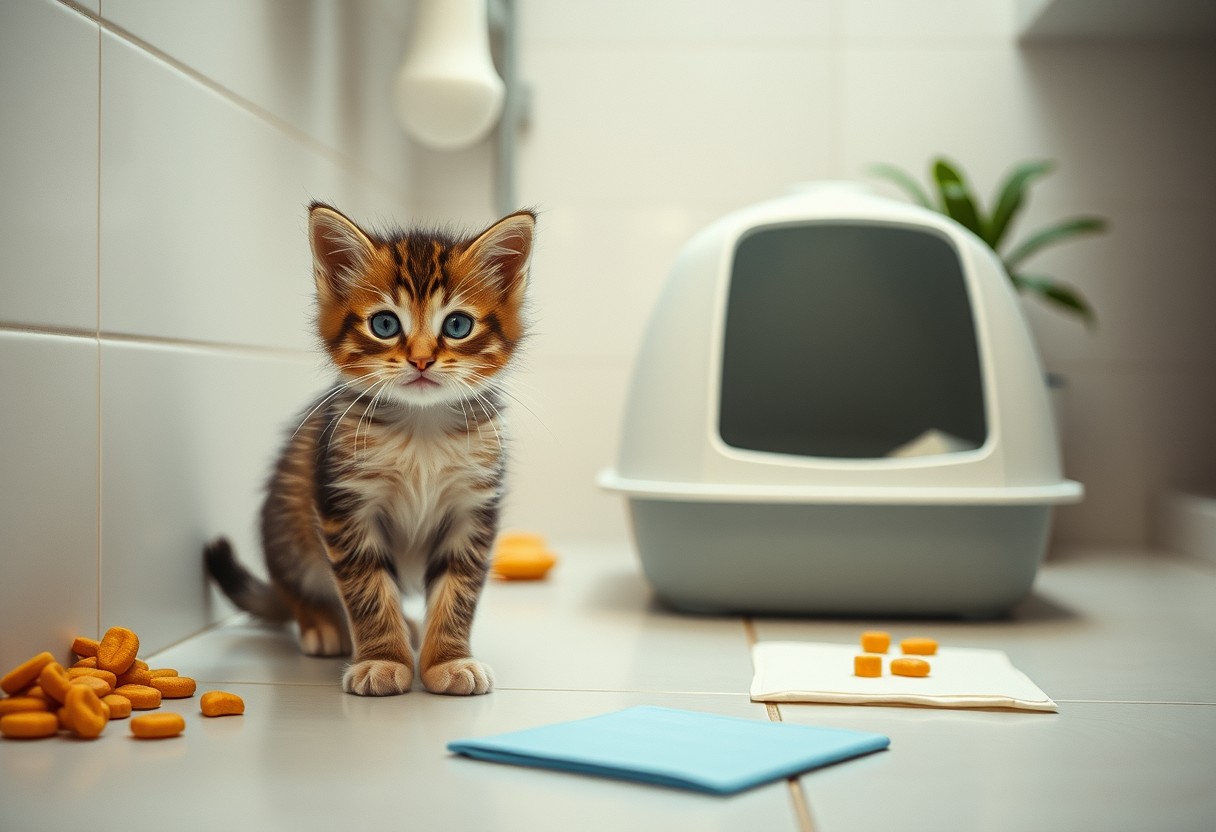
Reward your cat for using the litter box. Positive reinforcement encourages good behavior. Use treats or praise as incentives. This builds positive associations with the box. Keep rewards consistent to reinforce habits.
Observe your cat's behavior. When they use the box, offer immediate praise. Timing is crucial for effective reinforcement. Never punish your cat for accidents. This creates anxiety and confusion. Focus on rewarding successful use instead.
Gradually reduce rewards as habits form. Your cat will learn to use the box independently. Consistency is key. Positive experiences lead to lasting behavior.
Troubleshooting Common Issues
Potty training a cat can be challenging. Introduce the litter box gradually. Ensure it's always clean and accessible. Cats may resist change, so patience is key. Consistent placement and rewards can help form positive habits. If issues persist, consult a vet for advice.
Potty training a cat to use a litter box can be challenging. Some cats might resist the change. Others might have accidents outside the box. Knowing how to address these issues is crucial. Let's explore some common problems you may face. Discover solutions to help your cat learn quickly and comfortably.
Addressing Reluctance
Some cats may be hesitant to use a new litter box. The box might seem unfamiliar. The location might feel awkward. Try placing the box in a quiet spot. Make sure it's easily accessible. Test different types of litter. Some cats prefer fine-grained litter. This can make the box more appealing. Create a positive association with the box. Praise your cat after they use it. Consider using treats for encouragement.
Dealing With Accidents
Accidents can happen during training. It's important to stay calm. Never punish your cat for accidents. This can cause fear. Instead, clean the area thoroughly. Remove any lingering scent. Use an enzymatic cleaner if needed. This helps prevent repeat accidents. Observe your cat's behavior. Look for signs they need to go. Guide them gently to the box. Praise them when they succeed. This reinforces positive behavior.
Credit: www.petmd.com
Maintaining Litter Box Hygiene
Maintaining a clean litter box is crucial when potty training a cat. Regular cleaning prevents odors and encourages use. Scoop daily and change litter weekly for best results.
Maintaining litter box hygiene is crucial for a happy and healthy cat. A clean litter box encourages your feline friend to use it regularly, and it prevents unpleasant odors from invading your home. The key lies in adopting a routine that keeps the litter box fresh and appealing.
Daily Cleaning Routine
Your cat deserves a clean space, just like you do. Scooping the litter box daily not only keeps odors at bay but also ensures your cat doesn't face the unpleasantness of using a dirty box. Consider having a designated time each day for this task. Whether it's in the morning or evening, consistency will make it a habit. Using a high-quality scoop can make the process quick and efficient. If you have multiple cats, you might find it necessary to scoop twice a day.
Periodic Deep Cleaning
Just like humans need to spring-clean their homes, your cat's litter box needs a deep clean every few weeks. This involves completely emptying the box and washing it with mild soap and warm water. A thorough scrub prevents the buildup of bacteria and keeps the box from smelling bad. After cleaning, ensure the box is completely dry before adding fresh litter. Some cat owners even choose to replace the litter box annually for optimal hygiene. Would you consider doing the same for your furry friend?
Transitioning To Advanced Training
Transitioning to advanced training for cat litter box use involves patience and understanding. Introduce your cat to the litter box gradually. Positive reinforcement helps your cat feel comfortable and confident in using the litter box.
Transitioning your cat from basic litter box use to advanced training can be both a challenge and a rewarding experience. Just like humans, cats can be creatures of habit, and understanding their behavior will guide you in this process. As you venture into advanced training, you'll find that patience and consistency are your best allies.
Moving Beyond Basics
Once your cat is reliably using the litter box, it's time to introduce more complex behaviors. You can start by teaching your cat to use a different type of litter box, like a covered one, or even an automatic self-cleaning box. This change can help your cat adapt to different environments and situations. Consider experimenting with different litter types to see if your cat has a preference. Some cats might prefer clumping litter, while others might like crystal or natural options. Observing your cat's reactions can give you insights into their comfort levels. Don't forget to reward your cat for successful transitions. Positive reinforcement, such as treats or affection, can encourage your cat to embrace new challenges. Have you noticed how a simple pat on the back can boost their confidence?
Considerations For Multiple Cats
If you have multiple cats, advanced training requires a bit more strategy. Cats are territorial, and sharing a litter box can sometimes lead to stress or even aggressive behavior. Have you noticed any conflicts around the litter box area? Provide each cat with their own litter box. A good rule of thumb is to have one more litter box than the number of cats. This ensures that every cat has access and reduces the likelihood of territorial disputes. Observe each cat's habits and preferences. Some cats might like a quiet, secluded spot, while others prefer a more accessible location. Understanding these nuances can make a significant difference in maintaining harmony. By focusing on these advanced training techniques, you can ensure that your feline friends are not only using the litter box efficiently but are also happy and stress-free.
Frequently Asked Questions
How Long Does It Take To Train A Cat To Use A Litter Box?
Training a cat to use a litter box typically takes about one to two weeks. Begin by placing the box in a quiet, accessible area. Encourage use after meals and naps. Keep the box clean to maintain the cat's interest.
Consistency and patience are key for successful litter box training.
How To Potty Train A Cat To Use The Litter Box?
Place the litter box in a quiet, accessible area. Introduce your cat to the box. Reward them for using it. Keep the box clean and fresh. Choose a litter your cat likes.
How Do I Encourage My Cat To Pee In The Litter Box?
Place the litter box in a quiet, accessible location. Keep it clean and free of odors. Use unscented litter that your cat prefers. Reward your cat with treats and praise after using the box. Ensure your cat feels safe and secure around the litter box area.
Do Cats Prefer Open Or Closed Litter Boxes?
Cats often prefer open litter boxes for better ventilation and visibility. Some cats enjoy the privacy of closed boxes. Preferences vary based on individual behavior and personality. It's essential to observe your cat's comfort and behavior to determine the best choice.
Always keep the litter box clean.
Conclusion
Training your cat to use a litter box is simple. Patience and consistency are key. Reward your cat with treats and praise. Keep the litter box clean for your cat's comfort. Your cat will learn faster in a stress-free environment.
Choose a quiet spot for the litter box. Avoid changing litter brands frequently. Cats like routine and familiar smells. Watch for any signs of distress or discomfort. Adjust your approach if needed. Celebrate small victories along the way. Soon, your cat will be a pro at using the litter box.
Enjoy a clean and happy home!
