
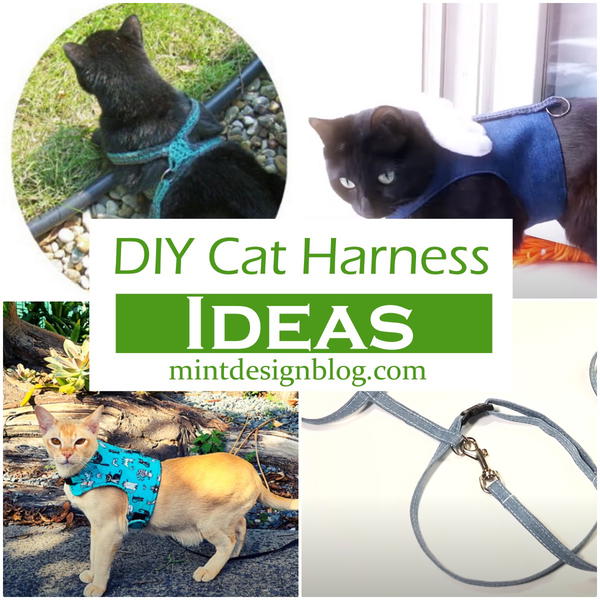
Are you tired of the generic cat leashes available at pet stores? Do you want something unique that reflects your style and keeps your feline friend safe and comfortable?
You're in the right place! Making a homemade cat leash is easier than you think, and it can be a fun and creative project. This guide will show you step-by-step how to craft a leash that suits your needs and your cat's personality.
Imagine the joy of walking your cat with a leash made by you, knowing every stitch and detail is crafted with love. Let's dive into this simple yet rewarding process. You’ll soon see why a homemade leash could be the best choice for your cat and you. Keep reading, and discover how your next DIY adventure can lead to happier and safer outings with your beloved pet.

Credit: es.pinterest.com
Materials Needed
Gather some sturdy fabric or nylon rope, a pair of scissors, and a metal clasp. A sewing kit or strong adhesive is also needed to secure the ends.
Creating a homemade cat leash can be a rewarding experience that combines creativity with practicality. The first step in this DIY project is gathering the right materials. These materials will ensure that your leash is not only durable but also comfortable for your feline friend. Let's dive into the essentials you need to craft the perfect leash for your cat.
Choosing The Right Rope Or Cord
The rope or cord is the backbone of your cat leash, so choose wisely. Opt for a strong, flexible material like nylon or polyester. These materials are durable and resistant to fraying, providing the security you need. Consider the thickness as well. A medium thickness is ideal, offering both strength and comfort. Too thick, and it might be cumbersome; too thin, and it might not hold up well. Have you thought about the color? Bright colors or reflective materials can enhance visibility, adding an extra layer of safety during walks.
Selecting The Clasp
The clasp is a crucial component, acting as the connection between the leash and your cat's collar. Look for a clasp that is easy to open and close yet secure enough to prevent accidental release. Swivel clasps are a popular choice. They allow for smooth movement, preventing the leash from tangling as your cat explores. Consider the size and weight of the clasp. It should be sturdy without being too heavy, ensuring your cat's comfort.
Additional Accessories
Enhance your homemade leash with some thoughtful accessories. A padded handle can add comfort to your grip, especially during longer walks. Reflective strips or tags are a smart addition for those evening strolls. They increase visibility, which is crucial for your cat's safety. Are you worried about losing your adventurous feline? A small bell attached to the leash can provide an audible cue to your cat's whereabouts. By carefully selecting these materials, you ensure that your homemade cat leash is both functional and stylish. What unique touches will you add to make it truly your own?
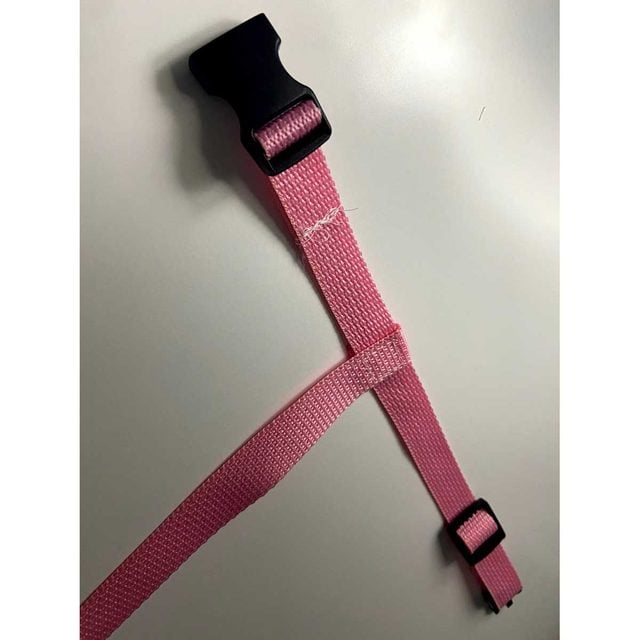
Credit: www.familyhandyman.com
Preparing The Cord
Preparing the cord involves selecting a sturdy, comfortable material for your cat's leash. Choose a soft, durable rope or fabric. Measure the appropriate length to allow freedom of movement while ensuring control.
Preparing the cord is an essential step in crafting a sturdy and comfortable homemade cat leash. It's more than just selecting any piece of cord; the details matter. The right preparation ensures that your feline friend is both safe and comfortable during walks. Moreover, a well-prepared cord can make the difference between a durable leash and one that frays easily.
Measuring The Length
Start by deciding how much freedom you want to give your cat. A leash that's too long might overwhelm your pet, while one that's too short could restrict their movement unnecessarily. Aim for a length between 4 and 6 feet, which provides a good balance of control and freedom. Consider your cat’s personality and walking habits. If your cat enjoys exploring, a slightly longer leash might be beneficial. Use a measuring tape to mark the exact length you need, ensuring you have a bit extra for knots and handles.
Cutting The Cord
Once you've measured the right length, it's time to cut the cord. Use sharp scissors or a cutting tool to ensure a clean cut. This prevents fraying and makes it easier to attach hardware like clips or hooks. Remember to leave a few extra inches at each end for tying knots or attaching clips. Double-check your measurements before cutting, as it's better to cut once correctly than make multiple adjustments. If you're using a synthetic cord, consider sealing the ends with a lighter to prevent fraying. Each step you take in preparing the cord contributes significantly to the final product. Have you ever tried making something without proper preparation, only to find it falling apart? Ensuring every detail is perfect makes your homemade cat leash both practical and durable.
Securing The Clasp
Securing the clasp is essential for a reliable homemade cat leash. Choose a sturdy clasp that fits your cat's collar. Ensure it closes tightly to prevent accidental openings.
Securing the clasp is a crucial step in making a homemade cat leash. It's the part that connects the leash to your cat’s collar, ensuring your feline friend stays safe. A poorly secured clasp can lead to unexpected escapes during your outdoor adventures. Let's dive into the details of attaching and ensuring the stability of the clasp for a worry-free experience.
Attaching The Clasp
Begin by selecting a sturdy clasp that can withstand your cat’s movements. A swivel eye snap hook is a popular choice due to its durability and flexibility. Thread the end of the leash material through the clasp’s eye. Ensure you leave enough material to work with for securing. Secure the material by folding it back on itself, creating a loop. Use a strong, durable thread to sew the fold, ensuring multiple stitches for added strength. If sewing isn't your thing, consider using a heavy-duty adhesive or a hot glue gun for reinforcement. Remember, the goal is to create a strong bond that can handle the tugging and pulling of your energetic kitty.
Ensuring Stability
Once the clasp is attached, test its stability. Give it a few firm tugs to make sure it holds steady without slipping or loosening. Consider the environment you’ll be walking in. If your cat is more adventurous, a reinforced clasp might be necessary. You might be tempted to skip this step, but remember, a secure leash gives you peace of mind. It’s not just about keeping your cat safe but also about making your walks more enjoyable. Have you ever experienced the panic of a loose clasp? It's a moment that underscores the importance of thoroughness. Double-check your work and make adjustments as necessary to avoid unexpected surprises. In securing the clasp, you're not only crafting a leash; you're building trust with your feline friend. A well-made leash ensures your adventures together are safe and enjoyable.
Credit: www.tiktok.com
Adding Custom Features
Enhance your homemade cat leash by adding custom features for comfort and style. Choose soft materials and adjustable straps to ensure a cozy fit. Personalize with colorful designs or reflective elements for added safety during nighttime walks.
Making a homemade cat leash is not only a practical project but also an opportunity to add a personal touch. By adding custom features, you can ensure your feline friend has a leash that's both functional and stylish. Customizing your cat leash allows you to express creativity while catering to your cat's comfort and safety. Let's dive into some exciting ways to personalize your creation.
Decorative Elements
Unleash your artistic side by adding decorative elements to the leash. Consider using colorful ribbons or fabric strips to wrap around the leash for a vibrant look. You could also sew on patches or charms that reflect your cat's personality. Why not add a little bling with some sparkling beads or sequins? It’s simple and can turn a plain leash into a fashionable accessory. Remember, your cat’s leash is a reflection of both you and your pet’s style.
Comfort Enhancements
Your cat’s comfort should be a top priority. Use soft materials like fleece or cotton to line the inside of the leash for a gentler touch against your cat’s skin. This can prevent chafing and make walks more enjoyable for your furry friend. Consider adding an adjustable section to the leash. This feature can accommodate your cat's movements more freely, ensuring they feel secure yet unrestricted. A little extra padding around the handle can also enhance your comfort as you guide your adventurous kitty. What custom features will you add to your homemade cat leash? The choices are endless, and each addition brings you closer to a perfect blend of comfort and style.
Safety Considerations
Safety is key when making a homemade cat leash. Ensure materials are strong and secure to avoid breakage. Regularly check for wear and tear to keep your cat safe during walks.
When making a homemade cat leash, ensuring your feline friend's safety is paramount. A leash that breaks or doesn't fit properly can lead to accidents or discomfort for your cat. Prioritize safety by choosing durable materials and testing the leash thoroughly before venturing outside. Consider your cat's behavior and comfort level, as these can impact how safe the leash will be during use.
Testing The Leash
Before putting the leash to the ultimate test outdoors, conduct a few trials indoors. Attach the leash to your cat's harness and observe how it handles their natural movements. Check for any weak points or areas where the leash might fray. You might want to gently tug on the leash to ensure it holds up against sudden pulls or jerks. If you notice any issues, reinforce those areas with additional stitching or stronger materials. It’s better to discover any weaknesses now rather than in a potentially unsafe situation.
Monitoring Your Cat
Once you've ensured the leash's durability, it's important to monitor your cat while they wear it. Pay attention to their body language and reactions. Are they comfortable, or do they seem stressed or anxious? Keep a close eye on how the leash and harness fit, ensuring there's no excessive pressure on their neck or chest. Regularly check for signs of wear and tear, especially if your cat is an avid explorer. Remember, a cat's safety is not just about the leash—it's about how they feel and react while wearing it. By prioritizing these safety considerations, you're not only protecting your cat but also enhancing your shared outdoor experiences. What measures do you take to ensure your pet's safety?
Tips For Successful Use
Ensure the leash is comfortable and secure for your cat. Use durable materials that won't harm your pet. Test the leash at home before venturing outside to ensure it fits well and your cat is comfortable.
Making a homemade cat leash can be a fun and rewarding project. However, to ensure its successful use, it's important to pay attention to a few key aspects. From training your cat to maintaining the leash, these tips will help you and your feline friend enjoy your outdoor adventures together.
Training Your Cat
Before using your homemade cat leash, it's crucial to train your cat to get used to it. Start by letting your cat wear the harness indoors. This will help them feel comfortable and reduce any anxiety associated with wearing something new. Gradually introduce your cat to the leash by attaching it while they're indoors. Allow them to walk around freely, dragging the leash behind to help them adapt to the new sensation. Reward your cat with treats and affection to create a positive association with the leash. Once your cat is comfortable indoors, take short walks in a quiet area outside. This way, they won't be overwhelmed by new sounds and sights. Be patient and give them time to explore at their own pace.
Maintaining The Leash
Regular maintenance of your homemade cat leash ensures safety and longevity. Check the leash and harness for any signs of wear and tear. This is especially important if your cat tends to pull or chew on the leash. Clean the leash regularly, especially if it has been used outdoors. Depending on the material, you can either hand wash it or use a gentle cycle in your washing machine. This keeps the leash free from dirt and bacteria, ensuring your cat's safety. Consider storing the leash in a safe place when not in use. This prevents it from getting damaged and keeps it ready for your next adventure. Remember, a well-maintained leash is essential for a fun and safe outdoor experience with your cat. Have you ever tried making your own cat leash? Share your experiences and tips in the comments below!
Frequently Asked Questions
How To Make A Cat Leash At Home?
Create a cat leash using strong nylon webbing, a metal clip, and a sewing kit. Measure your cat's size, cut the webbing accordingly, and sew the clip securely. Test the leash for durability before use. Ensure comfort and safety for your cat while walking.
How To Make A Sling For Your Cat?
Use a sturdy fabric to craft a simple sling. Sew a loop for your shoulder and a pocket for your cat. Ensure comfort and safety by checking the fit. Avoid tight or loose designs. Always supervise your cat while using the sling.
What Makes A Good Cat Leash?
A good cat leash is durable, comfortable, and adjustable for a secure fit. It should feature strong clasps, a soft handle, and reflective materials for safety. Choose a leash that allows freedom of movement while maintaining control. Ensure it suits your cat's size and activity level.
How To Make A Cat Walk Around?
Encourage your cat to walk by using toys or treats. Create an engaging environment with interactive play sessions. Place treats or toys at a distance to motivate movement. Gradually increase the walking distance. Ensure the area is safe and comfortable for the cat to explore.
Conclusion
Crafting a homemade cat leash can be easy and fun. With simple materials, you create something special for your cat. It’s a great way to bond and ensure safety during walks. Always check the leash for wear and tear. Replace if it shows signs of damage.
This keeps your cat secure. Happy crafting, and enjoy your walks together! Your cat will love exploring safely with you. Remember, a little effort makes a big difference. Keep it simple, and your cat will thank you. Enjoy every moment with your furry friend!