
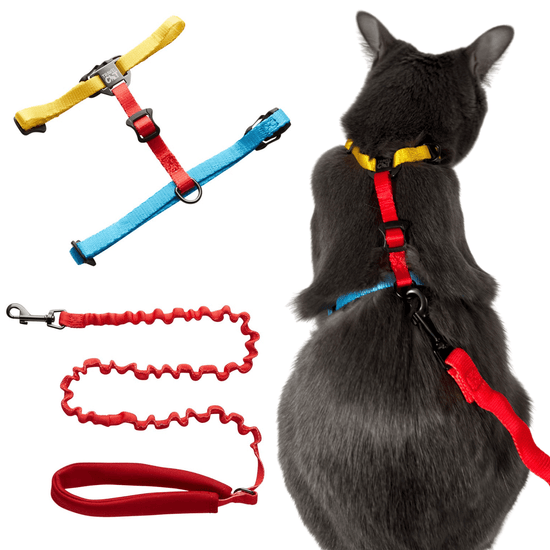
Imagine taking leisurely walks with your feline friend, exploring the great outdoors together, and letting them safely enjoy new sights and smells. Sounds like a dream, right?
But before you and your cat can set off on these exciting adventures, you need the right gear: a cat harness and leash. While store-bought options are available, making your own can be a fun and rewarding experience. Not only does it allow for a custom fit that ensures your cat's comfort, but it also gives you the chance to get creative.
Plus, there's something incredibly satisfying about crafting something with your own hands, especially when it benefits your beloved pet. In this guide, you'll discover simple steps to create a safe and stylish harness and leash for your cat. So, are you ready to unlock the door to endless adventures with your furry companion? Let's dive in and get started!
Materials Needed
Gather soft fabric, adjustable buckles, and sturdy thread for crafting a comfortable cat harness. Include D-rings, a sewing needle, and a strong leash material. These materials ensure safety and comfort for your feline friend.
Understanding the materials needed for making a cat harness and leash is essential. Choosing the right materials ensures comfort and safety for your feline friend. Let's explore the options and essentials for this DIY project.
Fabric Options
Selecting the right fabric is crucial for a comfortable harness. Here are some options:
- Cotton:Soft and breathable. Ideal for mild climates.
- Nylon:Durable and strong. Suitable for active cats.
- Mesh:Lightweight and airy. Great for hot weather.
Choose a fabric that suits your cat's needs.
Hardware Essentials
Hardware is vital for functionality and safety. Consider these essentials:
- D-rings:Attach the leash securely.
- Buckles:Ensure easy fastening and adjusting.
- Adjusters:Provide a snug fit for different sizes.
These components keep the harness secure and adjustable.
Tools Required
Having the right tools makes the process smoother. Gather these tools:
- Scissors:For cutting fabric and straps.
- Sewing machine:Speeds up assembly.
- Needle and thread:For hand-stitching small parts.
- Measuring tape:Ensures accurate sizing.
These tools help create a well-fitted harness.

Credit: yourcatbackpack.com
Designing The Harness
Creating a cat harness involves measuring your cat and selecting soft, durable materials. Stitch the straps carefully, ensuring a snug yet comfortable fit.
Designing a harness for your cat is a rewarding project that offers the satisfaction of creating something uniquely tailored for your feline friend. Whether you're venturing into the world of cat harnesses for the first time or looking to refine your design, understanding the key elements of style, measurement, and pattern creation is essential. Let's dive into the details to ensure your cat harness is both comfortable and stylish.
Choosing The Right Style
When selecting a style for your cat harness, consider both functionality and your cat’s comfort. A simple H-style harness might be ideal for beginners, offering ease of assembly and minimal pressure points. For a snug fit that distributes pressure evenly, an adjustable vest style could be your best bet. Think about your cat's personality and behavior. Does your cat love adventure or prefer a more relaxed environment? This can guide your design choice.
Measuring Your Cat
Accurate measurements are crucial in ensuring a comfortable fit. Use a soft measuring tape to measure the circumference of your cat's neck and chest. Add about an inch to these measurements to allow for comfort and growth. Remember to measure while your cat is calm to get the most accurate results.
Creating A Pattern
Once you have your measurements, it’s time to create a pattern. Use paper or fabric to draft your design, ensuring to mark key areas like the neck and chest. Consider using a fabric that’s easy to work with, like cotton, for your initial pattern. You might find it helpful to create a mock-up first, allowing adjustments before cutting into your final fabric. Designing a cat harness can be both a creative and practical endeavor. What style are you leaning towards for your cat?
Cutting The Fabric
Cutting the fabric marks the first step in crafting a cat harness and leash. Choose a soft, durable fabric that ensures comfort. Ensure precise measurements to fit snugly but comfortably around your cat.
Cutting the fabric is a pivotal step in crafting your own cat harness and leash. It’s where precision meets creativity, ensuring that your feline friend gets both comfort and style. A well-cut fabric will make your sewing task easier and your final product more durable and appealing.
Preparing The Fabric
Before you start cutting, make sure your fabric is clean and ironed. Wrinkles can lead to inaccurate measurements, and you wouldn’t want an uneven harness for your cat. Lay the fabric on a flat surface and smooth it out with your hands. Choose a fabric that’s both sturdy and comfortable for your cat. Cotton is a popular choice due to its softness and durability. Consider patterns that suit your cat's personality—maybe something colorful and bold or sleek and simple.
Cutting Techniques
Now, grab your fabric scissors and a ruler. Precision is key, so measure twice and cut once. Use chalk or a fabric pen to mark your measurements clearly before making any cuts. For a basic harness, you'll need two strips of fabric: one for the neck and another for the chest. Ensure these strips are wide enough to provide support but not so wide that they restrict movement. Typically, a width of one inch is suitable, but adjust according to your cat’s size. Don’t forget to leave some extra fabric for seams. A half-inch seam allowance on each side should suffice. This will give you room to sew without compromising the fit of the harness. As you cut, keep your scissors steady and follow the lines you’ve marked. If you’re feeling adventurous, you might even try a rotary cutter for cleaner lines. Wouldn't a harness with crisp edges feel more professional? Remember, the time you invest in cutting the fabric accurately will pay off when you see your cat strutting around comfortably in their new harness. So, take a deep breath, focus, and enjoy the process!

Credit: www.amazon.com
Assembling The Harness
Assembling the harness involves measuring your cat's size for a secure fit. Select strong, lightweight materials for comfort. Stitch the pieces together carefully, ensuring durability and safety.
Assembling the harness for your cat can be a rewarding task. Crafting a harness tailored to your pet ensures comfort and security. This section will guide you through the essential steps. From sewing basics to reinforcing stress points, every detail matters.
Sewing Basics
Begin by selecting durable fabric. Canvas or nylon are excellent choices. Cut the fabric into strips. These should fit comfortably around your cat. Use a sewing machine for neat, strong seams. Stitch slowly, keeping lines straight. This ensures durability.
Attaching Hardware
Choose sturdy hardware like D-rings and buckles. These hold the leash securely. Sew the D-rings onto the harness. Ensure they are correctly positioned. Attach buckles for easy fastening. Test each piece for strength.
Reinforcing Stress Points
Focus on areas that bear the most strain. These include where the leash attaches. Use extra layers of fabric here. Double stitch these points for added strength. Inspect your work thoroughly. This prevents accidental breakage during walks.
Crafting The Leash
Creating a cat harness and leash involves choosing soft fabric for comfort. Measure your cat carefully to ensure a good fit. Sew the harness securely, adding adjustable straps for safety.
Crafting the perfect leash for your cat not only ensures their safety but also adds a personal touch to your creation. Making a custom leash allows you to choose materials and components that reflect your cat's personality and your crafting skills. It's a satisfying project that blends functionality with creativity, giving you the freedom to design something truly unique.
Selecting Leash Material
Choosing the right material is crucial for your cat’s comfort and safety. Nylon webbing is a popular choice due to its durability and ease of use. It comes in various colors and patterns, allowing you to match your cat’s unique style. Cotton fabric can be a softer option if your cat has sensitive skin. Remember to select a width that feels comfortable for your cat, typically around 3/8 to 1/2 inch. Think about how the material will hold up during everyday adventures, and opt for something sturdy yet flexible.
Attaching Clips
The clip is a small but vital component of your cat leash. Opt for a swivel clip to prevent tangling, ensuring your cat can roam freely without getting twisted up. A stainless steel or brass clip is ideal for its durability and rust resistance. Secure the clip to the leash with strong stitching or a durable knot. Test the strength by giving it a firm tug; it should hold securely without slipping. Are you confident that the clip will withstand your cat's playful tugs and pulls? Crafting your cat leash is a rewarding process that brings out your creativity while ensuring your feline friend’s safety. With the right materials and a secure clip, your custom leash will be ready for any adventure, no matter how big or small.

Credit: www.amazon.com
Fitting The Harness
Ensuring a snug fit is crucial for cat safety. The harness should be comfortable, allowing natural movement. Adjust straps to fit securely without being too tight.
Fitting the harness on your cat is crucial for their safety. A well-fitted harness ensures your cat feels comfortable during walks. Begin by understanding how each strap should fit.
Adjusting Straps
- Place the harness over your cat's back.
- Ensure the D-ring is at the top for leash attachment.
- Adjust the neck strap so it's snug but not tight.
- Slide two fingers under the strap to check fit.
- Adjust the body strap similarly for a comfortable fit.
- Check all straps for secure placement.
Ensuring Comfort
- Observe your cat's movement in the harness.
- Look for signs of discomfort or irritation.
- Adjust the straps if necessary for better comfort.
- Ensure the harness does not rub against the cat's skin.
- Use soft materials for sensitive cats.
- Check the harness regularly during walks.
A proper fit makes walking enjoyable for your feline friend.
Testing And Safety
Ensure the cat harness and leash are comfortable and secure. Test the fit by gently tugging. This helps prevent escapes and ensures safety during walks. Adjustments may be needed for a snug fit.
Testing and ensuring the safety of your homemade cat harness and leash is crucial before you venture outdoors. This step is essential not only for your cat’s comfort but also for their overall safety. You want to create a positive experience for your feline friend, minimizing stress and maximizing enjoyment.
Initial Walks
Start with short indoor walks to allow your cat to adjust to the new sensation of wearing a harness. Give them time to explore their environment at their own pace. Reward them with treats and praise, reinforcing positive behavior. Gradually increase the duration and complexity of these walks as your cat becomes more comfortable. Are you observing any signs of resistance or discomfort? Make adjustments to the harness to ensure it fits well and doesn’t impede movement. A good test is to see if you can comfortably slip two fingers between the harness and your cat’s body.
Monitoring Behavior
Keep a close eye on your cat’s behavior during these initial outings. Are they showing signs of distress, such as excessive meowing or trying to wiggle out of the harness? These can be indicators that the harness might be too tight or uncomfortable. Look for positive signs like curiosity and relaxed body language. This means your cat is adapting well. If any signs of distress continue, it might be worth consulting with a vet or a pet behaviorist. Remember, every cat is different. Some may take to a harness and leash immediately, while others might need more time and patience. How can you make this experience as enjoyable as possible for both you and your cat?
Customizing Your Harness
Customizing your cat harness is more than just a creative endeavor; it's an opportunity to make something unique for your feline friend. Personal touches can transform a simple harness into a stylish and functional accessory. By adding decorative elements and personalizing with tags, you can ensure your cat’s harness not only stands out but also meets your specific needs.
Adding Decorative Elements
Decorative elements can make your cat's harness truly one-of-a-kind. Think about using colorful fabrics, patterned ribbons, or even small charms. A splash of color or a fun pattern can make walks more enjoyable for both you and your cat.
Consider the personality of your cat when choosing decorations. A playful cat might suit bright colors, while a more reserved feline might prefer subtle tones. Always ensure that any decorative additions are securely attached and do not pose a choking hazard.
Personalizing With Tags
Personalized tags are not just about aesthetics—they serve a practical purpose too. Including your cat’s name and your contact information can be a lifesaver if your pet gets lost. Choose tags that complement the design of the harness.
There are various materials available for tags, including metal, plastic, and even leather. Select one that suits your lifestyle and withstands your cat's activity level. Have you considered tags with QR codes? They can store more information and are easily accessible by anyone with a smartphone.
By customizing your harness with decorative elements and personalized tags, you create a special accessory that reflects your cat's personality and your creativity. What unique touches will you add to your cat's harness?
Troubleshooting Common Issues
Creating a cat harness and leash can be rewarding. Sometimes, issues arise, making troubleshooting necessary. Common problems include loose fits and discomfort. These issues can affect your cat's safety and happiness. Addressing them ensures a better experience for both you and your feline friend.
Fixing Loose Fits
Loose fits can cause security concerns. Ensure the harness snugly fits your cat. Measure your cat's neck and chest accurately. Use adjustable straps to fine-tune the fit. Check if the harness slips off easily. Adjust the buckles for a tighter hold. Observe your cat's movement. If the harness moves too much, it needs tightening. Your cat should feel secure but not restricted.
Addressing Discomfort
Discomfort can lead to stress for your cat. Look for signs of irritation. Scratching and biting at the harness indicate discomfort. Check for rough edges or tight spots. Smooth out any rough materials. Ensure the harness does not rub against the skin. Adjust the straps to avoid pinching. Use soft, breathable fabric. Your cat should feel comfortable and free to move.
Frequently Asked Questions
How To Make A Cat Harness At Home?
Create a cat harness using soft, durable fabric and a sturdy buckle. Measure your cat's girth accurately. Cut fabric strips, sew securely, and attach the buckle. Ensure comfort and adjustability for safe outdoor adventures. Always supervise your cat while using the homemade harness to ensure safety.
How To Make A Diy Cat Sling?
Create a DIY cat sling using a sturdy fabric or scarf. Fold it in half, and knot the ends securely. Ensure it forms a loop. Adjust the fit, allowing the cat to sit comfortably inside. Keep the sling close to your body for support and safety.
How To Make A Cat Harness Out Of A Slip Lead?
Create a cat harness by looping a slip lead around the cat's chest and securing it snugly. Ensure it's tight enough to prevent escape but not too tight. Adjust the loop for comfort and safety. Always supervise your cat while using this makeshift harness.
How To Make A Harness With Just A Leash?
Create a loop with the leash by folding it in half. Slip the loop over the dog's head. Pull ends under the front legs, then bring them up to clip together above the back. Adjust for a snug fit, ensuring comfort and security for your pet.
Conclusion
Crafting a cat harness and leash is simple and rewarding. Your pet enjoys new adventures safely. The process is straightforward and fun. Choose materials that suit your cat's comfort. Ensure the harness fits snugly but gently. Test the leash for strength and flexibility.
Soon, your cat will roam securely outdoors. It's a great way to bond. Every walk strengthens your connection. Remember to be patient during fittings. Enjoy your DIY project and happy walking! Your cat will love exploring with you. Keep your feline friend close and safe.