
Are you struggling to get your cat to eat wet food? You’re not alone.
Many cat owners face this challenge, and it can be frustrating. You want the best for your furry friend, and you know that wet food can offer numerous health benefits. But how can you make it appealing to your feline companion?
You'll discover effective strategies to entice your cat to enjoy wet food. By the end, you will feel more confident and equipped to make this change, ensuring your cat gets the nutrition it needs. Keep reading to uncover the tips and tricks that will transform your cat’s mealtime into a delightful experience for both of you.

Credit: www.yahoo.com
Benefits Of Wet Food For Cats
Introduce wet food slowly to your cat's diet for better acceptance. Mix it with their favorite dry food initially. Gradually increase the amount of wet food over time to help them adjust.
The benefits of wet food for cats are numerous and often overlooked. Many cat owners stick to dry kibble for convenience, but wet food can offer significant advantages for your feline friend. Not only does it provide essential hydration, but it also enhances overall health, making it a worthy consideration for your cat's diet.
Hydration And Kidney Health
Wet food contains a higher water content, helping keep your cat well-hydrated. Cats are notorious for not drinking enough water, often leading to kidney issues. By feeding them wet food, you ensure they get the moisture they need. Think about how crucial hydration is for you; it’s just as vital for your cat.
Weight Management
Many cats struggle with obesity, which can lead to various health problems. Wet food is typically lower in carbohydrates and higher in protein, making it a more balanced choice for weight management. Portion control becomes easier with wet food, as it satisfies your cat’s hunger more effectively than dry kibble.
Enhanced Digestion
Wet food is easier to digest, especially for older cats who might have dental issues. The softer texture means less strain on their teeth and gums. If you've ever had a stomach ache, you know how discomforting digestion issues can be. Wet food can alleviate similar issues for your cat.
Palatability And Variety
Cats are known for their picky eating habits. Wet food often comes in a wide array of flavors and textures, appealing to even the most finicky eaters. Have you tried offering different wet food flavors to see what your cat prefers? This variety can make mealtime exciting and enjoyable.
Improved Coat And Skin
The high-quality proteins and fats found in wet food contribute to healthier skin and a shinier coat. If your cat’s fur has lost its luster, switching to wet food might help. Think of it as nature’s way of pampering your pet, leading to fewer shedding issues and less dander around your home. Offering wet food to your cat doesn’t need to be a daunting task. With the right approach, you can introduce these benefits into your cat’s diet and enhance their overall well-being.
Choosing The Right Wet Food
Choosing the right wet food for your cat is crucial for their health. Cats can be picky eaters, so finding the right food is essential. Wet food offers moisture, which is important for hydration. But not all wet foods are equal. Understanding what to look for can make feeding time easier.
Nutritional Considerations
Good wet food should be rich in protein. Cats are carnivores and need meat-based foods. Check the label for high protein content. Avoid foods with too many fillers like grains. Essential vitamins and minerals should be present. Taurine is a must for heart and eye health. Look for omega fatty acids for a shiny coat. Always ensure the food meets AAFCO standards for complete nutrition.
Flavor And Texture Preferences
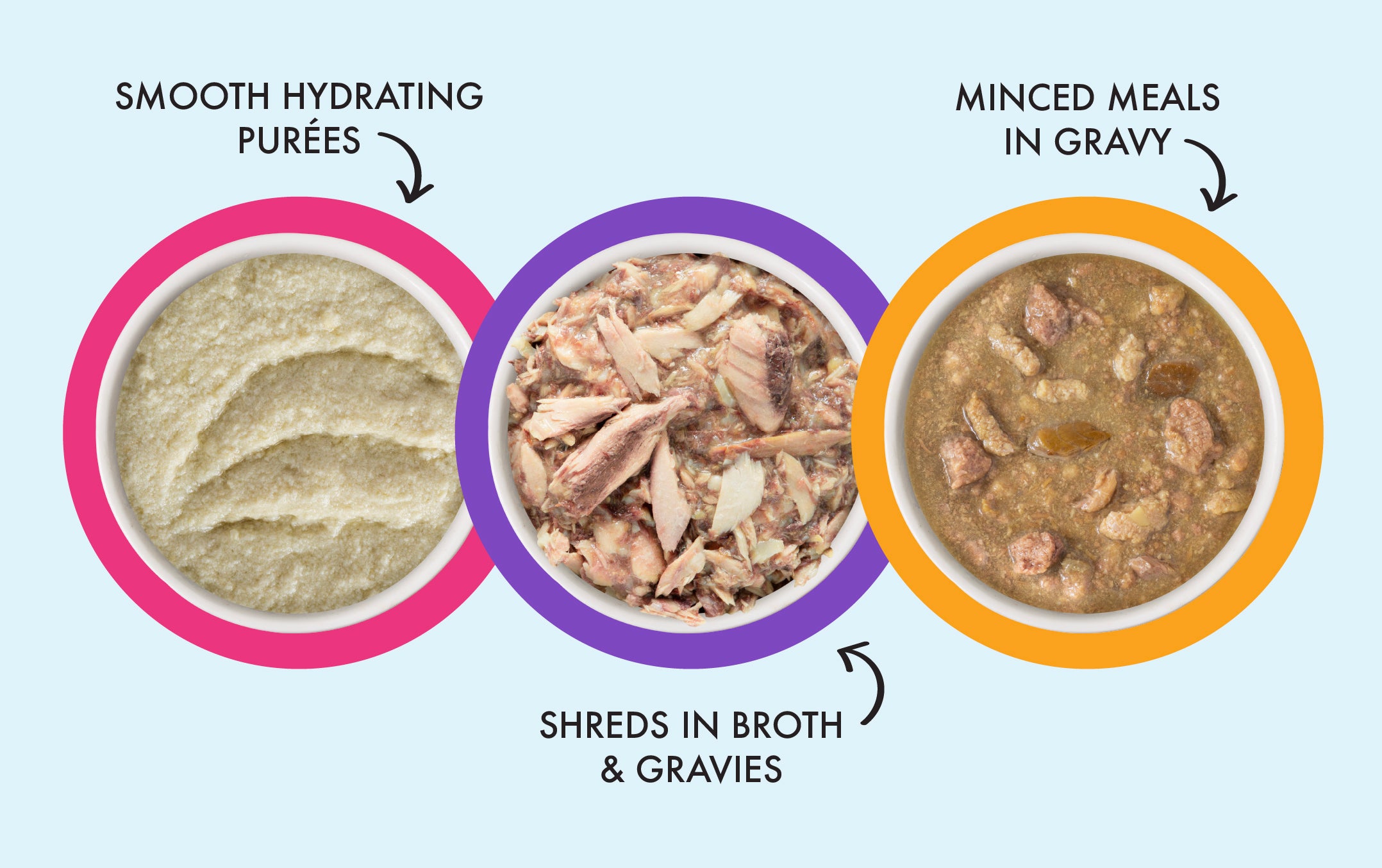
Cats have unique flavor preferences. Some prefer chicken, others like fish. Experiment with different flavors to find what your cat loves. Texture matters too. Some cats enjoy pate, while others prefer chunks in gravy. Start with small cans to test what works. Observe your cat's reaction to different textures. Mixing textures can sometimes entice a picky eater.
Gradual Transition Techniques
Switching your cat to wet food requires patience. Cats can be picky eaters. Gradual transition helps them adjust. Start small. Let them get used to the new texture and taste.
Mixing With Dry Food
Begin by mixing wet food with dry food. Use a small amount of wet food. Keep the dry food familiar. This mix helps them adapt slowly.
Gradually increase the wet food portion. This makes them comfortable. They start enjoying the new food.
Increasing Wet Food Portion
Once they accept the mix, increase the wet food amount. Do this slowly. Watch their reaction. They might resist at first.
Be patient. Keep increasing the portion over weeks. Their taste will adjust. Soon, they will enjoy wet food fully.
Credit: www.greensafaris.com
Creating A Feeding Routine
Creating a feeding routine for your cat can encourage them to eat wet food. Cats thrive on routine and consistency. Establishing a set feeding schedule helps them anticipate meal times. It also fosters a sense of security. This routine can positively influence their eating habits.
Consistent Feeding Times
Set specific times for meals each day. Cats learn quickly and will come to expect food at these times. Consistent feeding times help regulate their appetite. It can also prevent overeating or under-eating. Try feeding them twice a day, morning and evening. Adjust the times to suit your daily schedule.
Quiet Eating Environment
Provide a calm space for your cat to eat. Noise and distractions can deter them from eating. Choose a quiet corner away from household traffic. Ensure the area is clean and free from clutter. A peaceful setting helps them focus on their meal. It can improve their overall eating experience.
Encouraging Picky Eaters
Transitioning your cat to wet food can be challenging. Start by mixing a small amount of wet food with their favorite dry kibble. Gradually increase the wet food ratio over time, making it more familiar and appealing.
Encouraging a picky eater can be a challenge, especially when it comes to getting your cat to enjoy wet food. Many cats are creatures of habit and can be surprisingly stubborn about trying new textures and flavors. However, with a little creativity and patience, you can help your feline friend embrace wet food. Let's dive into some practical tips to make this transition smoother and even fun.
Warming The Food
Cats are often more interested in food that smells and tastes fresh. One simple trick is to gently warm the wet food. This enhances its aroma, making it more appealing to your cat's sensitive nose. Try microwaving the food for a few seconds—just enough to take the chill off. Be careful not to overheat it, as this could make it unappetizing or even dangerous for your cat. Always test the temperature with your finger before serving. Does your cat show interest when you cook your meals? That’s because the warm scents stimulate their appetite. Warming their wet food can have a similar effect.
Using Food Toppers
Sometimes, all your picky eater needs is a little extra incentive. Food toppers can be a game-changer in this regard. These are flavorful additions you sprinkle on top of the wet food to entice your cat to take the first bite. Consider using crushed freeze-dried treats or a bit of their favorite dry kibble as a topper. These familiar tastes can provide just enough familiarity to encourage them to try something new. Have you noticed your cat’s excitement for tuna? A small amount of tuna juice drizzled over the wet food can also work wonders. Just be cautious with quantities to avoid any dietary imbalances. Adding variety with food toppers not only makes meals more exciting but can also help slowly transition your cat to enjoy wet food regularly.
Monitoring Health And Adjustments
Encourage your cat to eat wet food by slowly mixing it with their favorite dry kibble. Gradually increase the wet food portion until they adapt. Monitor their health closely and adjust portions as needed for balanced nutrition.
Monitoring your cat's health is crucial when transitioning to wet food. Adjustments may be necessary based on how your feline friend responds to the new diet. Keeping a close eye on your cat's behavior and health can ensure a smooth transition and promote overall well-being.
Observing Eating Habits
Pay attention to your cat’s eating habits. Notice if they approach the food eagerly or show reluctance. A sudden change in appetite may indicate discomfort or disinterest in the wet food. Track how much they eat daily. Are they finishing the bowl or leaving leftovers? This information helps you adjust portion sizes to avoid overfeeding or underfeeding. Monitor any changes in their weight. A healthy weight indicates that the transition is going well. If your cat loses or gains weight rapidly, it might be time to reassess their diet.
Consulting A Veterinarian
If your cat continues to struggle with the new diet, it’s wise to consult a veterinarian. They can provide professional guidance tailored to your cat’s specific needs. Discuss any symptoms like vomiting, diarrhea, or excessive lethargy. These could be signs of food intolerance or another underlying issue. A vet visit can also reassure you about your cat’s nutritional needs. They might recommend supplements or specific brands that suit your cat’s health requirements. Is your cat thriving on the new diet, or are there signs of distress? Observing and adjusting are key to a happy, healthy kitty. Your proactive approach can make all the difference.
Common Mistakes To Avoid
Encouraging a cat to eat wet food can be challenging. Many cat owners make mistakes that hinder the process. Recognizing these pitfalls can ease the transition. Let's explore common mistakes to avoid.
Not Gradually Introducing Wet Food
Switching foods abruptly can upset a cat's stomach. Cats are creatures of habit. A sudden change might make them refuse new food. Introduce wet food slowly. Mix a small amount with their dry food. Gradually increase the wet food portion. This helps them adjust to the new taste and texture.
Offering Cold Wet Food
Cold food can be unappealing to cats. They prefer food at room temperature. Cold food lacks aroma, which is important for cats. Warm the wet food slightly before serving. This enhances its smell and makes it more enticing.
Using The Same Flavor Repeatedly
Cats can get bored with the same flavor. Variety is key in their diet. Rotate different flavors of wet food. This keeps their interest alive. It also ensures a balanced intake of nutrients.
Failing To Create A Feeding Routine
Cats thrive on routine. Inconsistent feeding times can confuse them. Establish regular meal times. Stick to this schedule daily. Consistency helps them know when to expect food.
Ignoring Signs Of Illness
Sometimes, refusal to eat indicates health issues. Monitor any changes in your cat's eating habits. If they persist, consult a vet. Addressing health problems can restore their appetite.
Credit: www.chewy.com
Frequently Asked Questions
What Should I Do If My Cat Won't Eat Wet Food?
Try offering different wet food flavors or textures to entice your cat. Warm the food slightly to enhance aroma. Mix wet food with dry kibble or add a small treat. Ensure the feeding area is quiet and stress-free. Consult a vet if your cat consistently refuses wet food.
How To Trick A Cat Into Eating Wet Food?
Gradually mix wet food with your cat's favorite dry food. Warm the wet food slightly to enhance its aroma. Use a flavorful topper like tuna juice. Consistency and patience are key. Offer the food during regular meal times to build a routine.
Why Is My Cat So Picky With Wet Food?
Cats can be picky eaters due to texture preferences, flavor sensitivity, or changes in routine. They might prefer certain ingredients or have developed specific taste preferences over time. Consistency in feeding and experimenting with different flavors can help. Consult a vet if pickiness persists.
How Long Does It Take For A Cat To Get Used To Wet Food?
Cats typically adjust to wet food within a few days. Gradually introduce it alongside their regular meals. Monitor their response and ensure they eat. Patience is key, as some cats might take longer to adapt. Consistency helps them accept new textures and flavors.
Conclusion
Finding the right way to introduce wet food to your cat can be challenging. Patience and experimentation help. Try different flavors and textures. Observe what your cat prefers. Gradually mix wet food with dry kibble. This transition eases them into the new diet.
Encourage with gentle praise and affection. Regular feeding routines establish comfort. Stay consistent but flexible. Remember, each cat is unique. Their tastes may change over time. Keep offering wet food options. Success often comes with persistence. Soon, your cat might enjoy a nutritious wet food diet.
Happy feeding and bonding moments await!