
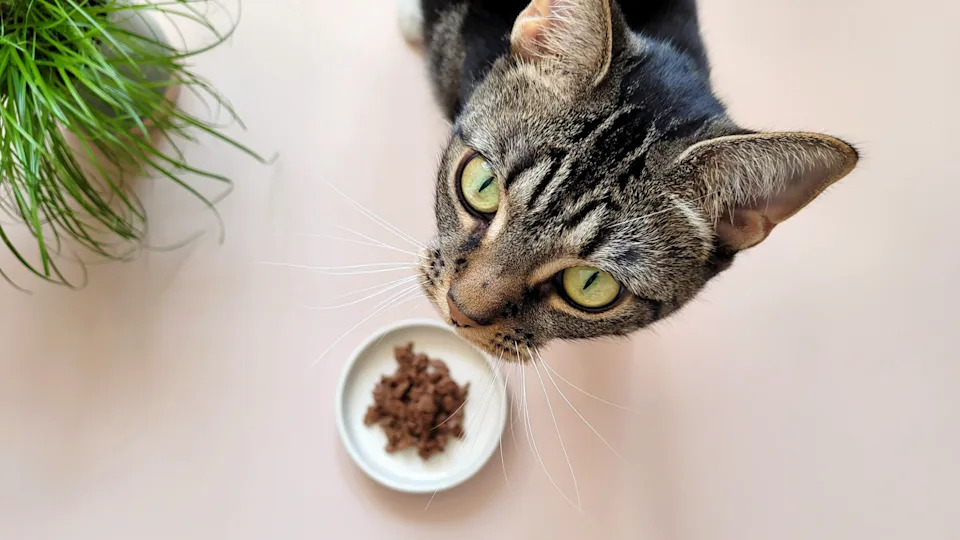
Are you struggling to get your cat to eat wet food? You're not alone.
Many cat owners face this challenge, and it can be frustrating when your furry friend turns their nose up at what you thought was a tasty treat. Wet food is often packed with nutrients that can benefit your cat's health, but convincing them to give it a try can feel like an uphill battle.
You'll discover practical tips and tricks that can make a real difference. Whether your cat is a picky eater or just resistant to change, these strategies are designed to appeal to their senses and curiosity. Ready to transform mealtime into a success? Let's dive in and find out how you can get your cat to happily eat wet food.
Credit: lifeandcats.com
Benefits Of Wet Food For Cats
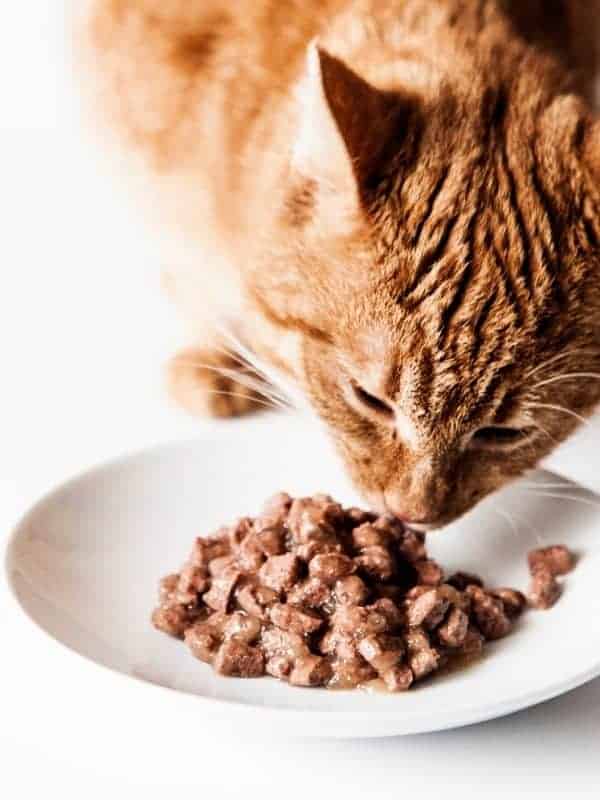
Introduce wet food gradually by mixing it with dry food. Cats often enjoy the rich flavors and moisture. Wet food can boost hydration and enhance their overall health.
The benefits of wet food for cats often spark curiosity among cat owners. This curiosity is well-founded, as wet food can significantly enhance your cat's health and happiness. Understanding these benefits might just persuade you to make that crucial dietary switch for your feline friend.
Improved Hydration
Cats are notorious for not drinking enough water. Wet food contains a high moisture content, which helps keep your cat hydrated. This is especially crucial if your cat isn't a fan of drinking from their water bowl.
Weight Management
Is your cat on the heavier side? Wet food can aid in weight management because it typically contains fewer calories than dry food. Its high water content also helps your cat feel fuller, which can reduce overeating.
Better Digestive Health
Wet food can be gentler on your cat's stomach, especially for those with sensitive digestive systems. The softer texture is easier to chew and digest, potentially reducing the risk of constipation or other digestive issues.
Enhanced Nutritional Intake
Wet food often contains a higher protein content, which is vital for your cat's muscle maintenance and energy levels. It also tends to include more animal-based ingredients, aligning closely with your cat’s natural dietary needs.
Improved Kidney Health
Maintaining kidney health is crucial, particularly for older cats. The added moisture in wet food can assist in flushing out toxins and supporting kidney function. This could be a key factor in extending your cat's lifespan.
Palatability And Variety
Have you noticed your cat turning up their nose at the same old kibble? Wet food often comes in a variety of flavors and textures, making it more appealing to even the pickiest eaters. Offering a range of options might just rekindle your cat's interest in their meals.
Dental Health
While dry food is often touted for dental benefits, wet food can also play a role. Its softer texture can be more suitable for older cats or those with dental issues. Plus, reducing dry food intake can help mitigate the buildup of dental plaque and tartar. Switching to wet food might seem daunting, but these benefits highlight why it's worth considering. Have you noticed any changes in your cat after introducing wet food? Your insights could guide other cat owners on this journey.
Choosing The Right Wet Food
Choosing the right wet food for your cat can be a pivotal step in ensuring they enjoy mealtime. With a plethora of options available, it’s essential to find a variety that meets your feline friend's nutritional needs while also appealing to their taste buds. Consider the following factors to make an informed decision and turn mealtime into a joyful experience for your cat.
Nutritional Considerations
When selecting wet food, prioritize those rich in essential nutrients. Cats require a diet high in protein and fat since they are obligate carnivores. Look for foods with real meat as the first ingredient.
- Check for balanced vitamins and minerals.
- Avoid fillers like corn and soy.
- Ensure the food meets AAFCO standards.
Reading labels can be tedious, but it ensures your cat receives optimal nutrition. Consider how your cat's age, weight, and health conditions might influence their dietary needs.
Flavor And Texture Preferences
Just like humans, cats have personal preferences. Some cats love fish flavors, while others prefer chicken or turkey. Observe which flavors your cat reacts positively to.
- Experiment with different textures: pate, chunks in gravy, or shredded.
- Mix wet food with a little dry food to introduce new flavors.
If your cat turns up their nose at a particular brand, try another. Sometimes, a change in texture can pique their interest even if the flavor remains the same.
Brand Recommendations
Several reputable brands offer high-quality wet food options. You might find that your cat develops a preference for a specific brand over time.
- Royal Canin:Known for tailored nutritional options.
- Blue Buffalo:Offers a variety of grain-free recipes.
- Purina Pro Plan:Provides specialized formulas for various health needs.
Remember, every cat is unique. Pay attention to their reactions and adjust accordingly. Have you found a brand your cat loves? Share your experiences with fellow cat owners!
Transitioning From Dry To Wet Food
Introduce wet food gradually to your cat's diet by mixing it with their dry food. Increase the wet food portion slowly over time. Observe your cat's eating habits and adjust based on their preferences.
Transitioning your cat from dry to wet food can be a bit tricky. Cats are creatures of habit, and changes in their diet may not be welcome. Wet food offers hydration and can be more nutritious. A gradual shift can help your cat adapt smoothly.
Gradual Transition Techniques
Start by introducing small amounts of wet food. Mix it with their usual dry food. Gradually increase the wet food portion over a week. This slow change prevents digestive issues. Patience is key.
Mixing Wet And Dry Food
Begin with a ratio of mostly dry food. Add a tiny amount of wet food. Slowly adjust this ratio each day. Try mixing different flavors. Cats love variety. This method keeps mealtime exciting.
Monitoring Your Cat's Reaction
Observe your cat's eating habits closely. Watch for any signs of discomfort. Track their appetite and energy levels. Ensure they're eating enough. If issues arise, consult your vet. Your cat's health matters most.
Encouraging Your Cat To Try Wet Food
Getting your cat to eat wet food can be a challenge. Cats are creatures of habit and love routine. Introducing wet food requires patience and creativity. With the right approach, you can encourage your feline friend to embrace this nutritious option.
Warming Up The Food
Cold food may not appeal to your cat. Try warming the wet food slightly. This can enhance the aroma, making it more enticing. Use a microwave or warm water bath. Ensure the food is not too hot, just warm enough to release its scent. Cats rely heavily on smell to decide what to eat.
Adding Toppers Or Treats
Add something familiar to the wet food. A sprinkle of dry kibble can make a difference. You can also use cat treats as toppers. This mix can create a bridge between the old and new. Gradually reduce the toppers as your cat gets used to the wet food. This approach can make the transition smoother.
Creating A Comfortable Feeding Environment
Ensure your cat feels safe during mealtime. A quiet, relaxed space can encourage them to try new foods. Keep the feeding area clean and free from distractions. Avoid loud noises or sudden movements. A calm setting can make your cat more willing to explore the wet food option.
Common Challenges And Solutions
Getting your cat to eat wet food can present various challenges. Cats can be picky or face digestive issues. Some cats even have food allergies. Addressing these challenges with effective solutions is key. This ensures your cat enjoys a nutritious diet.
Dealing With Picky Eaters
Picky eating is common among cats. Start by mixing wet food with their favorite dry kibble. Gradually increase the wet food portion. Use warm water to enhance the aroma of the wet food. This can make it more appealing. Try different flavors and textures. Some cats prefer pâté, while others like chunks in gravy. Experiment until you find what your cat enjoys.
Handling Digestive Issues
Some cats experience digestive problems with wet food. Introduce new foods slowly. This helps the digestive system adjust. Monitor your cat’s reaction to new foods. If issues persist, consult your vet. They may recommend a specific diet. Ensure your cat always has access to fresh water. Wet food provides moisture, but extra water supports digestion.
Addressing Food Allergies
Food allergies can cause discomfort for cats. Identify potential allergens by reviewing ingredients. Common allergens include beef, chicken, and fish. Switch to hypoallergenic or novel protein wet foods. Consult your veterinarian for advice. They can recommend allergy tests or special diets. Keep a food diary to track any changes. This helps in identifying triggers.
Credit: www.yummybowl.com
When To Consult A Veterinarian
Cats sometimes resist eating wet food. Consult a veterinarian if your cat refuses wet food for days. Sudden changes in appetite could indicate health issues.
When your cat refuses to eat wet food, it might not just be about taste preferences. There are times when a veterinarian's opinion becomes crucial. Your feline friend’s eating habits can be a window into their overall health. Knowing when to seek professional advice can make a significant difference in ensuring your cat’s well-being. But how do you know when it's time to consult a vet?
Signs Of Health Concerns
If your cat consistently ignores wet food, it might signal an underlying health issue. Watch for symptoms like weight loss, vomiting, or lethargy. These could be signs of dental problems, digestive issues, or even kidney disease. My cat, Bella, started losing weight despite her usual playful demeanor. A quick visit to the vet revealed a mild dental issue. Early diagnosis helped us tackle the problem before it worsened.
Tailoring Diet To Special Needs
Some cats have special dietary needs due to conditions such as diabetes or allergies. A vet can help tailor a diet plan that suits these requirements. For instance, my neighbor’s cat had a persistent allergy to certain proteins. With the vet's guidance, they switched to a hypoallergenic wet food, which improved her health dramatically. A vet’s expertise can ensure your cat receives the right nutrients and maintains a balanced diet. Are you aware of any specific conditions your cat might have that could affect their diet? Always consider your cat's unique health needs when changing their food. By paying attention to signs of distress and consulting your veterinarian, you can ensure your cat's diet supports their health and happiness.
Maintaining A Balanced Diet
Ensuring your cat maintains a balanced diet is essential for their health and well-being. Wet food can be an important component, offering hydration and nutrients. However, transitioning your cat to wet food can be challenging. Here are some strategies to make the process smoother while ensuring your feline friend gets a balanced diet.
Combining Wet And Dry Food
Mixing wet and dry food can be a clever strategy. Start by adding a small amount of wet food to their usual dry food. This allows your cat to get accustomed to the new taste and texture gradually.
Experiment with different brands and flavors to find what your cat prefers. Cats can be picky eaters, so patience is key. Remember, a little persistence can lead to healthy eating habits.
Regular Feeding Schedules
Cats thrive on routine, and establishing a regular feeding schedule can help. Serve meals at the same time each day, making sure to include wet food in the rotation.
This predictable routine can encourage your cat to eat wet food more consistently. You might notice them looking forward to mealtime, enhancing their acceptance of wet food.
Monitoring Nutritional Intake
Keep an eye on your cat's nutritional intake to ensure they are getting the right balance of nutrients. Use feeding guidelines on packaging as a reference, but tailor it to your cat's needs.
Regularly weigh your cat to monitor weight changes. This can indicate if dietary adjustments are needed. Consult your vet for advice if you notice any significant changes.
Are you aware of what your cat eats daily? Understanding their preferences and monitoring their intake can lead to a healthier, happier cat.

Credit: www.facebook.com
Frequently Asked Questions
What Should I Do If My Cat Won't Eat Wet Food?
Try warming the wet food to enhance aroma and flavor. Mix with dry food for gradual transition. Experiment with different flavors or brands. Ensure your cat's health by consulting a vet if refusal persists. Maintain a consistent feeding schedule to encourage appetite.
How To Trick A Cat Into Eating Wet Food?
Mix wet food with a favorite treat or dry kibble to entice your cat. Warm the food slightly to enhance its aroma. Gradually increase the wet food portion over time. Use a shallow dish for easier access. Maintain a consistent feeding routine to encourage your cat to eat wet food regularly.
Why Is My Cat So Picky About Wet Food?
Cats are picky about wet food due to texture preferences, smell, and past experiences. They may dislike specific ingredients or flavors. Some cats also have sensitive stomachs, affecting their choices. Gradual introduction and variety can help in finding what your cat enjoys.
Will Cats Eventually Eat Wet Food?
Cats often eat wet food, enjoying its moisture and flavor. It provides hydration and essential nutrients. Many cats prefer wet food over dry, making it a popular choice. Gradual introduction can help cats adapt to wet food. Always consult a veterinarian for dietary guidance tailored to your cat's needs.
Conclusion
Getting your cat to eat wet food can be a challenge. Patience is key. Start with small portions. Mix with their favorite dry food. Gradually increase wet food. Watch for changes in behavior or digestion. Ensure the food is fresh.
Experiment with different flavors. Observe your cat's preferences. Consult your vet if issues persist. A healthy diet improves your cat's life. Wet food offers hydration and nutrients. Celebrate small victories. Stay consistent and attentive. Your efforts will pay off. Your cat will thrive with a balanced diet.
Keep nurturing your furry friend's health.