
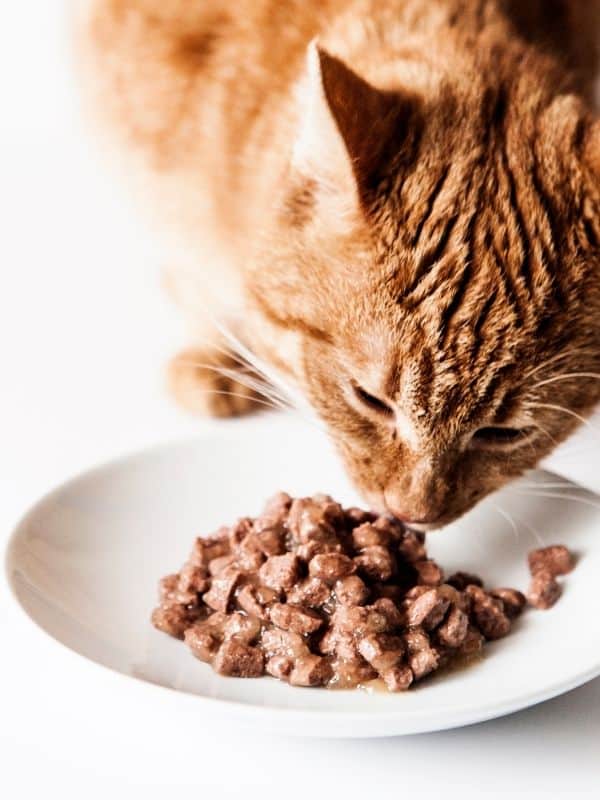
Are you struggling to get your cat to eat wet food? You're not alone.
Many pet owners face this challenge, wondering if their feline friend will ever embrace the benefits of a moist, flavorful meal. You want what's best for your cat, ensuring they get the nutrition they need for a healthy, happy life.
This article will guide you through effective strategies to make wet food more appealing to your cat. Imagine the relief of watching them devour their meal without hesitation. You're on your way to solving this common problem, and soon, you'll be the expert in transforming your cat's eating habits. Let's explore how to make wet food irresistible to your furry companion.
Credit: www.yummybowl.com
Benefits Of Wet Food For Cats
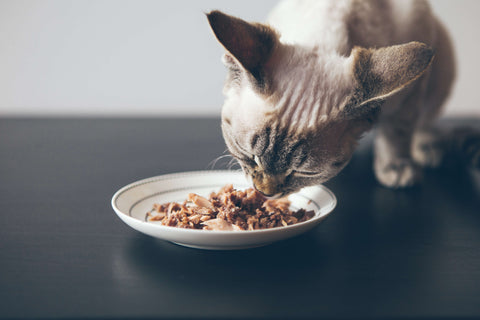
Transitioning a cat to wet food can enhance hydration and digestion. Start by mixing wet food with dry food. Gradually increase the wet food portion to make it more appealing.
Wet food offers many benefits for cats. It's more than just a tasty treat. Cats need moisture in their diet. Wet food provides this essential hydration. This can be especially helpful for cats who don't drink enough water. It also tends to be more palatable. Cats often prefer the texture and taste of wet food. This can be a great help for picky eaters. Wet food has a higher protein content. This is important for maintaining lean muscle mass. Cats are obligate carnivores, needing lots of protein. Wet food supports their natural dietary needs. It also has fewer carbohydrates than dry food, which is better for a cat's health. This can help prevent obesity and related health issues. Wet food can support urinary health. The extra moisture can reduce the risk of urinary tract infections. It helps dilute urine, lowering the chance of crystal formation. This is crucial for cats prone to such problems. Wet food can also aid in weight management. The higher water content can make cats feel full. This helps control overeating and maintain a healthy weight.
Improved Hydration
Wet food provides necessary moisture. Cats often don't drink enough water. This can lead to dehydration. Wet food helps keep them hydrated.
Better Urinary Health
More moisture from wet food supports urinary health. It dilutes urine, reducing infection risk. This is vital for cats with urinary issues.
Higher Protein Content
Wet food usually has more protein. Cats need protein for muscle health. It aligns with their natural carnivorous diet.
Lower Carbohydrate Intake
Wet food has fewer carbs than dry food. This can prevent obesity. It's beneficial for a cat's overall health.
Weight Management
Wet food helps cats feel full. This aids in controlling weight. It's especially useful for overweight cats.
Enhanced Palatability
Cats often find wet food tastier. The texture and flavor appeal to picky eaters. This makes meal times enjoyable.
Credit: www.chewy.com
Choosing The Right Wet Food
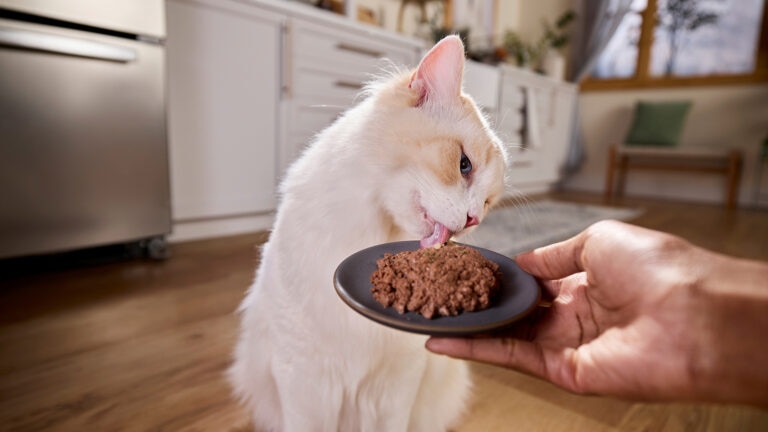
Choosing the right wet food for your cat can make all the difference in their diet and overall health. Cats can be finicky eaters, so finding a wet food that aligns with their taste preferences and nutritional needs is crucial. The right choice can lead to a happy, satisfied kitty while ensuring they get the essential nutrients.
Nutritional Content
When selecting wet food, check the nutritional content carefully. Look for options that are rich in protein, as cats are obligate carnivores and need protein for muscle development and energy. Taurine is another essential nutrient found in quality wet foods, vital for heart and eye health.
Does your cat have specific dietary needs? If your feline friend has allergies or a sensitive stomach, consider hypoallergenic or sensitive stomach formulas. Many brands offer grain-free options, which can be easier for cats to digest and may prevent allergic reactions.
Reading the label is key. Ensure the food contains real meat as the primary ingredient, steering clear of products with fillers like corn and soy. High moisture content is also beneficial, helping with hydration.
Flavor Preferences
Understanding your cat’s flavor preferences can help you choose a wet food they'll enjoy. Cats often prefer foods with strong scents, so opting for meals featuring fish or poultry might appeal to their senses.
Try offering a variety of flavors to see what your cat likes best. You might notice they favor chicken over beef or salmon over tuna. It's all about experimenting and observing their reactions.
Think about their past eating habits. Has your cat shown a preference for a particular type of food before? Use this as a guide to select wet food flavors that align with their tastes.
Ultimately, the goal is to find a balance between nutritional value and flavor satisfaction. What wet food does your cat love that also meets their dietary needs?
Gradual Transition Techniques
Gradual Transition Techniques Introduce wet food by mixing it with your cat's favorite dry food. Gradually increase the amount of wet food while decreasing the dry. This helps your cat adjust to the new texture and flavor. Patience and consistency are key to successfully changing your cat's diet.
Transitioning your cat to wet food can be a delicate process. Cats are creatures of habit, and sudden changes in their diet might not be well-received. Gradual transition techniques can ease this change and help your cat adjust to a healthier diet without stress. Employing patience and creativity can make this process smoother for both you and your feline friend.
Mixing Wet And Dry Food
Start by mixing a small amount of wet food with their usual dry food. This helps your cat get used to the new smell and texture. Gradually increase the wet food portion while decreasing the dry food over several days or weeks. Observe your cat's reaction. Are they more interested in their food, or are they picking out the dry pieces? Adjust the proportions based on their response, ensuring a slow and steady transition.
Using Broth Or Water
Enhance the appeal of wet food by adding a bit of broth or water. This can make the texture more palatable and the aroma more enticing. It's an effective trick if your cat is particularly finicky. Ensure the broth is low in sodium and free from onions or garlic, which are harmful to cats. A simple homemade chicken or beef broth can work wonders. Wouldn't you prefer a flavorful meal if you were in their paws? These techniques require patience and observation. What works for one cat might not work for another. Have you found a unique method that successfully coaxed your feline into trying wet food? Let your cat guide the pace, and soon they might just be purring with satisfaction at mealtime.
Creating A Feeding Routine
Introducing wet food gradually can help cats adapt to new textures and flavors. Mixing wet food with their usual dry kibble may encourage eating. Creating a consistent feeding schedule can improve acceptance of wet food over time.
Creating a feeding routine for your cat can be a game-changer when transitioning them to wet food. Cats thrive on consistency, and establishing a regular schedule can help them adjust to new dietary habits. By focusing on consistent mealtimes and controlled portions, you can make mealtime enjoyable and stress-free for your feline friend.
Consistent Mealtimes
Cats are creatures of habit. They find comfort in routine, which is why setting consistent mealtimes is essential. Try feeding your cat at the same time every day. Consider your daily schedule and choose times that you can stick to. Morning and evening often work best, especially if you have a busy day. You might notice your cat starts waiting by their bowl even before feeding time. This is a good sign—they’re getting used to their new schedule.
Controlled Portions
It's easy to overestimate how much food your cat needs. Controlled portions can help prevent overeating and ensure your cat is getting the right nutrients. Start by checking the recommended serving size on the wet food packaging. Use a measuring cup or scale for accuracy. If your cat is hesitant about wet food, try mixing it with a bit of their regular dry food. Gradually increase the wet food portion over time. Have you ever tried offering different flavors? Sometimes, variety in taste can spark curiosity and entice your cat to eat. Remember, patience is key. Transitioning your cat to wet food may take time, but with consistency and the right approach, you can make mealtime a smooth experience.
Enhancing Food Appeal
Getting your cat to eat wet food can sometimes feel like a daunting task. However, enhancing the appeal of the food can make all the difference. Just a few tweaks can transform a reluctant eater into a satisfied feline. Let's explore some practical ways to make wet food more enticing for your furry friend.
Warming The Food
Have you ever noticed how a warm meal is more inviting? The same goes for your cat. Heating their wet food can enhance its aroma and make it more appealing. Simply microwave the food for a few seconds or place it in a warm water bath. Be sure the food is only slightly warm—not hot—before serving. The enhanced smell can pique your cat's curiosity and encourage them to eat.
Texture Adjustments
Cats can be finicky about texture. If your cat prefers dry food, they might find wet food too mushy. Consider mixing in some dry kibble to add crunch. Alternatively, mashing the food with a fork can make it smoother and more palatable for those who prefer softer textures. You know your cat best, so experiment with different textures to find what they enjoy. Have you tried adding a bit of water or broth to the food? This can create a gravy-like consistency that some cats love.
Remember, patience and creativity are key. What works for one cat might not work for another, so keep trying different methods until you find the perfect combination for your feline friend. Your efforts will be rewarded with a happy, well-fed cat!
Addressing Common Challenges
Introducing wet food to a cat can be tricky. Cats often resist change in their diet. Understanding common challenges helps ensure a smooth transition. Let's explore some frequent issues cat owners face.
Handling Picky Eaters
Many cats are particular about their food. They may sniff and walk away. Start by mixing wet food with their regular dry food. Gradually increase the wet food ratio. This method helps them adapt to the new texture and flavor.
Offer different flavors of wet food. Cats have unique preferences. Experiment until you find one they like. Serve the food at room temperature. Cold food can be off-putting for some cats.
Dealing With Sensitivities
Some cats have food sensitivities. These can cause digestive problems. If your cat shows signs of discomfort, consider consulting a vet. They can recommend a suitable diet plan.
Select wet foods labeled for sensitive stomachs. These are easier on a cat's digestive system. Monitor their reaction closely. Make adjustments as needed to ensure their comfort and health.
Monitoring Cat's Health
Encouraging your cat to eat wet food can improve its hydration and overall health. Gradually mix wet food with their current diet to make the transition easier. Experiment with different flavors and textures to find what your cat prefers.
Monitoring your cat's health is crucial when transitioning them to wet food. This process isn't just about getting them to eat; it's about ensuring they thrive on their new diet. Keeping an eye on your cat's well-being can help you catch any issues early and make adjustments as needed.
Signs Of Acceptance
Observe your cat’s behavior during meals. Are they eagerly approaching their dish or hesitating? A cat that shows enthusiasm for wet food is a positive sign. Notice any changes in their eating habits. Are they finishing their food promptly? If your cat leaves their food untouched, it might indicate reluctance or a need for a different flavor or texture.
Tracking Weight And Activity
Regularly weigh your cat to ensure they maintain a healthy weight. You can use a digital scale designed for pets or a simple bathroom scale. Monitor their activity levels. Are they playing and moving around as usual? A decrease in energy might signal that the food isn't meeting their nutritional needs. Keep a journal of their weight and activity. This will help you notice trends over time and make informed decisions about their diet. Engage with your cat to see if they respond energetically. Does your cat seem more playful after meals? This could indicate that the wet food is providing the necessary nutrients and energy. Taking these steps ensures your cat not only eats their wet food but also benefits from it health-wise. What signs have you noticed in your feline friend during this transition?

Credit: www.yahoo.com
Consulting A Veterinarian
Consult a veterinarian for personalized advice on getting your cat to eat wet food. They can provide tips and recommend suitable products.
Consulting a veterinarian can be an essential step when trying to get your cat to eat wet food. It ensures that your feline friend's dietary needs are met while addressing any underlying health issues. Veterinarians provide valuable insights that can help you make informed decisions about your cat's diet.
Assessing Dietary Needs
During a vet visit, you'll likely discuss your cat's current eating habits and overall health. The veterinarian can assess whether your cat's reluctance to eat wet food is due to health problems or simply a preference. This assessment helps in understanding what nutritional adjustments might be necessary. Cats, like humans, have unique dietary needs. What works for one cat might not work for another. A vet can identify specific nutrients your cat may be lacking and recommend suitable wet food options.
Tailoring Recommendations
After assessing dietary needs, the vet will provide tailored recommendations. These might include specific brands or flavors of wet food that align with your cat's nutritional requirements. Personal experience taught me that introducing wet food with a flavor similar to my cat's favorite treats made a significant difference. Your vet might suggest similar strategies tailored to your cat’s preferences. Have you noticed any particular flavors your cat prefers? Sharing these observations with the vet can lead to more effective recommendations. This personalized approach ensures your cat receives the nutrition they need in a way they enjoy.
Frequently Asked Questions
What Should I Do If My Cat Won't Eat Wet Food?
Try warming the wet food to enhance its aroma. Offer a variety of flavors and textures. Ensure the food is fresh. Consult a vet if your cat consistently refuses wet food, as it might indicate health issues. Gradually mix wet food with dry food to encourage eating.
How To Trick A Cat Into Eating Wet Food?
Gradually mix wet food with their favorite dry food. Warm the wet food slightly to enhance aroma. Use a flat dish for easier access. Try different textures and flavors to find their preference. Offer wet food when they're most hungry, typically after playtime.
Why Is My Cat So Picky With Wet Food?
Cats can be picky due to texture preferences, flavor choices, or ingredient sensitivities. Experimenting with different brands and flavors can help find the right match. Some cats may also have specific dietary needs, making them selective. Always consult a vet if you notice drastic changes in your cat's eating habits.
How Long Does It Take For A Cat To Get Used To Wet Food?
Cats usually adapt to wet food within a few days. Gradually mix it with their current food. Ensure consistency and monitor their response. Patience is key to successful transition. Some cats may take longer due to preferences or habits. Always consult your vet for dietary changes.
Conclusion
Getting your cat to eat wet food takes patience and creativity. Start with small changes. Mix wet and dry food gradually. Experiment with different flavors. Warm the food slightly for aroma. Create a calm eating environment. Use a shallow dish.
Monitor your cat’s progress. Celebrate small successes. Observe your cat’s preferences. Adjust as needed. Every cat is unique. Your love and persistence matter. Keep trying until you find the right solution. Remember, a healthy diet boosts your cat’s well-being. Happy feeding and enjoy the bonding time!