
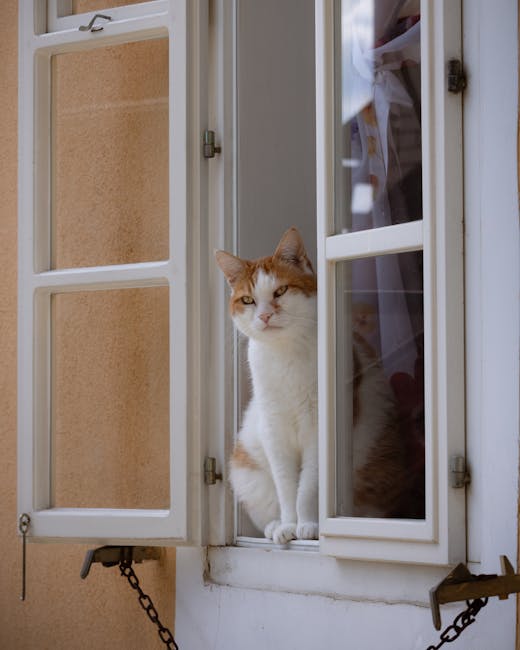
Is your feline friend acting more like a mischievous rebel than the cuddly companion you imagined? You're not alone.
Many cat owners face puzzling behavior issues that can turn a harmonious home into a battleground. Whether it's incessant scratching, sudden aggression, or those mysterious midnight meows, understanding and resolving these quirks can seem daunting. But don't worry—help is at hand.
This guide will equip you with simple, effective strategies to transform your cat's behavior and bring peace back to your household. Dive in to discover the secrets to a happier, well-adjusted kitty, and reclaim the loving bond you cherish. Your cat’s transformation might just be a few steps away!
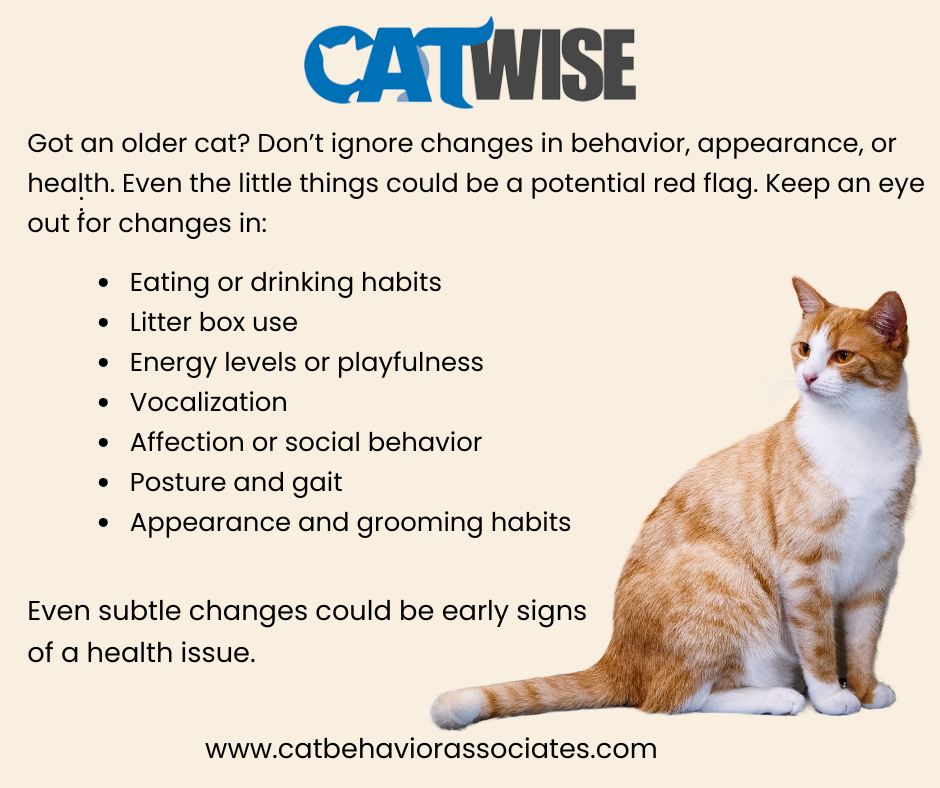
Credit: www.facebook.com
Common Cat Behavior Problems
Understanding feline behavior is key to resolving issues like scratching or biting. Start by identifying the cause of the problem. Training, patience, and proper environment adjustments can help improve your cat's behavior significantly.
Common cat behavior problems can be a source of frustration for many cat owners. Understanding these issues is the first step towards resolving them. Cats, like humans, have their quirks and sometimes their behaviors can be puzzling or even disruptive.
Aggression
Aggression in cats can range from mild swatting to serious biting. Have you noticed your cat suddenly lunging at your feet or hissing at guests? This behavior might be a response to fear, lack of socialization, or even pain. To address aggression, observe what triggers this behavior. Is it a specific person or another pet? Try to eliminate the trigger and provide a safe space for your cat. Sometimes, regular play sessions can channel their energy positively and reduce aggressive tendencies.
Litter Box Issues
Few things are more frustrating than a cat refusing to use the litter box. Has your cat been having accidents around the house? This could be due to a dirty litter box, stress, or even a health issue. Ensure the litter box is clean and placed in a quiet, accessible location. Experiment with different types of litter to find one your cat prefers. If the problem persists, a visit to the vet can rule out medical concerns.
Excessive Meowing
A chatty cat can be endearing, but excessive meowing can become a nuisance. Does your cat demand your attention at all hours? This might indicate they are bored, hungry, or seeking companionship. Engage your cat with interactive toys and set a feeding schedule to curb hunger-induced meowing. If loneliness is the issue, dedicating more playtime might reduce their vocal demands.
Scratching Furniture
Scratching is a natural behavior for cats, but it can wreak havoc on your furniture. Are your couch arms showing signs of wear and tear? Cats scratch to mark territory and maintain their claws. Provide plenty of scratching posts as alternatives. Place them near the areas your cat tends to scratch. Reward your cat for using the posts to encourage this behavior over damaging your furniture. Understanding these common cat behavior problems and their root causes can significantly improve your relationship with your feline friend. What steps will you take today to address your cat's behavior issues?

Credit: www.youtube.com
Identifying The Causes
Understanding the root causes of cat behavior issues is crucial. Observe your cat's environment, health, and recent changes to pinpoint triggers. Identifying these factors helps in creating effective solutions tailored to your cat's needs.
Identifying the causes of your cat's behavior issues is the first step to finding a solution. Understanding what triggers certain behaviors can help you address the root of the problem. It’s much like solving a puzzle, where each piece represents a factor influencing your feline friend’s actions.
Environmental Factors
Your cat’s surroundings can significantly impact its behavior. A change in household dynamics, like a new pet or moving to a new home, can cause unrest. Even subtle changes like rearranging furniture might unsettle a sensitive cat. Cats are territorial creatures. If they feel their space is threatened, they may exhibit aggressive or anxious behaviors. Take a look around your home—does your cat have enough quiet spaces and vertical territory to claim?
Health Concerns
Health issues often masquerade as behavior problems. A cat that suddenly starts avoiding the litter box might be experiencing a urinary tract infection. Always rule out medical causes first by consulting with your veterinarian. Pain can make a typically friendly cat cranky. Keep an eye out for other signs, such as lethargy or changes in appetite. It's crucial to ensure your cat's health is not contributing to unwanted behaviors.
Stress And Anxiety
Cats are masters at hiding stress, but their behavior often tells another story. Have you noticed your cat grooming excessively or hiding more than usual? These can be signs of anxiety. Triggers for stress can range from loud noises to separation anxiety. Consider your cat's daily routine and any recent changes. Could something be causing them to feel uneasy? Understanding these causes is key to helping your cat. What small changes can you make in your home to improve their wellbeing? Identifying these factors is not just about solving a problem—it's about enhancing your cat's quality of life.
Behavior Modification Techniques
Understanding and addressing cat behavior issues can improve your pet's wellbeing. Positive reinforcement is key; reward good behavior with treats and affection. Consistent routines help cats feel secure, reducing unwanted actions like scratching or excessive meowing.
Understanding and addressing cat behavior issues can feel like a daunting task. Yet, with the right behavior modification techniques, you can transform your feline friend's habits for the better. The key lies in patience and persistence, focusing on methods that not only correct but also nurture your cat's natural instincts.
Positive Reinforcement
Positive reinforcement involves rewarding your cat for good behavior. This could be a tasty treat or some extra playtime. When your cat associates a behavior with a reward, it's more likely to repeat it. Consider using clicker training. Each time your cat does something right, click and reward. This creates a clear connection between the behavior and the reward. Remember, consistency is crucial. Reward every good behavior, no matter how small, to encourage repetition.
Redirecting Attention
Redirecting your cat’s attention can prevent unwanted behaviors like scratching furniture or excessive meowing. Instead of punishing, offer an alternative. If your cat loves scratching the couch, provide a scratching post nearby. When it uses the post, praise and reward it. Engage your cat in activities that align with its natural instincts. Toys that mimic prey can be a great way to redirect energy.
Consistency And Routine
Cats thrive on routine. Keeping a consistent schedule for feeding, play, and rest can significantly reduce behavior problems. Set a daily routine that your cat can rely on. This reduces anxiety and helps your cat feel secure. Consistency in how you respond to behaviors is equally important. Mixed signals can confuse your cat, so ensure all family members are on the same page. Are you ready to transform your cat's behavior? With these techniques, you'll not only address the issues but also strengthen the bond with your furry companion.

Credit: www.catschool.co
Training Tools And Resources
Fixing cat behavior issues can feel like an uphill battle. The right training tools and resources can make a world of difference. These tools not only correct unwanted behaviors but also enrich your cat's life, creating a harmonious home environment.
Interactive Toys
Interactive toys are more than just playthings; they are essential for mental stimulation and exercise. Cats are natural hunters, and toys that mimic prey can satisfy this instinct. Consider laser pointers, feather wands, or battery-operated mice that move unpredictably.
Have you ever noticed how your cat perks up at the sound of a toy squeak? This reaction can be harnessed to redirect attention from destructive behaviors. Use these toys during play sessions to reduce boredom and keep them engaged.
Scratch Posts
Scratching is a natural behavior for cats, but it can be destructive if not directed appropriately. Investing in a variety of scratch posts can save your furniture and your sanity. Choose posts covered in sisal, carpet, or cardboard to cater to your cat's preferences.
Place them strategically around your home, especially in areas where your cat tends to scratch. Encouraging your cat to use these posts can be as simple as sprinkling catnip on them. Have you tried different textures to see which your cat prefers?
Behavioral Books
Books on feline behavior can be a treasure trove of information. They offer insights into the feline mind and practical tips for managing various issues. Authors like Jackson Galaxy and Pam Johnson-Bennett provide expert advice on everything from litter box problems to aggressive behavior.
These books often include step-by-step guides and case studies, helping you see solutions through real-life examples. Are you taking advantage of these resources to understand your feline friend better?
By utilizing these tools and resources, you can effectively address cat behavior issues. The result is a happier cat and a more peaceful home.
When To Seek Professional Help
Identifying and addressing cat behavior issues can sometimes feel like trying to solve a complex puzzle. While many problems can be managed with patience and consistency, there are moments when seeking professional help becomes essential. Knowing when to consult an expert can save both you and your cat from unnecessary stress and frustration.
Signs Of Severe Problems
It's crucial to recognize the signs indicating that your cat's behavior issues might require professional intervention. If your cat displays persistent aggression, such as biting or scratching without provocation, this could be a red flag. Another serious sign is if your cat is repeatedly eliminating outside the litter box despite attempts to address the issue.
Sudden changes in behavior, like hiding for long periods or vocalizing excessively, might also signal underlying problems. You may observe that your cat is over-grooming to the point of causing bald patches or skin wounds. These behaviors can indicate stress, anxiety, or even medical conditions that need addressing.
Choosing The Right Expert
Not all professionals are created equal when it comes to addressing cat behavior issues. Consider seeking a certified animal behaviorist or a veterinarian with a specialization in feline behavior. These experts can offer valuable insights and tailor solutions to your cat's specific needs.
Ask for recommendations from your vet or friends who have had similar experiences. It's also wise to read reviews and check the credentials of potential experts. When you finally meet with a professional, don't hesitate to ask questions about their approach and experience with cases similar to yours.
Remember, you are your cat's advocate, and choosing the right professional is a critical step in ensuring their well-being and happiness. What signs have you noticed in your cat that might warrant professional advice?
Preventing Future Issues
Addressing potential cat behavior issues early can save stress later. Create a peaceful environment with regular playtime.
Preventing future behavior issues in cats is essential for ensuring a harmonious and happy household. By taking proactive steps, you can create an environment where your feline friend thrives. Here are some practical ways to prevent behavior problems before they start.
Early Socialization
Socializing your cat at a young age is crucial. Introducing them to different people, pets, and environments helps them become well-adjusted adults. Consider inviting friends over for short visits or taking your cat on brief car rides. Early exposure reduces fear and anxiety, leading to fewer behavioral issues later on. Have you ever noticed how some cats are more relaxed around strangers while others hide? Early socialization is often the key.
Regular Health Check-ups
Regular vet visits are not just for when your cat is sick. Routine check-ups help catch potential health issues that might lead to behavior changes. Cats often hide discomfort, so keeping up with vaccinations and health screenings can prevent problems. Is your cat suddenly aggressive or avoiding the litter box? A health issue might be the culprit. Ensuring your cat is in good health eliminates one major cause of behavior problems.
Creating A Stimulating Environment
Cats are natural hunters and need stimulation to stay happy. Providing toys, climbing trees, and interactive play keeps their minds and bodies active. Rotate toys to keep them interesting and add puzzle feeders to challenge your cat. A bored cat is more likely to develop destructive behaviors. Ever noticed how a simple feather toy can engage your cat for hours? Creating a stimulating environment is one of the easiest ways to prevent unwanted behaviors. By addressing these key areas, you're not just fixing issues but preventing them. Taking these steps can make a world of difference in your cat's behavior and your relationship with them.
Frequently Asked Questions
How To Correct Behavior Problems In Cats?
Correct cat behavior problems by identifying triggers and providing positive reinforcement. Ensure adequate playtime and mental stimulation. Use consistent commands and reward good behavior with treats or affection. Create a calm environment and consult a vet if issues persist.
Is There Anything I Can Give My Cat To Calm Him Down?
Consider using pheromone diffusers or sprays for calming. Herbal supplements like chamomile can also help. Always consult your vet before trying any new product to ensure safety. Regular playtime and a stable environment contribute significantly to reducing stress in cats.
What Is A Common Behavior Of A Cat That Feels Stressed Or Threatened?
A stressed or threatened cat might hiss, arch its back, or hide. It can also show aggression or excessive grooming. Cats may avoid eye contact and display flattened ears. Sudden changes in behavior or appetite are common signs of feline stress.
Creating a calm environment helps alleviate their anxiety.
How To Calm A Cat Down That Is Angry?
Create a calm environment by reducing noise and bright lights. Offer treats or toys to distract. Use a soothing voice to reassure the cat. Allow space and time for the cat to relax. Consult a veterinarian if aggressive behavior persists.
Conclusion
Every cat can have behavior issues. Understanding your cat is key. Change takes patience and love. Start with small adjustments. Keep routines simple. Reward good behavior often. Stay calm during challenges. Consult a vet if needed. They may offer insights.
Observe your cat closely. Listen to their signals. Trust builds over time. Never rush the process. Enjoy the journey together. Your bond will strengthen. Cats need care and attention. They respond well to kindness. Remember, every cat is unique. Adjust approaches as needed.
Happy cats make happy homes. With effort, changes will happen. Keep positive and persistent.