
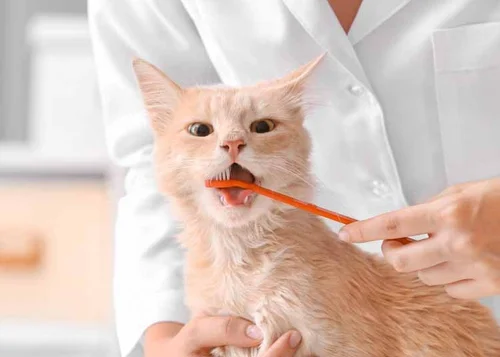
Have you ever considered the importance of your cat's dental health? Just like humans, cats need regular dental care to maintain healthy teeth and gums.
Neglecting this can lead to problems like gum disease, bad breath, and even tooth loss. Imagine the discomfort your furry friend could face without proper care. Don't worry; brushing your cat's teeth isn't as daunting as it sounds. With the right approach, you can make this a stress-free routine for both you and your cat.
Dive in to discover how you can keep your cat's smile bright and healthy, ensuring they live a happy, pain-free life. Let's explore the simple steps to brushing your cat's teeth effectively.
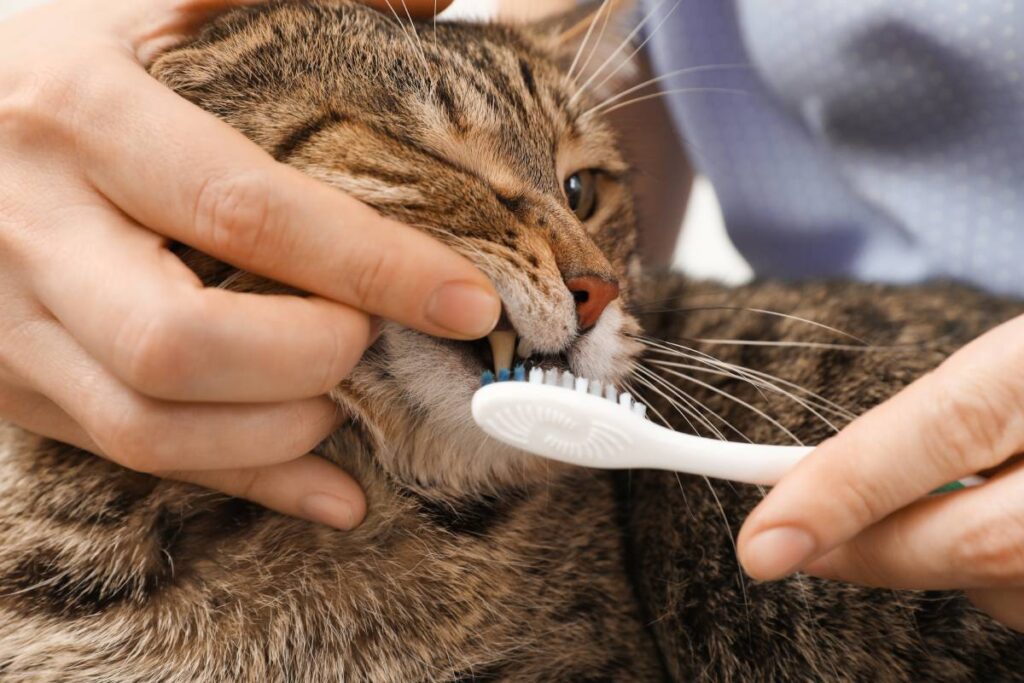
Credit: weareallaboutcats.com
Choosing The Right Tools
Brushing your cat's teeth can prevent dental issues. Choosing the right tools is crucial for a successful routine. Proper tools make the process easier and more comfortable for your cat. This section will guide you on selecting the best toothbrushes and toothpaste for your feline friend.
Cat-friendly Toothbrushes
Cat toothbrushes are smaller than human ones. They are designed to fit a cat's mouth. Look for soft bristles to avoid hurting gums. Finger toothbrushes offer better control. They slip onto your finger for easy brushing. Multi-pack options are available for convenience. Replace the toothbrush every few months.
Pet-safe Toothpaste Options
Never use human toothpaste on cats. It contains fluoride, which is harmful to them. Cat toothpaste is safe and often flavored. Popular flavors include chicken and fish. These flavors make brushing more appealing. Enzymatic toothpaste helps break down plaque. Check for products with the VOHC seal. This seal indicates effectiveness in reducing plaque. Always introduce new toothpaste gradually.
Preparing Your Cat
Introduce your cat to brushing gradually. Use a soft-bristled toothbrush and cat-friendly toothpaste. Gently lift their lips, brushing in small circles for clean teeth.
Brushing your cat's teeth might not be the most exciting task on your to-do list, but it's crucial for their dental health. Before you dive into the process, it's essential to prepare your feline friend for this new experience. A little groundwork can make the brushing routine more comfortable for both you and your cat, transforming a potentially stressful situation into a manageable activity.
Creating A Calm Environment
A calm environment is key to ensuring your cat feels safe and relaxed. Start by choosing a quiet room away from loud noises and distractions. Cats are creatures of habit, so try to establish a routine time for brushing when your cat is naturally more relaxed, such as after a meal or a nap. Dim the lights and speak to your cat in a soothing voice. You might find it helpful to play some soft music or use a diffuser with calming scents to create a peaceful atmosphere. Consider where your cat is most comfortable in your home. Is there a sunny spot by the window or a favorite chair where they love to lounge? Use these spaces to your advantage. Remember, a relaxed cat is more likely to cooperate during brushing.
Familiarizing Your Cat With The Tools
Introducing your cat to the toothbrush and toothpaste is an important step. Begin by letting your cat sniff and explore these items. It's perfectly normal for them to be curious at first. Try applying a small amount of cat-friendly toothpaste onto your finger, allowing your cat to lick it off. This helps them get used to the taste and texture before you introduce the brush. Incorporate the toothbrush into playtime. You might gently stroke their fur with it or let them bat it around. The goal is to help them associate the toothbrush with positive experiences. Think about the last time you introduced a new toy to your cat. Wasn't it fascinating to see their curiosity unfold? Use that same curiosity to familiarize them with the brushing tools. The more comfortable they feel, the smoother the brushing experience will be for both of you.
Step-by-step Brushing Guide
Brushing your cat's teeth may seem daunting. With the right steps, it becomes manageable. Keeping their teeth clean ensures their health. Follow this simple guide for a stress-free experience.
Positioning Your Cat
Find a quiet space. Sit or kneel to match your cat's level. Hold your cat gently but firmly. Use a calm voice to soothe them. Let them get comfortable in your lap or nearby.
Applying Toothpaste
Use toothpaste made for cats. Human toothpaste can be harmful. Squeeze a small amount onto the brush. Let your cat smell and taste it first. It helps them feel at ease.
Brushing Technique
Hold the brush at a 45-degree angle. Start with gentle strokes on the outer teeth. Focus on the back teeth where plaque builds up. Brush in small circles to cover all areas. Keep sessions short, about 30 seconds. Gradually increase time as your cat adjusts.

Credit: www.yahoo.com
Dealing With Challenges
Brushing your cat's teeth can be a daunting task, but understanding the challenges and tackling them effectively can make the experience smoother for both you and your feline friend. Cats, much like humans, can be resistant to new routines, especially those that involve poking around their mouths. So, how do you deal with these challenges and ensure your cat's dental health doesn't suffer?
Handling Resistance
Cats are creatures of habit and may resist when you introduce something new like tooth brushing. Start by letting them sniff the toothbrush and taste the toothpaste. Use a flavor that they find appealing, like chicken or fish. Gradually increase the duration of brushing sessions, rewarding them with treats afterwards.
If your cat struggles or pulls away, don't force it. Pause and try again later. Keeping sessions short and positive is key to minimizing resistance. Have you considered brushing your cat's teeth when they're relaxed, like after a meal or a nap?
Addressing Fear And Anxiety
Fear and anxiety can be significant obstacles in brushing your cat’s teeth. Some cats might hide or become aggressive. Create a calming environment by speaking softly and avoiding sudden movements. You can also try using calming pheromone sprays or diffusers to make the process less stressful.
Building trust is crucial. Approach your cat gently and reassure them during the brushing process. Over time, they may become accustomed to the routine. Have you noticed how your cat reacts to your mood? Staying calm yourself can have a positive impact on their anxiety levels.
Maintaining Dental Health
Brushing a cat's teeth keeps their mouth healthy and prevents dental issues. Use a cat-friendly toothbrush and toothpaste. Gently brush in circular motions, focusing on the gum line.
Maintaining Dental Health Keeping your cat's teeth clean is more than just about fresh breath—it's crucial for their overall health. Just like in humans, poor dental hygiene can lead to gum disease, which can cause pain and even affect your cat's internal organs. By taking proactive steps, you can ensure your feline friend enjoys a healthy mouth and a happy life.
Regular Brushing Schedule
Creating a regular brushing schedule is essential for maintaining your cat’s dental health. Aim to brush your cat’s teeth at least two to three times a week. If you're new to this, start slowly to let your cat get used to the process. Use a toothbrush designed for cats, which often has softer bristles and a smaller head. Pair it with cat-friendly toothpaste, which comes in flavors like chicken or fish that your cat will appreciate. Consistency is key, so try to brush at the same time each day, making it a part of their routine.
Supplemental Dental Care Options
Even with regular brushing, supplemental dental care can enhance your cat’s oral hygiene. Dental treats and toys designed to reduce plaque can be an enjoyable addition to your cat's routine. These options are great for those days when brushing might not be feasible. Consider adding a dental rinse to your cat’s water. It's an easy way to help reduce bacteria and plaque without any extra effort. Regular vet check-ups also serve as a critical component of your cat’s dental care, allowing for professional cleanings and early detection of potential issues. Have you ever thought about how your efforts today can save your cat from future discomfort? Simple steps can make a significant difference in their health and happiness.
When To Seek Professional Help
Brushing your cat's teeth can be a daunting task, but it's crucial for their dental health. Sometimes, despite your best efforts, your cat may need professional dental care. Knowing when to seek help can save your cat from unnecessary discomfort and ensure they maintain a healthy mouth.
Signs Of Dental Issues
Watch for changes in your cat's behavior. If they suddenly resist eating, it could be due to dental pain. Bad breath is another red flag, signaling possible decay or infection.
Observe their gums closely. Redness or swelling might indicate periodontal disease. If your cat paws at their face or drools excessively, it’s time to consult a vet.
Professional Cleaning Services
Veterinary clinics offer specialized cleaning services that go beyond what you can achieve at home. These cleanings involve scaling and polishing, removing tartar and plaque effectively.
Professionals can perform extractions if needed, making sure your cat's mouth is pain-free. They also have access to advanced equipment that ensures a thorough examination and treatment.
Consider scheduling regular check-ups. Routine visits can prevent serious dental issues from developing. How often do you think about your cat's dental health? It's worth pondering.

Credit: cvhospital.ir
Frequently Asked Questions
Are You Supposed To Brush Your Cat's Teeth?
Yes, brushing your cat's teeth is recommended. It helps prevent dental disease and maintain oral hygiene. Use a cat-specific toothbrush and toothpaste. Start slowly and make it a positive experience. Regular brushing can improve your cat's overall health, avoiding costly vet visits.
Consistency is key for effective dental care.
What Is The Best Way To Clean Your Cat's Teeth?
Brush your cat's teeth daily with a pet-safe toothbrush and toothpaste. Use gentle, circular motions. Regular dental check-ups with a vet ensure optimal oral health. Dental treats and toys can also help reduce plaque buildup. Start dental care early to make your cat more comfortable with the routine.
How To Brush Your Cat's Teeth If She Doesn't Let You?
Start with small steps to familiarize your cat with the toothbrush. Use treats and positive reinforcement. Try using flavored toothpaste designed for cats. Gradually increase brushing time as your cat becomes more comfortable. Consult a vet for alternative methods or products if necessary.
Patience and consistency are key.
How Do I Brush My Cat's Teeth At Home?
Use a pet-safe toothbrush and toothpaste. Gently lift your cat's lips and brush in circular motions. Start slowly and reward them with treats. Gradually increase the brushing time to ensure good dental health. Consistency is key for effective results.
Conclusion
Brushing your cat's teeth is important for their health. Start slowly to build comfort. Use a cat-friendly toothbrush and toothpaste. Reward your cat with treats and praise. Regular brushing prevents dental issues. Healthy teeth mean a happy cat. Make this a part of your routine.
It helps their overall well-being. Don't rush the process. Be gentle and patient. Your cat will appreciate the care. Remember, consistency is key. Keep their smile bright and healthy. Invest time in their dental health. It's worth it for their happiness and longevity.
Your furry friend deserves the best care.
