
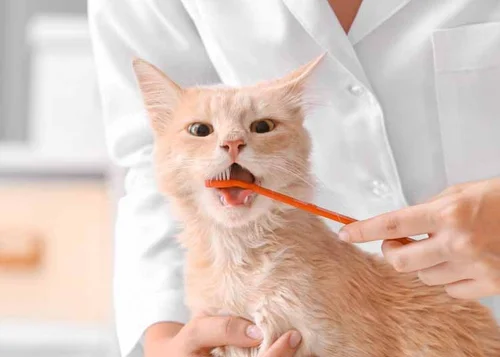
Is your cat's dental hygiene something you often overlook? You're not alone.
Many cat owners are unaware of the importance of brushing their cat's teeth. Yet, maintaining your feline friend's dental health can prevent serious health issues down the line. Imagine a world where your cat is happier, healthier, and free from dental pain.
It's possible, and it's easier than you think! By learning how to brush your cat's teeth, you can ensure they enjoy a better quality of life and potentially save on costly vet bills. You might be wondering: how do you even begin to brush a cat's teeth? This article will guide you through simple steps and tips that will turn this daunting task into a bonding experience with your pet. Keep reading to discover how a few minutes of your time can make a world of difference for your cat's well-being.
Importance Of Cat Dental Care
Cat dental care is crucial for their overall health. Many cat owners overlook this aspect. Healthy teeth ensure a happy and active cat. Ignoring dental care can lead to severe health issues. Regular brushing prevents plaque and tartar build-up. It also reduces the risk of gum disease. Cat dental care extends their life and improves their quality of life.
Understanding Dental Problems In Cats
Cats can suffer from many dental issues. These include gingivitis, periodontitis, and tooth resorption. Gingivitis is the inflammation of the gums. Periodontitis is a severe gum infection. Tooth resorption involves the breakdown of the tooth. These conditions cause pain and discomfort.
Recognizing Signs Of Dental Issues
Recognizing symptoms early helps in timely treatment. Bad breath is a common sign. Drooling more than usual indicates a problem. Difficulty eating or a change in eating habits is concerning. Bleeding gums or swelling around the mouth are warning signs. Regular checks can help identify these issues early.
Benefits Of Regular Brushing
Brushing keeps your cat's teeth clean. It helps remove food particles and bacteria. This prevents plaque from hardening into tartar. Regular brushing reduces the risk of dental diseases. It also helps maintain fresh breath and reduces vet visits.
Essential Tools For Cat Teeth Brushing
Use the right tools for effective brushing. A cat toothbrush is smaller and softer. Cat toothpaste is safe for them to swallow. Human toothpaste is harmful to cats. Finger brushes are also an option. They fit over your finger for better control.
Creating A Positive Brushing Routine
Start slowly and be patient with your cat. Make brushing a positive experience. Reward them with treats and praise. Gradually increase the brushing time. Consistency is key to establishing a routine. Daily brushing is ideal for optimal dental health.
Choosing The Right Tools
Brushing a cat's teeth ensures their oral health and prevents issues. It's crucial to use the right tools for this delicate task. Selecting the proper toothbrush and toothpaste can make the process easier and safer. Let's explore the best choices for keeping your feline's smile healthy.
Cat-specific Toothbrushes
Not all toothbrushes suit a cat's mouth. Cat-specific toothbrushes are designed with smaller heads and softer bristles. These features help clean teeth without causing discomfort. Choose brushes with angled handles for better reach. Finger brushes are also popular for their ease of use. They allow you to gently brush your cat's teeth with more control.
Safe Toothpaste Options
Human toothpaste is unsafe for cats. It contains ingredients that can harm them. Always opt for toothpaste made specifically for cats. These are flavored to appeal to their taste buds. Common flavors include poultry and seafood. Safe toothpaste helps remove plaque and freshens breath. Check labels to ensure it's vet-approved and free from harmful substances.
Preparing Your Cat
Brushing a cat's teeth requires patience and gentle care. Introduce a pet-friendly toothbrush and toothpaste gradually. Reward your cat's cooperation with treats and praise to make it a pleasant experience.
Preparing Your Cat Brushing your cat's teeth might sound daunting, but with the right preparation, it can become a positive experience for both of you. Cats are creatures of habit and prefer a calm, predictable environment. Ensuring your cat feels safe and comfortable is key to a successful brushing routine. Creating a Calm Environment A peaceful setting can do wonders for your cat's willingness to cooperate. Choose a quiet room away from distractions and noise. Dim the lights slightly, as bright lights can be unsettling for cats. Consider playing soft music to create a relaxing atmosphere. If your cat has a favorite blanket or cushion, place it nearby to provide a sense of security. Introducing the Brush Gradually Cats are naturally curious, but they also need time to adjust to new objects. Start by letting your cat sniff the toothbrush or finger brush. You can even let them play with it a little to reduce any fear or anxiety. Next, gently rub the brush against their cheeks or lips without applying pressure. This helps them associate the brush with a positive experience. During this process, reward your cat with treats or affection. Positive reinforcement can make a significant difference in their acceptance of the toothbrush. Have you ever noticed how your cat responds to new toys or environments? Their reactions can give you clues on how to introduce new elements into their routine.
Credit: weareallaboutcats.com
Step-by-step Brushing Guide
Brushing your cat's teeth might sound like a daunting task, but with a clear step-by-step guide, it becomes manageable and beneficial for your feline friend. Regular brushing can prevent dental issues that could lead to health problems. Let’s dive into the detailed steps to ensure your cat’s dental hygiene is on point.
Positioning Your Cat
First, find a comfortable space where your cat feels at ease. This could be on your lap or a cozy corner where they often relax. Ensure the area is quiet and free from distractions. Gently hold your cat, supporting their body without applying too much pressure. Remember, patience is key; if your cat resists, try again later.
Applying Toothpaste
Use a toothpaste specifically designed for cats, often flavored to appeal to them. Apply a small amount to your finger or a cat toothbrush. Let your cat sniff and taste the toothpaste first. This helps them get used to the flavor and texture. Avoid human toothpaste as it can be harmful to cats.
Brushing Technique
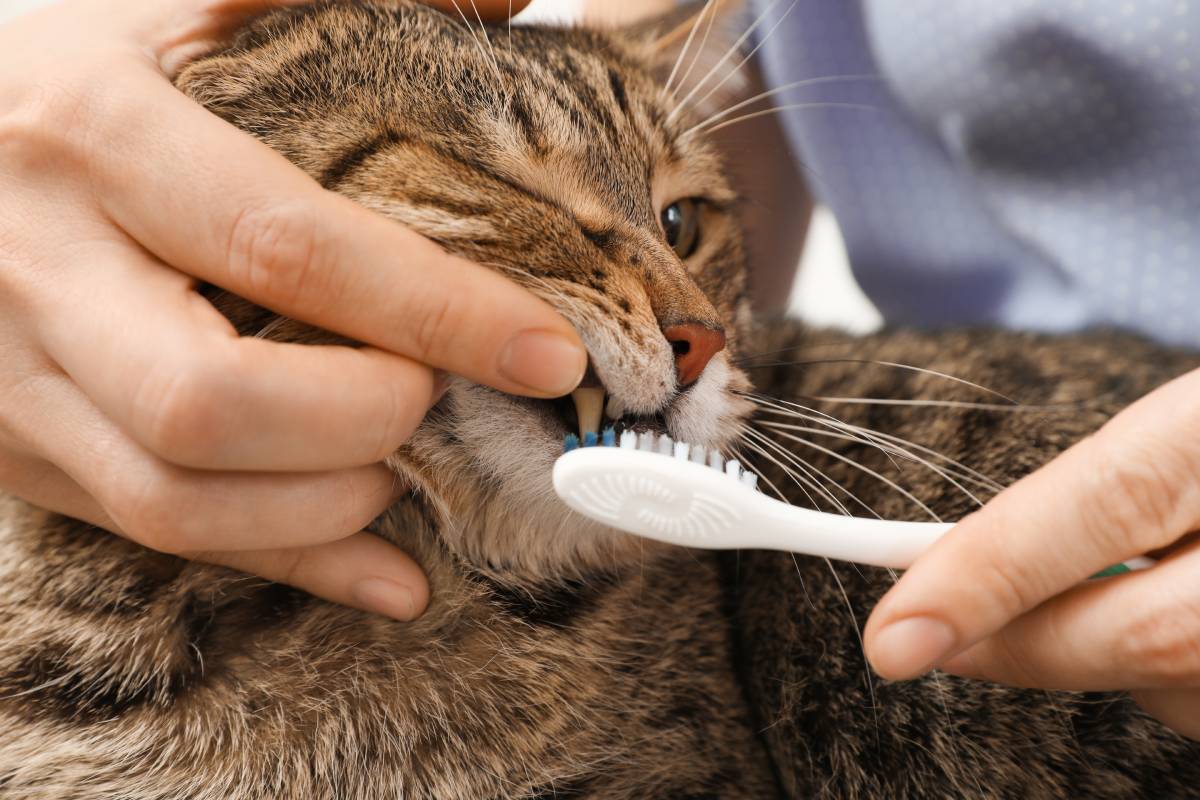
Once your cat is comfortable, gently lift their lip to expose the teeth and gums. Start brushing at the gum line, using small circular motions. Focus on the outer surfaces of the teeth, as this is where plaque tends to accumulate. Keep the sessions short, especially in the beginning, and gradually increase the duration as your cat becomes more accustomed.
Focusing On Problem Areas
Pay special attention to areas that show signs of plaque buildup or redness. These could be the back teeth or areas where the gums meet the teeth. If you notice persistent issues, consider consulting your vet. They can provide advice tailored to your cat’s specific needs. Is there a particular spot your cat resists? This could indicate discomfort or a dental issue worth investigating.
Brushing your cat's teeth might not be as straightforward as brushing your own, but with patience and practice, it can become a routine that both you and your cat look forward to. Happy brushing!
Post-brushing Care
Rinse the cat's mouth with water to remove toothpaste residue. Offer a favorite treat to reward good behavior. Monitor gums for any irritation or redness, ensuring dental health is maintained.
After successfully brushing your cat's teeth, the post-brushing care is just as important. It's the perfect time to ensure your feline friend remains comfortable and happy with their dental routine. How you handle this time can make or break future brushing sessions.
Rewarding Your Cat
Immediately after brushing, consider rewarding your cat. This creates a positive association with the activity. - Treats: Offer a favorite treat or snack. Just be sure it's safe for their dental health. - Praise: Shower them with affection and praise. Cats may not understand words, but they surely feel the love. - Playtime: Engage them in a favorite game. A few minutes of play can be a delightful reward. These small gestures can make your cat more cooperative in future sessions. Remember, consistency is key to reinforcing good behavior.
Monitoring For Reactions
After brushing, take a moment to observe your cat. This is crucial to ensure they haven't experienced any discomfort or adverse reactions. - Watch their behavior: Are they unusually quiet or agitated? This might indicate discomfort. - Check for drooling or swelling: These could be signs of irritation or an allergic reaction. - Observe eating habits: If they refuse to eat or chew, it might be a sign of dental pain. If you notice anything unusual, it might be worth consulting a vet. It's always better to be cautious when it comes to your pet's health. By rewarding your cat and monitoring for reactions, you're setting them up for a lifetime of good oral hygiene. How do you plan to make post-brushing a delightful experience for your furry friend?

Credit: www.purina.com
Common Challenges And Solutions
Brushing a cat's teeth can be challenging. Cats often resist, especially if they are not used to it. Older cats may have different needs due to dental health issues. With patience and the right techniques, these challenges can be managed.
Dealing With Resistance
Many cats resist having their teeth brushed. This is normal. Start slowly to help your cat adjust. Use a toothbrush designed for cats. It should have soft bristles and a small head.
Introduce the toothbrush gradually. Let your cat sniff and play with it first. Use a small amount of cat-friendly toothpaste. The flavor can entice your cat. Brush gently and for a short time. Reward with a treat or praise after each session.
Consistency is key. Try brushing at the same time each day. Create a calm environment. This makes the process less stressful for your cat.
Adapting Techniques For Senior Cats
Senior cats may have sensitive teeth or gums. Use extra care when brushing. A finger brush can be a gentle option. Its soft texture is less intrusive.
Check for any signs of discomfort. Bleeding or swelling may require a vet's attention. Adjust the frequency of brushing if needed. Some senior cats may need less frequent brushing.
Consider their overall health. Arthritis or other ailments may affect their tolerance. Be patient and gentle. Ensure brushing is a positive experience for your senior cat.
Frequency And Routine
Brushing your cat's teeth is vital for their oral health. Establishing a consistent routine can prevent dental issues. Regular brushing helps remove plaque, fight tartar, and keep gums healthy. It's not just about cleaning, it's about creating a habit that your cat accepts. The frequency and routine of brushing are key to maintaining your cat's dental hygiene.
Establishing A Brushing Schedule
A brushing schedule ensures your cat's teeth stay clean. Aim for brushing at least two to three times a week. Start slowly, allowing your cat to get used to the process. Gradually increase the frequency. Consistency helps your cat feel comfortable. Choose a time when your cat is calm and relaxed. This makes the experience smoother for both of you. Make brushing a part of your weekly routine.
Signs You Should Brush More Often
Sometimes, cats need more frequent brushing. Watch for signs like bad breath, red gums, or excessive drooling. These can indicate dental issues. If your cat resists eating or chews differently, it might be time for more brushing. Dental problems are easier to tackle early. Regular checks can help you spot changes. Increase brushing frequency if these signs appear. Early action keeps your cat's mouth healthy.

Credit: cvhospital.ir
Alternative Dental Care Options
Brushing a cat's teeth can be challenging. Some cats resist toothbrushing fiercely. Thankfully, there are alternative dental care options. These methods help maintain your cat’s oral health without a brush. Explore these options to keep your cat's teeth healthy and clean.
Dental Treats And Chews
Dental treats and chews are an easy option. They help reduce plaque and tartar. Their texture scrubs the teeth as the cat chews. Choose treats with dental health claims. Look for the Veterinary Oral Health Council (VOHC) seal. It ensures the product meets dental health standards. Dental chews often come in tasty flavors. This makes them appealing to cats.
Professional Cleanings
Professional cleanings are thorough. A vet performs these under anesthesia. This allows a deep clean without stress for the cat. Vets can reach areas you can't at home. They remove tartar and plaque buildup effectively. Regular vet check-ups help determine if your cat needs this service. Schedule cleanings based on your vet's advice. This ensures optimal dental health for your feline friend.
Frequently Asked Questions
Are You Supposed To Brush Your Cat's Teeth?
Yes, brushing your cat's teeth is important for their dental health. It helps prevent plaque and tartar buildup. Use a cat-specific toothbrush and toothpaste. Begin slowly and make it a positive experience. Regular dental care can prevent diseases and keep your cat healthy.
How Do I Get My Cat To Let Me Brush Her Teeth?
Start by letting your cat sniff and taste the toothpaste. Use a soft brush and be gentle. Gradually increase brushing time. Reward with treats and praise to create a positive association. Patience and consistency are key for successful cat teeth brushing.
What Is The Best Way To Clean Your Cat's Teeth?
Brush your cat's teeth daily with a pet-safe toothbrush and toothpaste. Use dental treats and toys to help reduce plaque. Regular vet check-ups ensure oral health.
How Do I Brush My Cat's Teeth At Home?
Begin by introducing your cat to a cat-specific toothbrush and toothpaste. Gently lift their lip to access teeth. Brush in circular motions, focusing on the back teeth. Reward your cat with treats to maintain a positive experience. Regular brushing prevents dental issues and ensures your cat's oral health.
Conclusion
Brushing your cat's teeth can be easy with practice. Start slowly and stay calm. Use a cat-friendly toothbrush and paste. Patience is key to success. Make this a fun routine. Your cat will appreciate it. Healthy teeth mean a happy cat.
Regular brushing prevents dental issues. Your bond with your cat will grow stronger. A few minutes a day can make a big difference. Keep your cat's smile bright and healthy. Enjoy the journey together!
