
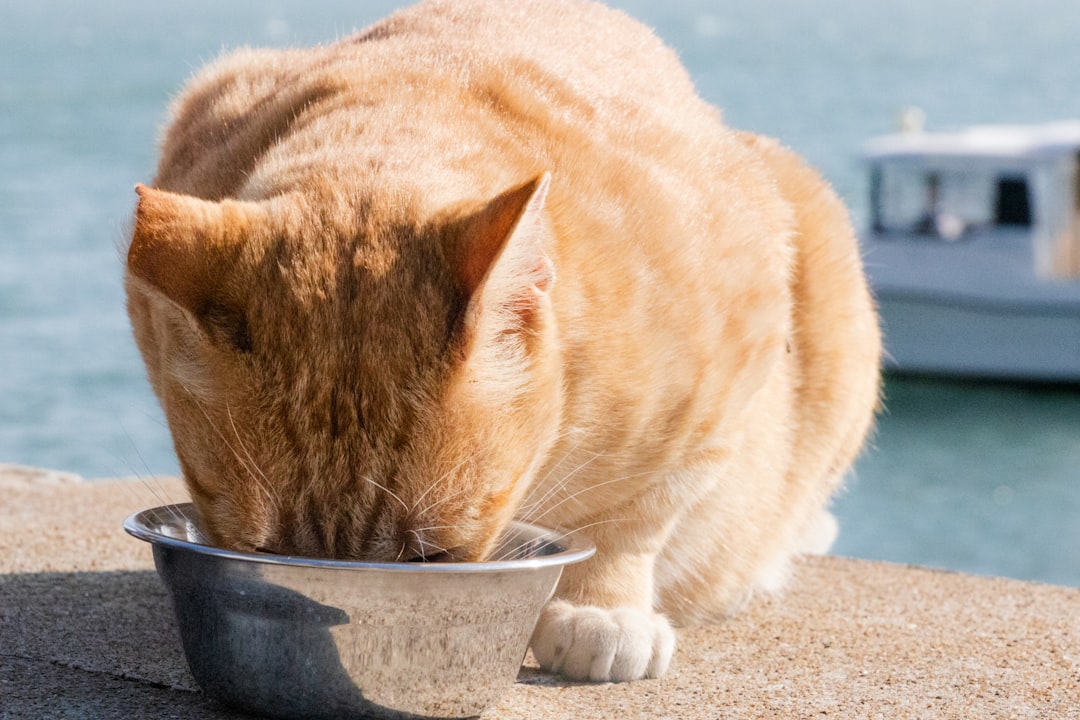
Do you often find yourself wondering how often you should feed your cat wet food? You're not alone.
As a cat owner, you want to make sure your furry friend is both happy and healthy. Feeding your cat the right type and amount of food is key to achieving this balance. Wet food can be a delicious treat and an essential part of their diet, but how much is too much?
And how frequently should you offer it? Understanding the ideal feeding routine can make all the difference in your cat's well-being. Read on to discover the secrets of feeding your cat wet food the right way. Your pet deserves the best, and you're about to learn how to provide it.

Credit: www.purina.com
Benefits Of Wet Cat Food
Wet cat food provides essential hydration and nutrients for your feline friend. Feeding it daily supports healthy digestion and shiny fur. Adjust the frequency based on your cat's age, weight, and health needs to ensure a balanced diet.
Feeding your cat wet food can offer numerous benefits that dry kibble simply can't match. Many cat owners are surprised by how much their feline friends thrive when wet food becomes a regular part of their diet. Let's explore some of these benefits to see why wet cat food might be a great choice for your pet.
Hydration Advantages
Cats naturally have a low thirst drive because their ancestors lived in arid environments where water was scarce. Wet cat food provides essential moisture that helps keep your cat hydrated, especially if they are not drinking enough water on their own. This can be particularly beneficial for older cats or those with kidney issues.
Nutritional Content
Wet cat food often contains a higher protein content, which is crucial for your cat's muscle health and overall energy levels. It usually includes fewer carbohydrates, aligning more closely with a cat's natural diet. This can be a healthier option for maintaining a balanced diet and managing your cat's weight effectively.
Palatability
Many cats find wet food more appealing due to its texture and aroma. This can be a game-changer if your cat is a picky eater or has a reduced appetite. Offering wet food can make mealtime an eagerly anticipated event, ensuring your pet gets the nutrition they need without the fuss. Choosing wet food isn't just about satisfying hunger—it's about enhancing your cat's overall well-being. Have you considered how these benefits could improve your cat's quality of life?

Credit: www.instagram.com
Determining Feeding Frequency
Feeding cats wet food requires understanding their unique needs. Determining the right frequency ensures they get balanced nutrition and maintain a healthy weight. Several factors influence how often you should offer wet food to your feline friend.
Age Considerations
Kittens need more frequent meals. Their growth demands energy and nutrients. Offer wet food three to four times daily. Adult cats usually need fewer meals. Twice a day can suffice for most. Senior cats might need more frequent feedings. Their digestive systems can be slower.
Health Factors
Health impacts feeding frequency. Cats with medical conditions might require specific dietary schedules. Wet food can be beneficial for cats with kidney issues. It provides necessary hydration. Consult a vet for cats with health concerns. They can recommend the best feeding routine.
Activity Level
Active cats burn more calories. They might need more frequent meals. Sedentary cats need fewer calories. Adjust feeding based on their energy expenditure. Monitor their weight and adjust portions if needed. Balance is key to maintaining their health.
Portion Control
Feeding cats wet food two to three times a week can provide necessary hydration and nutrients. Balance with dry food to maintain a healthy diet. Adjust based on your cat's age, weight, and health needs.
Portion control is crucial for feeding cats wet food. It helps maintain their health and prevents overeating. Knowing the right amount keeps your cat happy and healthy. Let's explore how to manage portion control effectively.
Recommended Serving Size
The right serving size depends on your cat's age and weight. Adult cats usually need about 3 ounces of wet food per meal. Kittens may require more frequent feedings. Always check the food packaging for guidance. Each brand might have different recommendations. Consult your vet for personalized advice.
Monitoring Weight
Regularly check your cat's weight to ensure it's healthy. Weigh them every month using a digital scale. Notice if their weight changes significantly. A sudden increase might indicate overfeeding. A decrease could mean they need more food. Adjust their diet based on these observations.
Adjusting Portions
Change portions if you notice weight gain or loss. Slightly reduce the amount if your cat gains weight. Increase portions if they lose weight or seem hungry. Always make changes gradually. Quick changes can upset your cat's digestion. Keep track of any adjustments for future reference.
Balancing Wet And Dry Food
Feeding cats wet food twice a day can provide essential hydration and nutrients. This balance supports their health and satisfies their natural eating habits. Mixing wet and dry food ensures they receive a complete and varied diet.
Balancing wet and dry food for your cat can be a game-changer in their diet. Cats have diverse nutritional needs, and finding the right balance between wet and dry food is crucial for their well-being. Wet food provides hydration and palatability, while dry food offers convenience and dental benefits. But how do you strike the perfect balance?
Benefits Of Mixed Diet
Feeding your cat both wet and dry food can offer a variety of health benefits. Wet food helps keep your cat hydrated, which is essential if they don't drink much water. It also tends to have a richer taste, which can be a treat for picky eaters. On the other hand, dry food can be left out longer without spoiling, making it a practical option for busy schedules. It also aids in dental health by reducing plaque and tartar buildup. Combining the two can ensure your cat receives a balanced diet with diverse nutrients.
Transitioning Between Types
Switching from one type of food to another can be tricky. Cats can be finicky eaters, so it's important to transition slowly. Start by mixing a small amount of the new food with their current food. Gradually increase the proportion of the new food while decreasing the old food over several days. Monitor your cat for any digestive issues or changes in appetite. Adjust the transition pace based on your cat’s response. Remember, patience is key to a smooth transition.
Creating A Feeding Schedule
Establishing a feeding schedule can help maintain your cat's health and routine. Consider feeding wet food once or twice a day at consistent times. Dry food can be offered in smaller amounts throughout the day or left out for grazing. Experiment with different schedules to see what works best for your cat's lifestyle and preferences. A regular schedule can also prevent overeating and help you monitor your cat’s overall food intake. Wouldn't it be nice to have a plan that keeps your feline friend happy and healthy?
Signs Of Overfeeding
Feeding your cat too much wet food can cause issues. Recognizing overfeeding signs helps maintain their health. Understanding these signs ensures a balanced diet for your feline friend.
Weight Gain Indicators
One clear sign of overfeeding is weight gain. Observe your cat's body shape. A healthy cat has a noticeable waist. An overweight cat may lose this definition. Check for a visible belly pouch. This often indicates excess weight. Weigh your cat regularly. Sudden increases might suggest overfeeding. Keeping an eye on their size helps manage their diet.
Behavioral Changes
Overfeeding can lead to behavioral shifts. Cats may become lethargic. They might sleep more than usual. A decrease in activity levels is a red flag. Some cats become more demanding. They may beg for food constantly. These changes can signal an imbalanced diet. Pay attention to their energy and behavior patterns.
Health Implications
Overfeeding affects a cat's health. It increases the risk of diabetes. Extra weight strains their joints. This may cause arthritis over time. Heart and respiratory issues might develop. Monitor for signs of illness. Regular vet check-ups are essential. Keeping their diet in check ensures long-term well-being.

Credit: www.whiskas.co.uk
Choosing Quality Wet Food
Cats thrive on quality wet food, which is ideal for hydration and nutrition. Feed them wet food once or twice daily, balancing with dry kibble to maintain dental health.
Choosing quality wet food for your cat is vital for their health. Quality ingredients and trusted brands matter. They ensure your cat gets the nutrients they need. Consulting veterinarians can also guide you. Let's explore each aspect further.
Evaluating Ingredients
Check the ingredients list on the wet food label. Look for real meat as the first ingredient. Avoid products with fillers like corn or wheat. Stay away from artificial preservatives and colors. These can harm your cat over time. Natural ingredients support your cat's overall health.
Brand Reputation
Research the brand's reputation before purchasing. Trusted brands often have better quality control. They invest in research and development. Read reviews and ask for recommendations. Reputable brands prioritize your cat's health.
Consulting Veterinarians
Consult your vet for advice on choosing wet food. Veterinarians understand your cat's specific dietary needs. They can recommend brands and ingredients. Regular check-ups help monitor your cat's health. Your vet's guidance ensures you make informed decisions.
Frequently Asked Questions
Do Cats Need Wet Food Every Day?
Cats benefit from daily wet food for hydration and nutrition. Wet food helps maintain urinary health and provides essential moisture. Some cats prefer wet food due to its taste and texture. Consult your veterinarian to ensure your cat's diet meets its specific needs and health requirements.
How Much Wet Food Should Cats Eat Daily?
Cats typically need about 3-5 ounces of wet food per day. The exact amount varies based on their age, size, and activity level. Consult with your vet to ensure your cat gets the right balance of nutrients. Adjust the portion if your cat gains or loses weight.
Is Wet Food Better Than Dry Food For Cats?
Wet food is often more hydrating and palatable than dry food. It can be beneficial for cats prone to urinary tract issues. However, dry food is more convenient and helps with dental health. A balanced diet with both types may be ideal.
Discuss options with your vet.
Can Kittens Eat Wet Food Every Day?
Yes, kittens can eat wet food daily as it's nutritious and easy to digest. Wet food provides essential hydration and nutrients for growth. Ensure the food is formulated for kittens to support their developmental needs. Gradually introduce it to their diet alongside dry food.
Conclusion
Feeding cats wet food depends on their age and health. Young kittens need more wet food. Adult cats can have it less often. Wet food helps with hydration and dental health. Always check the label for feeding guidelines. Consult your vet for specific dietary needs.
Balance wet and dry food for a healthy diet. Monitor your cat's weight and mood. Adjust feeding if needed. Happy and healthy cats thrive with proper nutrition. Your furry friend deserves the best care. Make informed choices for their meals.
Remember, every cat is unique in their needs.