
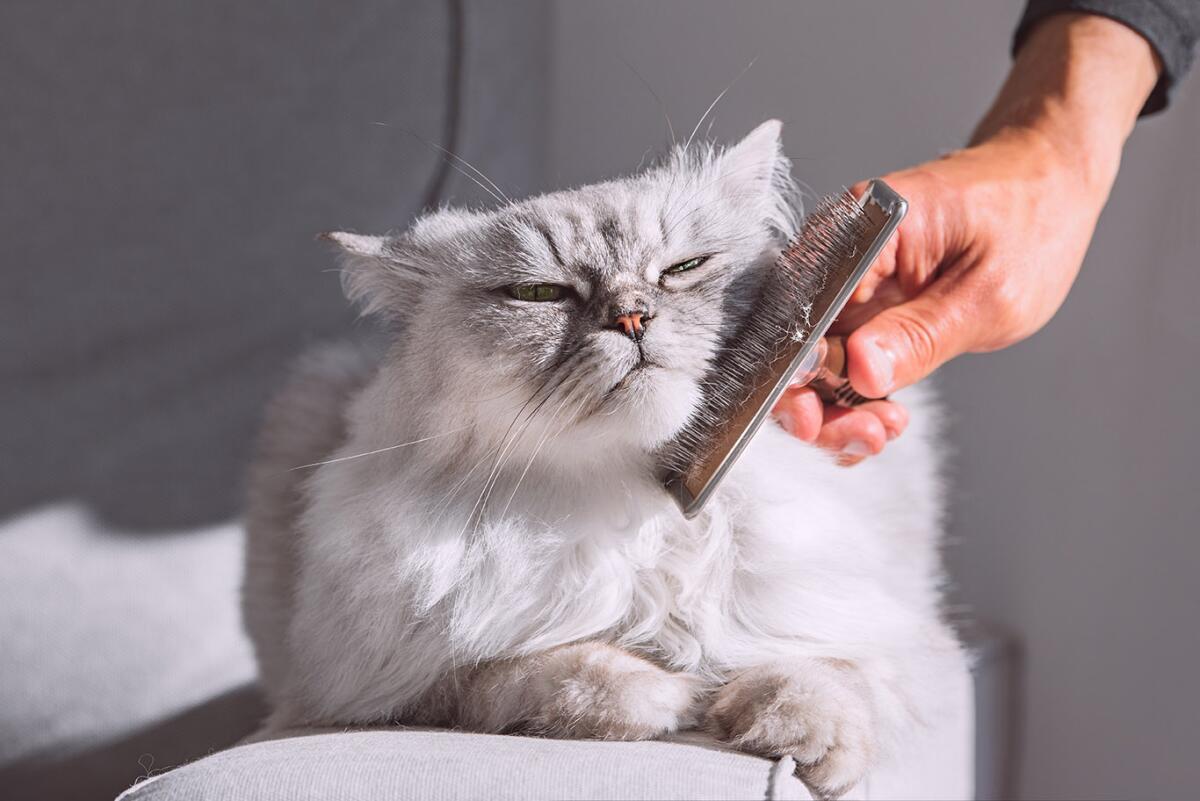
You love your cat and want to keep them happy and healthy. One of the simplest ways to ensure their well-being is by brushing their fur.
But how often should you really be doing it? This question might have crossed your mind as you watch your feline friend lounging in the sun, their fur glistening. The answer isn't as straightforward as you might think. Understanding the right frequency for brushing can improve your cat's health and even strengthen the bond between you two.
We'll uncover the secrets to maintaining a shiny, healthy coat and reveal how regular grooming can transform your cat's life. Dive in to discover the optimal brushing routine that keeps your beloved pet purring with joy!
)
Credit: www.northroadvet.com.au
Importance Of Regular Brushing
Regular brushing of a cat's fur reduces shedding and prevents matting. Aim to brush your cat's fur several times a week. This keeps their coat healthy and minimizes hairballs.
Cats are known for their meticulous grooming habits, yet even the most diligent feline can benefit from a little human help. Regular brushing is more than just a pampering session; it's a necessity that can significantly improve your cat's health and happiness. Understanding the importance of this routine can transform your approach to cat care and enhance the bond you share with your furry companion.
Reduces Shedding And Hairballs
Regular brushing significantly reduces the amount of loose fur in your home. This means fewer hairballs, a common problem that can cause discomfort for your cat. By helping your cat with their grooming, you minimize the risk of hairball-related health issues.
Prevents Matting
Matted fur can be painful and lead to skin issues. Especially in long-haired breeds, mats can form quickly and become difficult to remove. Brushing your cat regularly keeps their coat smooth and free of tangles.
Promotes Skin Health
Brushing stimulates the skin, increasing blood circulation. This can lead to healthier skin and a shinier coat. It also helps to evenly distribute natural oils, which can prevent dryness and irritation.
Builds Trust And Bonding
Brushing sessions can become a bonding ritual between you and your cat. It’s a time for gentle interaction and can enhance your relationship. Many cats come to look forward to this special attention, associating it with affection and care.
Opportunity For Health Checks
While brushing, you can check for any unusual lumps, bumps, or skin issues. Early detection of health problems is crucial for treatment. Regular grooming sessions keep you informed about your cat's physical condition. Engaging in regular brushing not only keeps your cat looking their best but also plays a crucial role in their overall well-being. Is brushing already a part of your routine, or is it time to make it one? Your cat will surely thank you for it!
Factors Affecting Brushing Frequency
Brushing a cat's fur depends on factors like hair length, shedding patterns, and overall health. Long-haired cats need more frequent grooming than short-haired breeds. Regular brushing prevents matting and reduces shedding.
Factors Affecting Brushing Frequency Understanding how often to brush your cat's fur can be tricky. Different factors influence the brushing routine. Knowing these can help keep your cat's coat healthy.
Cat's Breed
Some breeds need more grooming. Persian cats have thick coats that require frequent brushing. Siamese cats have short hair, needing less frequent grooming. Each breed has unique grooming needs.
Length Of Fur
Long-haired cats need more attention. Their fur can easily tangle and mat. Short-haired cats require less frequent brushing. Regular brushing keeps all fur types clean and healthy.
Age And Health
Older cats may need gentle brushing. Their skin is more sensitive. Health issues can also affect brushing needs. Cats with skin problems might need special care. Regular checks ensure your cat is comfortable during grooming.
Recommended Brushing Schedule
Ensuring your cat's fur remains shiny and healthy requires a consistent brushing routine. But how often should you grab that brush? The answer depends largely on the type of coat your feline friend has. While some cats need daily attention, others might be fine with a weekly grooming session. Let's dive into the recommended brushing schedules for both short-haired and long-haired cats.
Short-haired Cats
Short-haired cats usually require less frequent brushing. A couple of times a week is generally sufficient to keep their coat in good condition. Regular brushing helps remove loose fur, reducing shedding and hairballs. You might notice your cat enjoying the process, as it mimics the natural grooming they do themselves. If your cat is prone to shedding, you might consider adding an extra session during shedding seasons.
Long-haired Cats
Long-haired cats are a different story altogether. Their luxurious coats need more attention to prevent tangles and mats. Daily brushing is often recommended to keep their fur manageable. It may seem like a lot, but regular grooming sessions can save you from dealing with stubborn knots later. Plus, it's a great bonding opportunity. Imagine the satisfaction of seeing your cat's fur looking vibrant and healthy, simply by dedicating a few minutes each day to brushing.
Tools For Effective Brushing
Brushing your cat's fur is essential for their health and comfort. To do this effectively, you need the right tools. The right brush makes grooming easier and more enjoyable for your cat. Let's explore the different types of brushes and how to choose the best one for your feline friend.
Types Of Brushes
Cats have different fur types, so there are various brushes available. Each brush serves a unique purpose:
- Slicker Brushes:These have fine, short wires close together. Ideal for removing loose fur and tangles.
- Bristle Brushes:Soft bristles make them perfect for short-haired cats. They help distribute natural oils, giving a shiny coat.
- Pin Brushes:Resemble human hairbrushes, best for long-haired cats. They help detangle and smooth fur.
- Undercoat Rakes:Designed for cats with thick undercoats. These remove loose fur from the underlayer.
Choosing The Right Brush
Selecting the right brush depends on your cat's coat type. Short-haired cats benefit from bristle brushes. They help in removing loose hair and distribute oils.
For long-haired cats, pin brushes or slicker brushes work well. They help manage mats and tangles effectively.
If your cat has a thick undercoat, use an undercoat rake. It helps in reducing shedding and keeps the coat healthy.
Always consider your cat's comfort. Some cats prefer gentler brushes. Test different types to see which your cat likes best.
Benefits Of Regular Grooming
Regular grooming enhances your cat's health by preventing matting and reducing shedding. Brush your cat's fur 2-3 times a week for optimal results. This routine helps distribute natural oils, keeping their coat shiny and smooth.
Regular grooming of your cat's fur does more than just keep them looking neat. It plays a crucial role in maintaining their health and happiness. By brushing your cat regularly, you can enjoy several benefits that make the effort worthwhile.
Reducing Shedding
Regular brushing reduces the amount of loose fur around your home. It captures fur on the brush rather than your furniture. This can significantly lessen the amount of cleaning you need to do. Imagine fewer fur tumbleweeds rolling across your floors. Your vacuum cleaner might even thank you! Plus, it keeps your clothes free from those pesky fur clumps.
Preventing Hairballs
Frequent grooming minimizes the risk of hairballs. By removing loose hair, your cat is less likely to ingest it while grooming themselves. This means less coughing and discomfort for your furry friend. It also reduces the chances of finding unpleasant surprises around your home. Brushing helps your cat's digestive system. It keeps them happier and healthier with less hair to contend with internally.
Enhancing Bonding
Grooming sessions can strengthen your bond with your cat. It's a time to connect, offering them comfort and affection. Cats often purr and relax during brushing, showing their appreciation. This soothing routine can be a special moment between you and your pet. Do you notice your cat seeking you out for attention more often? Regular grooming could be the reason why. It creates positive associations and trust, deepening your relationship.

Credit: www.instagram.com
Common Brushing Mistakes
Brushing your cat's fur is important for their health and well-being. It helps reduce shedding, prevents mats, and keeps their coat shiny. Yet, many cat owners make common mistakes during this process. These mistakes can cause discomfort or even harm. Being aware of these can make the grooming routine more effective and enjoyable for your feline friend.
Overbrushing
Overbrushing can irritate your cat's skin. It can lead to bald spots. Cats with sensitive skin may feel pain if brushed too often. A regular schedule is key. Most cats need brushing only once or twice a week. Long-haired breeds might need more frequent attention. Pay attention to your cat's reaction. If they seem uncomfortable, reduce the frequency.
Ignoring Mats
Mats are tangled clumps of fur. They can be painful and lead to skin problems. Many cat owners ignore them, thinking they will resolve on their own. But they often get worse over time. Regular brushing can prevent mats from forming. If you find a mat, gently work it out with your fingers or a comb. Avoid pulling hard. This can hurt your cat.
Using Wrong Tools
The right tool makes brushing easier and more effective. Some brushes are not suitable for all fur types. A slicker brush works well for long-haired cats. Short-haired breeds may need a bristle brush or grooming glove. Check the brush for sharp edges. These can scratch your cat’s skin. Choose a tool that your cat is comfortable with. This makes grooming a pleasant experience for both of you.
Tips For Making Brushing Enjoyable
Brushing your cat's fur daily can prevent tangles and reduce shedding. Make it fun by using treats and gentle strokes. A relaxed environment helps your cat enjoy the grooming session.
Brushing your cat's fur can be a delightful bonding experience, but it's essential to make it enjoyable for both you and your feline friend. If your cat associates brushing with positive experiences, it will become a cherished routine rather than a chore. Here are some tips to turn brushing time into a pleasant activity for your cat, ensuring they look forward to it each time.
Starting Early
Begin brushing your cat's fur while they're still a kitten. Early exposure helps them get used to the sensation and makes them more likely to enjoy it as they grow older. If your cat is already an adult, don't worry. Gently introduce the brush and allow them to sniff and explore it at their own pace.
Creating A Routine
Cats love consistency. Establish a regular schedule for brushing, ideally when your cat is most relaxed, such as after a meal or play session. Consistency helps your cat know what to expect, reducing any anxiety they might have about brushing. Set aside a specific time and place for grooming sessions. This helps in creating a familiar environment that your cat can associate with comfort and care.
Using Treats And Praise
Positive reinforcement can work wonders. Offer treats and verbal praise during and after brushing sessions. This creates a positive association with the brushing process. Keep the treats small and healthy to avoid overfeeding. Over time, your cat will start to look forward to brushing sessions, anticipating the rewards that follow. By incorporating these tips, brushing your cat's fur can become an enjoyable ritual that strengthens the bond between you and your furry companion. How can you make this routine a highlight of your cat's day?

Credit: www.facebook.com
When To Seek Professional Help
Cats with tangled or matted fur may need professional grooming. Regular brushing helps prevent these issues. Seek expert advice if your cat's fur condition worsens or becomes unmanageable.
When brushing your cat's fur, regular maintenance is crucial. Yet, certain situations call for professional intervention. Understanding when to seek help ensures your cat stays healthy and comfortable. Professional groomers have the tools and skills needed for complex issues. Here are key scenarios where professional help might be necessary.
Severe Matting
Severe matting can cause discomfort and pain for your cat. Mats can trap dirt and moisture, leading to skin problems. If you notice large mats forming, it's time to call a groomer. They can safely remove mats without harming your cat. Attempting to cut mats yourself can lead to injuries. Groomers use special tools to detangle and remove mats efficiently.
Skin Issues
Skin issues may indicate a need for professional grooming. Redness, flakiness, or sores require attention. These symptoms could be signs of allergies or infections. A groomer can identify skin problems and recommend solutions. They may also suggest visiting a vet if necessary. Keeping your cat's skin healthy prevents discomfort and further complications.
Behavioral Concerns
Behavioral changes during grooming might need expert assistance. If your cat becomes aggressive or stressed, seek help. Groomers know techniques to calm anxious cats. They create a soothing environment to make the experience pleasant. A professional can also provide tips for at-home grooming. This ensures your cat remains relaxed during regular brushing sessions.
Frequently Asked Questions
How Often Should Indoor Cats Be Brushed?
Indoor cats should be brushed 1-2 times weekly to reduce shedding and prevent hairballs. Long-haired breeds may need daily grooming to maintain their coat. Regular brushing keeps their fur healthy and minimizes matting. Use a gentle brush suited for your cat's fur type for best results.
Are You Supposed To Brush Your Cat's Fur?
Yes, brushing your cat's fur is important. It helps reduce shedding, prevents matting, and removes loose hair. Regular brushing also promotes a healthy coat and can strengthen your bond with your cat. Aim for weekly brushing sessions, but adjust based on your cat's fur type and individual needs.
Do Cats Feel Better After Being Brushed?
Brushing helps cats feel better by removing loose fur and reducing shedding. It enhances circulation and relaxes them. Grooming prevents mats and tangles, promoting a healthier coat. Regular brushing also strengthens the bond between cats and their owners, contributing to their overall well-being and happiness.
What Happens If You Don't Brush A Cat?
Neglecting to brush a cat leads to matted fur, skin issues, and increased shedding. Regular grooming prevents tangles and discomfort. Brushing also reduces hairballs and promotes a healthy coat. Cats enjoy the bonding experience, enhancing their overall well-being and happiness.
Conclusion
Brushing your cat's fur is more than just grooming. It promotes healthy skin. Reduces shedding. Prevents knots and mats. It's a bonding time. Aim for weekly brushing. Short-haired cats need less frequent brushing. Long-haired cats need more attention. Observe your cat's behavior.
Adjust the routine as needed. Consistency is key. Use gentle tools. Make it enjoyable for your cat. Remember, every cat is unique. Understand their needs. Create a comforting routine. Your cat will appreciate it. Plus, you’ll enjoy a cleaner home.
Happy grooming!
