
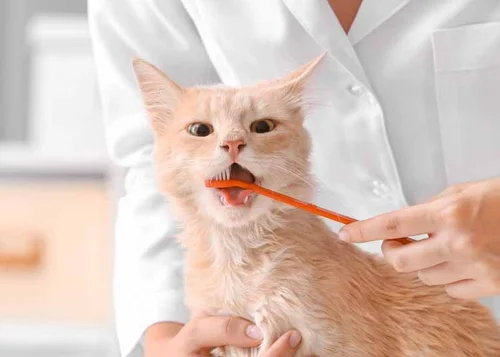
Imagine having a furry friend with a dazzling smile and a healthy mouth. That's exactly what you want for your beloved cat, right?
Ensuring your cat’s dental health might seem like a daunting task, but it's crucial for their overall well-being. You might be wondering just how often you should brush your cat’s teeth to keep them in tip-top shape. Your curiosity is valid, and taking action now can prevent future health issues.
By understanding the importance of regular brushing, you are setting the stage for a happier, healthier life for your feline companion. Dive into this article and discover how you can make dental care an easy and rewarding part of your routine, ensuring your cat stays purring happily with each brushstroke.

Credit: www.purina.com
Importance Of Cat Dental Hygiene
Dental hygiene is crucial for a cat's overall health. Many cat owners overlook the importance of regular dental care. A healthy mouth can prevent serious health issues. Plaque and tartar buildup can lead to gum disease. This can cause pain and discomfort for your feline friend. Regular brushing keeps your cat's teeth clean and strong. It also helps to reduce bad breath and dental infections.
Why Cat Dental Hygiene Matters
Dental issues can affect a cat's eating habits. Pain in the mouth can make it hard to chew. It may lead to a loss of appetite. Proper dental care ensures your cat eats comfortably. Healthy teeth mean a healthy digestive system. Dental problems can also impact a cat's mood. A happy cat is a healthy cat.
Risks Of Poor Dental Care
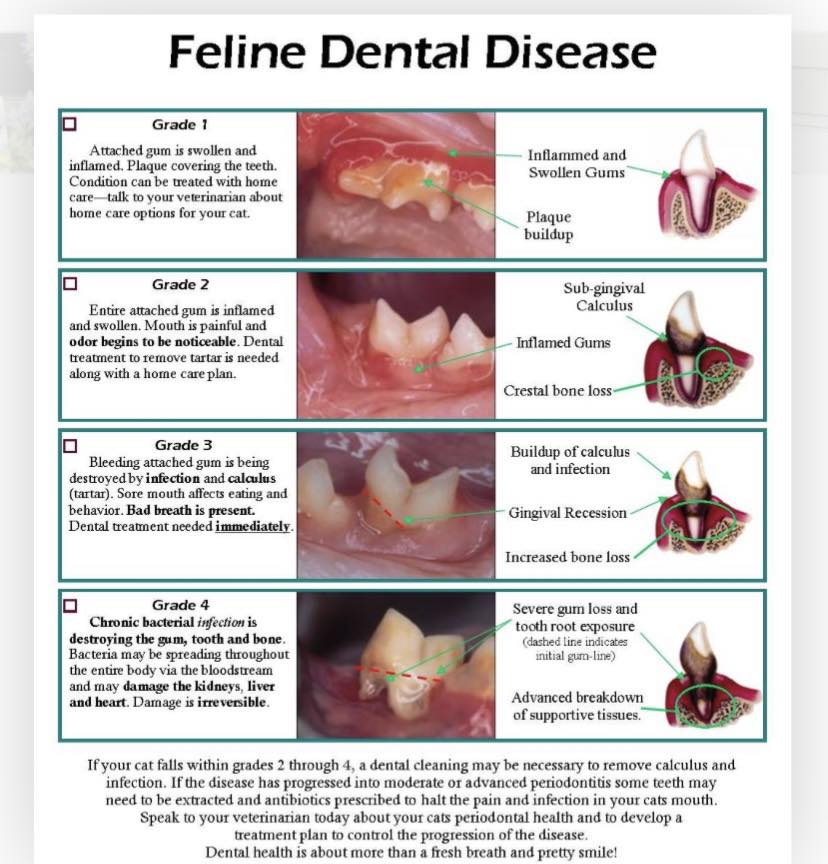
Neglecting a cat's dental hygiene can lead to serious problems. Gum disease can spread to other parts of the body. Infection can affect the heart, kidneys, and liver. Regular brushing helps prevent these risks. It ensures your cat lives a long, happy life.
How Often To Brush A Cat's Teeth
Brushing a cat's teeth should be a regular routine. Aim for at least three times a week. Daily brushing provides the best results. Use a cat-friendly toothbrush and toothpaste. Make it a positive experience for your cat. Be patient and gentle.
Signs Of Dental Problems
Look for signs of dental issues in your cat. Bad breath is a common indicator. Drooling or pawing at the mouth can signal pain. Red or bleeding gums are a warning sign. Schedule a vet visit if you notice these symptoms.
Credit: www.facebook.com
Ideal Frequency For Brushing
Regular brushing is crucial for your cat's dental health. It prevents plaque buildup, which can lead to gum disease. But how often should you brush your cat's teeth? Let's explore the ideal frequency.
Understanding Your Cat's Dental Needs
Cats, like humans, need dental care to stay healthy. Plaque hardens into tartar, causing dental problems. Brushing removes plaque before it hardens. This keeps your cat's mouth fresh and healthy.
Recommended Brushing Frequency
Experts suggest brushing your cat's teeth daily. Daily brushing effectively removes plaque. It also helps your cat get used to the routine. If daily brushing is not possible, aim for several times a week. Regularity is key in maintaining oral hygiene.
Signs You Need To Brush More Often
Check your cat's mouth regularly for signs of dental issues. Look for red or swollen gums, bad breath, or yellowing teeth. These signs mean you should brush more often. Addressing issues early prevents further complications.
Making Brushing A Routine
Start slowly to make brushing a habit. Use a cat-friendly toothbrush and toothpaste. Reward your cat with treats after brushing. Gradually increase the frequency until daily brushing is achievable. Consistency is essential for success.
Recognizing Dental Issues
Brushing a cat's teeth daily helps prevent dental issues. Regular brushing removes plaque and maintains gum health. Even a few times a week can make a difference in keeping their teeth clean.
Recognizing dental issues in cats is crucial for their health. Dental problems can lead to pain and affect their eating habits. Understanding the signs of dental issues helps in maintaining your cat's oral health.
Signs Your Cat Might Have Dental Problems
Cats often hide discomfort and pain. Watch for changes in eating behavior. Dropping food or refusing dry kibble can indicate dental pain. Bad breath is another common sign. If your cat's breath smells unusually foul, it may be time for a vet visit.
Visual Indicators Of Dental Issues
Examine your cat's mouth regularly. Look for red or swollen gums. These can be early signs of gingivitis. Check for yellow or brown tartar on teeth. Excessive tartar buildup can lead to more serious problems. Notice any loose or broken teeth? These require immediate attention.
Behavioral Changes Linked To Dental Health
Behavioral shifts often signal dental troubles. Reduced playfulness might indicate discomfort. Cats may paw at their mouth if in pain. Excessive drooling is another sign of oral issues. If your cat seems more irritable, a dental check could be needed.
Importance Of Early Detection
Early detection prevents serious dental diseases. Regular checks help spot issues before they worsen. Timely vet visits can prevent painful conditions. Consistent monitoring ensures your cat stays healthy. It also avoids costly treatments later on.
Choosing The Right Tools
Choosing the right tools for brushing your cat's teeth can make a big difference. Using the correct toothbrush and toothpaste ensures effective cleaning and safety. Let's explore the best options available for your feline friend.
Types Of Toothbrushes
There are several types of toothbrushes suitable for cats:
- Finger Brushes:These are small and fit over your fingertip. They give you more control while brushing.
- Small Pet Brushes:These have soft bristles and a small head. Ideal for reaching all areas of your cat's mouth.
- Electric Toothbrushes:Some pet owners find these effective. They vibrate gently to clean teeth thoroughly.
Choose a brush that your cat feels comfortable with. Comfort reduces stress during brushing sessions.
Safe Toothpaste Options
Human toothpaste is not safe for cats. It can harm them. Instead, look for toothpaste specifically made for cats. These often come in flavors cats enjoy, like chicken or fish.
Check labels for enzymatic toothpaste. They help break down plaque and tartar. Enzymatic toothpaste enhances the cleaning process without using harsh chemicals.
Ensure the toothpaste is vet-approved. This guarantees safety and effectiveness for your cat.
Effective Brushing Techniques
Brushing your cat's teeth might seem like a daunting task, but with the right techniques, it can become a simple and effective routine. Cats, like humans, benefit greatly from regular dental care. Adopting effective brushing techniques ensures your feline friend maintains healthy gums and teeth, reducing the risk of dental disease.
Step-by-step Guide
Begin by choosing a comfortable, quiet spot where your cat feels safe. This will help them associate brushing with a positive experience. Use a cat-specific toothbrush and toothpaste, never human toothpaste, as it's harmful to cats.
- Let your cat taste the toothpaste first. This allows them to get used to the flavor.
- Gently lift your cat's lip, exposing their teeth and gums.
- Start brushing in small, gentle circles, focusing on the gum line where plaque builds up.
- Initially, aim for a few teeth, gradually increasing as your cat becomes more comfortable.
In my experience, patience is key. My own cat was hesitant at first, but with consistent, calm sessions, she now tolerates brushing without fuss. Could your cat become the same with a bit of perseverance?
Common Mistakes To Avoid
Avoid using human toothpaste as it contains fluoride, which is toxic to cats. Another mistake is brushing too aggressively. This can hurt your cat's gums and make them resistant to future brushing sessions.
Skipping regular brushing is another pitfall. Infrequent brushing allows plaque to harden into tartar, which is much harder to remove. Finally, don’t brush if your cat is upset or stressed. This can create a negative association with brushing.
By using these effective techniques and avoiding common mistakes, you can ensure your cat's dental health with ease. Have you tried brushing your cat's teeth yet? It's never too late to start!
Alternative Dental Care Options
Brushing your cat's teeth regularly helps prevent dental issues. Aim for at least three times a week. This routine supports oral health and reduces tartar buildup.
Caring for your cat's dental health doesn't have to be a daunting task. While regular brushing is important, there are several alternative dental care options that can keep your feline's teeth and gums healthy. These options can be integrated into your cat's routine without much hassle and can serve as a great supplement to brushing. Let's dive into some of these alternatives that can help maintain your cat's sparkling smile.
Dental Treats And Chews
Dental treats and chews are a fun and effective way to promote oral health in cats. These specially designed treats help reduce plaque and tartar build-up as your cat chews on them. Look for treats approved by veterinary dental associations, ensuring they are not only tasty but also beneficial. Cats often love these treats, making it an easy addition to their routine. You can offer them as a reward during playtime or after a grooming session. However, it's important to monitor your cat's intake to prevent overfeeding.
Professional Dental Cleanings
Scheduling professional dental cleanings for your cat is another crucial component of maintaining oral health. Veterinarians have the expertise and tools to thoroughly clean your cat's teeth, reaching areas that are difficult to address at home. How often should you consider professional cleanings? It largely depends on your cat’s age, diet, and overall health. Consulting your vet can provide a personalized recommendation. Professional cleanings can also catch early signs of dental issues, preventing serious problems down the line. This proactive approach can save you from costly treatments and keep your feline friend healthy and happy.
Creating A Routine
Brushing your cat's teeth twice a week helps maintain oral health. Regular brushing prevents plaque buildup and gum disease. Establishing a consistent routine can significantly improve your cat's dental hygiene and overall well-being.
Creating a routine for brushing your cat's teeth is essential for their dental health. Establishing a consistent pattern can prevent dental diseases and ensure your cat stays comfortable with the process. But how do you create a routine that works for both you and your feline friend?
Training Your Cat
Training your cat to accept tooth brushing can be a gradual yet rewarding journey. Start by introducing them to the taste of cat-friendly toothpaste. You can gently apply a small amount on your finger and let your cat lick it off. Once they're familiar with the taste, slowly introduce the toothbrush. Let them sniff and inspect it. You could even use a soft, damp cloth initially before moving to a toothbrush. Patience is key here. Reward them with a treat or extra playtime after each session to build positive associations.
Incorporating Into Daily Life
Incorporating tooth brushing into your daily routine doesn’t have to be daunting. Choose a specific time of day when your cat is usually calm, perhaps after a meal or play session. Consistency is crucial. Whether it’s every day or a few times a week, sticking to a schedule helps. Make it a bonding time rather than a chore. Maybe you can brush your cat's teeth while you listen to your favorite podcast or just before your evening relaxation time. Finding ways to make this task enjoyable for both of you will ensure it becomes a seamless part of your daily life. Have you thought about how this small change could significantly impact your cat’s overall health?
:strip_icc()/brush-your-cats-teeth-4778262-hero-9b2c8ee454904454a195642ceaa5454e.jpg)
Credit: www.thesprucepets.com
Expert Opinions
Understanding expert opinions helps in maintaining your cat's oral health. Cats need proper dental care to avoid diseases. Experts can guide you on how often to brush your cat's teeth. Let's explore what they have to say.
Veterinarian Recommendations
Veterinarians emphasize the importance of regular dental care for cats. They suggest brushing your cat's teeth at least once daily. This routine helps remove plaque and prevent tartar buildup. Use cat-specific toothpaste and a soft brush. Some vets recommend starting dental care when cats are young. This makes it easier for them to adapt. Regular vet check-ups are also vital. They ensure your cat's teeth remain healthy over time.
Insights From Animal Behaviorists
Animal behaviorists focus on the cat's comfort during brushing. They advise gradual introduction to tooth brushing. Start by letting your cat sniff the toothbrush and paste. Reward them with treats for positive behavior. Over time, increase the duration of brushing. Use gentle strokes to avoid stress. Behaviorists also suggest keeping the brushing experience positive. This encourages your cat to accept the routine.
Frequently Asked Questions
Is It Necessary To Brush Cat Teeth?
Yes, brushing a cat's teeth is necessary. It helps prevent dental diseases, plaque buildup, and bad breath. Regular brushing promotes overall oral health, reducing the risk of serious health issues. Aim to brush your cat's teeth several times a week using cat-specific toothpaste and a suitable toothbrush.
Is It Ever Too Late To Start Brushing Your Cat's Teeth?
It's never too late to start brushing your cat's teeth. Begin slowly and use cat-friendly toothpaste. Regular brushing helps prevent dental issues and maintains your cat's overall health. Make it a positive experience with treats and patience. Consistent care can improve your cat’s dental hygiene at any age.
How Often Should I Brush The Teeth Of My Cat?
Brush your cat's teeth ideally three times a week. Regular brushing helps maintain dental health and prevents plaque buildup. Use a cat-specific toothbrush and toothpaste for effective cleaning. Gradually introduce brushing to your cat, ensuring a comfortable experience. Regular dental care supports overall health and well-being.
How Often Should I Brush My Cat's Teeth?
Brushing your cat's teeth daily is ideal. However, at least three times a week is beneficial. Regular brushing helps prevent plaque and tartar buildup. It also promotes overall oral health. Consistency is key to maintaining your cat's dental hygiene.
Conclusion
Brushing your cat's teeth is important for their health. Aim for at least twice a week. This helps prevent gum disease and bad breath. Always use cat-friendly toothpaste. Start slow if your cat is not used to it. Regular brushing keeps your cat happy and healthy.
Dental check-ups with the vet are also crucial. They can spot issues early. A healthy mouth means a healthier cat. Remember, a little effort goes a long way. Keep your furry friend’s smile bright and their purrs loud. Your cat will thank you with years of love.
