

Imagine coming home after a long day, and your cat greets you with a gentle purr and a hopeful gaze. You know that feeding time is one of the highlights of your furry friend's day, but you might be wondering, "How often should I feed my cat wet food?"
It's a question many cat owners grapple with, and finding the right balance can ensure your feline companion stays healthy and happy. Wet food can be a delicious treat for your cat, and it offers hydration and nutrients they need.
But just like us, cats can have unique dietary needs that require a bit of attention. You'll discover the best feeding practices tailored to your cat's needs, ensuring they live their best life with every meal. Stick around to learn how you can enhance your cat’s mealtime experience while keeping their health in check. Your cat deserves the best, and with the right knowledge, you can make sure they're getting it.

Credit: www.whiskas.co.uk
Understanding Cat Nutrition
Understanding cat nutrition is crucial for ensuring your feline friend lives a healthy and happy life. If you've ever pondered about the ideal diet for your cat, you're not alone. Cats have specific nutritional needs that differ from other pets, and catering to these needs can significantly impact their well-being.
Nutritional Needs Of Cats
Cats are obligate carnivores, meaning their diet requires a high protein content primarily from animal sources. They need amino acids like taurine, which are essential for their heart and eye health. Additionally, cats need a balanced intake of vitamins and minerals to support their immune system and overall vitality.
It's important to note that cats have a low thirst drive, as they naturally obtain most of their water from their food. This makes wet food an excellent option. But how much should you feed them to ensure they get the right amount of nutrients?
Benefits Of Wet Food
Wet food is not just about hydration. It offers a higher protein content compared to many dry foods, which aligns perfectly with a cat’s dietary needs. Wet food also contains fewer carbohydrates, which is beneficial since cats have no dietary requirement for carbs.
There's a practical side too. Wet food can be more palatable and appealing, especially for picky eaters. If you've ever struggled with getting your cat to eat, wet food might be the way to go. Have you noticed any changes in your cat's energy levels or coat quality after switching to wet food?
While wet food has its benefits, determining the frequency of feeding requires considering your cat's age, weight, and activity level. Finding the right balance can be a game changer in their health and happiness.
Wet Food Feeding Frequency
Feeding your cat wet food is a choice that can significantly impact their health and happiness. Understanding the right frequency is crucial to ensure your feline friend gets the nutrition they need without overfeeding. Let's dive into how often you should serve wet food to your cat and what factors might influence this decision.
Daily Feeding Recommendations
Most veterinarians suggest feeding your cat wet food daily. Cats benefit from the moisture content which supports hydration, especially if they don't drink enough water. A common approach is to offer wet food at least once a day, usually during one of their main meals.
Some cat owners split the daily portion into two servings—one in the morning and another in the evening. This can help manage hunger and prevent overeating. However, you'll want to avoid leaving wet food out for too long as it can spoil quickly.
Factors Influencing Frequency
Several factors can affect how often you feed your cat wet food. Age is a major consideration; kittens may need more frequent feedings due to their rapid growth, while adult cats might do well with one or two servings a day.
Your cat's health status also plays a role. Cats with certain medical conditions might require more or less wet food. Always consult your veterinarian to tailor the feeding schedule to your cat's specific needs.
Activity level is another factor. Highly active cats may need more calories, so adjusting their wet food intake might be necessary. Is your cat a playful explorer or a lazy lounger? Their lifestyle will guide your feeding routine.
Remember, every cat is unique. Observe your pet's behavior and consult with your vet to determine the best wet food feeding frequency for your furry friend. How do you balance their nutritional needs with their preferences?
Age-based Feeding Guidelines
Feeding your cat wet food depends on their age. Different age groups have different needs. This guide will help you understand how often to feed your feline friend wet food based on their age. Ensuring your cat gets the right nutrition at each life stage is crucial for their health and happiness.
Kittens
Kittens grow fast and need plenty of nutrients. They require frequent feeding. Offer wet food to kittens three to four times daily. Their small stomachs can only hold so much. Choose a wet food formulated for kittens. It provides the right balance of nutrients.
Adult Cats
Adult cats have different needs than kittens. They usually eat twice a day. Morning and evening feedings work well. Adjust the portion based on your cat's weight and activity level. Wet food helps maintain hydration and supports urinary health.
Senior Cats
Senior cats have unique dietary needs. Their metabolism slows down with age. Wet food is easier for them to chew and digest. Feed them small portions two to three times daily. Look for wet food designed for older cats. It supports joint health and overall well-being.
Health Considerations
Feeding wet food to cats requires careful consideration of their health needs. Balance is crucial; wet food provides hydration and nutrients but should be given in moderation. Consult your vet to determine the ideal feeding frequency based on age, weight, and health status.
Feeding your cat wet food involves understanding their health needs. Wet food offers hydration and can benefit your cat's health. Let's explore some health considerations when deciding how often to feed your cat wet food.
Weight Management
Maintaining a healthy weight is important for your cat's well-being. Wet food can help with weight control. It has fewer calories than dry food. This can prevent obesity, a common issue in cats. Regular wet food meals can support a balanced diet. Always check the calorie content on labels. Consult your vet for advice tailored to your cat's weight needs.
Dental Health
Dental health is crucial for your cat's overall health. Wet food is softer than dry kibble. It may not clean teeth as effectively. Cats can develop dental issues over time. Consider mixing wet and dry food. This provides a balance for oral health. Regular dental check-ups are essential. Monitor your cat's teeth and gums for signs of trouble.
Adjusting Feeding Schedules
Adjusting feeding schedules can help maintain your cat's health. Feed wet food twice daily for balanced nutrition. Ensure portions match your cat's age, weight, and activity level.
Adjusting the feeding schedule for your cat requires careful observation. Cats have different nutritional needs. Age, weight, and activity level influence these needs. Wet food provides essential hydration. It also offers high-quality protein. But how often should you serve it? Observing your cat's behavior is key. Adjust feeding based on their needs.
Signs Of Underfeeding Or Overfeeding
Watch for changes in your cat's weight. Rapid weight gain or loss is concerning. An underfed cat may seem lethargic. They might beg for food often. Overfed cats can become obese. This leads to health issues. Check their coat condition too. A dull coat may indicate poor nutrition.
Consulting A Veterinarian
Consult a vet for personalized advice. They assess your cat's health needs. Vets provide dietary recommendations. They help tailor feeding schedules. Regular check-ups ensure optimal health. Your vet is a valuable resource. Follow their guidance for a healthy cat.
Choosing Quality Wet Food
Choosing quality wet food ensures your cat stays healthy and happy. It provides essential nutrients and keeps your cat hydrated. But not all wet foods are created equal. Here's how to choose the best for your feline friend.
Reading Labels
Check the label for real meat as the first ingredient. This ensures high protein content. Avoid fillers like corn and soy. These offer little nutritional value. Look for added vitamins and minerals. These support your cat's overall health. Labels should also indicate the food meets AAFCO standards.
Avoiding Harmful Ingredients
Steer clear of artificial preservatives. These can harm your cat's health. Avoid foods with added sugars. Cats don't need sugar in their diet. Look for foods without artificial colors. They are unnecessary and could be harmful. Opt for natural ingredients whenever possible.
Blending Wet And Dry Food
Cats benefit from a mix of wet and dry food. Wet food should be fed two to three times weekly. This schedule helps maintain hydration and provides essential nutrients.
Blending wet and dry food for your cat can be a smart choice. It combines the benefits of both types of food. Wet food offers hydration and flavor. Dry food provides convenience and dental benefits. This blend can lead to a healthier and happier cat.
Benefits Of A Mixed Diet
A mixed diet offers variety in taste and texture. Cats enjoy different flavors and consistencies. Wet food is rich in moisture, helping with hydration. This is vital for cats who drink little water. Dry food supports dental health, reducing plaque buildup. Mixing both ensures your cat receives diverse nutrients. It can also help manage weight, as wet food is filling. A mixed diet can prevent boredom with meals. Cats are less likely to become picky eaters.
Creating A Balanced Meal Plan
Start by determining your cat’s nutritional needs. Consider age, weight, and activity level. Consult a vet for specific advice. Decide on a feeding schedule that works for you. Mix wet and dry food in appropriate portions. Ensure the total calorie intake meets your cat's needs. Monitor your cat's response to the mixed diet. Adjust portions if necessary for weight control. Offer fresh water alongside meals. Keep food bowls clean and hygienic. This helps maintain your cat’s overall health.
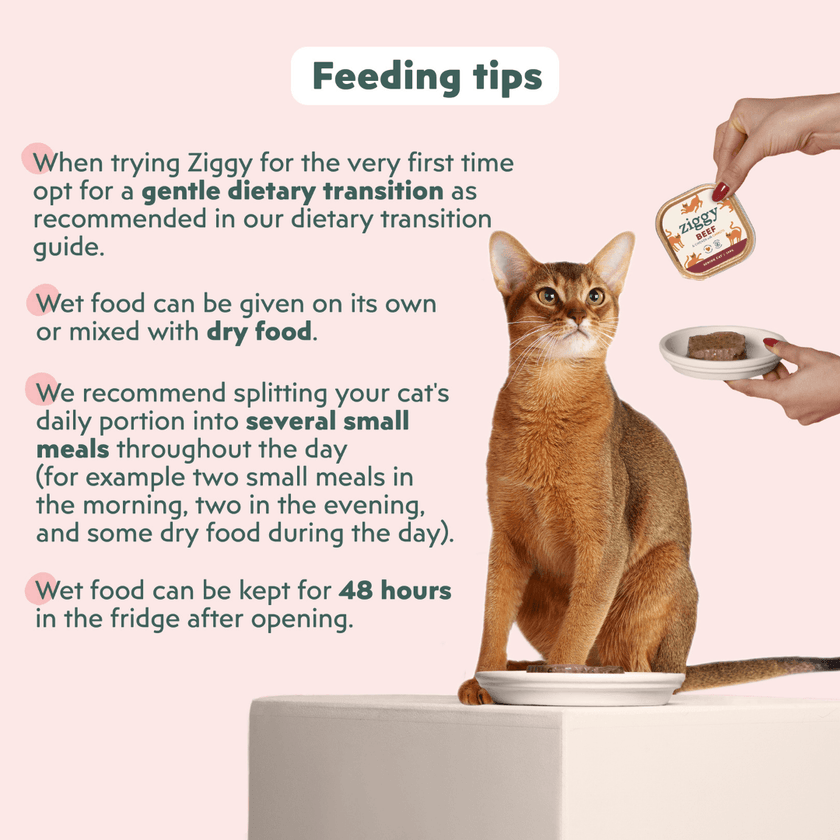
Credit: ziggyfamily.com
Expert Insights And Tips
Feeding cats wet food depends on age, health, and activity level. Experts suggest one to two servings daily. Adjust portions to prevent obesity and ensure balanced nutrition.
Caring for your feline friend involves many considerations, and one of the most crucial is their diet. You may wonder how often to feed your cat wet food and what experts have to say about it. Let's dive into some expert insights and tips that can help you make the best decision for your cat's health.
Veterinarian Advice
Veterinarians often recommend feeding cats wet food at least once a day. Wet food provides essential hydration and nutrients, which are crucial for your cat's overall well-being. I remember when my cat, Whiskers, had urinary issues. Switching to wet food helped him immensely, and my vet confirmed that it was a wise choice. Cats are obligate carnivores and require a diet rich in protein and moisture. Wet food meets these needs better than dry kibble. Consult your veterinarian to determine the best feeding schedule based on your cat's age, weight, and health condition.
Common Feeding Mistakes
One common mistake is overfeeding your cat. It's easy to misjudge portion sizes, especially with wet food, leading to obesity and related health issues. Always check the feeding guidelines on the cat food packaging and adjust according to your cat's activity level. Another mistake is feeding only dry food. While convenient, it doesn't provide the moisture content cats need. If your schedule makes wet food feeding challenging, consider a mix of wet and dry food to balance convenience and health. Are you guilty of leaving wet food out for too long? This can lead to spoilage and can be harmful to your cat. Serve fresh food and monitor how much your cat eats within an hour. This ensures they consume fresh and safe food. Engage with these insights and adapt them to your cat's routine. Your cat deserves a diet that promotes a long, healthy, and happy life.
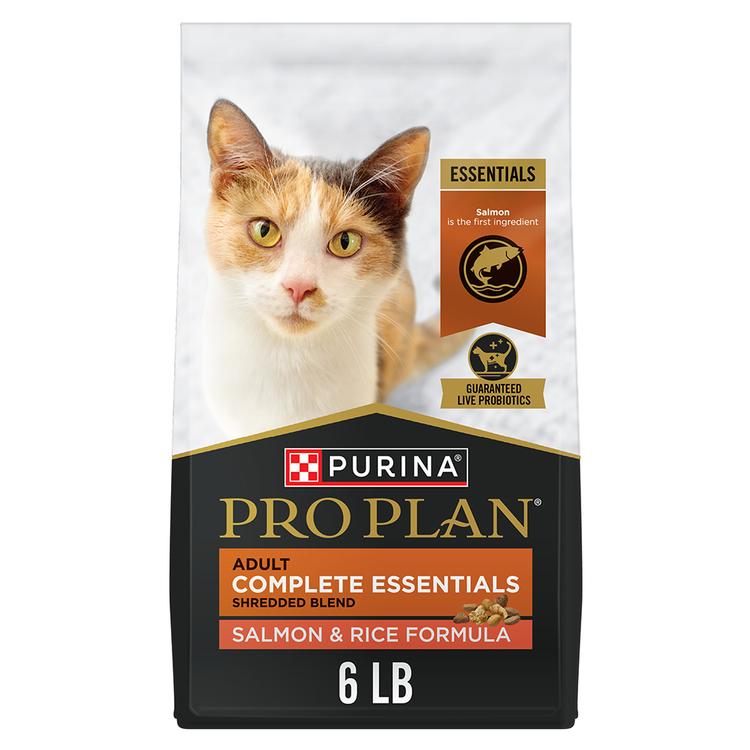
Credit: www.purina.com
Frequently Asked Questions
Should You Give Cats Wet Food Every Day?
Yes, giving cats wet food daily is beneficial. Wet food provides hydration and essential nutrients. It supports urinary health and helps maintain a healthy weight. Always consult your veterinarian to ensure the diet meets your cat's specific needs.
How Often Should Cats Eat Wet Food?
Cats typically benefit from wet food once or twice daily. This frequency supports hydration and provides balanced nutrition. Consult your vet for specific dietary needs based on your cat's health, age, and activity level.
Is Wet Food Better Than Dry Food For Cats?
Wet food offers higher moisture content, benefiting hydration and urinary health. It often mimics a cat's natural diet more closely. However, both wet and dry foods have unique benefits. Combining both can provide balanced nutrition.
Can I Feed My Cat Only Wet Food?
Feeding only wet food is possible, but it should be nutritionally complete. Ensure it meets your cat's dietary needs. Regular veterinary check-ups are essential to monitor health and adjust the diet if necessary.
Conclusion
Feeding your cat wet food depends on their needs. Consider their age and health. Most cats enjoy wet food daily. It offers hydration and nutrition. Balance is key for a healthy diet. Monitor their weight and adjust portions. Wet food can be mixed with dry food.
Consult your vet for advice. Each cat is unique. What works for one may not work for another. Observing your cat's habits helps decide. Happy cats are well-fed cats. Keep an eye on their preferences. Your love and care shine through their meals.