
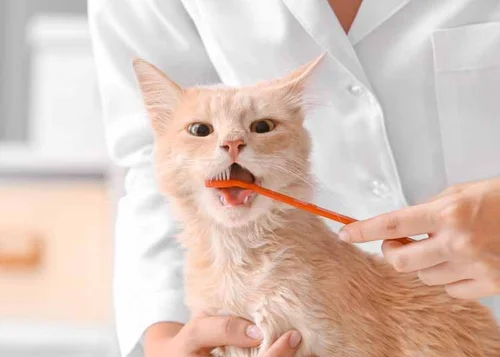
Imagine the joy of snuggling with your feline friend, only to be greeted by a less-than-pleasant aroma from their mouth. You might wonder, how often should you brush your cat's teeth to keep them healthy and avoid dental issues?
It's a question many cat owners ask, but few know the answer to. Dental care is crucial for your cat's overall well-being, yet it often slips through the cracks in daily pet care routines. By understanding the right brushing frequency, you can ensure your cat maintains a healthy mouth and prevent those costly vet visits.
Plus, a happy cat means a happier you! Dive into this article to discover the secrets to optimal cat dental care. You'll learn practical tips that are easy to implement, ensuring your furry friend stays healthy and content. Stick around—your cat's smile (and yours) will thank you!
Importance Of Cat Dental Care
Caring for your cat's teeth is crucial for their overall health. Dental issues can lead to pain and infections. Poor dental health may even affect a cat's heart and kidneys. Regular brushing can prevent these issues. It helps maintain your cat's well-being and happiness.
Understanding Cat Dental Diseases
Cats often suffer from dental diseases. Common problems include gingivitis and periodontal disease. These conditions can cause severe pain. They may lead to tooth loss if untreated. Regular dental care can help prevent these diseases.
Recognizing Signs Of Dental Issues
Look for signs of dental problems in your cat. Bad breath is a common indicator. Drooling and difficulty eating can also be signs. Red or swollen gums need attention. Regular checks can help catch issues early.
Benefits Of Regular Dental Care
Regular dental care keeps your cat healthy. It prevents painful dental diseases. Good dental health can enhance your cat's life quality. It also reduces vet visits and costs. Invest in your cat's dental health for long-term benefits.
How To Start Brushing Your Cat's Teeth
Begin by introducing your cat to the toothbrush. Use a special cat toothbrush and toothpaste. Be gentle and patient. Gradually increase the brushing time. Make it a routine to ensure your cat gets used to it.

Credit: www.purina.com
Ideal Brushing Frequency
Keeping your cat's teeth clean is crucial for their overall health. But how often should you be brushing those tiny feline chompers? The ideal brushing frequency can vary based on your cat's individual needs and habits. Regular brushing not only prevents dental issues but can also enhance your cat's quality of life. Let's explore how often you should roll up your sleeves for this important task.
Daily Routine Benefits
Brushing your cat's teeth daily can be a game-changer. It helps in removing plaque before it turns into tartar, which can be a breeding ground for bacteria. This daily habit can save you from costly vet visits and ensure your cat's breath is always fresh.
Moreover, consistent brushing makes your cat more comfortable with the routine. Imagine a cat that eagerly waits for its dental care time—it's possible! My own cat, Whiskers, started enjoying the process after just a few days of daily brushing.
Are you ready to make brushing a part of your everyday bonding time with your pet?
Weekly Maintenance Tips
If daily brushing feels overwhelming, weekly maintenance can still make a significant difference. Focus on thorough cleaning each week, ensuring you target all those hard-to-reach spots.
Use a toothbrush designed specifically for cats, and choose a toothpaste that they find tasty. This makes the process smoother for both you and your feline friend.
Consider setting a specific day each week for this task. Regular schedules help you stay on track and ensure your cat's dental health doesn't fall by the wayside.
Choosing The Right Tools
Choosing the right toothbrush and paste is vital for brushing your cat's teeth. Use cat-specific products to ensure safety and effectiveness. Regular brushing, ideally several times a week, helps maintain your cat's dental health and prevents plaque buildup.
Choosing the Right Tools Taking care of your cat's dental health starts with choosing the right tools. Selecting the right toothbrush and toothpaste is essential to make the brushing process smooth and effective. Let's break down the options to ensure your furry friend gets the best care.
Types Of Toothbrushes
When it comes to toothbrushes for cats, you have a few choices. Finger brushes are popular because they allow you to feel where you're brushing, providing more control. They're often made of soft rubber, making them gentle on your cat's gums. Dual-headed brushes are another option. These have two brush heads of different sizes, perfect for reaching various parts of your cat's mouth. If your cat is comfortable with a larger brush, this might be a practical choice. Consider long-handled toothbrushes if your cat is particularly squirmy. They allow you to keep a safe distance while still effectively cleaning their teeth. Always opt for soft bristles to avoid hurting your cat's gums.
Safe Toothpaste Options
Choosing the right toothpaste is just as important as selecting the toothbrush. Never use human toothpaste for cats, as it contains fluoride and other ingredients harmful to them. Instead, opt for cat-specific toothpaste, which is safe and often comes in flavors like chicken or fish that cats find appealing. Look for enzymatic toothpaste which helps break down plaque without needing vigorous brushing. These toothpastes are a great option if your cat is not a fan of brushing, as they can be more effective with less effort. Have you tried flavorless toothpaste for your picky eater? Some cats are sensitive to strong flavors, so a tasteless option might be the key to a stress-free brushing routine. Always ensure the toothpaste is designed for pets to keep your feline safe and healthy.
Creating A Comfortable Environment
Regular brushing keeps your cat's teeth healthy and prevents dental issues. Aim to brush at least twice a week. Make it a gentle routine, ensuring your pet feels at ease during the process.
Creating a Comfortable Environment Creating a comfortable environment for brushing your cat's teeth can make the process much smoother and stress-free. Cats are creatures of habit and can be sensitive to changes in their routine. By ensuring they feel safe and relaxed, you can turn dental care into a positive experience rather than a dreaded task.
Calming Techniques
Consider using calming techniques to help your cat feel more at ease. Soft music can work wonders in relaxing your feline friend. Try playing gentle classical tunes or natural sounds that mimic their serene outdoor environment. Another approach is to use calming sprays or diffusers. These products release pheromones that can naturally soothe your cat. Placing these in the area where you plan to brush can help create a peaceful atmosphere. You might also try gently petting your cat and speaking to them in a soothing voice. This can reassure them and reduce anxiety, making them more receptive to having their teeth brushed.
Positive Reinforcement Strategies
Positive reinforcement can be a powerful tool to encourage good behavior. Offer your cat a treat after each brushing session. This creates a positive association with the activity and gives them something to look forward to. Praise your cat verbally with a soft, happy tone. Cats may not understand words, but they can definitely sense your approval and warmth. Consider using playtime as a reward. Engage your cat with their favorite toy or a fun game after brushing. This not only reinforces good behavior but also strengthens your bond. Incorporating these strategies can transform brushing time into a pleasant routine for both you and your cat. Have you tried any of these techniques, and did they make a difference?
Signs Of Dental Issues
Watch for signs like bad breath, swollen gums, or excessive drooling, indicating dental issues in cats. Regular brushing, ideally daily, helps prevent these problems, ensuring your feline friend maintains a healthy mouth.
Cats, like humans, can suffer from dental issues that often go unnoticed until they become severe. Regular brushing of your cat’s teeth is crucial, but being aware of the signs of dental problems is equally important. Identifying these signs early can save your feline friend from discomfort and help maintain their overall health.
Common Symptoms
Dental issues in cats can manifest in several ways. You might notice your cat has bad breath, which is often one of the first signs of dental trouble. If your cat is drooling more than usual or seems to be pawing at their mouth, these could be indications of discomfort or pain. Take a closer look at your cat's gums and teeth. Red or swollen gums, along with any discoloration or buildup on the teeth, are red flags. In some cases, you might even spot loose teeth or notice your cat avoiding their favorite kibble due to discomfort while chewing.
When To Consult A Veterinarian
Sometimes, despite your best efforts at maintaining oral hygiene, your cat might still develop dental issues. If you observe any of the symptoms mentioned, it’s wise to consult a veterinarian promptly. They can provide a thorough examination and suggest appropriate treatments or procedures. Have you noticed changes in your cat’s eating habits or weight loss? These could be indirect signs of dental problems, as pain in the mouth might deter your cat from eating. It's crucial not to delay a vet visit, as untreated dental issues can lead to more severe health problems, including infections that spread beyond the mouth. Being proactive and informed about your cat’s dental health can make a significant difference. Remember, your attention to detail could spare your furry companion from unnecessary pain and keep their purrs coming.

Credit: justcatsclinic.com
Alternative Dental Care Methods
Brushing a cat's teeth twice a week helps prevent plaque and tartar buildup. Regular dental care keeps your pet's mouth healthy and reduces the risk of gum disease. Use a cat-specific toothbrush and toothpaste for best results.
Caring for your cat's dental health is crucial, but brushing their teeth isn't the only method available. Many cat owners wonder about alternative dental care methods that can help maintain their feline's oral hygiene. Luckily, there are several effective options that can complement or substitute regular brushing. Let's dive into some practical and engaging alternatives that you can consider for your cat’s dental care.
Dental Treats And Toys
Dental treats and toys can be a fun and beneficial addition to your cat's dental routine. These treats are designed to reduce plaque and tartar buildup, making them an easy way to support oral health. Look for products approved by veterinary dental associations for the best results. Chew toys also play a significant role in dental care. They encourage natural chewing behavior, which can help clean your cat's teeth. Have you noticed your cat gnawing on your belongings? Redirect that energy towards a dental toy that can improve their dental health while keeping them entertained.
Professional Cleanings
Sometimes, the best care comes from the experts. Professional cleanings by a veterinarian are essential in maintaining your cat's oral health. They can address dental issues that might be missed during regular home care. Consider scheduling a dental check-up at least once a year. A veterinarian can provide a thorough cleaning and identify potential problems early. This proactive approach ensures your cat's teeth and gums remain healthy, preventing more severe health issues down the line. How often do you consult your vet for dental advice? Regular professional evaluations can make a significant difference in your cat’s dental hygiene and overall well-being.
Expert Advice And Recommendations
Brushing your cat's teeth is crucial for their dental health. Yet, knowing the right frequency can be puzzling. Expert advice helps cat owners make informed decisions. Regular brushing prevents plaque buildup, ensuring healthier gums and teeth.
Insights From Veterinarians
Veterinarians suggest brushing your cat's teeth daily. This routine reduces the risk of dental diseases. Cats are prone to gum disease, which can lead to serious health issues. Daily brushing helps maintain oral hygiene and fresh breath. Using feline-specific toothpaste is recommended. Human toothpaste can harm your cat. Start slowly, letting your cat get used to the process. Consistency is key to success.
Testimonials From Cat Owners
Many cat owners share positive experiences with daily brushing. They notice cleaner teeth and fewer vet visits. Some report improved moods in their cats. A regular routine builds trust between pets and owners. It's important to be patient and gentle. Owners often use treats to reward their cats. This encourages cooperation during brushing sessions.

Credit: www.discovermagazine.com
Frequently Asked Questions
Is It Necessary To Brush A Cat's Teeth?
Brushing a cat's teeth is important for preventing dental diseases. Regular brushing helps reduce plaque buildup and bad breath. Use a cat-specific toothbrush and toothpaste. Start slowly and make it a positive experience for your cat. Regular dental care can improve your cat's overall health and longevity.
How Often Can I Brush My Cat's Teeth?
Brush your cat's teeth daily for optimal dental health. Start gradually if they're not used to it. Regular brushing prevents plaque buildup and reduces the risk of dental diseases. Use a cat-specific toothbrush and toothpaste for best results. Consistency is key for maintaining your cat's oral hygiene.
Is It Ever Too Late To Start Brushing Your Cat's Teeth?
Starting to brush your cat's teeth is never too late. Dental care improves their health and prevents issues. Begin gradually to help your cat adjust. Regular brushing can significantly reduce plaque and tartar. Consult your vet for guidance on techniques and products.
Prioritize your cat's oral hygiene for long-term well-being.
How Often Should I Brush My Cat's Teeth?
It's best to brush your cat's teeth daily. Regular brushing helps prevent plaque buildup and dental disease. If daily brushing isn't feasible, aim for at least three times a week. Consistency is key to maintaining your cat's oral health and ensuring their overall well-being.
Conclusion
Brushing your cat's teeth is important for their health. Aim for daily brushing. Start slow to help your cat adjust. Use cat-friendly toothpaste and brushes. Regular brushing prevents dental issues. Check with your vet for guidance. Healthy teeth mean a happy, playful cat.
A small effort goes a long way. Remember, your cat deserves care. Keep their smile bright and their gums healthy. Make brushing a routine. Your cat will thank you with purrs and cuddles.
