

Are you wondering how often your cat should be indulging in wet food? You're not alone.
Many pet owners find themselves puzzled by the dietary needs of their feline friends. Feeding your cat the right amount of wet food can make all the difference in their health and happiness. Imagine your cat purring contently after a perfectly balanced meal, their fur shining and their energy levels just right.
That's the goal, isn't it? But achieving this balance can be tricky. You don't want to overfeed and risk obesity, nor underfeed and miss out on essential nutrients. The answer lies in understanding your cat's unique needs and lifestyle. Keep reading to discover how you can ensure your cat gets just the right amount of wet food for optimal health.
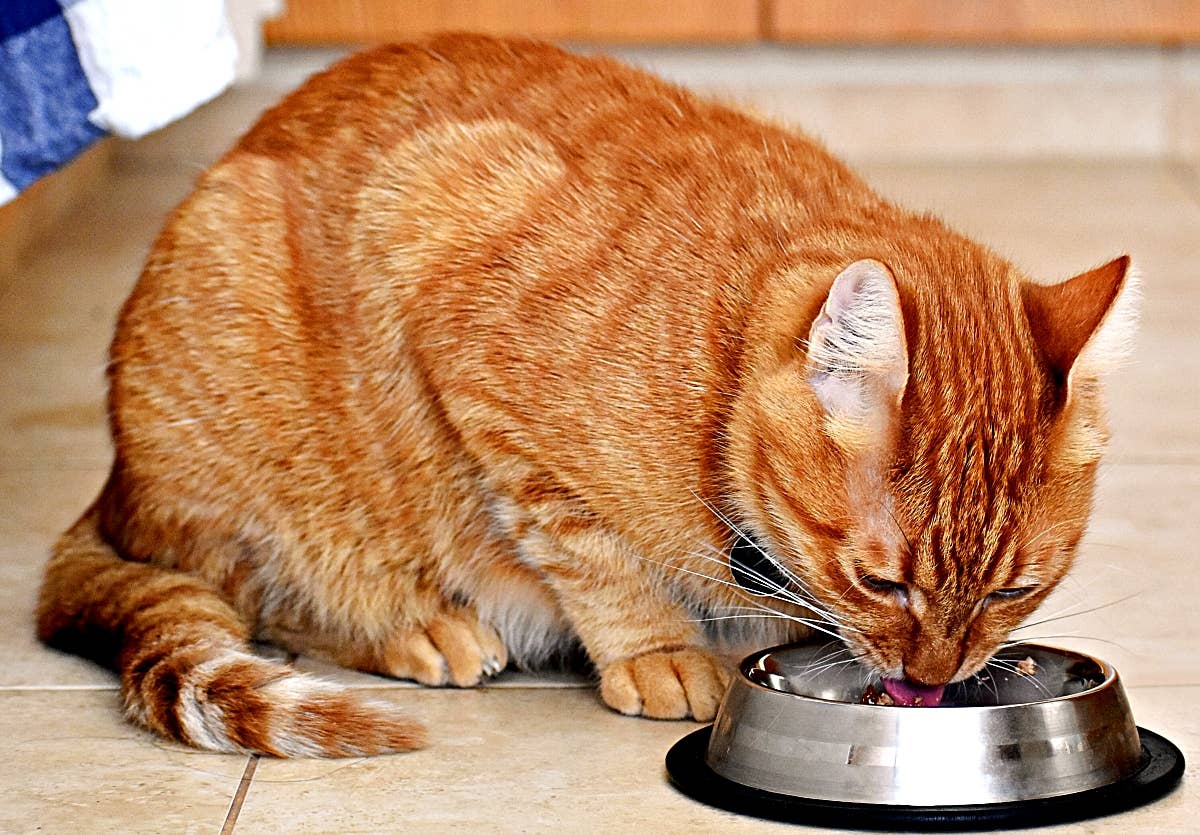
Credit: pethelpful.com
Benefits Of Wet Food For Cats
Cats benefit from wet food as it helps with hydration and maintains a healthy weight. Feeding wet food daily or several times a week can support your cat's overall health, ensuring they receive balanced nutrition.
Cats thrive on wet food for its numerous benefits. It offers hydration, essential nutrients, and can be more palatable than dry food. Understanding these advantages helps in making informed decisions for your feline friend.
Hydration Benefits
Wet food keeps cats hydrated. Cats often drink less water than needed. Wet food contains a high moisture content. This can prevent urinary tract issues. It supports overall kidney health.
Rich Nutrient Content
Wet food is packed with proteins. It often contains fewer fillers. This ensures your cat gets essential nutrients. It helps maintain muscle health and energy levels.
Weight Management
Wet food helps manage weight. It is lower in carbohydrates. Cats feel full with smaller portions. This prevents overeating and obesity.
Palatability And Variety
Wet food is often tastier. It appeals to picky eaters. Many flavors and textures are available. This variety keeps mealtime exciting.
Dental Health Considerations
Wet food is gentle on teeth. It reduces tartar buildup. This is beneficial for older cats. It maintains dental health without stress.
Digestive Health
Wet food is easier to digest. It helps with sensitive stomachs. Cats with digestive issues benefit greatly. It ensures comfortable digestion.
Nutritional Needs Of Cats
Cats require a balanced diet to maintain health and vitality. Their nutritional needs differ from humans and other pets. Wet food plays a key role in meeting these needs. Understanding what cats need can help choose the right food for them.
Key Nutrients In Wet Food
Wet food provides essential nutrients for cats. It contains high moisture content, which is crucial for hydration. Protein is a primary component, supporting muscle growth and repair. Taurine, an amino acid found in wet food, is vital for heart and eye health. Vitamins and minerals, including vitamin A and calcium, promote overall well-being.
Balancing Wet And Dry Food
Finding the right balance between wet and dry food is important. Wet food offers moisture and flavor, while dry food helps maintain dental health. Mixing both can provide a complete nutritional profile. Consider your cat's age, weight, and health when deciding the ratio. Regular vet check-ups can guide dietary adjustments.
Factors Influencing Feeding Frequency
Cats have unique dietary needs. Feeding frequency depends on several factors. Understanding these factors ensures your cat gets proper nutrition. Let's explore key aspects influencing how often to feed wet food.
Age And Life Stage
Kittens need more frequent meals. Their growth demands higher energy intake. Feed them wet food three to four times daily. Adult cats usually eat less often. Two meals a day often suffice. Senior cats may require different feeding schedules. They might need smaller, more frequent meals for digestion.
Health Conditions
Cats with health issues need special attention. Conditions like diabetes require controlled feeding times. Wet food can help maintain hydration. Cats with kidney problems benefit from specific diets. Consult your vet for precise recommendations. Adjust feeding schedules according to their advice.
Activity Level
Active cats burn more calories. They might need more frequent meals. Wet food supports their energy needs. Less active cats require fewer calories. Adjust feeding frequency to prevent weight gain. Monitor your cat’s weight and adjust portions accordingly.

Credit: www.whiskas.co.uk
Daily Feeding Guidelines
Feeding your cat wet food daily provides them with essential nutrients. Wet food can help maintain hydration and support overall health. But how much wet food should you give your cat each day? Understanding the right portions and adjustments for weight management can make a big difference. Here's a guide to help you.
Suggested Portions
Portion sizes depend on your cat's age, weight, and activity level. A general rule is to serve about 3 ounces of wet food for every 3 to 3.5 pounds of body weight. This can vary based on the specific brand or type of wet food you use.
Cats with high energy levels may need more food. Kittens require more frequent feedings as they grow. Always check the feeding guidelines on the food packaging for specific recommendations.
Adjusting For Weight Management
If your cat is overweight, you may need to reduce portion sizes. Monitor their weight and adjust the amount of wet food accordingly. If underweight, consider increasing the portion size gradually.
Consult your veterinarian for personalized advice on feeding amounts. They can provide guidance based on your cat's health needs and lifestyle.
Remember, quality is as important as quantity. Choose high-quality wet foods for balanced nutrition.
Signs Of Overfeeding Or Underfeeding
Recognizing signs of overfeeding or underfeeding in cats helps maintain their health. Overfed cats may gain weight and seem lethargic. Underfed cats might appear thin, with low energy and dull coats. Regularly monitoring your cat's weight and behavior helps adjust their wet food intake for optimal health.
Understanding the signs of overfeeding or underfeeding your cat is crucial to maintaining their health. Cats have specific dietary needs, and finding the balance in their diet can be a challenge. Observing your cat's weight and behavior can provide clear indicators of their nutritional status.
Recognizing Weight Changes
Regularly monitoring your cat's weight is essential. A noticeable increase or decrease can signal dietary imbalances. You might notice that their collar feels tighter or looser, or perhaps they seem heavier or lighter when picked up. Weighing your cat monthly can help you track these changes. A digital pet scale or even a regular bathroom scale can be useful. If your cat is gaining or losing weight rapidly, it may be time to adjust their food portions.
Behavioral Indicators
A cat's behavior can offer clues about their feeding needs. A cat that's always hungry may scratch or meow excessively around feeding times, indicating underfeeding. Conversely, a lethargic cat might be overfed, lacking the energy to engage in usual activities. Watch for changes in your cat's playfulness or interaction with family members. A sudden disinterest in playtime could hint at nutritional issues. Pay attention to their litter box habits as well; inconsistent bowel movements can also be a sign of improper diet. Have you noticed any of these signs in your cat? Observing and adjusting their diet can make a significant difference in their overall well-being. Remember, your vet is a valuable resource for personalizing your cat's dietary plan.
Transitioning Cats To Wet Food
Cats benefit from eating wet food daily. It provides hydration and nutrients essential for their health. Offer wet food twice a day for optimal nutrition and digestion.
Transitioning your cat from dry food to wet food can be a delicate process, but one that offers numerous benefits for your feline friend. Wet food is often more nutritious and hydrating, which can contribute to better overall health. However, cats can be creatures of habit, and introducing a new type of food can require patience and strategy.
Gradual Introduction
Start by mixing a small amount of wet food with your cat’s usual dry food. This approach helps your cat get accustomed to the new texture and taste without overwhelming them. Gradually increase the proportion of wet food over a week or two, depending on how your cat responds. Allow your cat to dictate the pace. If they seem hesitant, slow down the process and maintain a mix they seem comfortable with. You might find that offering wet food at a specific time of day, like dinner, helps set a routine.
Monitoring Acceptance
As you introduce wet food, keep a close eye on your cat’s eating habits. Are they consuming the new food eagerly, or are they picking around it? Pay attention to their behavior and any changes in their health or energy levels. Cats are known for their discerning palates, so you might need to experiment with different flavors or brands to find one they enjoy. If your cat shows a strong preference for a particular type, stick with it to ensure they receive the nutritional benefits without fuss. Consider consulting your vet if your cat is particularly stubborn or if you notice any adverse reactions. They can provide guidance tailored to your cat's specific dietary needs, ensuring a smooth transition.
Common Myths About Wet Food
When it comes to feeding your feline friend, wet food often gets a mixed reputation. Many cat owners grapple with conflicting advice and myths surrounding its benefits and drawbacks. Understanding these myths can help you make informed decisions about your cat's diet, ensuring they lead a healthy and happy life.
Dental Health Concerns
A common myth is that wet food is bad for your cat's dental health. Some believe that only dry kibble can clean a cat’s teeth effectively. However, this isn't entirely true. While dry food may provide a slight abrasive action, it doesn't replace regular dental care.
Have you ever noticed how quickly your cat swallows dry food? Cats often don't chew kibble thoroughly enough to benefit from any cleaning action. Regular dental check-ups and brushing are crucial, regardless of whether your cat eats wet or dry food.
Cost And Convenience
Many cat owners shy away from wet food due to perceived higher costs. They believe it’s less economical than dry food. However, consider the nutritional benefits that wet food provides. It often contains higher moisture content, which is essential for your cat's hydration and kidney health.
When it comes to convenience, opening a can of wet food might seem like a hassle. But consider this: Is your cat’s health worth the extra effort? Portioning wet food in advance can save time and ensure your cat gets their meals on schedule.
Ultimately, understanding these myths can lead to better dietary choices for your cat. What myths have you encountered about wet food? Share your thoughts in the comments!

Credit: www.instagram.com
Consulting A Veterinarian
Consulting a veterinarian is crucial when determining how often your cat should eat wet food. With their expertise, veterinarians can provide valuable insights tailored to your cat's unique needs, ensuring their diet is balanced and healthy. Regular consultation can prevent potential health issues and improve your cat's overall wellbeing.
Tailored Feeding Plans
Your cat is unique, and their feeding plan should reflect that. A veterinarian can create a diet plan specifically for your feline friend, considering factors such as age, weight, and health conditions. Is your cat a picky eater or dealing with a medical issue? A tailored feeding plan can address these concerns, offering a balanced diet that includes wet food in the right proportions. By working with a professional, you ensure your cat's nutritional needs are met without guesswork.
Regular Health Checkups
Regular health checkups with a veterinarian can be a game-changer. These visits help monitor your cat's health, adjusting their diet as needed. You might be surprised how much a cat’s dietary needs can change over time due to age or health issues. How often have you considered the impact of diet on your pet’s long-term health? A vet can help you stay ahead of any potential concerns, ensuring your cat's diet supports their health journey.
Frequently Asked Questions
Is It Okay To Give Cats Wet Food Every Day?
Yes, giving cats wet food daily is okay. It provides hydration and essential nutrients. Ensure it's balanced and high-quality. Always consult your vet for specific dietary needs. Adjust portions to prevent obesity and monitor your cat's health regularly.
How Much Wet Food Should A Cat Eat A Day?
Feed your cat about 3-5 ounces of wet food daily. Adjust based on age, weight, and activity level. Always consult your veterinarian for personalized advice. Ensure fresh water is available alongside meals.
How Often Should Cats Eat Wet Food?
Cats should eat wet food once or twice daily. It's essential for hydration and provides necessary nutrients. Consistency in feeding times helps maintain a healthy routine. Always consult your vet for personalized advice.
Is Wet Food Better Than Dry Food?
Wet food is often more hydrating and palatable for cats. It contains higher moisture content, benefiting urinary health. However, both have their benefits and can be complementary. Consult your vet to determine the best balance for your cat's needs.
Conclusion
Feeding wet food to cats is important for their health. Cats need moisture-rich food. Wet food helps with hydration. It also supports kidney and urinary health. Feed wet food daily or as advised by your vet. Observe your cat's weight and activity level.
Adjust portion sizes if necessary. Balance wet food with dry food if needed. Always provide fresh water alongside meals. Regular vet check-ups ensure the right diet plan. A happy cat means a happy home. Remember, every cat is unique. Tailor feeding to their specific needs.
Keep your feline friend healthy and satisfied.