

Are you wondering how much wet food to feed your cat? It's a common question among cat owners, and getting the answer right is crucial for your feline friend's health and happiness.
You want the best for your cat, ensuring they're not only well-fed but also thriving. The right amount of wet food can make a significant difference in their energy levels, weight management, and overall well-being. By understanding your cat's dietary needs, you can prevent overfeeding or underfeeding, which can lead to health issues down the road.
Dive into this article to discover the ideal portion sizes, feeding schedules, and expert tips that will help you keep your cat purring with contentment. Make sure you don't miss out on these valuable insights that could transform your cat's life for the better!

Credit: www.instagram.com
Factors Influencing Feeding Amount
Determining the right amount of wet food for your cat can be a bit of a puzzle, as several factors play a role in how much you should serve. It's not just about scooping out a can and calling it a day. To ensure your feline friend stays healthy and happy, you need to consider specific aspects of their life and health. Let's explore these factors to help guide your feeding decisions.
Cat's Age And Life Stage
Your cat's age is pivotal in deciding how much wet food they need. Kittens have different nutritional requirements than adult or senior cats. Their growing bodies demand more calories and nutrients, often leading to more frequent feedings. On the other hand, adult cats require a balanced diet to maintain their weight and health. Senior cats may need fewer calories and might benefit from food that supports joint health.
Weight And Body Condition
The amount of wet food you feed your cat should align with their weight and body condition. Is your cat underweight, overweight, or just right? If your cat is slim and active, they may need a bit more to maintain their energy levels. Conversely, an overweight cat might benefit from a reduction in food to help shed those extra pounds. Regular check-ups with your vet can provide guidance tailored to your cat's needs.
Activity Level
A cat's activity level is a significant influencer of their dietary needs. An active cat that spends hours playing and exploring will likely need more calories than a sedentary feline. Consider your cat’s daily routine—are they racing around or lounging most of the time? Adjust their food intake accordingly to ensure they're neither hungry nor overfed.
Health Considerations
Your cat's health can directly affect how much wet food they should eat. Cats with certain health conditions like diabetes or kidney disease may require specific dietary adjustments. Special diets might be necessary to manage these conditions effectively. Always consult your vet when health issues arise, as they can provide the best guidance for your cat’s unique situation.
Feeding your cat isn't just about filling a bowl. It's about understanding their unique needs and making informed choices. How do you tailor your cat’s meals to meet their specific requirements?
Benefits Of Wet Cat Food
Choosing the right food for your cat can feel overwhelming with so many options available. Wet cat food often stands out due to its unique benefits that cater to your feline friend's health and preferences. Understanding these advantages can help you make an informed decision about your cat's diet.
Hydration
Wet cat food provides an excellent source of hydration, which is crucial for your cat's health. Cats naturally have a low thirst drive, making it difficult for them to consume enough water. Wet food is about 70-80% water, helping to keep your cat hydrated without them needing to drink more. Have you ever noticed your cat drinking very little? Wet food can be a simple solution to ensure they're getting the fluids they need.
Palatability
Does your cat turn its nose up at dry kibble? Wet food tends to be more palatable for cats due to its rich aromas and texture. If you've ever tried coaxing a finicky eater, you know how important taste can be. The variety of flavors and textures available in wet food can entice even the pickiest cats, making meal times more enjoyable and less of a challenge.
Nutrient Density
Wet cat food is packed with essential nutrients that support your cat's overall well-being. It often contains higher levels of protein and fat, crucial for energy and muscle maintenance. The nutrient-rich composition of wet food can also support healthy skin and a shiny coat. Consider how nutrient-dense wet food can make a difference in your cat's vitality and health.
Ultimately, the benefits of wet cat food can significantly enhance your cat's diet and health. Could this be the change your cat needs for a happier, healthier life?
Calculating The Right Amount
Finding the right portion of wet food for your cat is crucial for its health. Consider your cat's age, weight, and activity level to determine its needs. Always consult the feeding guidelines on the packaging for more precise measurements.
Calculating the right amount of wet food for your cat can be a balancing act. You want to ensure they get the nutrition they need without overfeeding. Too much can lead to weight issues, while too little might leave them hungry and lacking essential nutrients. Let's break down how you can determine the perfect portion for your feline friend.
Reading The Label
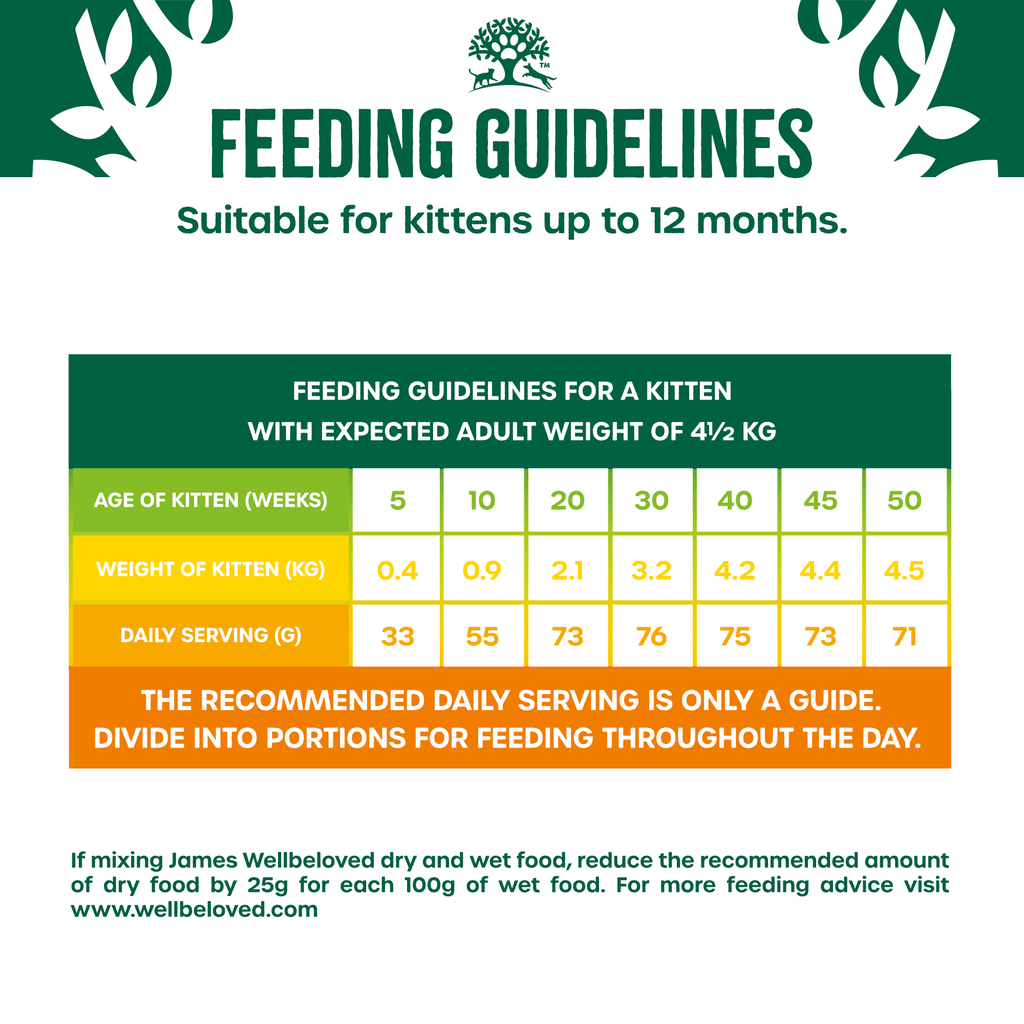
Start by examining the feeding guidelines on the cat food label. Manufacturers often provide recommendations based on a cat's weight and activity level. However, remember that these are general guidelines and may need adjustment for your cat's specific needs. Pay attention to the calorie content per serving. This will help you understand how much energy your cat will get from each portion. Knowing this can prevent overfeeding and help maintain a healthy weight.
Consulting With A Veterinarian
Your veterinarian can be a valuable resource in determining the right amount of wet food for your cat. They can provide tailored advice based on your cat's health, age, weight, and lifestyle. This personalized approach ensures your cat gets exactly what they need for optimal health. Regular check-ups allow your vet to monitor your cat's weight and adjust feeding recommendations as necessary. Don't hesitate to ask questions during your visit, as understanding your cat's dietary needs is crucial for their well-being.
Using Online Calculators
Online calculators can simplify the process of determining how much wet food to feed your cat. These tools consider factors like age, weight, and activity level to provide a more precise feeding recommendation. They are easy to use and can be a helpful guide in your feeding routine. Be sure to cross-reference the results with other methods, like veterinary advice and label instructions. This ensures you are making well-informed decisions about your cat's diet, keeping them happy and healthy.
Credit: stellarnook.com
Feeding Schedule And Routine
Establishing a feeding schedule and routine is crucial for your cat's health. Cats thrive on consistency, which helps maintain their digestive health. A regular feeding routine can prevent overeating and obesity. It also strengthens the bond between you and your feline friend. Let's explore the key aspects of setting up a feeding routine.
Meal Frequency
Most cats benefit from two meals a day. This schedule aligns with their natural hunting instincts. Some cats may prefer smaller, more frequent meals. You can offer three to four meals throughout the day. Monitor your cat's behavior and energy levels to decide the best frequency.
Portion Control
Portion control is vital to avoid overfeeding. Check the wet food packaging for portion guidelines. Consider your cat’s age, weight, and activity level. Adjust portions accordingly to maintain a healthy weight. Use a measuring cup for accuracy and consistency.
Transitioning Between Foods
Transitioning between different wet foods should be gradual. Start by mixing a small amount of the new food with the old. Gradually increase the new food over 7 to 10 days. This helps prevent digestive upset and allows your cat to adjust. Observe your cat for any signs of discomfort or allergies.
Signs Of Overfeeding Or Underfeeding
Recognizing the signs of overfeeding or underfeeding is crucial for your cat's health. Overfeeding can lead to obesity, lethargy, and digestive issues. Underfeeding might result in weight loss, lack of energy, and poor coat condition. Monitoring your cat's weight and behavior can help ensure they receive the right amount of wet food.
When feeding wet food to cats, balance is key. Overfeeding or underfeeding can lead to health problems. Recognizing signs helps ensure your cat's health.
Weight Gain Or Loss
Significant weight changes indicate feeding issues. Overfeeding may cause weight gain. This can lead to obesity. Underfeeding might result in weight loss. Your cat could look thin or frail.
Changes In Behavior
Behavioral changes can signal feeding problems. An overfed cat may become lethargic. It might sleep more and play less. Underfed cats may seem restless. They might beg for food or act aggressively.
Health Issues
Overfeeding can lead to digestive issues. Vomiting or diarrhea may occur. Underfeeding might weaken immunity. Your cat could get sick more often. Monitor your cat's health closely. Regular vet visits are essential.
Adjusting Diet For Special Needs
Cats need the right amount of wet food for a balanced diet. Portion sizes depend on age, weight, and activity level. Consulting a vet ensures your cat gets proper nutrition without overfeeding.
Adjusting a cat's diet for special needs is essential for their health. Cats at different life stages or with health issues require tailored nutrition. Wet food can be part of this plan. It's crucial to understand the specific needs of senior cats, kittens, and cats with medical conditions. Each group has unique dietary requirements.
Senior Cats
Senior cats need fewer calories but more nutrients. Their metabolism slows down with age. Wet food with high protein and low fat is ideal. Look for options with added vitamins and minerals. These help support joint health and immunity. Portion control is important to prevent weight gain.
Kittens
Kittens need more calories for growth. They require higher protein and fat content. Wet food is easier for kittens to chew and digest. Choose a formula designed for their growth stage. Ensure the food has essential nutrients like taurine. Feed them small, frequent meals for steady energy levels.
Cats With Medical Conditions
Some cats have medical conditions requiring special diets. Wet food can help manage these needs. For example, overweight cats may benefit from low-calorie wet food. Cats with kidney issues need lower protein and phosphorus levels. Always consult a vet for the best dietary plan. Tailor the portion and ingredients to fit the specific health condition.
Common Mistakes In Feeding
Understanding the right amount of wet food for cats can prevent health issues. Overfeeding leads to obesity, while underfeeding causes nutritional deficiencies. Regularly adjusting portions based on age, weight, and activity ensures a balanced diet.
Feeding your cat the right amount of wet food is more complex than just opening a can. Many cat owners unknowingly make mistakes that can affect their pet's health and happiness. Understanding and avoiding these common errors can ensure your feline friend remains healthy and satisfied.
Ignoring Caloric Intake
Many cat owners overlook the importance of monitoring caloric intake. Your cat's energy needs can vary based on age, activity level, and health status. Feeding too much or too little can lead to weight issues or nutritional deficiencies. Consider this: if a cat needs 250 calories per day, and you're feeding wet food that contains 90 calories per can, you'll need to adjust portions accordingly. Always check the label and consult your vet for guidance.
Inconsistent Feeding Times
Cats thrive on routine, and inconsistent feeding times can lead to stress and overeating. By establishing a feeding schedule, you can help your cat feel secure and maintain a healthy weight. Once, I switched my feeding routine to accommodate my hectic schedule, and my cat started meowing incessantly. It wasn't until I returned to regular feeding times that he regained his calm demeanor.
Not Monitoring Cat’s Weight
Regularly monitoring your cat's weight is crucial. It helps you catch any sudden changes that might indicate health issues. A simple monthly weigh-in can make a big difference in keeping your cat healthy. Ask yourself: When was the last time you checked your cat's weight? If it's been a while, consider making it a regular habit. This small step can prevent future health problems and ensure your cat stays fit.
Credit: aimextools.com
Choosing High-quality Wet Food
Choosing the right amount of wet food for your cat is vital for their health. Consider their age, weight, and activity level to determine the perfect portion size. Always consult the food packaging or a vet for precise guidance.
Choosing the right wet food for your cat is important. It ensures they receive the necessary nutrients. A high-quality wet food can improve your cat's health. It can also enhance their overall well-being. Let's explore how to make the best choice.
Ingredient Analysis
Start by reading the ingredient list. Look for real meat as the first ingredient. Cats are obligate carnivores. They need protein from animal sources. Avoid foods with fillers like corn or wheat. These don't provide much nutrition. Check for added vitamins and minerals. They support your cat's health and energy levels.
Brand Reputation
Choose brands known for their quality. Read reviews from other cat owners. Research the company's history. Are they committed to pet health? Look for transparency in their sourcing. Trusted brands often share information about their ingredients. This builds trust and ensures quality.
Cost Vs. Quality
Balance your budget with your cat's needs. High-quality food may cost more. But it often provides better nutrition. Consider the long-term benefits. A healthier cat might mean fewer vet visits. Compare prices and ingredients. Sometimes, store brands offer good quality at lower prices. Always prioritize your cat's health in your choices.
Frequently Asked Questions
How Much Wet Food Should A Cat Eat In A Day?
Cats typically need about 3-5 ounces of wet food daily. Consider your cat's weight, age, and activity level. Always consult your veterinarian for personalized feeding advice. Ensure the food is nutritionally balanced for optimal health. Adjust portions if your cat gains or loses weight.
How Much Wet Food Should I Give My Cat?
The amount of wet food depends on your cat's weight and activity level. Generally, adult cats need about 3 ounces of wet food per 3. 5 pounds of body weight daily. Always check the feeding guidelines on the packaging and consult your veterinarian for specific recommendations.
Is It Okay To Mix Wet And Dry Cat Food?
Yes, mixing wet and dry cat food can offer a balanced diet. Wet food provides hydration and palatability, while dry food helps maintain dental health. Ensure the total daily intake meets your cat's nutritional needs. Always monitor your cat's weight and adjust portions accordingly.
Can I Feed My Cat Only Wet Food?
Yes, cats can thrive on a wet food-only diet. Wet food provides essential moisture and nutrients. Ensure the wet food is complete and balanced to meet your cat's dietary needs. Regular veterinary check-ups are essential to monitor your cat's health and adjust feeding as necessary.
Conclusion
Feeding your cat the right amount of wet food is crucial. It supports their health and energy. Check labels for serving sizes. Consider your cat’s weight and activity level. Adjust portions if they gain or lose weight. Regular vet visits help monitor your cat’s health.
Stay aware of changes in their eating habits. Every cat is different. Tailor their diet to their needs. Healthy feeding leads to a happy cat. Your pet deserves the best care. Keep their diet balanced and nutritious. Make mealtime a joy for your feline friend.