

Are you wondering how much wet food your cat should eat? You're not alone.
Many cat owners struggle to find the right balance for their furry friends. Feeding your cat the right amount of wet food is crucial for their health and happiness. You want to ensure they're getting all the nutrients they need without overfeeding or underfeeding.
It can be tricky, but understanding your cat's dietary needs doesn't have to be overwhelming. Stick around as we unravel the mystery of wet food portions for your feline companion, making sure they stay purring with contentment and health.

Credit: shop.pricechopper.com
Factors Influencing Wet Food Intake
Understanding how much wet food your cat should eat involves several factors. These factors ensure your feline friend receives the right nutrition. Let's explore the key elements influencing a cat's wet food intake.
Age And Life Stage
A cat's age impacts its dietary needs significantly. Kittens need more calories for growth. Adult cats require balanced nutrition for maintenance. Senior cats may need adjustments due to metabolism changes.
Activity Level
Active cats burn more calories and might need more food. Indoor cats, often less active, may require less. Observing your cat's energy level helps determine their food needs.
Health Conditions
Health conditions can affect food intake. Cats with diabetes or kidney issues may need special diets. Consult a veterinarian for dietary adjustments if health issues are present.

Credit: www.tiktok.com
Nutritional Requirements
Understanding the nutritional requirements of your cat is crucial when determining how much wet food they should eat. Cats are obligate carnivores, meaning their diet must be based on animal proteins to thrive. Wet food often provides the essential nutrients and hydration that cats need, but it's important to know what those nutrients are and how they contribute to your cat's overall health.
Essential Nutrients
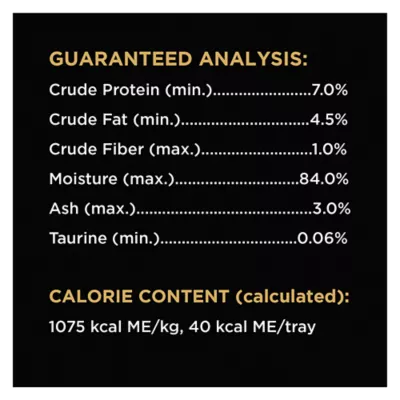
Wet cat food is packed with essential nutrients that support your feline's health. Key nutrients include taurine, which is vital for heart and eye health, and omega fatty acids that promote a shiny coat and healthy skin. Vitamins and minerals such as vitamin A, calcium, and phosphorus are also integral, supporting bone health and immune function.
- Taurine for heart and eye health
- Omega fatty acids for coat and skin
- Vitamins and minerals for bones and immune system
Caloric Needs
Knowing your cat's caloric needs helps prevent obesity and maintain their energy levels. The average adult cat requires between 200-250 calories per day, but this can vary based on age, weight, and activity level. It’s essential to tailor their caloric intake to their specific needs, balancing wet food and any dry food or treats.
Use a feeding chart or consult your vet to determine the exact caloric needs based on your cat's unique profile.
Protein And Fats
Protein and fats are the building blocks of your cat's diet. Wet food typically contains higher protein levels, essential for muscle maintenance and overall growth. Fats provide concentrated energy and are crucial for cell function and nutrient absorption.
Look for wet foods with real meat as the primary ingredient to ensure your cat receives high-quality proteins and beneficial fats. Observe how your cat responds to different protein sources, and adjust as needed to cater to their preferences and health requirements.
Are you noticing changes in your cat's energy or weight? This could be a sign to reassess their protein and fat intake. Always monitor their condition to ensure they’re getting the nutrition they need.
Benefits Of Wet Food
Wet food offers hydration and essential nutrients for cats. Balance portions by monitoring your cat's weight and health. Consult a vet to determine the right serving size, ensuring optimal nutrition and well-being.
Wet food offers several benefits for your cat's health. It is more than just a tasty meal. Choosing wet food can significantly impact your cat's well-being.
Hydration And Moisture
Wet food provides essential hydration. Cats often don't drink enough water. This type of food contains up to 78% moisture. It helps maintain proper hydration levels. Proper hydration supports kidney health and prevents urinary issues.
Dental Health
Wet food can improve dental health. It is softer and easier to chew. This reduces the risk of dental problems. Though it doesn't replace brushing, it helps minimize plaque buildup.
Weight Management
Managing your cat's weight is crucial. Wet food is often lower in calories. It can help control weight gain. The high moisture content makes your cat feel full. This reduces overeating and helps maintain a healthy weight.
Determining The Right Amount
Finding the right amount of wet food for your cat depends on age, weight, and activity level. Consult with your vet to ensure a balanced diet, as nutritional needs vary.
Determining the right amount of wet food for your cat can be a puzzle. Each cat's needs are unique, influenced by their age, weight, activity level, and health status. Ensuring your furry friend gets the right nutrition is crucial for their overall well-being.
Portion Guidelines
A good starting point is to check the feeding instructions on the wet food packaging. Most brands provide a recommended portion size based on your cat's weight. However, these are general guidelines and may need adjustments. Consider your cat’s body condition. If your cat is gaining or losing weight unexpectedly, you may need to tweak the portions. An ideal portion keeps your cat energetic and maintains a healthy weight.
Feeding Frequency
Deciding how often to feed your cat is just as important as portion size. Cats generally do well with two meals a day, but some prefer smaller, more frequent meals. Observe your cat’s eating habits to find a routine that suits them best. Do they rush to the bowl at feeding time, or do they graze throughout the day? Adjust the frequency to match their behavior and keep their mealtime stress-free.
Adjusting For Special Needs
Certain cats have special dietary needs. Senior cats, kittens, and those with health conditions may require different amounts or types of food. Always consult your vet to tailor their diet appropriately. For instance, my senior cat, Whiskers, needed a diet rich in omega-3 for joint health. We adjusted his wet food portions accordingly, ensuring he got the right nutrients without overfeeding. Is your cat showing signs of allergies or sensitivities? It might be time to evaluate their diet and make necessary adjustments. Your cat's health and happiness are worth the extra effort.
Consulting With A Veterinarian
Consulting with a veterinarian helps determine the right amount of wet food for your cat's health. Factors like age, weight, and activity level are considered to ensure proper nutrition. Tailored advice supports your cat's well-being and prevents overeating.
Consulting with a veterinarian ensures your cat's health remains a top priority. A vet's guidance helps you understand your cat's nutritional needs. They provide expert advice tailored to your cat's unique requirements.
When To Seek Advice
Some signs indicate you should consult a veterinarian. Sudden weight loss or gain can be a red flag. Changes in eating habits might signal a health issue. Unexplained lethargy requires professional attention. A vet can diagnose underlying problems.
Tailoring Diet Plans
Every cat has different dietary needs. A vet helps create a personalized feeding plan. They consider age, weight, and health conditions. Wet food portions can be adjusted accordingly. This ensures your cat receives optimal nutrition.
Monitoring And Follow-up
Regular check-ups with a vet are essential. They monitor your cat's progress and adjust the diet if needed. Keeping track of your cat's weight is important. Any changes in health or behavior should be discussed. Follow-up visits ensure the diet remains effective.
Common Feeding Mistakes
Feeding your cat wet food might seem straightforward, but several common mistakes can hinder their health. It's easy to overlook essential details when you're busy. Yet, these slip-ups can lead to weight gain, nutritional imbalances, and even health issues. Let's explore these pitfalls and how to avoid them.
Overfeeding Risks
It's tempting to fill the bowl to the brim, especially if your cat seems eager for more. However, overfeeding can lead to obesity, which is a common issue in indoor cats. Obesity can shorten your cat's lifespan and lead to diabetes or joint problems. Pay close attention to portion sizes. Use a kitchen scale or measuring cup to ensure accuracy. Remember, a plump cat is not necessarily a healthy cat.
Ignoring Labels
Have you ever glanced at the feeding recommendations on the can and thought it was just a suggestion? Those labels are there for a reason. They provide guidance based on your cat's weight and activity level. Ignoring them can result in underfeeding or overfeeding. Take a moment to read the label and adjust portions accordingly. It's a small step that can make a big difference in your cat's health.
Inconsistent Feeding Times
Does your cat have a regular feeding schedule, or do you just feed when it's convenient? Inconsistent feeding times can disrupt your cat's digestion and lead to behavioral issues. Cats thrive on routine, and knowing when to expect their next meal can help reduce anxiety. Try setting a specific time for feeding and stick to it. Your cat will thank you with purrs of contentment.
By avoiding these common feeding mistakes, you can ensure your cat stays healthy and happy. After all, isn't a content, well-fed cat what every pet owner wants?
Wet Food Brands And Options
Choosing the right wet food for your cat involves considering portion size. Cats need portions based on their weight, age, and activity level. Check with your vet for guidance on daily feeding amounts to keep your cat healthy and happy.
Wet food brands for cats offer a variety of options. Choosing the right one depends on your cat’s needs and your budget. Understanding the differences between brands helps make an informed choice.
Premium Vs. Budget Brands
Premium brands often use high-quality ingredients. They focus on meat content and avoid fillers. These brands usually offer better taste and nutrition. Budget brands might use more fillers to keep costs low. They can still provide essential nutrients, but check the ingredients list.
Organic And Grain-free
Organic wet food contains natural ingredients. It avoids pesticides and chemicals. This option is great for health-conscious pet owners. Grain-free options are available for cats with grain allergies. These foods focus on meat and vegetables instead. They support a cat’s natural diet.
Specialty Diets
Specialty diets cater to specific health needs. Some brands offer formulas for weight management. Others focus on kidney or urinary health. There are also options for cats with sensitive stomachs. These diets often require a veterinarian’s recommendation. They can improve your cat’s health and well-being.
Credit: www.petsmart.com
Transitioning To Wet Food
Transitioning your cat to wet food requires careful portion control. Consider your cat's weight and age to determine the right amount. Typically, an average adult cat needs about 3-5 ounces of wet food per day. Adjust portions based on your cat's activity level and health needs.
Transitioning your cat to wet food can be an exciting journey. Wet food often offers higher moisture content, which can be beneficial for your cat's hydration and overall health. However, making the switch requires a gentle approach to ensure your feline friend adjusts smoothly. It's not just about swapping one meal for another; it's about ensuring your cat feels comfortable and responds positively to the change.
Gradual Introduction
Start by slowly introducing wet food into your cat’s diet. You might begin with a small spoonful mixed into their regular meal. This gradual change helps your cat get used to the texture and taste without feeling overwhelmed. Cats can be picky eaters, so patience is key. Observe if your cat shows interest or hesitates. Their reaction will guide your next steps.
Mixing Wet And Dry Food
Combining wet and dry food can be a smart strategy. Consider mixing a little wet food with their dry kibble to create a balanced meal. This offers a smooth transition, allowing your cat to enjoy the benefits of both types of food. Monitor the proportions; start with more dry than wet, gradually increasing the wet content. This balance can help maintain your cat’s digestive comfort.
Monitoring Reactions
Pay close attention to how your cat reacts to the new diet. Look for signs like increased energy, shiny fur, or any digestive changes. Your cat’s behavior is the best indicator of whether the transition is working. If you notice any adverse reactions like vomiting or diarrhea, slow down the process. Consult with your veterinarian if necessary. Your cat’s health and happiness should always be the priority. Is your cat showing signs of acceptance or resistance? Understanding their response will help you fine-tune the transition process.
Frequently Asked Questions
How Much Wet Food Should I Feed My Cat Chart?
Feed your cat wet food based on weight and activity level. Generally, 3-ounce can per 3-4 pounds daily. Adjust portions for age, health, and preferences. Consult your veterinarian for personalized guidance and ideal serving sizes. Monitor your cat's weight and energy levels to ensure proper nutrition and avoid overfeeding.
Is 2 Cans Of Wet Food A Day Too Much For A Cat?
Two cans of wet food daily can be suitable for some cats. Consider your cat's age, size, and activity level. Consult your veterinarian for personalized feeding advice. Adjust portions if your cat gains or loses weight. Always provide fresh water alongside wet food for hydration.
How Much Wet Food To Feed A Cat Daily?
The amount of wet food depends on your cat's weight and activity level. Generally, adult cats need about 3 to 5 ounces per day. Always check the specific feeding guidelines on the food label and consult with your vet for personalized advice.
Is Wet Food Better For Cats Than Dry?
Wet food is often more hydrating and palatable for cats. It can be beneficial for cats with urinary issues or dehydration. However, a mix of wet and dry food can provide a balanced diet. Consult your vet for recommendations based on your cat's needs.
Conclusion
Feeding your cat wet food takes careful planning. Consider your cat's age, weight, and activity level. Always consult with a vet for tailored advice. Monitor your cat's health and weight regularly. Adjust portions based on their needs. Cats thrive on balanced diets.
Wet food provides essential hydration. It's important for their well-being. Read labels for nutritional information. Choose quality brands for optimum health. Keep mealtime consistent and enjoyable. Your feline friend deserves the best care. Remember, a happy cat is a healthy cat.
Pay attention to their dietary needs. Enjoy the special bond during feeding times.