

Are you standing in the pet food aisle, staring at countless cans of wet cat food, wondering how much you should actually be feeding your feline friend? You're not alone.
This question stumps many cat owners, but getting it right is crucial for your cat's health and happiness. Feeding too little can leave your cat hungry and undernourished, while too much can lead to obesity and other health issues. But don't worry, you're about to unlock the secrets to feeding your cat just the right amount of wet food.
You'll find practical tips and expert advice that will make mealtime less confusing and more enjoyable for both you and your cat. Keep reading, and you'll discover the perfect feeding routine tailored to your cat's needs!
Understanding Your Cat's Nutritional Needs
Understanding your cat's nutritional needs is crucial for their well-being. Every cat is unique, requiring a diet tailored to their specific needs. A balanced diet ensures they stay healthy and active.
Factors Influencing Diet
Several factors influence how much wet food your cat needs. Their size, breed, and age all play significant roles. A larger cat may require more food than a smaller one. Breed differences can also affect dietary needs.
Seasonal changes might impact feeding amounts. Cats often eat more in colder months to maintain body heat. It's essential to adjust portions based on these factors.
Age And Life Stage Considerations
A cat's age impacts their dietary requirements. Kittens need more calories for growth. They require food rich in protein and fat. Adult cats have different needs compared to senior cats.
Older cats may need fewer calories but more nutrients to support their health. Ensure their food is suitable for their life stage.
Activity Level And Health Status
A cat's activity level greatly affects their food needs. Active cats burn more calories, requiring more food. Indoor cats may need less due to lower activity levels.
Health conditions can also influence diet. Cats with specific health issues might require special diets. Always consult a vet for guidance on dietary needs.
Benefits Of Wet Cat Food
Wet cat food offers hydration and essential nutrients for your feline friend. The right portion depends on your cat's age, weight, and activity level, ensuring balanced nutrition and maintaining a healthy weight.
Wet cat food is a popular choice among cat owners. It offers various benefits that cater to the nutritional needs of cats. Let's explore the advantages of wet cat food.
Hydration And Health
Cats often do not drink enough water. Wet cat food contains high moisture content, which aids in hydration. Proper hydration supports kidney health and prevents urinary issues. This is vital for maintaining overall health in cats.
Palatability And Taste
Wet cat food is often more flavorful than dry kibble. Cats are naturally drawn to its rich aroma and taste. This makes it an excellent option for picky eaters. It encourages cats to eat and enjoy their meals.
Nutritional Content
Wet cat food is packed with essential nutrients. It typically contains high-quality proteins and fats. These nutrients are crucial for energy and muscle health. It also offers vitamins and minerals for a balanced diet. This ensures your cat receives all necessary nutrients.
Determining The Right Amount
Feeding the right amount of wet cat food ensures a healthy and happy pet. Consider your cat's weight, age, and activity level. Consult packaging guidelines or a vet for accurate portions.
Determining the right amount of wet cat food is crucial. It keeps your cat healthy and active. Portion sizes depend on various factors. These include your cat's age, weight, and activity level. Understanding these factors helps in feeding correctly.
Guidelines For Portion Sizes
Most cat food brands offer feeding guidelines. These are usually on the package. They suggest portion sizes based on your cat's weight. For an average adult cat, feed about 3 to 3.5 ounces per 5 pounds of body weight daily. Always check the specific guidelines of the brand you use.
Adjusting For Weight And Age
Kittens need more frequent feedings. They are growing and need extra nutrients. Elderly cats may need less food. Their activity levels decrease with age. Monitor your cat's weight regularly. Adjust portions if they gain or lose weight.
Monitoring And Adjusting Intake
Observe your cat's eating habits. Some cats eat more than others. Ensure your cat maintains a healthy weight. If your cat leaves food, reduce the portion size. If they seem hungry, offer a little more. Consult your vet for personalized advice. Regular check-ups help in adjusting feeding plans effectively.

Credit: shop.pricechopper.com
Reading Cat Food Labels
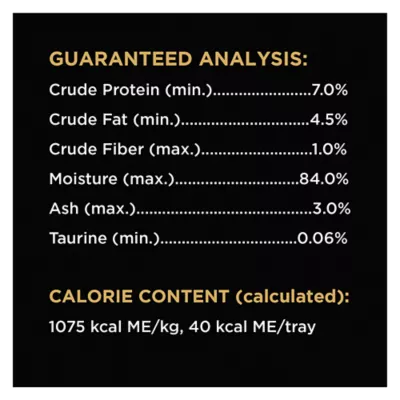
Understanding cat food labels is crucial for your pet's health. Labels provide essential information about the food's nutritional value. Learning to interpret these labels helps you make informed choices. Let's explore how to read and understand these labels effectively.
Interpreting Nutritional Information
Nutritional information on cat food labels guides you on essential nutrients. Look for protein, fats, and fiber content. Ensure the food meets your cat's dietary needs. Check for the AAFCO statement, which indicates balanced nutrition.
Serving Suggestions
Labels often provide serving suggestions based on your cat's weight. Follow these guidelines to avoid overfeeding or underfeeding. Adjust portions if your cat is gaining or losing weight. Monitor your cat's eating habits to ensure they're satisfied.
Recognizing Quality Ingredients
High-quality ingredients are key to a healthy diet. Look for real meat as the first ingredient. Avoid foods with too many fillers like corn or soy. Check for added vitamins and minerals for balanced nutrition.
Transitioning To Wet Food
Feeding wet cat food requires knowing your cat's weight and activity level. Start with the recommended portion on the label, adjusting based on hunger and weight changes. Keep an eye on your cat's body condition to ensure proper nutrition.
Transitioning your cat to wet food can feel like a big step, but it's a rewarding change for their health and happiness. Wet food provides higher moisture content, which is beneficial for your cat’s hydration and kidney function. However, shifting from dry to wet food should be done thoughtfully to ensure your cat adapts smoothly.
Gradual Introduction Tips
Start by mixing a small amount of wet food with your cat's current dry food. This gentle introduction allows your cat to adjust to the new texture and taste without overwhelming them. Gradually increase the ratio of wet food over the course of a week or two. Observe how your cat reacts to the new food. Some cats may immediately take to the wet food, while others might be cautious. Patience is key; give your feline friend time to adjust to the new diet.
Combining Wet And Dry Food
Maintaining a balance between wet and dry food can be beneficial. You can serve wet food during meal times and leave dry kibble out for grazing throughout the day. This method helps maintain dental health while boosting hydration levels. Consider your cat’s preferences and dietary needs. Some cats enjoy a mixed diet, while others might have specific health requirements. It's crucial to tailor the feeding approach to suit your cat's individual needs.
Handling Feeding Challenges
Cats can be finicky eaters, especially when introduced to something new. If your cat resists the wet food, try different flavors or brands until you find one they enjoy. Sometimes, warming the wet food slightly can make it more appealing. Monitor your cat’s weight and energy levels during the transition. If you notice any changes in their health or behavior, consult your veterinarian. They can provide guidance to ensure your cat is getting the right nutrients and portion sizes. Transitioning to wet food doesn't have to be a daunting process. With these practical tips, you can make the switch smoothly and support your cat’s well-being. Have you found a particular approach that works best for your cat? Share your experiences and help others in the comments below!

Credit: www.tiktok.com
Common Feeding Mistakes
Feeding your cat the right amount of wet food is crucial. Making mistakes in their diet can lead to health issues. Understanding common feeding errors helps keep your cat healthy and happy. Below are some mistakes to watch out for.
Overfeeding And Obesity Risks
Overfeeding is a common mistake among cat owners. Cats naturally have small stomachs. Giving them too much food can lead to obesity. Obesity increases the risk of diseases like diabetes and arthritis. Always check the food label for portion guidelines. Adjust portions based on your cat's activity level. Regular vet check-ups help monitor your cat's weight.
Inadequate Nutrition
Feeding only one type of wet food may cause nutrition gaps. Cats need a balanced diet to stay healthy. Look for wet food with high-quality protein. Ensure it includes essential vitamins and minerals. A varied diet can prevent deficiencies. Consult your vet for advice on a balanced diet plan.
Ignoring Dietary Preferences
Cats can be picky eaters. Ignoring their preferences may lead to them refusing food. Pay attention to flavors and textures they enjoy. Offer a variety of options to keep meals interesting. Sudden changes in diet can upset their stomach. Introduce new foods slowly and observe their reaction. Understanding your cat's likes and dislikes ensures they eat well.
Consulting With Veterinarians
Consulting a veterinarian ensures your cat gets the right amount of wet food. Factors like age, weight, and activity level determine the perfect portion. Tailoring feeding habits to your cat's needs promotes health and happiness.
Consulting with veterinarians is a crucial step when determining how much wet cat food to feed your feline friend. Cats have unique dietary needs, and what works for one might not work for another. By seeking professional guidance, you ensure that your cat's health and nutritional requirements are met effectively.
Seeking Professional Advice
Veterinarians are your best resource for understanding your cat's dietary needs. They possess the knowledge and experience to guide you through the maze of nutritional information. Why guess when you can have expert advice at your fingertips? Imagine this: You're concerned about your cat's weight, and you're unsure if you're feeding the right amount. A quick consultation can provide peace of mind and precise recommendations tailored to your kitty's needs.
Health Assessments
During a vet visit, your cat undergoes a thorough health assessment. This isn't just about checking weight; it involves evaluating overall health, including any underlying conditions. Consider the value of these assessments. They help identify issues that might affect your cat's dietary needs, such as kidney problems or obesity. Your veterinarian can then adjust food portions to support optimal health.
Tailored Diet Plans
A one-size-fits-all approach doesn't work for cat diets. Vets can craft a tailored diet plan specific to your cat's age, activity level, and health status. You might have a lazy lap cat or an energetic explorer; each requires a different feeding strategy. Tailored plans ensure your cat gets the right nutrients without overfeeding or underfeeding. Have you ever wondered if you're giving your cat the best nutritional support? By consulting with a vet, you can provide a diet that supports their lifestyle, making both you and your feline happier.
Credit: www.petsmart.com
Frequently Asked Questions
How Much Wet Cat Food Should A Cat Eat Daily?
Feed an average cat about 4-6 ounces of wet food daily. Adjust based on age, weight, and activity. Ensure a balanced diet and consult your vet for personalized guidance.
How Often Should I Feed My Cat Wet Food?
Cats usually benefit from being fed wet food twice daily. This routine mirrors their natural eating habits. Adjust the schedule based on your cat's age, activity, and health. Consistency is key, so try maintaining regular feeding times.
Can I Mix Wet And Dry Cat Food?
Yes, mixing wet and dry cat food is a great option. It provides balanced nutrition and enhances meal variety. Ensure you're meeting your cat's dietary needs. Consult with your veterinarian to tailor the right mix for your cat.
How Do I Determine The Right Portion Size?
Check the cat food label for feeding guidelines based on weight. Adjust portions according to your cat's activity level and health. Overfeeding can lead to obesity, so monitor your cat’s weight. Consult your vet for personalized advice.
Conclusion
Feeding your cat the right amount of wet food is crucial. Keep portions small and consistent. Observe your cat's weight and health. Adjust food quantity based on activity level. Consult your vet for personalized advice. Every cat is unique and has different needs.
Wet food supports hydration and nutrition. Balance wet food with dry food as needed. Monitor your cat's eating habits regularly. Healthy feeding leads to a happy cat. Remember, a well-fed cat stays active and content. Your attention to their diet makes a big difference.