

Are you wondering how much wet and dry food to feed your cat? You're not alone.
Many cat owners face this dilemma. You want your feline friend to be healthy, but balancing the right amount of food can be tricky. Choosing between wet and dry food adds another layer of complexity. You might worry about overfeeding or underfeeding, which can impact your cat's well-being.
Understanding the right portions is crucial for your cat's health and happiness. Dive into this article to discover tips and insights that will make feeding your cat simpler and stress-free. Your cat deserves the best, and you deserve peace of mind knowing you're doing it right.
Understanding Cat Nutrition
Balancing wet and dry food is crucial for a cat's diet. Typically, a mix of both can maintain hydration and dental health. Aim for 50-70% of calories from wet food, with the rest from dry options. Always adjust based on your cat's age, weight, and activity level.
Understanding Cat Nutrition Cats need balanced nutrition for healthy growth and energy. Understanding their dietary needs helps maintain their health. They require proteins, fats, vitamins, and minerals. Their diet should mimic what they naturally eat. Consider both wet and dry food options for variety.
Importance Of Protein In A Cat's Diet
Protein is crucial for cats. It aids in muscle development and repair. Animal-based proteins are ideal. They provide essential amino acids. These are vital for a cat's health. Ensure the food has high-quality protein sources.
The Role Of Fats In Cat Nutrition
Fats are a key energy source. They help absorb vitamins. Cats need omega-3 and omega-6 fatty acids. These support skin and coat health. Check food labels for healthy fat content.
Vitamins And Minerals Essential For Cats
Vitamins and minerals support various bodily functions. Vitamin A is important for vision. Calcium and phosphorus support bone health. Taurine is crucial for heart function. Ensure food meets these requirements.
Balancing Wet And Dry Cat Food
Wet food provides hydration. It often has higher protein content. Dry food is convenient and long-lasting. Mixing both offers variety and balance. Adjust portions based on your cat’s needs. Monitor their weight and health regularly.
Common Dietary Concerns For Cats
Obesity is a common issue. Monitor food intake and activity levels. Avoid foods with fillers and artificial additives. Check for allergies or sensitivities. Consult a vet for specific concerns.
Reading Cat Food Labels
Labels provide vital information. Check ingredient lists carefully. Look for whole meats as primary ingredients. Avoid foods with excessive fillers. Understand the nutritional breakdown for balanced feeding.
Wet Food Benefits
Balancing wet and dry food offers several benefits for cats. Wet food provides hydration and aids digestion, while dry food supports dental health. Finding the right mix ensures your cat receives essential nutrients without overeating.
Cats thrive on wet food for many reasons. It offers several benefits that contribute to their overall health and happiness. Understanding these advantages can help you make informed decisions about your cat's diet.
Hydration
Wet food contains more moisture than dry food. Cats often drink less water naturally. This added moisture helps keep them hydrated. Proper hydration supports kidney function and prevents urinary issues.
Palatability
Wet food usually smells and tastes better. Cats tend to find it more appealing than dry food. Its texture and aroma can entice even the pickiest eaters. This can be helpful if your cat has lost interest in eating.
Weight Management
Wet food is often lower in calories. It's a good choice for weight control. Its high water content makes cats feel full faster. This can prevent overeating and help maintain a healthy weight.
Nutrient Content
Wet food is rich in proteins and essential nutrients. It often contains higher quality ingredients. It provides a balanced diet that supports muscle and tissue health. These nutrients are vital for a cat's growth and energy.
Dental Health
While wet food doesn't clean teeth like dry food, it has benefits. Its soft texture can be easier on a cat's teeth. This is especially useful for older cats or those with dental issues. Regular vet check-ups are still important for dental care.
Advantages Of Dry Food
Balancing wet and dry food is key to a cat's diet. Dry food offers convenience and aids in dental health. It is easy to store and can be left out for free feeding.
When deciding on what to feed your cat, dry food often emerges as a popular choice. Its convenience and long shelf life make it appealing to many pet owners. Not only is it easy to store and measure, but it also offers specific benefits that can contribute to your cat's well-being. Let's explore these advantages in more detail.
Convenience And Storage
Dry cat food is incredibly easy to store. You can simply keep it in its original bag, ensuring it's sealed to maintain freshness. This can save you time and effort, especially if you have a busy schedule.
Dental Health Benefits
Crunchy kibble can help keep your cat's teeth clean. The texture can reduce plaque and tartar buildup. This could mean fewer trips to the vet for dental cleanings.
Cost-effectiveness
Dry food tends to be more budget-friendly compared to wet food. Larger bags often come at a lower cost per serving. This can be a significant consideration if you're feeding multiple cats.
Long Shelf Life
Dry food doesn't spoil quickly. You can buy in bulk without worrying about it going bad. This is ideal if you prefer stocking up on pet supplies.
Controlled Portions
Measuring dry food is straightforward. You can easily control the amount you feed your cat. This helps in managing your cat's weight and preventing overfeeding. As you weigh your options, think about your cat's specific needs and lifestyle. Does the convenience of dry food align with your daily routine? Consider the benefits and see how they fit into your pet care strategy.
Credit: www.walmart.com
Balancing Wet And Dry Food
Finding the right balance of wet and dry food for your cat can be tricky. Consider your cat's age, weight, and health needs. A mix of both can provide essential nutrients and hydration.
Balancing Wet and Dry Food Feeding your cat involves more than just choosing between wet and dry food. The key is finding the right balance to meet their nutritional needs and preferences. A well-planned combination can help ensure your cat stays healthy and happy.
Daily Calorie Needs
Cats have specific daily calorie requirements based on their age, weight, and activity level. An average adult cat typically needs between 200 to 300 calories per day. Always check the nutritional labels on both wet and dry food packages to calculate the correct amount. Consulting your vet can provide a more tailored calorie count. They can help you determine the exact needs, considering any health conditions or weight goals. Keep in mind that overfeeding can lead to obesity, while underfeeding may result in nutritional deficiencies.
Choosing The Right Ratio
Deciding how much wet versus dry food to feed your cat can seem daunting. A popular approach is to provide two-thirds of the daily calories from dry food and one-third from wet food. This ratio offers a good balance of hydration and crunchy texture that cats often enjoy. Remember, your cat’s preferences matter. Some cats might prefer the moisture of wet food, while others enjoy the crunch of dry kibble. Monitor your cat’s response and adjust accordingly to ensure they are both satisfied and nourished. Use a simple table to track your cat's intake:
| Food Type | Calories per Portion | Portions per Day |
|---|---|---|
| Wet Food | 90 | 1 |
| Dry Food | 60 | 3 |
Have you ever noticed a change in your cat's behavior or health when adjusting their food ratio? Observing these changes can provide insights into what works best for your feline friend.
Age And Health Considerations
Feeding your cat the right amount of wet and dry food can be a daunting task, especially when considering their age and health. Cats have different nutritional needs depending on their life stage and any health issues they might have. Understanding these nuances can help you make informed decisions that benefit your cat's well-being.
Kittens Vs. Adult Cats
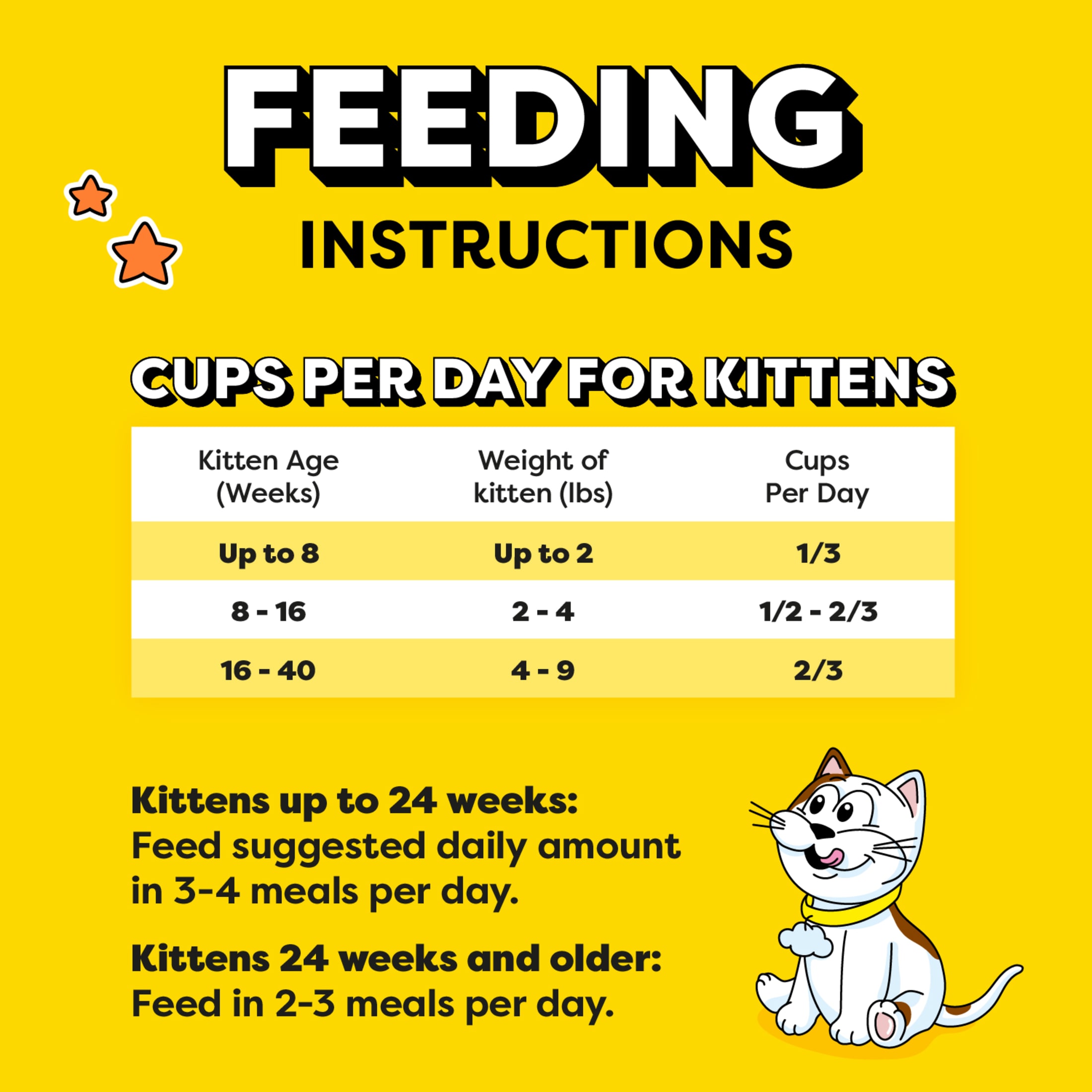
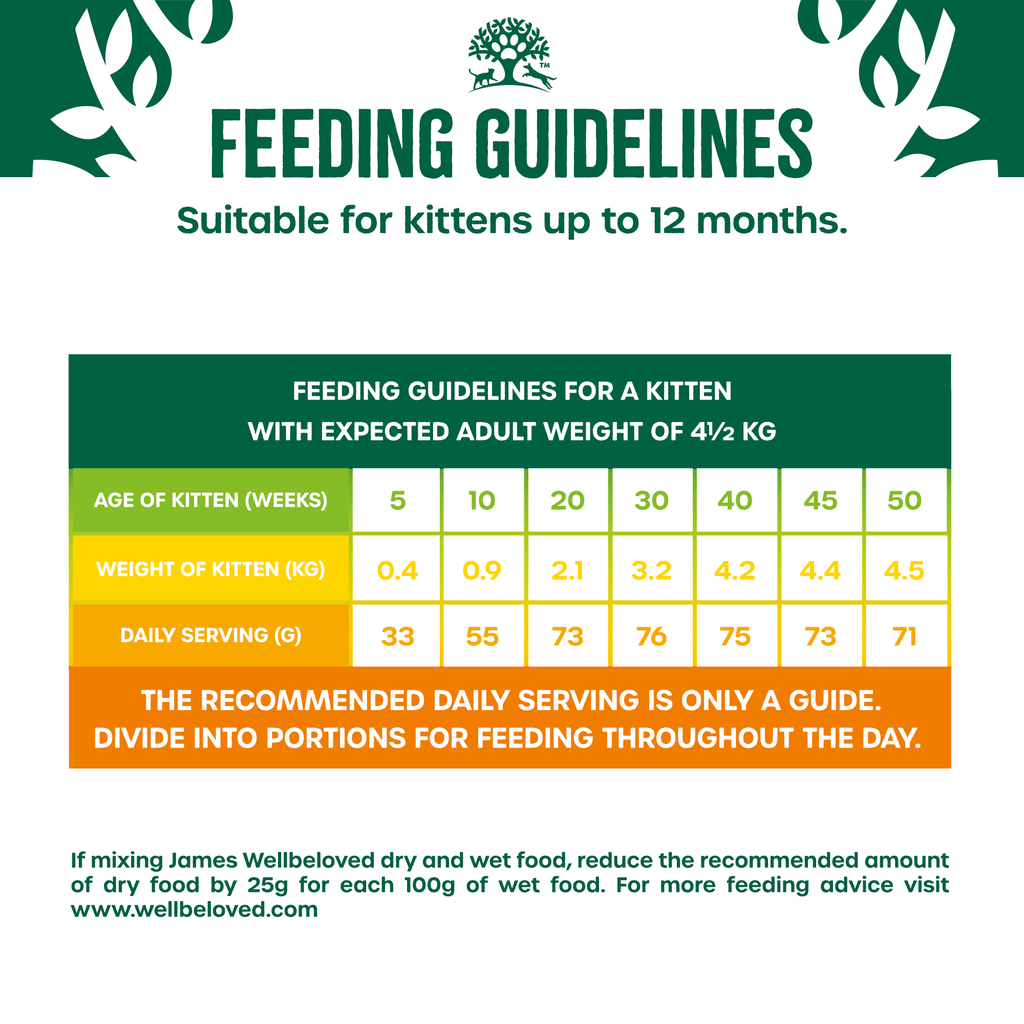
Kittens are little bundles of energy with growth spurts that require more calories and nutrients. They need a higher protein intake to fuel their rapid development. You might find yourself feeding them more frequently throughout the day. Remember, portion sizes should be smaller but more frequent.
As they transition into adulthood, cats’ nutritional needs change. Adult cats require a balanced diet to maintain their health, but they don't need as many calories as growing kittens. Consider a feeding schedule that suits your cat’s energy levels and lifestyle. Have you noticed your cat’s eating habits changing as they age?
Senior Cats And Special Needs
Senior cats often face different challenges, such as reduced activity levels and health issues like arthritis or kidney disease. They may benefit from a diet tailored to their specific health needs. This might mean choosing food with added supplements or lower calorie content.
Special needs cats, such as those with allergies or digestive issues, require extra care when it comes to diet. Consult your vet to find the right balance between wet and dry food that caters to their specific condition. Do you have a senior cat who prefers one type of food over the other?
Understanding your cat’s age and health considerations can make feeding them a more straightforward task. It’s all about observing their behavior and adjusting their diet as needed to ensure they remain happy and healthy.
Credit: www.walmart.com
Feeding Schedule Tips
Establishing a consistent feeding schedule is crucial for your cat's health. A structured routine helps maintain their weight and ensures they receive balanced nutrients. Here are some essential tips for creating an effective feeding schedule for your feline friend.
Meal Timing
Cats thrive on routine. Feed them at the same times each day. This consistency helps regulate their digestive system. It also prevents overeating. Many experts recommend two meals daily. Morning and evening work best for most cats. This mimics their natural hunting patterns. Always monitor your cat's behavior. Adjust the times if necessary for their comfort.
Portion Control
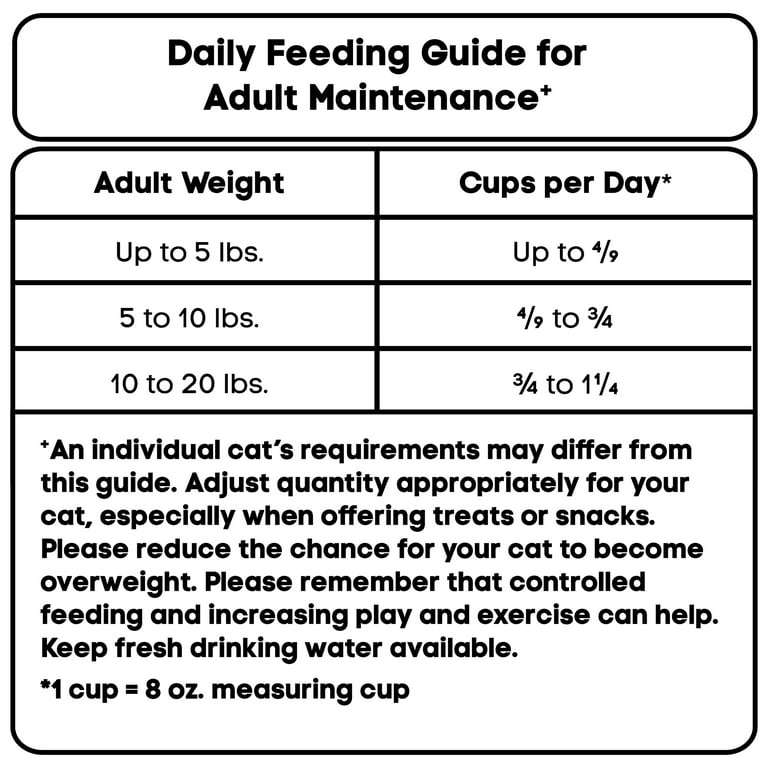
Proper portion control prevents obesity. Use a measuring cup for accuracy. Follow the guidelines on the food packaging. Adjust portions based on your cat's activity level. Active cats need more calories. Older or less active cats require fewer. Consult your veterinarian for personalized advice. They can help determine the right portion size. Overfeeding can lead to health issues. Always keep track of how much your cat eats.
Monitoring Cat's Weight
Monitoring Cat's Weight Balancing wet and dry cat food is essential for your pet's health. Wet food provides hydration, while dry food offers dental benefits. Adjust portions based on age, size, and activity level to maintain a healthy weight.
Monitoring your cat's weight is crucial for their health. Cats need a balance of wet and dry food. Too much or too little affects their well-being. Regular weight checks help ensure your cat stays healthy and happy.
Signs Of Overfeeding
A cat gaining weight quickly may be overfed. Watch for signs like a round belly or difficulty jumping. Overfeeding leads to obesity, which can cause health problems. Check their food portions. Ensure they are not eating too much at each meal.
Adjusting Portions
Adjust portions to maintain a healthy weight. Measure their food accurately. A kitchen scale is helpful. Start with recommended amounts from the food packaging. Observe your cat's weight weekly. If they are gaining, reduce portions slightly. If losing weight, increase portions a bit. Always consult your vet for specific guidance. Keep track of changes. This ensures your cat stays healthy and happy.
Consulting With Veterinarians
Consulting with veterinarians helps determine the right balance of wet and dry food for your cat's diet. They consider factors like age, weight, and activity level to tailor feeding recommendations. This ensures your cat receives the necessary nutrients for optimal health.
When determining how much wet and dry food to feed your cat, consulting with veterinarians is crucial. These experts offer personalized advice tailored to your cat’s specific needs. They consider factors like age, weight, activity level, and health conditions to provide a balanced diet plan.
Understanding Your Cat’s Nutritional Needs
Veterinarians help decode the nutritional labels on cat food packages. They can explain the importance of proteins, fats, and carbohydrates in your cat’s diet. Do you know if your cat gets enough taurine, an essential amino acid? A vet can help ensure your feline friend is not missing out on vital nutrients.
Tailored Diet Plans For Different Life Stages
Kittens, adults, and senior cats have different dietary requirements. A veterinarian can guide you through these stages with appropriate food choices. You might find that your senior cat needs more wet food to stay hydrated and maintain kidney health.
Addressing Health Issues Through Diet
If your cat has health issues like obesity or diabetes, diet plays a critical role in management. Vets can recommend specific food types and portion sizes to support medical treatments. Have you noticed your cat gaining weight? A vet's advice could be the key to a healthier lifestyle.
Monitoring And Adjusting Diets
Your cat’s dietary needs might change over time. Regular check-ups with a vet ensure that their food intake is adjusted accordingly. A sudden change in activity level or weight could signal the need for a dietary review.
Building A Relationship With Your Veterinarian
Frequent visits to the vet build a trusting relationship. This makes it easier to address any concerns about your cat’s diet. Do you feel confident discussing your cat's eating habits with your vet? Open communication can lead to better dietary solutions. Consulting with veterinarians not only helps in establishing a nutritious feeding routine but also fosters a healthier and happier life for your cat. Take the time to seek their expertise and see the difference it makes.
Common Mistakes To Avoid
Feeding a cat the right amount of wet and dry food can be tricky. Many cat owners make mistakes that affect their pet's health. Knowing what to avoid helps keep your cat happy and healthy.
Ignoring Labels
Labels on cat food provide important information. Some owners skip reading them. This can lead to overfeeding or underfeeding. Check the recommended serving size. Look for ingredients and nutritional value. This ensures your cat gets the right nutrients.
Inconsistent Feeding
Consistency in feeding times and portions is crucial. Cats thrive on routine. Changing feeding schedules can confuse them. Stick to regular meal times. Measure food portions accurately each time. This helps maintain a stable weight.
Credit: aimextools.com
Frequently Asked Questions
How Much Dry And Wet Food Should I Feed My Cat A Day?
Feed your cat 1/3 to 1/2 cup of dry food and 2-3 ounces of wet food daily. Adjust portions based on age, activity, and health. Consult your vet for personalized advice tailored to your cat's needs. Always provide fresh water alongside meals for hydration.
Can I Feed My Cat Both Dry And Wet Food?
Yes, you can feed your cat both dry and wet food. Mixing ensures balanced nutrition, offering hydration from wet food and dental benefits from dry food. Always consult your vet for specific dietary needs and portion control. Transition gradually to avoid digestive issues and monitor your cat's health regularly.
Is 2 Cans Of Wet Food Enough For My Cat?
Two cans might be enough for your cat, depending on its size, age, and activity level. Check the feeding guidelines on the can. Consult your vet for personalized advice to ensure your cat gets the right nutrition. Always monitor your cat's weight and adjust portions as needed.
Is 1/2 Cup Of Dry Food Enough For A Cat?
1/2 cup of dry food may be enough for some cats. Factors like age, size, and activity level influence dietary needs. Consult a vet for personalized advice to ensure proper nutrition. Adjust portions based on your cat's weight and health to maintain optimal well-being.
Conclusion
Feeding your cat the right amount is important for health. Balance wet and dry food for nutrition. Monitor your cat's weight regularly. Adjust portions based on activity levels. Cats need protein, fats, and vitamins. Consult your vet for personalized advice.
Observe your cat's eating habits. Some cats prefer wet food; others enjoy dry. Stay flexible with food choices. Always provide fresh water. Keep mealtimes consistent. Healthy feeding helps your cat thrive. Make informed decisions for your pet's well-being. Ensure a happy, healthy feline friend.