

Feeding your cat the right amount of dry food is crucial for their health and happiness. Are you ever uncertain if you’re giving your feline friend too much or too little?
You're not alone. Many cat owners struggle with finding that perfect balance. Imagine the comfort of knowing you’re providing the ideal portion for your furry companion’s well-being. This article will guide you through the essentials of determining how much dry food your cat needs.
Get ready to discover simple tips and expert advice that will make feeding time worry-free and ensure your cat thrives. Stick around to unlock the secrets to a healthier, happier pet.
Cat Dietary Needs
How Much Dry Food Should I Feed My Cat Feeding the right amount of dry food is essential for your cat's health. Consider their age, weight, and activity level. Consult your vet for personalized advice to keep your feline friend fit and happy.
Understanding your cat's dietary needs is essential for their health and happiness. Cats are obligate carnivores, meaning they require a diet rich in protein and certain nutrients found primarily in animal products. Your cat's diet should be carefully balanced to ensure they get all the essential nutrients they need to thrive.
Nutritional Requirements
Cats need a diet high in protein, moderate in fat, and low in carbohydrates. Essential amino acids like taurine are crucial for their heart and eye health. Vitamins like A, D, E, and K are also important for your cat's overall well-being. Minerals such as calcium and phosphorus support their bone health. Are you aware of the specific nutrients your cat needs daily? Checking the labels on cat food can help ensure you're meeting these requirements.
Role Of Dry Food
Dry food is a convenient and popular option for many cat owners. It typically contains a balanced mix of protein, fats, and carbohydrates designed to meet a cat's basic dietary needs. However, it often lacks the moisture content found in wet food, which is important for hydration. To ensure your cat receives enough water, consider providing a water fountain or mixing dry food with wet food. Have you noticed any changes in your cat's energy levels or coat quality after adjusting their food? Observing these changes can provide clues about your cat's nutritional satisfaction.
Factors Influencing Portion Size
Determining the right portion of dry food for your cat depends on several factors. Age, weight, activity level, and health play crucial roles in deciding how much to feed. Consult your vet for personalized guidance.
When deciding how much dry food to feed your cat, several factors play a significant role. Cats have unique needs based on their age, weight, activity level, and health conditions. Understanding these factors helps ensure that your feline friend stays healthy and happy.
Age And Weight Considerations
Cats of different ages and weights require different portion sizes. Kittens need more food than adult cats because they're growing. A cat's weight also influences how much food they need. Overweight cats might need less food to help them lose weight. Consult your vet for specific recommendations based on your cat's age and weight.
Activity Level Impact
A cat's activity level directly affects their food needs. Active cats burn more calories and might need larger portions. Lazy cats tend to need less food. Monitor your cat's activity and adjust their food accordingly. This ensures they get the right amount of nutrients.
Health Conditions
Certain health conditions can change a cat's dietary needs. Cats with diabetes or kidney issues might need special diets. These conditions can affect how much dry food they should eat. Always work with your vet if your cat has health issues. They can provide guidance on portion sizes and necessary dietary adjustments.
Choosing The Right Dry Food
Choosing the right dry food for your cat can be a daunting task. With countless options lining the shelves, how do you ensure you select the best one for your furry friend? Understanding what to look for in cat food can make all the difference in your cat's health and happiness. Let's dive into the key aspects you should consider when picking the perfect dry food for your feline companion.
Quality Indicators
When examining dry cat food, quality should be your top priority. Look for brands that have a reputation for high standards. You can often find this information through reviews and recommendations from veterinarians. Packaging can also provide insights; certifications or seals from reputable animal health organizations can be a good sign.
Another indicator is the manufacturing process. Foods that are made in smaller batches often retain their nutritional integrity better than mass-produced options. This doesn't mean all large brands fall short, but it's worth investigating how a brand operates.
Ingredient Analysis
Ingredients are the heart of any cat food. Do you know what goes into your cat's meals? Always check the list on the packaging. A high-quality dry food will list a specific protein source, like chicken or salmon, as the first ingredient. Avoid products that rely heavily on fillers like corn or wheat.
Consider the balance of nutrients. Your cat needs a diet rich in protein, but also vitamins and minerals. Look for added taurine, an essential amino acid for cats. Also, check for omega fatty acids which support skin and coat health. Remember, a long ingredient list isn't always better—simplicity and clarity can often indicate higher quality.
Finally, ask yourself: does the food cater to your cat’s specific needs? Whether it’s age, weight, or health conditions, your choice should reflect your cat's unique requirements.
Credit: ziggyfamily.com
Calculating The Right Amount
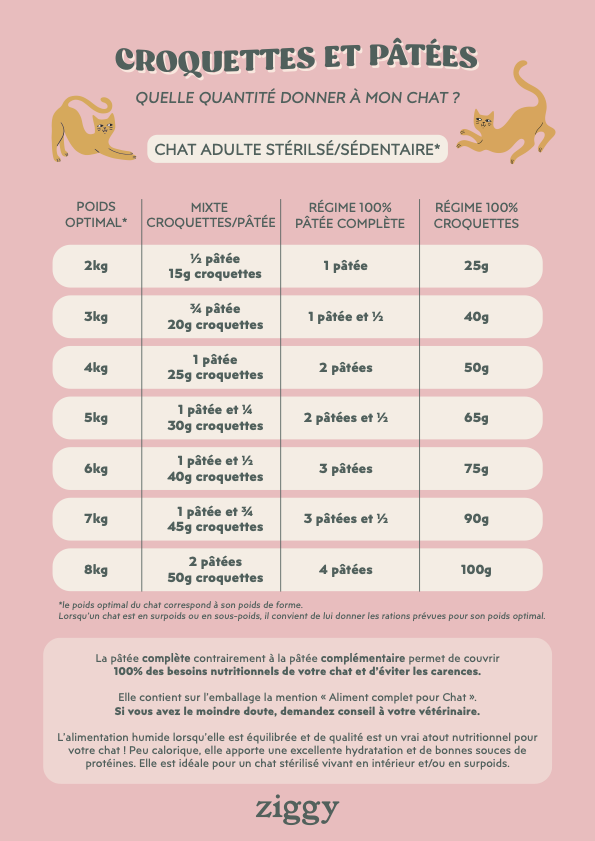
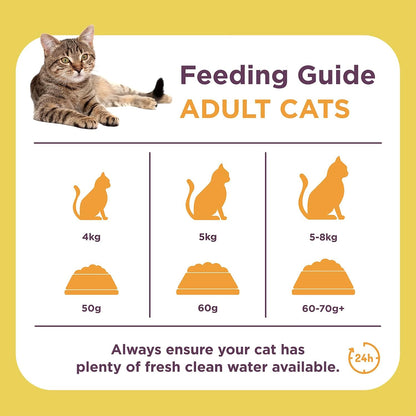
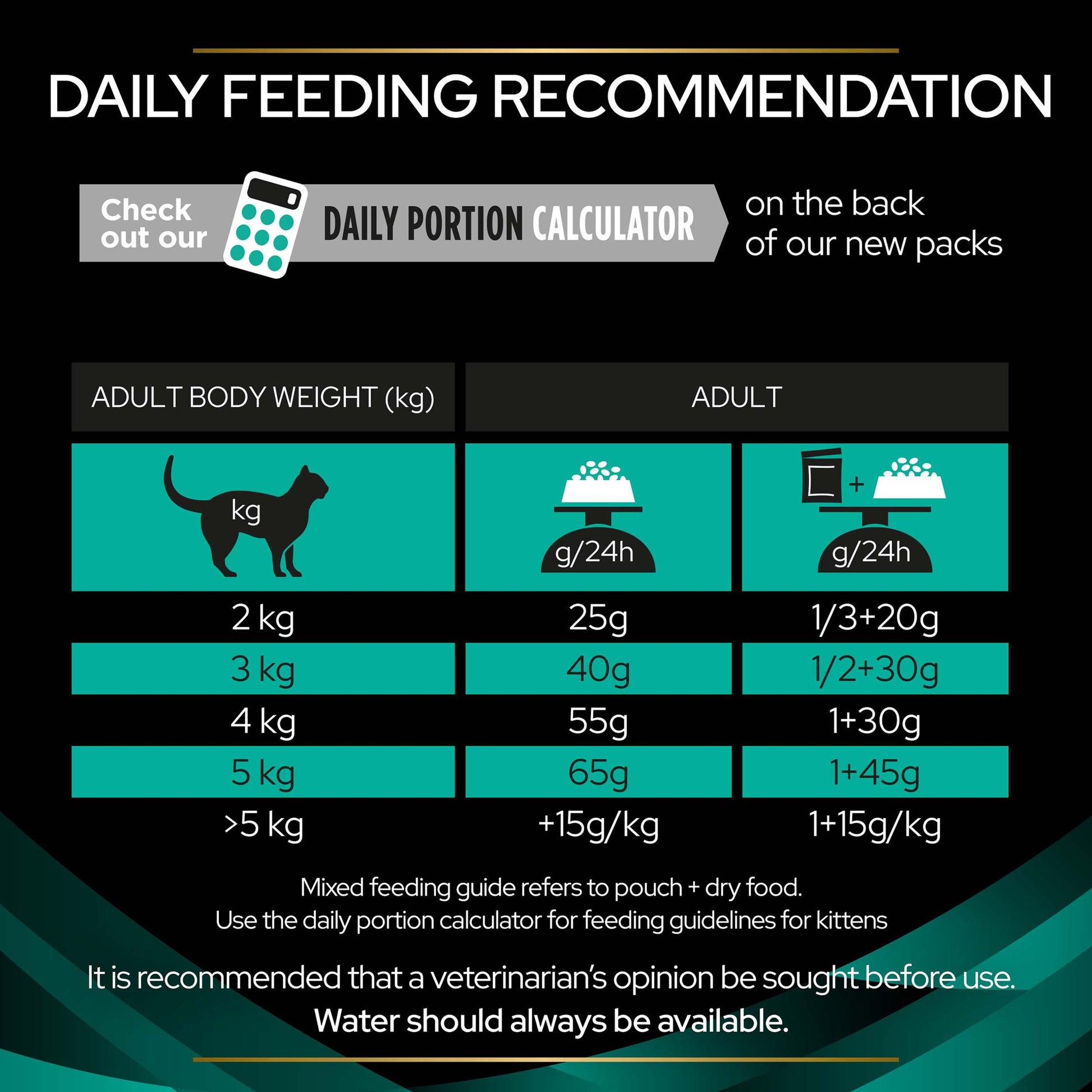
Cats need the right amount of dry food to stay healthy. Check the feeding guidelines on the food package. Adjust portions based on your cat's age, weight, and activity level.
Calculating the right amount of dry food for your cat is essential. It ensures your feline friend stays healthy and happy. Overfeeding can lead to obesity and related health issues. Underfeeding may cause nutrient deficiencies. Understanding your cat's specific needs helps maintain their well-being.
Daily Caloric Needs
Every cat has unique caloric needs. These depend on their age, weight, and activity level. An average adult cat needs about 20 calories per pound. Kittens and active cats might need more. Senior or less active cats may require fewer calories. Consult your vet for personalized advice.
Portion Measurement Tips
Accurate portion measurement is crucial. Use a measuring cup for consistency. Avoid guessing or using household items for measuring. Divide the daily portion into two or more meals. This helps manage hunger and prevent overeating. Monitor your cat's weight and adjust portions as needed.
Feeding Schedule
Creating a proper feeding schedule for your cat is essential. It ensures they receive balanced nutrition throughout the day. Cats thrive on routine and consistency. Establishing a feeding schedule can help maintain their health and well-being.
Meal Timing
Setting specific times for meals helps regulate your cat's metabolism. Aim for two to three meals per day. Each meal should have the appropriate portion size. Use a measuring cup to ensure accuracy. This prevents overeating and weight gain. A consistent schedule reduces stress and anxiety.
Transitioning Between Foods
Switching dry foods should be a gradual process. Start by mixing a small amount of new food with the old. Increase the new food amount slowly over a week. This helps prevent digestive upset. Observe your cat's reaction to the new food. Look for any signs of allergies or discomfort. If issues arise, consult your veterinarian.
Credit: pet-supermarket.co.uk
Monitoring Your Cat's Health
Feeding your cat the right amount of dry food is crucial to maintaining their health and happiness. As a cat owner, you might wonder how much is enough. Monitoring your cat’s health is an ongoing process that can help you make informed decisions about their diet. This involves observing their behavior, weight, and overall well-being. But how can you tell if your cat is getting too much or too little food?
Signs Of Overfeeding
Overfeeding your cat can lead to obesity, which increases the risk of health issues like diabetes and arthritis. Watch for signs such as rapid weight gain, lethargy, and difficulty grooming. You might notice your cat's ribs are hard to feel under layers of fat.
If your cat seems uninterested in playtime or shows signs of labored breathing, it may be time to reassess their food portions. Keep an eye on their litter box habits too; an overweight cat might have trouble using it comfortably.
Adjusting Food Intake
Once you identify signs of overfeeding, consider adjusting the amount of dry food you offer. Start by measuring their daily intake and gradually reduce portions until they reach a healthier weight. It's a good idea to consult your veterinarian for personalized advice.
Are you feeding your cat based on their age and activity level? Active cats might require more calories than sedentary ones. Adjust their food intake as needed and monitor their weight to ensure they're maintaining a healthy balance.
Expert Recommendations
Feeding your cat the right amount of dry food is crucial for their health and happiness. With so many opinions out there, how do you decide what's best? Let's dive into expert recommendations and clear up some common myths.
Veterinarian Advice
Consulting your veterinarian is always a smart move when deciding how much dry food to feed your cat. They consider factors like age, weight, activity level, and overall health. For example, a highly active cat may require more calories than a sedentary one.
Your vet might suggest a specific feeding schedule tailored to your cat's needs. They could recommend feeding twice a day to maintain a healthy weight and prevent overeating. Regular check-ups can help you adjust the diet as your cat grows or ages.
Common Myths
There's a myth that cats can free-feed without gaining weight. While some cats self-regulate, many will overeat if given unlimited food. This can lead to obesity, a serious health issue for cats.
Another common misconception is that more expensive dry food is always better. Price doesn't guarantee quality. It's essential to read labels and choose food with high protein content and low fillers. Quality matters more than cost.
Have you ever wondered if feeding your cat only dry food is enough? While dry food is convenient, combining it with wet food can provide balanced nutrition. This mix can help with hydration and prevent urinary tract issues.
Remember, your cat's dietary needs might change over time. Stay informed and proactive. How do you ensure your furry friend is getting the best nutrition possible?
Credit: pet-supermarket.co.uk
Frequently Asked Questions
How Much Dry Food Should Cats Eat A Day?
Cats typically need 1/4 to 1/2 cup of dry food daily. The amount depends on age, size, and activity level. Always consult your vet for personalized advice, ensuring your cat's dietary needs are met. Proper portion control helps maintain a healthy weight and prevents obesity.
Is 2 Meals A Day Enough For A Cat?
Cats can thrive on two meals a day. Ensure each meal is balanced with nutrients. Monitor your cat's health and weight. Adjust portion sizes if necessary. Consult a veterinarian for personalized dietary advice.
What Is A Serving Size Of Dry Cat Food?
A typical serving size of dry cat food is about 1/4 to 1/2 cup per meal. Check the packaging for specific recommendations based on your cat's age, weight, and activity level. Always provide fresh water alongside their meals.
Do Cats Stop Eating When They Are Full?
Cats often stop eating when they're full. Some may overeat, leading to obesity. Monitor portion sizes and provide balanced meals to maintain their health. Consult a vet if you notice unusual eating patterns. Keep your cat's feeding routine consistent to support healthy eating habits.
Conclusion
Feeding your cat the right amount of dry food is important. It keeps them healthy and happy. Always check the food packaging for guidance. Adjust portions based on your cat's age and activity level. Watch for weight changes and energy levels.
Consult your vet for personalized advice. Remember, each cat is unique. Their needs can vary. Regularly monitor their health and adjust feeding as needed. A balanced diet promotes a long, fulfilling life. Keep your furry friend’s needs in mind. They deserve the best care.
Happy feeding!
