

Feeding your cat the right balance of dry and wet food can feel like solving a puzzle. You want your furry friend to be healthy and happy, but with so many options out there, it's easy to feel overwhelmed.
Imagine finding the perfect mix that keeps your cat energetic, with a shiny coat and a satisfied belly. The secret lies in understanding your cat's unique needs and preferences. This article is here to guide you through the maze of cat nutrition, showing you how to combine dry and wet food in a way that's both tasty and beneficial for your pet.
Keep reading to discover how you can make meal times the highlight of your cat's day.
Factors Influencing Cat's Diet
Cats' dietary needs change based on various factors. Understanding these factors helps in choosing the right food and portion sizes. Let's explore some key influences on a cat's diet.
Age And Life Stage
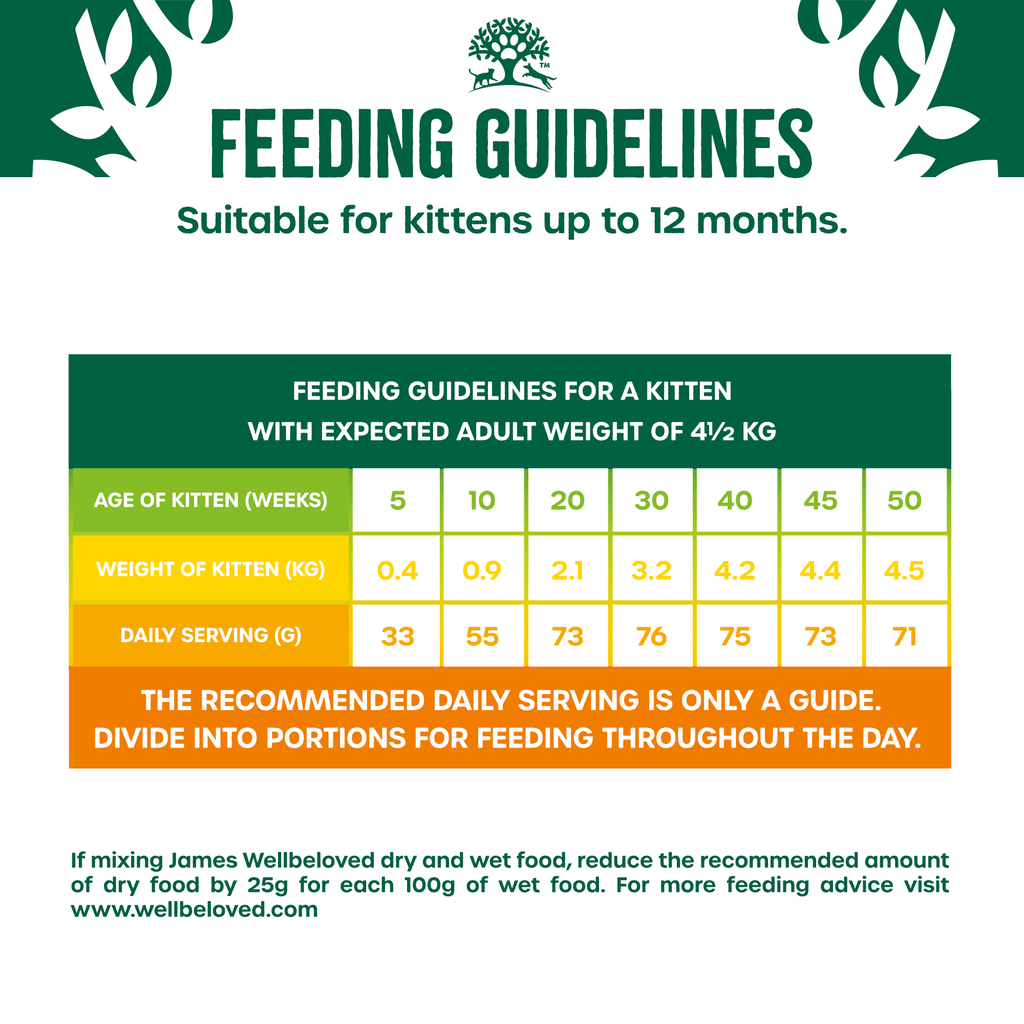
A cat's age affects its dietary needs. Kittens require more calories and nutrients for growth. They need frequent, smaller meals. Adult cats, on the other hand, need balanced nutrition to maintain their health. Senior cats may have different needs based on health changes. They might need special diets to support aging bodies.
Activity Level
Active cats burn more calories. They may need more food to fuel their energy. Sedentary cats, though, require fewer calories. Overfeeding less active cats can lead to obesity. It's crucial to adjust food portions based on a cat’s activity level.
Health Conditions
Health issues can influence a cat's diet. Cats with kidney disease need specific diets low in certain nutrients. Allergies might require hypoallergenic foods. Obesity needs calorie-controlled meals. Always consult a vet for dietary advice when health issues arise.
Credit: aimextools.com
Benefits Of Dry Cat Food
Choosing the right food for your cat is crucial for their health and happiness. Dry cat food, often known as kibble, comes with a range of benefits that can make it a valuable part of your feline's diet. While wet food offers moisture, dry food has its own unique advantages that many pet owners appreciate.
Dental Health Advantages
One significant benefit of dry cat food is its positive impact on dental health. As your cat chews on kibble, it naturally scrapes against their teeth, helping to reduce plaque and tartar buildup. Think of it as a gentle toothbrush for your cat!
Have you noticed how much your cat enjoys crunching on their kibble? That crunching action isn't just satisfying for them; it's also working to keep their teeth cleaner. Regular dental care is essential for cats, and dry food can be a helpful part of that routine.
Do you brush your cat's teeth regularly? If not, dry food can provide some dental benefits that might offset infrequent brushing.
Convenience And Storage
Dry cat food is incredibly convenient for both storage and feeding. Unlike wet food, which requires refrigeration, dry food can be stored easily in a pantry or a cupboard. It doesn't spoil quickly, making it a practical choice for busy pet owners.
Imagine coming home late from work and not having to worry about preparing your cat's meal. With dry food, you can simply scoop and serve. It's hassle-free and time-saving.
Additionally, dry food is perfect for automatic feeders. If you're away for a day or two, you can trust that your cat will have consistent access to their meals without the need for frequent refills.
Advantages Of Wet Cat Food
Wet cat food offers hydration and easier digestion for cats. It complements dry food, balancing moisture and nutrients.
Wet cat food offers several benefits that can enhance your cat's health. It provides essential nutrients and hydration that are crucial for your feline friend. Discover the advantages of wet cat food and how it can support your cat's well-being.
Hydration Benefits
Wet cat food is rich in moisture. This helps maintain your cat's hydration levels. Cats often don't drink enough water. Wet food can supplement their fluid intake. Proper hydration aids in preventing urinary tract issues. It also supports kidney function and overall health.
Palatability And Nutrient Density
Cats often find wet food tastier than dry food. Its texture and aroma appeal to their senses. Wet food is packed with high-quality proteins and fats. These nutrients are essential for muscle growth and energy. Feeding wet food ensures your cat receives balanced nutrition. This promotes a healthy coat and skin. Wet cat food can be a valuable part of your cat's diet. It offers hydration and essential nutrients. This supports their overall health and well-being.
Determining The Right Balance
Finding the right balance between dry and wet food for your cat ensures optimal nutrition and satisfaction. Consider your cat's age, health, and preferences to determine the ideal mix, promoting a healthy lifestyle and maintaining their happiness.
Determining the right balance between dry and wet food for your cat is essential. Each cat has unique dietary needs based on age, weight, and activity level. Striking this balance can promote optimal health and maintain a healthy weight.
Caloric Needs Assessment
Understanding your cat's caloric needs is the first step. Calculate daily calorie requirements based on their weight and lifestyle. Active cats need more calories compared to less active ones. You can consult with a vet to determine the exact number. This ensures your cat gets the energy they need without overeating.
Portion Size Recommendations
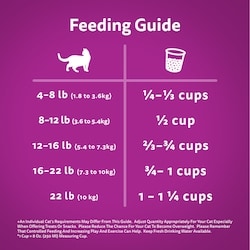
Decide on the correct portion sizes for your cat's meals. Divide the daily calorie intake between dry and wet food. Generally, dry food is more calorie-dense than wet food. So, smaller portions of dry food may be adequate. Wet food can be more filling, providing moisture that cats often lack. Monitor your cat's weight regularly. Adjust portion sizes as needed.
Adjusting Portions Based On Weight
Understanding cat's weight is key to proper feeding. Balance dry and wet food based on weight. Adjust portions for optimal health and nutrition.
Adjusting your cat's food portions based on their weight is essential. This ensures they maintain a healthy weight. Overfeeding can lead to obesity and related health issues. On the other hand, underfeeding may cause malnutrition. By monitoring your cat's weight, you can make informed decisions about their diet.
Monitoring Weight Changes
Regularly weigh your cat to track any weight changes. A simple home scale works well. Record their weight weekly or bi-weekly. Look for any significant gains or losses. Use these changes to determine if their food portions need adjustments. Noticeable weight gain could indicate overfeeding. Weight loss might mean they need more food.
Adjusting Food Portions Accordingly
Based on weight changes, adjust food portions accordingly. If your cat gains weight, reduce the portion size slightly. For weight loss, increase their food intake a bit. Balance between dry and wet food is crucial. Too much dry food can lead to weight gain. Consider reducing dry food and increasing wet food. Wet food helps with hydration and may be lower in calories. Always ensure your cat has access to fresh water. Adjustments should be gradual to avoid digestive issues. Consult with a vet for personalized advice.

Credit: www.instagram.com
Special Dietary Considerations
Every cat is unique. Their dietary needs can vary greatly. Understanding your cat's special dietary considerations is crucial. This ensures they remain healthy and happy. Some cats may have specific requirements due to health issues. Others may need adjustments based on their age or lifestyle. Let's explore how you can cater to these needs.
Allergies And Sensitivities
Cats can develop food allergies or sensitivities. Common allergens include beef, fish, and dairy. Symptoms may include itching, vomiting, or diarrhea. Identifying the allergen is important. You might need to switch to hypoallergenic foods. These foods are designed to minimize allergic reactions. Consult your vet for allergy testing. They can help pinpoint the offending ingredient.
Veterinary Diets
Sometimes, standard cat food isn't enough. Cats with health issues may require specialized diets. Veterinary diets are formulated for specific conditions. Kidney disease, diabetes, and obesity are some examples. These diets help manage symptoms and support overall health. Your veterinarian can recommend the best diet for your cat. Regular check-ups are essential to monitor progress. Adjustments may be necessary as your cat’s condition changes.
Expert Tips For Feeding Cats
Feeding your cat the right amount of dry and wet food is crucial. It ensures they stay healthy and happy. Here are expert tips to guide you.
Creating A Feeding Schedule
A feeding schedule helps maintain a balanced diet for your cat. Offer meals at the same times daily. This routine supports good digestion and weight management. Divide food portions evenly across meals. This prevents overeating and promotes a healthy weight. Use a measuring cup to serve the exact amount needed.
Incorporating Treats Wisely
Treats can be part of your cat's diet, but use them sparingly. They should not exceed 10% of their daily calorie intake. Choose treats that complement your cat's main diet. Avoid giving human food as treats to prevent digestive issues. Use treats for training or rewarding good behavior.
Credit: www.newfoundlandgrocerystores.ca
Frequently Asked Questions
How Much Dry And Wet Food Should I Feed My Cat A Day?
Feed your cat a balanced mix: 1/4 cup dry and 3 ounces wet food daily. Adjust for activity and health.
What Is The Ratio Of Wet To Dry Cat Food?
A common ratio is 50% wet and 50% dry cat food. This balance provides hydration and essential nutrients. Always consider your cat's specific dietary needs and consult a veterinarian for personalized advice. Adjust the ratio based on your cat's health, age, and preferences.
Is It Okay To Feed Cats Both Wet And Dry Food?
Yes, feeding cats both wet and dry food is okay. It offers variety and balanced nutrition. Wet food provides hydration and moisture, while dry food supports dental health. Always ensure both types are high-quality and suited to your cat's dietary needs.
Consult your veterinarian for personalized advice.
Is 1/2 Cup Of Dry Food Enough For A Cat?
A cat's food needs vary based on age, size, and activity level. Typically, 1/2 cup of dry food is enough for an average adult cat. It's essential to monitor your cat's weight and health, adjusting portions as needed. Consult your vet for personalized feeding advice.
Conclusion
Balancing dry and wet food is key for your cat's health. Both types offer unique benefits. Dry food provides convenience and dental care. Wet food offers hydration and taste. Consider your cat’s age, activity level, and health needs. Adjust portions for weight management.
Monitor your cat’s eating habits. Regular vet visits help ensure proper nutrition. Every cat is unique. Tailor their diet to fit their needs. A balanced approach keeps your cat happy and healthy. Keep experimenting with portions. Find what works best for your furry friend.
Your cat deserves the best nutrition possible.