
Are you feeling a bit puzzled about how much wet cat food your furry friend should be eating each day? You're not alone.
Many cat owners struggle with finding the right balance. You want to make sure your cat is getting just the right amount—enough to stay healthy and happy, but not so much that it leads to weight issues. Imagine having a simple guide that takes the guesswork out of mealtime.
We'll break down everything you need to know. From portion sizes to nutritional needs, you'll soon have all the information you need to keep your cat purring with satisfaction. Dive in, and discover how to make mealtime a breeze for both you and your cat.
Factors Influencing Cat Food Portions
Determining the right amount of wet cat food daily depends on age, size, and activity level. Health conditions also play a crucial role in adjusting portion sizes. Always consult your vet for tailored advice.
Factors Influencing Cat Food Portions Understanding how much wet cat food to serve daily is crucial. Several factors influence the right portions for your feline friend. Knowing these can help maintain their health and happiness.
Cat's Age
A cat's age significantly impacts its dietary needs. Kittens require more food than adult cats. Their bodies grow fast and need extra nutrition. Seniors, on the other hand, may need less. Their metabolism slows down with age. Adjust their portions accordingly.
Activity Level
Activity level plays a vital role in determining food portions. Active cats burn more calories. They need more food to match their energy use. Lazy or indoor cats may need less. Overfeeding can lead to obesity in less active cats.
Health Conditions
Health conditions can alter your cat's food needs. Some illnesses increase or decrease appetite. Diabetes or hyperthyroidism may require special diets. Consult your vet for specific dietary guidelines. They can help tailor food portions to your cat's health needs.
Benefits Of Wet Cat Food
Wet cat food offers moisture-rich nutrition. It helps keep cats hydrated and supports urinary health. For daily feeding, consult your vet to determine portion sizes based on your cat's age and activity level.
Wet cat food has become a popular choice for many cat owners, and for good reason. It offers a variety of benefits that can enhance your cat's overall health and well-being. Understanding these benefits can help you make informed decisions about your feline friend's diet.
Hydration
Cats naturally have a low thirst drive, often not drinking enough water to maintain optimal health. Wet cat food contains high moisture content, which can aid in keeping your cat hydrated. This is particularly important for cats with urinary tract issues or those prone to dehydration. You might notice that your cat seems more energetic and less prone to health issues when they consume wet food regularly.
Palatability
Wet cat food tends to be more palatable than dry food due to its texture and aroma. If you've ever struggled with a picky eater, switching to wet food can be a game-changer. Cats often find the flavors more appealing, which can lead to better eating habits and fewer meal-time frustrations for you. Imagine the relief of watching your cat eagerly devour their meal without any fuss.
Nutritional Value
Wet cat food is often rich in proteins, essential fatty acids, and other nutrients crucial for a cat's health. It often contains fewer fillers than dry food, ensuring that your cat gets a balanced diet. Consider how this nutritional boost can support a shiny coat, strong muscles, and a healthy weight for your pet. Could this be the dietary change your cat has been waiting for?
Recommended Daily Wet Food Intake
Feeding your feline friend the right amount of wet food is crucial for their health and happiness. The recommended daily wet food intake varies depending on your cat's age and activity level. Understanding these differences can help ensure your cat gets the nutrition they need while maintaining a healthy weight. Let's dive into the specifics for kittens, adult cats, and senior cats.
Kittens
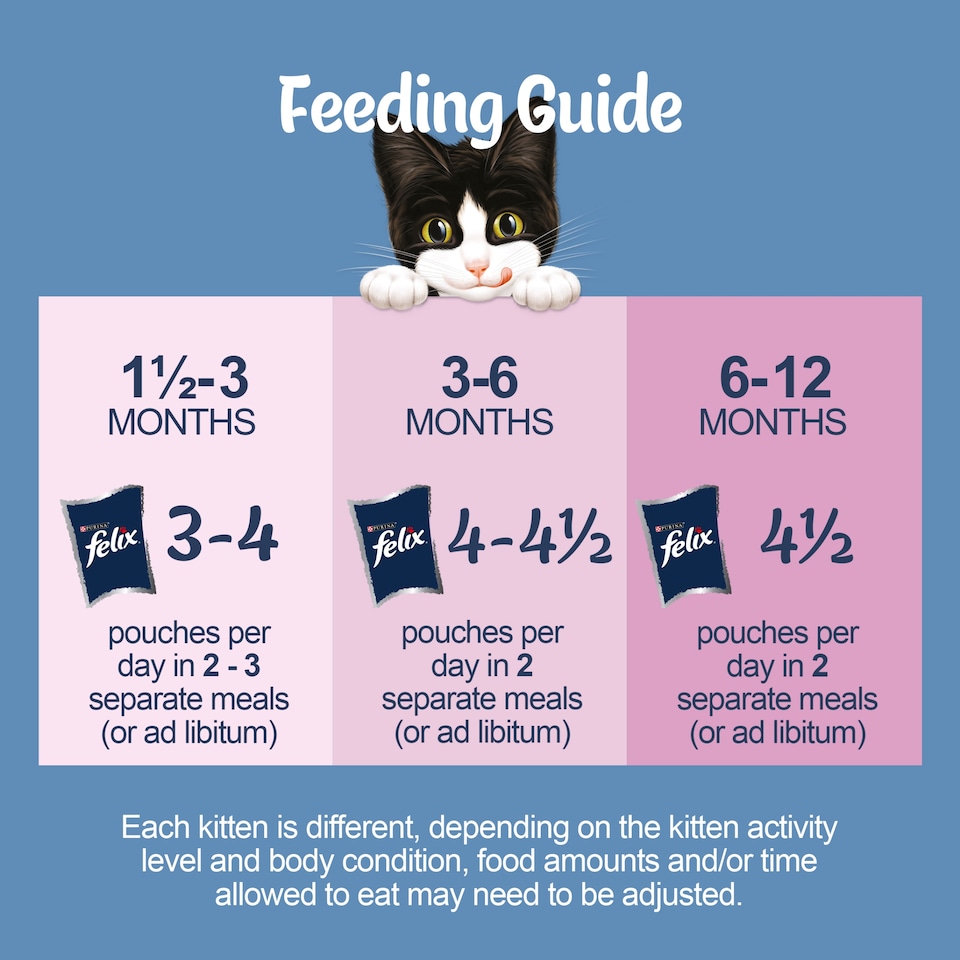
Kittens are bundles of energy, exploring every corner of your home. Their nutritional needs are high as they grow rapidly. Typically, kittens should consume about 3-4 ounces of wet food per day. You might find it practical to split this into multiple meals to keep their energy levels steady. Remember, kittens burn a lot of calories as they play and learn, so this amount can vary with their activity level.
Adult Cats
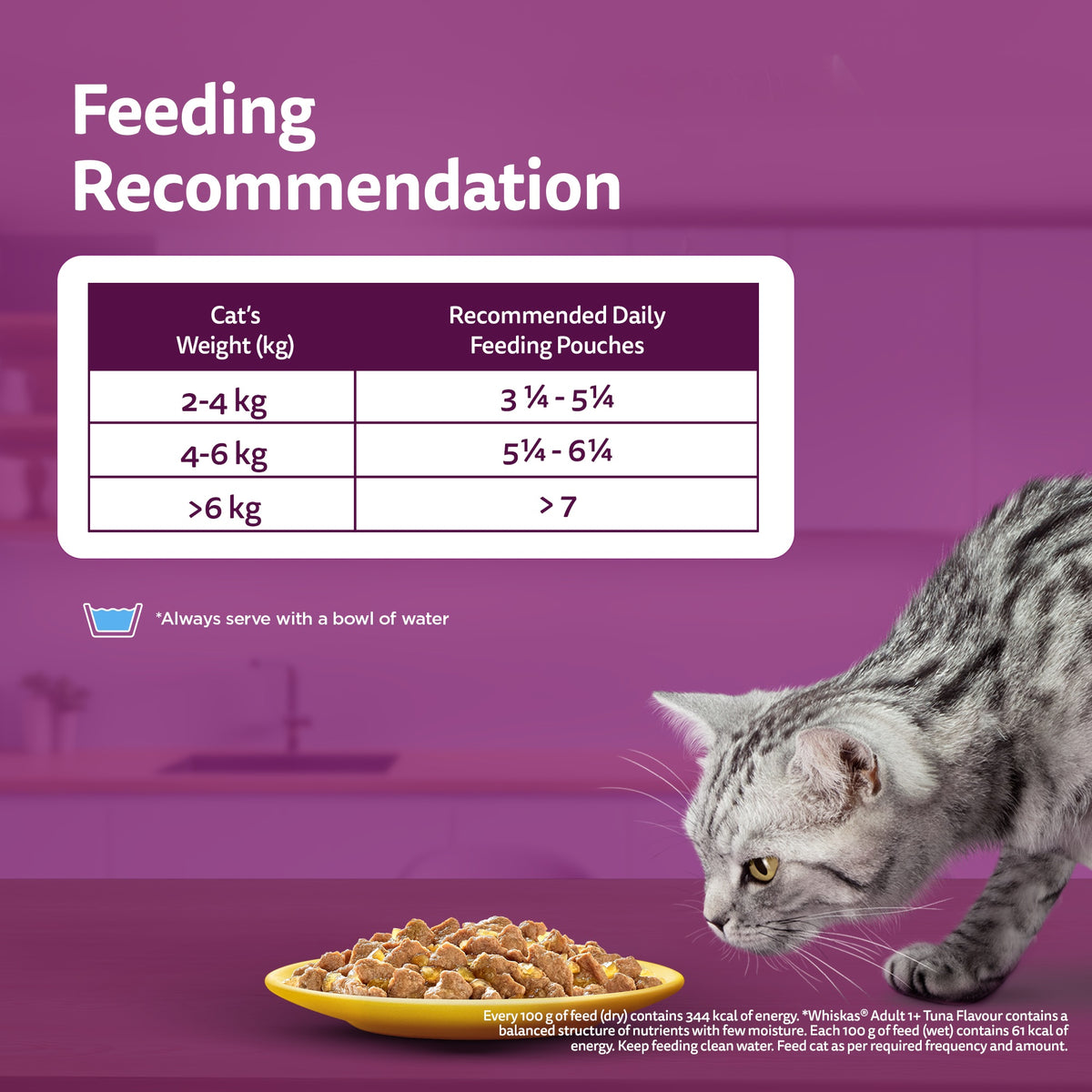
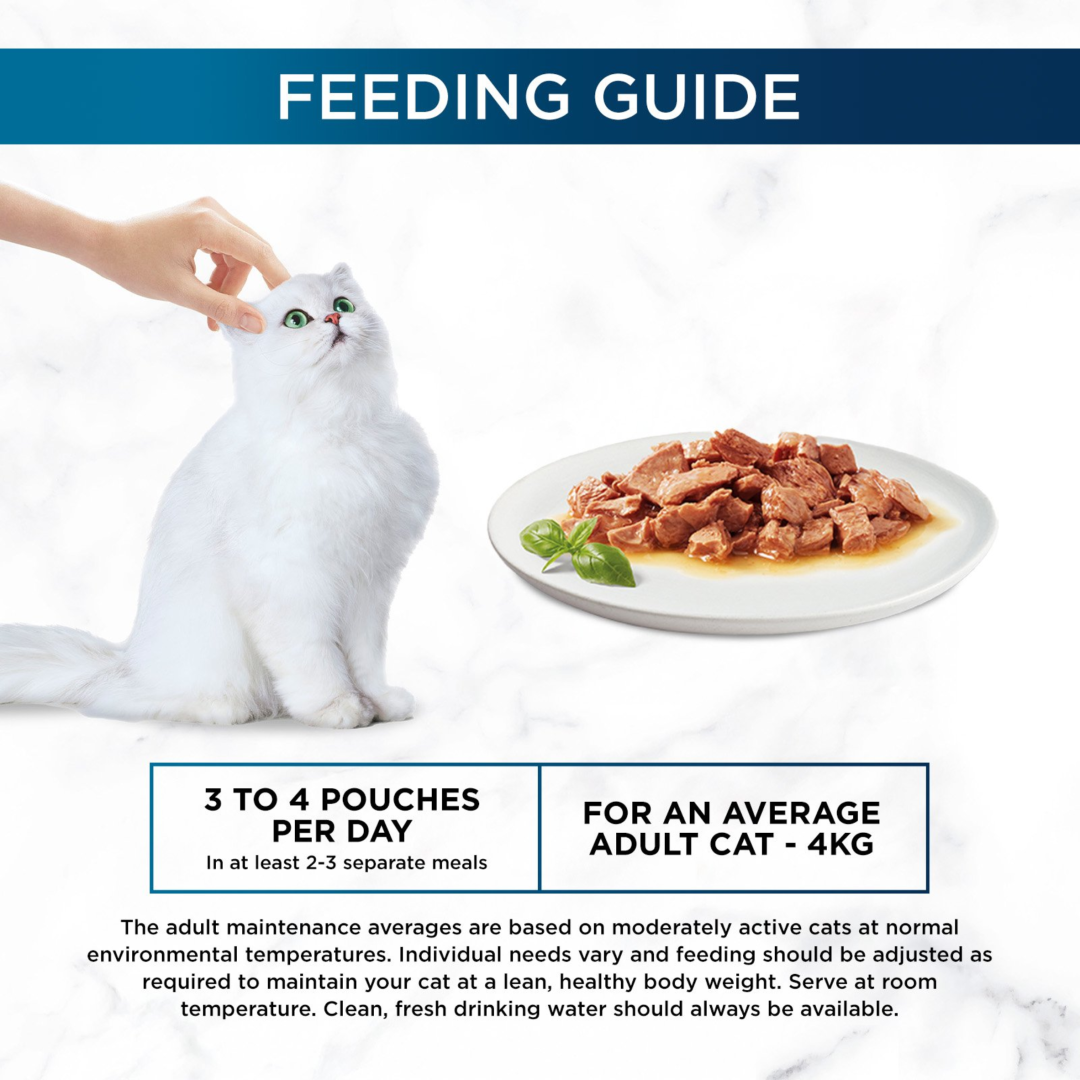
Adult cats require a balanced diet to maintain their weight and overall health. Most adult cats thrive on 3-5 ounces of wet food daily. It's essential to consider factors such as their weight, activity level, and health conditions. Some cats may need a bit more if they're particularly active or a bit less if they are prone to gaining weight easily. Be observant and adjust as needed, ensuring your cat stays fit and happy.
Senior Cats
Senior cats often have different dietary needs due to changes in metabolism and health. Generally, they might need around 3-4 ounces of wet food daily. Older cats might benefit from foods with higher moisture content to help with hydration. Monitor their weight and adjust the portion size based on their health and activity levels. Are they still playful, or have they slowed down a bit? This observation can guide you in making the best dietary choices for them.
Credit: headsupfortails.com
Reading Wet Food Labels
Understanding how much wet cat food to serve daily is vital. Reading the labels on cat food can help you decide the right amount. Labels provide essential details about nutrition and serving sizes. This information is key for your cat's health.
Key Nutritional Information
Wet cat food labels include important nutritional facts. Look for protein content, as it's crucial for your cat's muscles. Check the fat levels; they provide energy. Fiber aids digestion and keeps the gut healthy. Vitamins and minerals are listed too. They support various body functions.
Labels may display calories per serving. This helps you control your cat's weight. Make sure the food meets your cat's dietary needs. Cats need taurine, an essential amino acid. It's important to ensure it's in the food.
Serving Size Instructions
Wet food labels often include serving size guidelines. These are based on your cat's weight and age. Adult cats usually need more food than kittens. Older cats may require less due to reduced activity.
Some labels suggest feeding amounts based on daily caloric needs. Follow these guidelines for balanced nutrition. Adjust portions if your cat gains or loses weight. Consider your cat's lifestyle. Indoor cats may need less food than outdoor cats.
Labels sometimes recommend splitting portions into several meals. This can help control hunger and maintain energy levels. Serving sizes may vary between brands. Always check the instructions carefully.
Creating A Feeding Schedule
Creating a feeding schedule for your cat involves determining the right amount of wet food daily. Consider your cat’s weight and activity level to decide the appropriate portion size. This helps ensure they receive balanced nutrition without overeating.
Creating a feeding schedule for your cat ensures they stay healthy and happy. Wet cat food is often preferred for its moisture content. It mimics the natural diet of cats. But how much should you feed daily? Knowing the right amount is crucial. It helps avoid overfeeding and obesity. Let’s delve into setting an effective feeding schedule.
Meal Frequency
Cats thrive on routine. Feeding them at the same times daily is important. Most adult cats do well with two meals a day. Kittens need more frequent meals. Three or four times a day works better for them. Consistent timing can aid digestion. It also keeps your cat looking forward to mealtime.
Portion Control
Correct portion sizes prevent overeating. Check the cat food label. It usually suggests serving sizes based on weight. Start with the recommended amount. Observe your cat's weight and activity level. Adjust portions if necessary. An active cat might need more food. A less active one might need less. Use a kitchen scale for precise measurements.
Credit: www.purina.co.uk
Monitoring Your Cat's Weight
Determining the right amount of wet food is key to managing your cat's weight. Consult your vet to identify how much your cat needs daily. Adjust the portion based on age, activity level, and health.
Monitoring your cat's weight is crucial for ensuring their overall health and well-being. Cats, much like humans, can experience weight fluctuations due to various factors, including diet and lifestyle. Keeping an eye on your cat's weight helps you adjust their food intake accordingly, especially when feeding them wet food. But how do you know if you're overfeeding or underfeeding your cat? Let's delve into this.
Signs Of Overfeeding
One of the first indicators of overfeeding is a noticeable weight gain. If your cat feels heavier when you pick them up or if their belly starts to sag, you might be giving them too much food. Another sign is a lack of energy. Overfed cats can become lethargic and uninterested in play. Also, check for loose stools or diarrhea, which can result from a diet that's too rich.
Adjusting Portions
Once you've identified that your cat may be overeating, it's time to adjust their portions. Start by measuring the amount of wet food you’re currently feeding them and reduce it slightly. Consider splitting their meals into smaller portions throughout the day rather than feeding them all at once. This can help manage their hunger and prevent overeating. Consult with your vet for a tailored feeding plan that suits your cat's specific needs, especially if weight gain persists despite adjustments. Are you monitoring your cat's weight regularly? These small steps can make a big difference in maintaining their health. Keep in mind, every cat is unique, so what works for one might not work for another. Adjust and observe for the best results.
Consulting With A Veterinarian
Consulting with a veterinarian ensures your cat receives the right nutrition. Every cat has unique needs based on age, health, and activity level. A veterinarian can assess these factors to recommend optimal feeding amounts. This guidance helps prevent obesity or malnutrition. Regular check-ups allow adjustments to meet changing health requirements.
When To Seek Advice
Visit a vet when adopting a new cat. This ensures proper dietary habits from the start. If your cat experiences weight changes, seek advice. A sudden loss or gain might indicate health issues. Unusual eating patterns or allergies also require professional input.
Customized Feeding Plans
Vets tailor feeding plans to suit individual cat needs. They consider age, weight, and health conditions. A kitten requires different nutrients than an elderly cat. Special dietary needs arise from allergies or medical conditions. A vet creates a balanced plan to address these concerns. They ensure your cat receives sufficient wet food daily.

Credit: petfood.advancepet.com.au
Frequently Asked Questions
Is 2 Cans Of Wet Food A Day Too Much For A Cat?
Two cans of wet food daily might be suitable for some cats. Consider the cat's weight, age, and activity level. Consult a veterinarian for personalized guidance. Ensure the food meets nutritional needs and adjust portions based on the cat's health and lifestyle.
Always prioritize a balanced diet.
How Much Wet Food Should A 10 Lb Cat Eat Per Day?
A 10 lb cat typically needs 4-5 ounces of wet food daily. Check the specific brand's feeding guide. Adjust based on activity level and health. Consult your vet for personalized advice.
How Much Wet Cat Food Should I Feed Daily?
The amount of wet cat food depends on your cat's weight and activity level. Generally, feed 3-4 ounces per 5 pounds of body weight. Always check the specific brand's feeding recommendations. Adjust portions based on your cat's needs and consult your vet for personalized advice.
Is It Okay To Feed Cats Only Wet Food?
Yes, feeding only wet food is fine. Wet food provides hydration and essential nutrients. It can be beneficial for cats with urinary or kidney issues. Ensure it's balanced and meets your cat's nutritional needs. Always consult your vet before making dietary changes.
Conclusion
Understanding cat food portions is essential for your pet's health. Wet food offers hydration and nutrients. But balance is key. Too much can lead to weight gain. Too little might not meet nutritional needs. Always check the cat food label for guidance.
Consider your cat's age, weight, and activity level. Consult your vet for personalized advice. Regular check-ups ensure your cat stays healthy. Adjust portions as your cat grows or changes lifestyle. Aim for a happy, healthy cat with proper feeding. Pay attention, and your cat will thrive.
It's worth the effort for your furry friend!