

Are you wondering just how many ounces of wet food your cat should be eating each day? You're not alone.
Many cat owners find themselves puzzled by the varying recommendations and conflicting advice. You want what's best for your furry friend, but figuring out the right amount can be tricky. The last thing you want is for your cat to be underfed or overfed.
You'll discover the ideal portion size that ensures your cat stays healthy and happy. Get ready to unravel the secrets behind the perfect serving size and learn how to easily cater to your cat's dietary needs. Keep reading to unlock expert tips that will help you provide the best care for your feline companion.
Factors Affecting Cat's Food Intake
Understanding a cat's dietary needs is crucial for their health. Various factors determine how much wet food a cat should eat. These factors ensure your feline friend gets the right nutrition. Let's explore these factors.
Age And Life Stage
A cat's age significantly impacts its food intake. Kittens require more food for growth. They need frequent meals to support their rapid development. Adult cats, on the other hand, eat less than kittens. They require food to maintain energy levels. Senior cats may need different portions to support their health. Each life stage demands a tailored diet for optimal health.
Activity Level
Active cats burn more calories than sedentary ones. Cats that play often or roam outdoors need more food. This helps them replenish energy spent during activities. Less active cats, like indoor cats, require fewer calories. Adjusting food portions based on activity prevents weight issues. Monitoring your cat's activity helps in providing the right amount of food.
Health Conditions
Certain health conditions affect a cat's food intake. Overweight cats might need reduced food portions. Cats with illnesses may have special dietary needs. Conditions like diabetes require careful monitoring of food. Cats recovering from surgery may need more nutrients. Regular vet visits help adjust their diet according to health needs.
Credit: www.purina.com
Nutritional Needs Of Cats
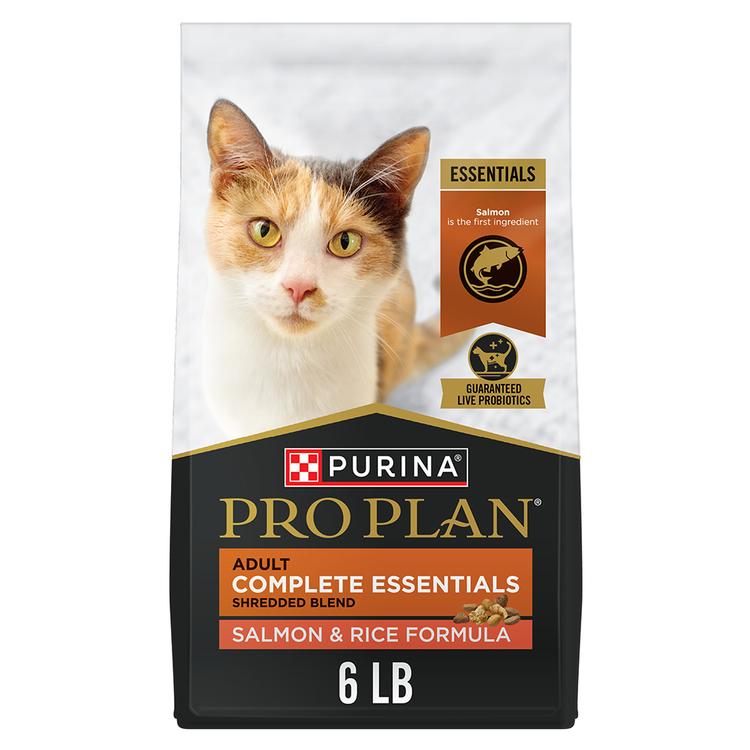
Cats need around 3 to 5 ounces of wet food daily, depending on their size and activity level. Ensure balanced nutrients to support their health and well-being. Always consult a vet for personalized feeding advice.
Cats are fascinating creatures with unique dietary needs that are essential for their overall well-being. Unlike humans, cats have specific nutritional requirements that must be met to ensure they stay healthy and active. Understanding these needs helps you make informed choices about how much wet food your cat should consume daily. Let's dive into the core nutritional needs of cats, focusing on essential nutrients, the importance of protein, and the role of hydration.
Essential Nutrients
Cats are obligate carnivores, which means their diet primarily consists of meat. This is because they require nutrients found only in animal tissue. Essential nutrients for cats include vitamins, minerals, fatty acids, and amino acids. Taurine, an amino acid, is vital for heart health, vision, and reproduction. Without a balanced intake of these nutrients, cats can develop serious health issues. Feeding your cat a high-quality wet food ensures they receive a well-rounded diet. Always check the label to ensure the food meets the nutritional standards set by the Association of American Feed Control Officials (AAFCO). This guarantees your cat is getting a complete and balanced meal.
Importance Of Protein
Protein is a cornerstone of a cat's diet. It provides energy and supports the growth and repair of tissues. Unlike dogs, cats use protein as their main energy source. This means they need more protein than many other animals. When choosing wet food, look for one with a high protein content. A common mistake is selecting food based solely on flavor or brand. Instead, focus on the protein percentage. Your cat's lean muscle mass depends on it.
Role Of Hydration
Hydration plays a crucial role in a cat's health. Wet food is an excellent source of hydration, as it contains a high water content. Cats naturally have a low thirst drive, often not drinking enough water on their own. Feeding your cat wet food helps prevent urinary tract issues and keeps their kidneys functioning properly. Have you ever noticed your cat's reluctance to drink from a bowl? That's their instinct at play. Wet food mimics the natural moisture found in their prey, providing them with the hydration they instinctively crave. Meeting your cat's nutritional needs doesn't have to be complicated. With a focus on essential nutrients, adequate protein, and proper hydration, you can help your feline friend lead a healthy and fulfilling life. Remember, your cat's health begins with the choices you make at mealtime.
Calculating The Right Amount
Finding the right amount of wet food for your cat is essential for their health and happiness. Balancing their diet requires a bit of calculation, but it’s worth the effort. You want to ensure your feline friend enjoys their meals while staying fit and energetic. Here’s how you can determine the ideal portion size.
Reading Food Labels
Food labels are your best guide to understanding portion sizes. Check the packaging for feeding recommendations based on weight and age. These guidelines are a good starting point. Remember, every brand may vary, so always compare.
Look for the calorie content per ounce. This information helps you calculate how much energy your cat will get from each serving. It's like reading the nutritional facts on human food—valuable for making informed decisions.
Determining Caloric Needs
Calculating caloric needs involves considering your cat’s activity level and life stage. Active cats need more calories than those who nap all day. Kittens and pregnant cats also require more energy.
Start by consulting your vet to get a baseline. They can provide a calorie count tailored to your cat's specific needs. This ensures you're not underfeeding or overfeeding, which can lead to health issues.
Adjusting For Weight And Size
Every cat is unique, and their food intake should reflect that. If your cat is larger or smaller than average, adjust portions accordingly. A hefty Maine Coon will need more food than a petite Siamese.
Monitor your cat's weight regularly. If they’re gaining or losing too much, tweak their food amounts. A simple scale can help you track changes and maintain their ideal weight.
Is your cat maintaining a healthy weight with their current diet? If not, it might be time to reassess their food intake. Your observations are crucial in ensuring their well-being.
Choosing The Best Wet Food
Choosing the best wet food for your cat is crucial to ensuring their health and happiness. The quality of the food directly impacts their energy levels, coat shine, and overall well-being. It's not just about finding a brand that your cat likes but one that nourishes them optimally.
Quality Ingredients
Start by checking the ingredient list. Look for real meat as the first ingredient; this is a sign of high-quality food. Cats are obligate carnivores, meaning they thrive on meat-based diets. A friend once switched to a brand where chicken was the top ingredient, and her cat's coat became noticeably shinier.
Grains and fillers should be minimal or absent. These ingredients don't offer much nutritional value. You might have noticed your cat feeling sluggish after consuming foods with too many fillers. Opt for wet foods that focus on meats, vegetables, and essential vitamins.
Avoiding Harmful Additives
Preservatives and artificial colors can be harmful. These additives may cause allergies or digestive issues. How often have you seen your cat react poorly to certain foods? It might be due to these hidden additives.
Seek out products with natural preservatives like vitamin E or C. These are safer and less likely to irritate your feline friend. If your cat has been avoiding their food, it could be due to synthetic additives altering the taste.
Considering Special Diets
Every cat is unique, and some may require special diets. Cats with kidney issues, for example, need foods low in phosphorus. If your cat has health concerns, consult with your vet to find the right diet plan.
Weight management is another aspect. Some cats need low-calorie wet food to maintain a healthy weight. Have you ever thought about how your cat’s eating habits affect their health? Tailoring their diet could improve their life quality significantly.
Choosing the best wet food involves assessing ingredients, avoiding harmful additives, and considering special dietary needs. By investing a bit of time, you ensure your cat's meals contribute to their health and happiness.
Feeding Schedule And Tips
Understanding how much wet food your cat should eat is crucial for its health and happiness. But it's not just about the quantity; it's also about establishing a feeding schedule that works for both you and your feline friend. A proper routine can help regulate your cat's digestion and prevent overeating, while also giving you a chance to monitor their eating habits closely. Let's dive into some practical tips on setting up a feeding schedule that caters to your cat's needs.
Establishing A Routine
Creating a consistent feeding routine can make life easier for both you and your cat. Cats thrive on predictability, so feed them at the same times each day. Whether it's morning and evening or another schedule that suits your lifestyle, consistency is key. This routine not only helps with portion control but also makes it easier to notice any changes in your cat's appetite or behavior.
Think about your daily schedule. Can you commit to specific feeding times? A predictable routine will help your cat feel secure and can even reduce anxiety. Are you often on the go? Consider automated feeders that dispense food at set times, offering convenience without compromising your cat's routine.
Monitoring Eating Habits
Keep an eye on how much your cat eats each day. Observing their eating habits can reveal important insights into their health. Are they finishing their food quickly, or do they nibble throughout the day? Changes in these patterns can signal health issues or stress.
Use a simple checklist to track your cat's daily consumption. This can help you spot trends and react promptly if something seems off. Did your cat suddenly stop eating? This could be a sign of illness or discomfort, so consulting your vet might be necessary.
Handling Picky Eaters
Dealing with a picky eater can be a challenge. Some cats might turn up their noses at certain foods, leaving you puzzled. Try experimenting with different flavors or textures to find what piques their interest. Sometimes, mixing wet and dry food can create a more appealing meal.
Are you frustrated by your cat's finicky eating habits? Remember that patience is key. Gradually introduce new foods alongside their favorites, and watch their reactions. Could it be the temperature or smell of the food that your cat dislikes? Warming wet food slightly can enhance its aroma, making it more enticing.
Credit: www.purina.com
Signs Of Overfeeding And Underfeeding
Cats need the right amount of wet food for optimal health. Too much food can cause obesity and lethargy. Too little can lead to weight loss and low energy. Aim for 2-3 ounces per meal, adjusting based on age and activity levels.
Determining the right amount of wet food for your cat is crucial for their health and well-being. Too much or too little can lead to noticeable signs that you should be aware of. Recognizing these signs can help you adjust your cat’s diet accordingly, ensuring they stay healthy and happy.
Weight Changes
One of the most obvious indicators of overfeeding or underfeeding is a change in your cat's weight. A sudden increase might suggest they are getting too much food, while a noticeable decrease could mean they aren't getting enough. Regularly weigh your cat to track any significant changes.
Behavioral Indicators
Cats often communicate through their behavior. An overfed cat might become lethargic, preferring to lounge around rather than engage in play. Conversely, an underfed cat may become more vocal, often meowing for food or searching for scraps. Pay attention to these behavioral shifts as they can be telling signs.
Health Implications
Feeding your cat the wrong amount of food can have serious health implications. Overfeeding can lead to obesity, which increases the risk of diabetes and joint problems. On the other hand, underfeeding can cause malnutrition, affecting your cat's coat, energy levels, and overall health. Have you noticed any of these signs in your feline friend? It's important to adjust their diet promptly to prevent long-term health issues. Always consult with a vet to tailor a diet plan that meets your cat's specific needs.
Consulting A Veterinarian
When it comes to determining how much wet food your cat should eat, consulting a veterinarian is crucial. A professional can offer insights into your cat's individual dietary needs and help you avoid common pitfalls in feeding. By taking advantage of their expertise, you ensure your feline friend stays healthy and happy. Let's explore when to seek advice, how to tailor diets for special needs, and the importance of regular health check-ups.
When To Seek Advice
Have you ever noticed changes in your cat's eating habits? Perhaps they are eating less or seem lethargic. These are times when seeking veterinary advice becomes essential. Even if you think you know your cat's needs, a vet can spot subtle signs of health issues that might go unnoticed. Don’t wait for a problem to escalate before asking for help.
Tailoring Diets For Special Needs
Every cat is unique, and some have special dietary requirements. Is your cat overweight, underweight, or suffering from a medical condition? A veterinarian can guide you in adjusting their diet accordingly. They might suggest specific types of wet food or portion sizes to meet your cat's needs. Tailoring your cat's diet can lead to better health outcomes and a longer lifespan.
Regular Health Check-ups
Regular check-ups with a vet are not just about vaccinations. They include monitoring your cat’s overall health and dietary needs. During these visits, discuss your cat's eating habits and any concerns you may have. These routine evaluations can pinpoint dietary adjustments needed as your cat ages or as their health changes. By staying proactive, you ensure your cat receives the best care possible.

Credit: www.facebook.com
Frequently Asked Questions
Is 2 Cans Of Wet Food Too Much For A Cat?
Two cans might be too much for some cats. Portion size depends on the cat's age, size, and activity level. Consult your vet for tailored advice. Always monitor your cat's weight and adjust portions as needed. Proper feeding ensures health and well-being.
How Much Wet Food For An Adult Cat?
An adult cat typically needs about 3-5 ounces of wet food daily. This depends on their weight, age, and activity level. It's crucial to consult your vet for personalized feeding advice. Adjust portions based on your cat's health and energy requirements.
Is Wet Food Enough For A Cat's Diet?
Wet food can be sufficient for a cat's diet if balanced. It provides hydration and essential nutrients. However, some cats may benefit from a mix of wet and dry food. Always ensure the wet food meets nutritional standards for complete meals.
Can Kittens Eat The Same Amount As Adults?
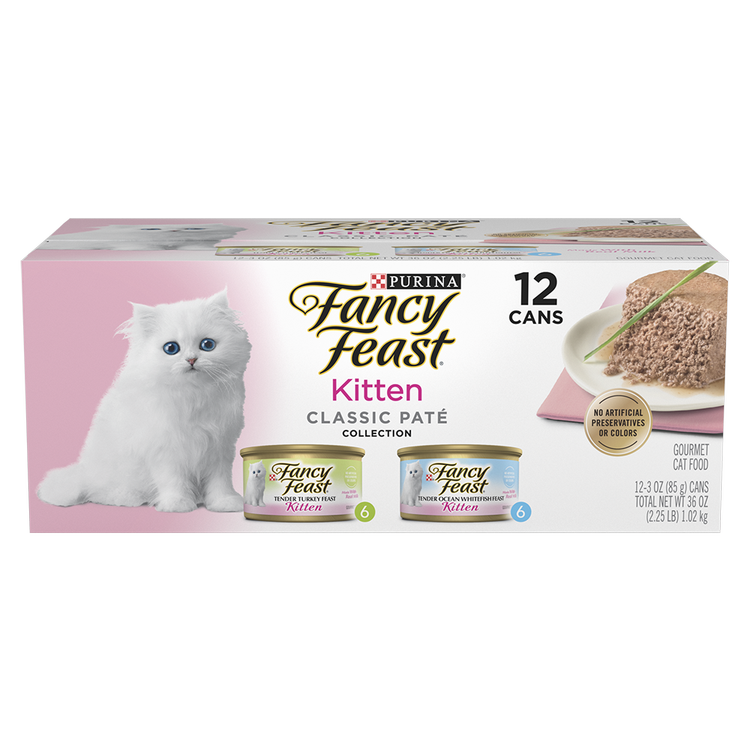
Kittens require more frequent feeding than adults, but smaller portions. They need around 1-2 ounces per meal, several times a day. Their diet should be specially formulated for growth. Consult a vet for specific feeding guidelines tailored to your kitten’s needs.
Conclusion
Choosing the right amount of wet food is crucial for cat health. Consider your cat’s age, weight, and activity level. These factors influence how much they should eat. Always follow the guidelines on the packaging. Consult a vet for personalized advice.
Adjust portions if your cat gains weight or seems hungry. Balance is key to a happy, healthy cat. Offering proper nutrition ensures they thrive. Remember, each cat is unique. Observing them closely helps make the best decisions. Happy feeding and happy cats!