
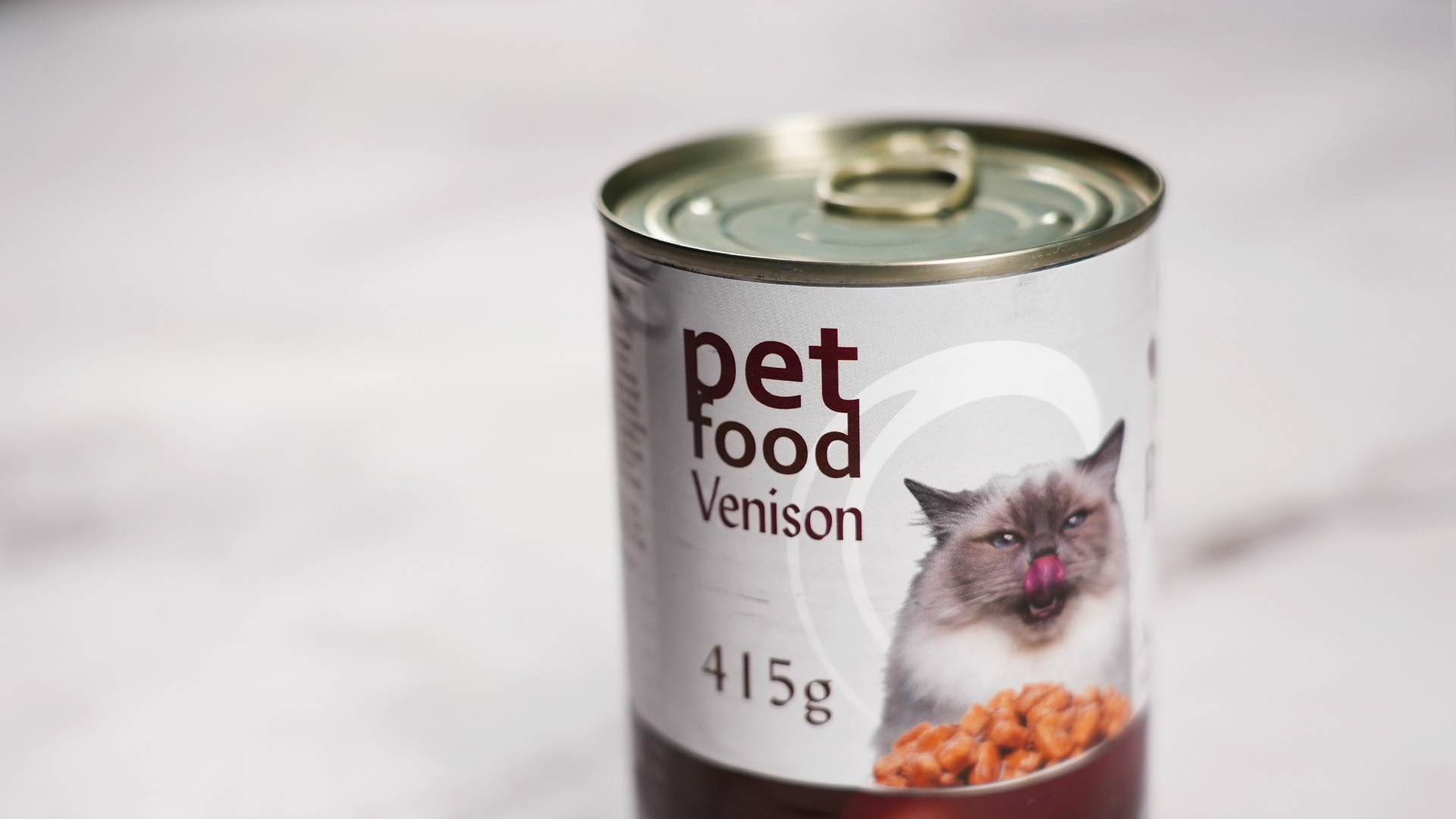
Imagine this: you’re serving a delicious meal to your furry friend, and you want to make sure every bite is as fresh and safe as possible. Wet cat food can be a delightful treat for your cat, but how long can you actually leave it out before it becomes a risky snack?
You might be wondering about the balance between convenience and ensuring your cat's health. This is where understanding the shelf life of wet cat food becomes crucial. Knowing the right timing could be the difference between a happy, healthy cat and an upset tummy—or worse.
Dive into this article to uncover the secrets to keeping your feline’s meals fresh, safe, and tasty. You’ll gain insights that not only protect your cat but also bring peace of mind to your daily routine. Let’s explore the fine line between fresh and not-so-fresh together.

Credit: www.wikihow.com
Wet Cat Food Safety
Wet cat food should not sit out for more than two hours. Bacteria can grow quickly, making it unsafe for cats. Always refrigerate unused portions to maintain freshness and safety.
Wet Cat Food Safety Ensuring the safety of your cat's wet food is crucial for their health. Cats are picky eaters, and just like us, they deserve fresh, nutritious meals. So how long can you leave out wet cat food before it becomes a health hazard?
Factors Affecting Food Safety
The safety of wet cat food depends on several factors. Temperature plays a significant role; warmer climates can cause food to spoil faster. If your home is particularly warm, consider setting a timer to remind you to check the food after 30 to 60 minutes. Your cat's eating habits also matter. If they tend to graze, you might need to serve smaller portions more frequently. Using a cat food dispenser with a cooling feature can also help keep the food fresh longer. Have you ever noticed how quickly food dries out when left uncovered? This is especially true for wet food, which can lose moisture and become unappetizing.
Signs Of Spoilage
Recognizing spoiled cat food is essential to prevent health issues. A sour or off smell is a clear indicator that the food has gone bad. Visible mold or discoloration is another sign that the food is no longer safe to eat. Pay attention to the texture; if the food feels slimy or sticky, it's time to toss it out. Have you ever noticed your cat refusing food they previously loved? Their keen senses may detect spoilage before you do. Always trust your instincts and your cat's reactions when in doubt. By being mindful of these factors, you can ensure your cat enjoys their meals safely and happily. Remember, a little vigilance goes a long way in keeping your furry friend healthy.
Recommended Duration For Leaving Out
How long can you leave out wet cat food before it becomes a health risk for your feline friend? This question often puzzles pet owners who want to ensure their cats get fresh and safe meals. Understanding the recommended duration for leaving out wet cat food is crucial to maintaining your pet's health and preventing waste. Let's delve into the specifics to help you make informed decisions.
Room Temperature Guidelines
Wet cat food should generally not be left out for more than two hours at room temperature. This rule of thumb helps prevent bacterial growth that can spoil the food. Imagine you're in a rush in the morning; it's easy to forget that leaving out wet food all day can lead to a smelly mess and potential health hazards for your cat.
If your home is warmer than usual, consider reducing this time frame. You might notice a change in texture or smell, which are signs that it's time to toss the leftovers. Keep a close eye on the clock to ensure your cat’s meal remains fresh and safe.
Impact Of Weather Conditions
Weather plays a significant role in how long wet cat food stays fresh. On hot summer days, the two-hour guideline might shrink even further. Warm temperatures accelerate bacterial growth, turning food unsafe quickly.
Have you ever thought about how winter might extend the time slightly? Colder conditions slow down spoilage, giving you a bit more leeway. But don't get too comfortable; always err on the side of caution to ensure your cat's health.
Ultimately, understanding these factors helps you make smart choices. Next time you feed your cat, ask yourself: Is the weather affecting how long I should leave this out? This thought process empowers you to keep your pet safe and happy.
Health Risks Of Spoiled Food
Leaving wet cat food out for too long can pose serious health risks. Spoiled food may lead to bacterial infections and digestive issues. Always store wet cat food properly to keep your pet safe.
Leaving out wet cat food for too long can have serious health implications for your feline friend. Spoiled food doesn't just lose its flavor; it becomes a breeding ground for harmful bacteria and pathogens. These can pose a range of health risks that may significantly affect your cat’s well-being.
Common Illnesses In Cats
Cats consuming spoiled wet food can suffer from gastrointestinal issues. Symptoms like vomiting and diarrhea are common and can lead to dehydration if not addressed promptly. Moreover, bacteria such as Salmonella or Listeria, often found in spoiled food, can lead to more severe infections requiring veterinary care. A friend of mine once left wet food out overnight, thinking it would be fine. Her cat ended up with a nasty bout of diarrhea that took days to resolve. It's a stark reminder that even a small oversight can lead to significant discomfort for your pet. Have you ever wondered if your cat's tummy troubles were due to spoiled food?
Preventative Measures
To avoid these health risks, ensure that wet cat food is left out for no more than 4 hours. Always store leftovers in the refrigerator and use them within 24 hours to maintain freshness. Investing in a pet food timer or a covered dish can help regulate feeding times and prevent spoilage. Additionally, serving smaller portions can minimize waste and ensure your cat eats fresh food at each meal. Being proactive can save you and your cat a lot of trouble. Are you taking all the necessary steps to keep your pet's food safe?
Proper Storage Techniques
Wet cat food should not be left out for more than two hours. Bacteria grow quickly in moist environments, risking your cat's health. Always store unused food in the refrigerator to maintain freshness and prevent spoilage.
Proper storage techniques ensure your cat's wet food stays fresh and safe. Correct handling prevents bacteria growth, keeping your feline friend healthy. Let's explore some effective methods for storing wet cat food.
Refrigeration Tips
Store opened wet cat food in the fridge. Use an airtight container. This keeps the food fresh for up to two days. Label containers with the date of opening. This helps track freshness. Always check for spoilage before serving.
Freezing Options
Consider freezing leftover wet cat food. Divide portions into freezer-safe containers. Ensure containers are airtight to prevent freezer burn. Frozen cat food can last up to three months. Thaw food in the fridge overnight before serving. Avoid refreezing thawed food.
Feeding Schedule Optimization
Feeding Schedule Optimization Wet cat food should not sit out for more than four hours. After this time, bacteria can grow quickly. Always store uneaten portions in the refrigerator to keep your cat healthy.
Feeding Schedule Optimization Creating an optimal feeding schedule for your cat enhances its health. It also ensures that wet food remains fresh and appealing. Understanding how to manage portion control and meal timing is key. This helps prevent spoilage and keeps your cat satisfied.
Portion Control
Controlling portions helps maintain freshness. Measure the exact amount your cat eats in one sitting. This prevents waste and reduces the chance of food being left out too long. Use a measuring cup for accuracy. Adjust portions based on your cat’s appetite and activity level.
Meal Timing
Timing meals is essential for wet food preservation. Serve meals at consistent times each day. Stick to a routine that suits your cat’s natural hunger cycle. This encourages your cat to eat promptly. Remove uneaten food after one hour to prevent spoilage. Adjust meal frequency to suit your cat’s needs.

Credit: www.wikihow.com
Choosing The Right Wet Food
Choosing the right wet food for your feline friend can be a daunting task. With so many options available, it's crucial to find a balance between nutritional value and your cat's preferences. Your choice will impact your cat's health and happiness, so it's worth taking the time to make an informed decision.
Nutritional Needs
Understanding your cat's nutritional requirements is essential when selecting wet food. Cats are obligate carnivores, meaning they need high protein content from meat sources. Look for options rich in protein, moderate in fat, and low in carbohydrates. The food should also include taurine, an amino acid vital for your cat's heart and vision health.
Consider your cat's life stage. Kittens require food formulated for growth, while senior cats need a different nutrient mix to support their aging bodies. Always check the label for complete and balanced nutrition according to the standards set by the Association of American Feed Control Officials (AAFCO).
Brand Comparisons
With so many brands on the market, how do you choose the best one for your cat? Start by researching reputable brands known for quality ingredients and safety standards. Consider brands like Royal Canin, Hill's Science Diet, and Blue Buffalo, which offer a range of options tailored to specific health needs.
Think about your cat's preferences. Some cats might turn their noses up at certain textures or flavors. A friend's cat loved the gravy-rich options from Fancy Feast but refused pate-style foods. Experiment with small cans from different brands to find what your cat enjoys most.
Price can also be a factor. Higher-priced brands often use premium ingredients, but there are affordable options that do not compromise on quality. Compare ingredients rather than just price tags to ensure you're getting good value for money.

Credit: www.wikihow.com
Frequently Asked Questions
What Is The 25 Rule For Cat Food?
The 25 rule for cat food means the product must contain at least 25% of the named ingredient. This applies when the ingredient is followed by descriptors like "dinner" or "entrée. " It ensures significant presence of the specified ingredient in the cat food formula.
How Long Can Wet Cat Food Sit Out Covered On Reddit?
Wet cat food should sit out covered for no longer than 1-2 hours. Bacteria can grow quickly, making the food unsafe. Store unused portions in the refrigerator promptly to maintain freshness. Always ensure your cat's food is safe and hygienic to prevent health issues.
How Fast Does Canned Cat Food Go Bad?
Opened canned cat food should be consumed within 2-3 days when stored in the refrigerator. Unopened cans last up to 2 years if stored in a cool, dry place. Always check expiration dates and look for signs of spoilage before feeding.
Proper storage ensures freshness and safety for your cat.
How To Save Half A Can Of Wet Cat Food?
Seal the leftover cat food in an airtight container. Store it in the refrigerator to keep it fresh. Use within 2-3 days to maintain its quality. For longer storage, consider freezing. Defrost it in the fridge before serving. Always discard if it smells or looks off.
Conclusion
Wet cat food needs proper care. Leaving it out too long risks spoilage. Cats can get sick from bad food. Check the time limits for safety. Usually, two hours is safe. Refrigerate leftovers promptly. Always clean bowls after feeding. This helps keep your cat healthy.
Fresh food means happy pets. Remember, your cat's health matters most. Monitor food freshness closely. Keep an eye on feeding times. Safe practices lead to healthy cats. Follow these tips for peace of mind. Your cat deserves the best care.
Protect them from food risks.