
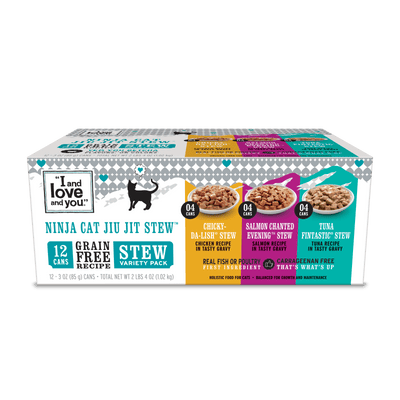
Imagine this: it's mealtime for your feline friend, and you've just opened a can of their favorite wet food. You serve it up, but your cat only nibbles a bit before wandering away.
Now you're left wondering, "How long can wet cat food sit out? " It's a question that every cat owner faces at some point, and the answer can impact your pet's health and happiness. Leaving wet food out for too long can lead to spoilage, attracting bacteria that could make your cat sick.
But there's more to it than just food safety. Understanding the right balance can ensure your cat enjoys their meal while you maintain peace of mind. You'll uncover the secrets to serving wet food safely, ensuring your cat's well-being and your own peace of mind. Dive in, and let's keep your furry friend healthy and satisfied!
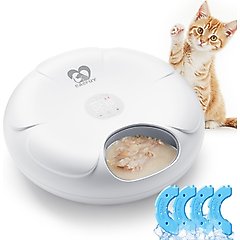
Credit: www.petmd.com
Wet Cat Food Basics
Understanding wet cat food is essential for every cat owner. This type of food offers many advantages for your feline friend. Knowing the basics helps you make informed decisions about your cat's diet.
Types Of Wet Cat Food
Wet cat food comes in different forms. You can find pâtés, chunks in gravy, and shredded pieces. Each type offers a unique texture and flavor. Pâtés have a smooth texture. Chunks in gravy provide a rich sauce. Shredded pieces resemble natural meat fibers.
Choosing the right type depends on your cat's preference. Some cats enjoy the rich taste of gravy. Others might prefer the smoothness of a pâté. Understanding your cat's likes helps in selecting the best option.
Nutritional Benefits
Wet cat food is rich in moisture. This helps keep your cat hydrated. Proper hydration supports kidney health and digestion. Wet food also tends to have higher protein levels. Protein is crucial for muscle development and energy.
It often contains fewer carbohydrates compared to dry food. This is beneficial for maintaining a healthy weight. Wet food supports dental health by reducing plaque. Offering a balanced diet ensures your cat stays healthy and active.
Safe Time Limits
Ensuring your cat's food is safe and fresh is essential for their health. Wet cat food, unlike its dry counterpart, is more prone to spoilage, requiring careful attention to how long it sits out. Understanding the safe time limits can prevent your feline from consuming spoiled food and experiencing health issues.
Room Temperature Exposure
Wet cat food can sit out at room temperature for up to two hours. Beyond this period, bacteria start to multiply, increasing the risk of spoilage. If your home tends to be warmer, consider reducing this timeframe. Always remember to dispose of any uneaten food after this time to ensure your cat's safety.
Factors Affecting Freshness
Several factors can affect how quickly wet cat food spoils. The ambient temperature is a significant player; warmer temperatures accelerate bacterial growth. Humidity also plays a role, potentially enhancing spoilage. Packaging is another factor—poorly sealed containers might allow air exposure, hastening deterioration.
Think about the environment in your home. Is it particularly warm or humid? You might need to adjust the safe time limits accordingly. Always check the packaging for any signs of damage before serving to your cat.
Have you noticed your cat being picky with food left out for too long? Cats are instinctively cautious about spoiled food, often refusing to eat it. By understanding these factors, you can ensure your pet’s food is fresh and inviting every meal.
Signs Of Spoiled Food
Wet cat food can spoil quickly if left out. Recognizing signs of spoiled food is crucial for your cat's health. Here, we'll explore how to identify spoiled wet cat food.
Visual Indicators
Check the color of the food. Spoiled food often changes color. Fresh wet cat food should have a consistent appearance. Look for mold or unusual spots. These are clear signs of spoilage.
Smell And Texture Changes
Fresh wet cat food has a mild scent. Spoiled food will smell bad. It might have a sour or rotten odor. Texture also changes. It may become slimy or mushy. These are clear signs of spoilage.
Health Risks Of Spoiled Food
Feeding your cat spoiled food poses serious health risks. Wet cat food, when left out too long, becomes a breeding ground for bacteria. Cats consuming this spoiled food may face severe health issues. Understanding these risks helps in keeping your feline friend safe and healthy.
Potential Illnesses
Bacteria such as Salmonella and Listeria can thrive in spoiled food. These bacteria cause foodborne illnesses in cats. Ingesting spoiled food may lead to vomiting, diarrhea, or worse. Your pet's immune system could be compromised, making recovery difficult.
Symptoms To Watch For
Be alert to changes in your cat's behavior or health. Watch for signs like vomiting, diarrhea, or lethargy. Loss of appetite or unusual drooling could also indicate a problem. If your cat shows any of these symptoms, consult a vet immediately. Early detection can prevent more serious health issues.
Proper Storage Techniques
Proper storage techniques for wet cat food are essential. Wet cat food should not sit out for more than two hours. Bacteria can quickly grow, making it unsafe for your pet. Always refrigerate unused portions promptly to maintain freshness and safety.
Proper storage techniques for wet cat food ensure your pet's health. Incorrect storage can lead to spoilage and bacteria growth. Understanding the best ways to store wet cat food keeps it fresh and safe.
Refrigeration Tips
Once opened, refrigerate wet cat food. This prevents spoilage and bacterial contamination. Keep opened cans sealed with a lid. This stops the food from drying out and absorbing other odors. Store the food in the refrigerator at a temperature of 40°F or below. This temperature prevents bacteria growth. Always check the expiration date before refrigerating.
Optimal Containers
Choose the right container for storing wet cat food. Airtight containers are best. They keep the food fresh and prevent spills. Use glass or BPA-free plastic containers. These materials do not affect food quality. Make sure containers are clean and dry before use. This prevents contamination and keeps the food safe for your cat. Label the containers with the date of storage. This helps track how long the food has been stored.
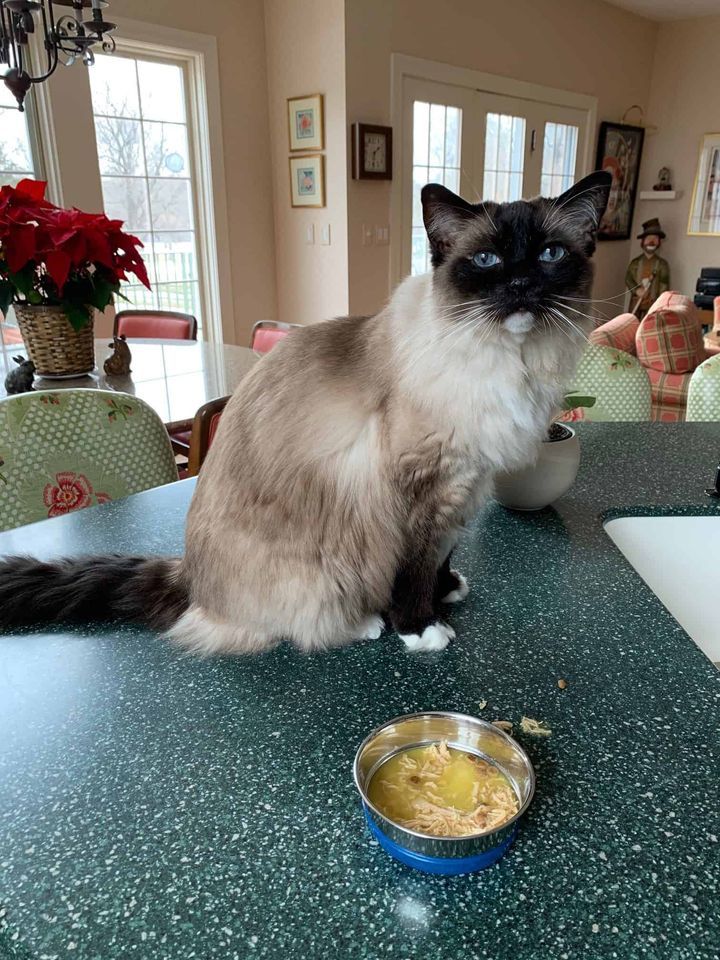
Credit: www.facebook.com
Feeding Practices
Understanding proper feeding practices ensures your cat stays healthy and happy. Wet cat food is a popular choice due to its moisture content and palatability. But, it's crucial to manage how long it sits out to prevent spoilage. Adopting the right practices not only keeps the food fresh but also maintains your cat’s well-being.
Portion Control
Portion control prevents food waste and keeps your cat's diet balanced. Serve the right amount of wet food for one meal. This reduces the chances of leftovers sitting out and spoiling. Use a measuring cup or scale for accuracy. Portion sizes can vary based on your cat's age, weight, and activity level. Regularly consult with your vet to adjust portions as needed.
Scheduled Feeding Times
Establishing scheduled feeding times helps in managing how long food stays out. Feed your cat at the same times each day. Consistent timing helps your cat develop a routine. Try setting two to three specific feeding times daily. Remove any uneaten food after 30 to 60 minutes. This practice keeps the food fresh and safe for consumption.
Alternatives To Wet Food
Wet cat food is a popular choice for many cat owners. But, it isn't always practical for every meal. If you are concerned about leaving wet food out too long, there are alternatives. These options can provide a balanced diet while ensuring freshness.
Dry Food Options
Dry cat food is a convenient alternative. It can sit out longer without spoiling. Many brands offer nutritionally complete formulas. They are designed to meet cats' dietary needs. Dry food also helps maintain dental health. Cats can nibble on kibble throughout the day. It is a practical choice for busy pet owners.
Homemade Recipes
Creating homemade cat food is another option. This gives you control over ingredients and freshness. You can tailor recipes to your cat's taste and health needs. Use fresh meat, vegetables, and grains. Ensure the recipes meet your cat's nutritional requirements. Consult a vet for guidance. Homemade meals can be a tasty and healthy alternative. They offer variety and quality that store-bought foods may lack.
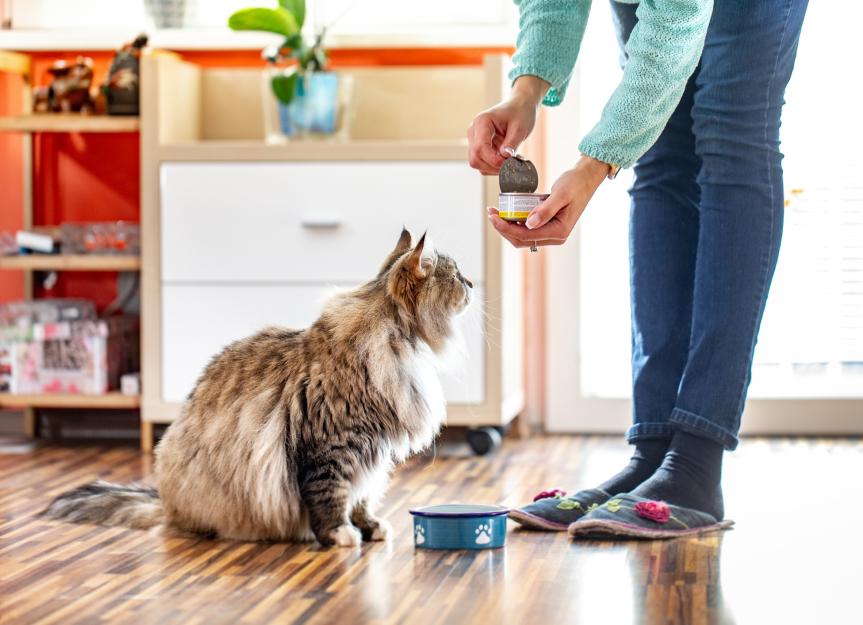
Credit: www.petmd.com
Frequently Asked Questions
How Long Can Wet Cat Food Sit Out Before It Goes Bad?
Wet cat food should not sit out for more than 2 hours. Bacteria can grow quickly, making it unsafe. Always discard leftovers to keep your cat healthy and happy. Store unused portions in the fridge and serve fresh meals to ensure your cat's safety and enjoyment.
Can I Give My Cat Wet Food If I Left It Open Over Night?
You shouldn't give your cat wet food left open overnight. Bacteria can grow, posing health risks. Always store wet food in the fridge if not consumed immediately. Use airtight containers to maintain freshness. Prioritize your cat's health by providing fresh, safe food.
What Is The 25 Rule For Cat Food?
The 25% rule for cat food means the named ingredient must comprise at least 25% of the product. This applies to phrases like "Chicken Dinner" or "Beef Feast," ensuring the mentioned ingredient is a significant part of the cat food's formula.
How To Save Half A Can Of Wet Cat Food?
Seal the can tightly using a lid or plastic wrap. Store it in the refrigerator. Use it within 3 days to ensure freshness and prevent spoilage. Keeping it in a cool, dark place helps maintain its quality. Remember to warm it slightly before serving to enhance flavor.
Conclusion
Wet cat food needs careful handling. Leave it out too long, it spoils. Cats can get sick from spoiled food. Always check the time before serving. Two hours is a safe limit. After that, store leftovers in the fridge. This keeps food fresh and your cat healthy.
Feeding time should be stress-free. Proper storage helps. Keep an eye on the clock. It's important for your pet's health. Happy cats, happy homes. Simple steps make a big difference. Your furry friend depends on you. Make feeding safe and easy every day.