
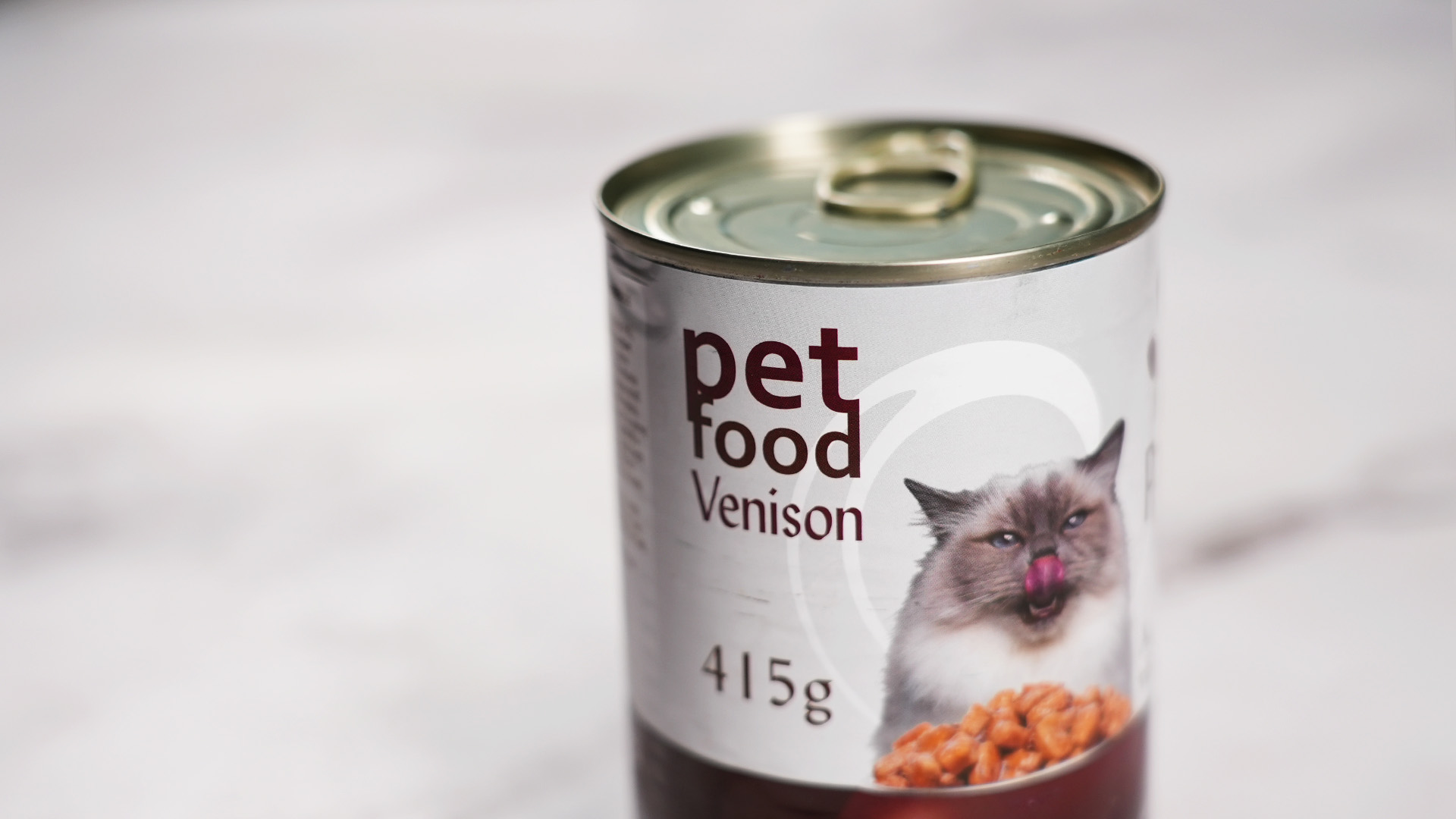
You care about your cat's health and happiness, and choosing the right food is a big part of that. You've probably wondered, "Does wet cat food need to be refrigerated?"
It's a common question and an important one. You want to make sure your furry friend gets fresh, safe meals every time. Improper storage can lead to spoilage, affecting the taste and nutritional value of your cat's food. Imagine opening a can of wet cat food only to find it's gone bad.
Not only is it a waste of money, but it also means feeding your cat something that could make them sick. By understanding whether refrigeration is necessary, you can avoid these problems altogether. You'll discover the right way to store wet cat food, ensuring your cat always eats the freshest meals possible. Keep reading to learn how a simple storage habit can make a big difference in your cat's diet and overall well-being.

Credit: www.wikihow.com
Wet Cat Food Basics
Wet cat food is a popular choice among cat owners for its high moisture content and palatability. Understanding the basics of wet cat food can help you make informed decisions about your feline friend’s diet. Let's dive into the different types and what goes into them nutritionally.
Types Of Wet Cat Food
Wet cat food comes in various forms, including pouches, cans, and trays. Each type offers convenience and different storage options. Whether you prefer the ease of opening a pouch or the long shelf life of a can, there's something to suit every lifestyle.
Some cat owners swear by the portion-controlled trays, which are great for ensuring your cat doesn’t overeat. Others appreciate the resealable pouches that keep leftovers fresh longer. What type does your cat prefer?
Ingredients And Nutritional Value
Quality wet cat food typically includes proteins like chicken, beef, or fish as the primary ingredient. These proteins are crucial for maintaining your cat's muscle mass and overall health. Look for options with real meat listed first on the ingredient list.
Many wet cat foods also contain essential vitamins and minerals, such as taurine, which is vital for heart and eye health. Additionally, the high water content helps keep your cat hydrated, which is especially beneficial if your cat doesn’t drink much water.
Reading the label can provide insights into what you're feeding your cat. Are you ensuring they get the nutrients they need for a healthy life?
Storage Guidelines
Wet cat food should be refrigerated after opening to maintain freshness. Unused portions can spoil if left out. Store it in an airtight container to keep it safe for your pet.
Storing wet cat food properly is crucial for maintaining its freshness and nutritional value. Understanding the right storage methods can help you ensure your feline friend enjoys safe and tasty meals. Let's delve into the guidelines for storing wet cat food effectively.
Before Opening The Can
Before you pop open that can of cat food, it's important to keep it in a cool, dry place. A pantry or cupboard works perfectly. Avoid areas exposed to direct sunlight, as this can alter the food's taste and quality. Have you ever noticed cans with bulging lids? This could indicate spoilage, often caused by poor storage conditions. Always check for signs of damage before serving your cat. Ensure the can is tightly sealed. Unopened cans don't require refrigeration, but maintaining a stable temperature helps preserve the food's texture and flavor.
After Opening The Can
Once you've opened the can, it's a different story. Refrigeration becomes essential to prevent spoilage. Transfer any uneaten food to an airtight container or cover the can with a lid or plastic wrap. Wondering how long the opened food stays fresh? Typically, it remains good in the fridge for up to 3 days. If your cat doesn't finish it by then, consider discarding it to avoid potential health risks. Always serve refrigerated food at room temperature. Cats often dislike cold food, so let it sit for a few minutes or warm it slightly to entice your pet's appetite.
Refrigeration Necessity
Have you ever wondered whether wet cat food needs to be refrigerated after opening? It’s a common concern among cat owners who want to ensure their feline friends enjoy fresh and healthy meals. Let's delve into why refrigeration might be necessary for wet cat food, and how it can affect the shelf life and quality of your pet's meals.
Shelf Life Considerations
Wet cat food typically comes in cans or pouches, which help preserve its freshness until opened. Once opened, however, the clock starts ticking on how long you can safely offer it to your cat. Without refrigeration, the food can spoil quickly, sometimes within hours. Refrigeration extends its usability, ensuring your cat enjoys fresh meals without the risk of harmful bacteria. Consider how often you open a can only to find leftovers. Keeping those extras cool can make a big difference in maintaining their quality.
Impact On Food Quality
Beyond just keeping the food safe, refrigeration can also help maintain its flavor and texture. Ever noticed how food loses its appeal when it's left out? Your cat feels the same. Refrigerated wet cat food retains moisture and taste, making it more appetizing. As a pet owner, you want to provide meals that not only nourish but also delight your furry friend. Have you ever had a moment when your cat turns up its nose at its dinner? It might be time to rethink how you're storing their food.
Signs Of Spoilage
Recognizing signs of spoilage in wet cat food is essential for pet safety. Spoiled food can cause health issues for your cat. It's crucial to know what to look for. Below are some key indicators that wet cat food may have gone bad.
Visual Indicators
Check for changes in color or texture. Fresh wet cat food should have a consistent appearance. Spoiled food might look dull or have unusual discoloration. Mold is a clear sign the food is no longer safe. If you see fuzzy spots or strange growth, discard the food immediately. Keep an eye out for separation of liquids. This can suggest the food's quality has deteriorated.
Odor Changes
Fresh wet cat food has a mild, pleasant smell. Spoiled food often gives off a pungent odor. If the food smells sour or rancid, it’s best not to feed it to your cat. Sometimes the smell may be faint but still off. Trust your instincts if something smells wrong. Always prioritize your cat’s health over saving food.
Safe Serving Practices
Wet cat food needs refrigeration after opening to keep it fresh. Proper storage prevents spoilage and maintains quality. Always cover and refrigerate unused portions.
Safe serving practices for wet cat food ensure your feline friend stays healthy and happy. Understanding how to store and serve this type of food not only preserves its nutritional value but also prevents any potential health risks. Let's dive into some essential tips that can make mealtime safe and enjoyable for your cat.
Serving Temperature
Cats are often particular about the temperature of their food. Cold food straight from the fridge might not appeal to your cat's taste buds. Allow wet cat food to reach room temperature before serving. Simply leave it out for about 15 minutes before mealtime. This small effort can make a significant difference in your cat's appetite and enjoyment.
Portion Control
Overfeeding can lead to obesity and related health issues in cats. It's crucial to serve the right portion size based on your cat’s age, weight, and activity level. Consult with your vet for specific recommendations. Always measure the food accurately, and store any leftovers in the fridge promptly to maintain freshness. Implementing these practices ensures your cat gets the nutrition they need without any unnecessary risks. Are you following these steps, or is there room for improvement in your cat's feeding routine?

Credit: www.wikihow.com
Alternatives To Refrigeration
Keeping wet cat food fresh without a refrigerator can be a challenge. Luckily, there are simple alternatives to keep your cat’s meals safe. These methods help preserve the food’s quality and taste.
Storage Containers
Airtight containers are a great option for storing wet cat food. They prevent air from spoiling the food and keep moisture out. Choose containers that fit the portion size for your cat’s meal. Glass or BPA-free plastic containers work best. Ensure the lid seals tightly to block bacteria and pests.
Freezing Wet Cat Food
Freezing is another effective way to store wet cat food. Portion the food into small servings before freezing. Use freezer-safe bags or containers to prevent freezer burn. Label the containers with the date before storing. Thaw the food in the refrigerator overnight before serving. This method keeps the food fresh and safe for your cat.
Benefits Of Proper Storage
Proper storage of wet cat food ensures freshness and prevents spoilage. Refrigerating opened cans keeps food safe and nutritious. This practice also helps maintain flavor and quality, ensuring your cat enjoys its meal.
Proper storage of wet cat food is essential for maintaining its quality. It ensures that your cat receives the best nutrition, minimizes health risks, and keeps the food fresh for longer.
Maintaining Nutritional Value
Refrigerating wet cat food helps preserve its nutrients. It prevents the breakdown of essential vitamins and minerals. Cats need these nutrients to stay healthy and active. Cold storage stops the growth of bacteria and mold. This means the food retains its original quality. Your cat gets the full benefit of every meal.
Preventing Health Risks
Proper storage reduces health risks for your pet. Spoiled food can cause stomach issues and infections. Refrigerating wet cat food prevents spoilage. It keeps harmful bacteria from multiplying. This ensures your cat eats safe and healthy food. Always check the food's freshness before serving.

Credit: www.wikihow.com
Frequently Asked Questions
How Long Can Wet Cat Food Stay Unrefrigerated?
Wet cat food should not stay unrefrigerated for more than 2 hours. Bacteria grow rapidly at room temperature. Always refrigerate leftovers promptly to ensure freshness and safety. Proper storage prevents spoilage and keeps your cat healthy. Check the packaging for specific guidelines.
Should You Refrigerate Wet Cat Food After Opening?
Yes, refrigerate wet cat food after opening to maintain freshness. Store in an airtight container for up to 3 days.
Can I Give My Cat Wet Food If I Left It Open Over Night?
No, it's unsafe to give your cat wet food left open overnight. Bacteria can grow, causing potential health risks. Always store wet food in the fridge and serve it fresh to ensure safety. Discard any food left out for more than two hours to keep your cat healthy.
Does Wet Cat Food Need To Be Cold?
Wet cat food doesn't need to be cold. Store it in a cool, dry place before opening. Refrigerate leftovers to preserve freshness. Cats may prefer room temperature food for better taste and aroma. Always check packaging for specific storage instructions to ensure optimal quality.
Conclusion
Proper storage of wet cat food is crucial. Refrigerate opened cans to keep food fresh. This prevents spoilage and ensures your cat's health. Unopened cans can stay at room temperature. Always check for spoilage signs before serving. A clean container is important for storage.
Refrigeration slows bacteria growth. Your cat deserves safe, delicious meals. Proper handling of wet food is key. Remember, fresh food means a happy cat. Keep meals safe, tasty, and nutritious. Your furry friend depends on you for quality care. Make informed choices for their well-being.
Happy cats, happy homes.