
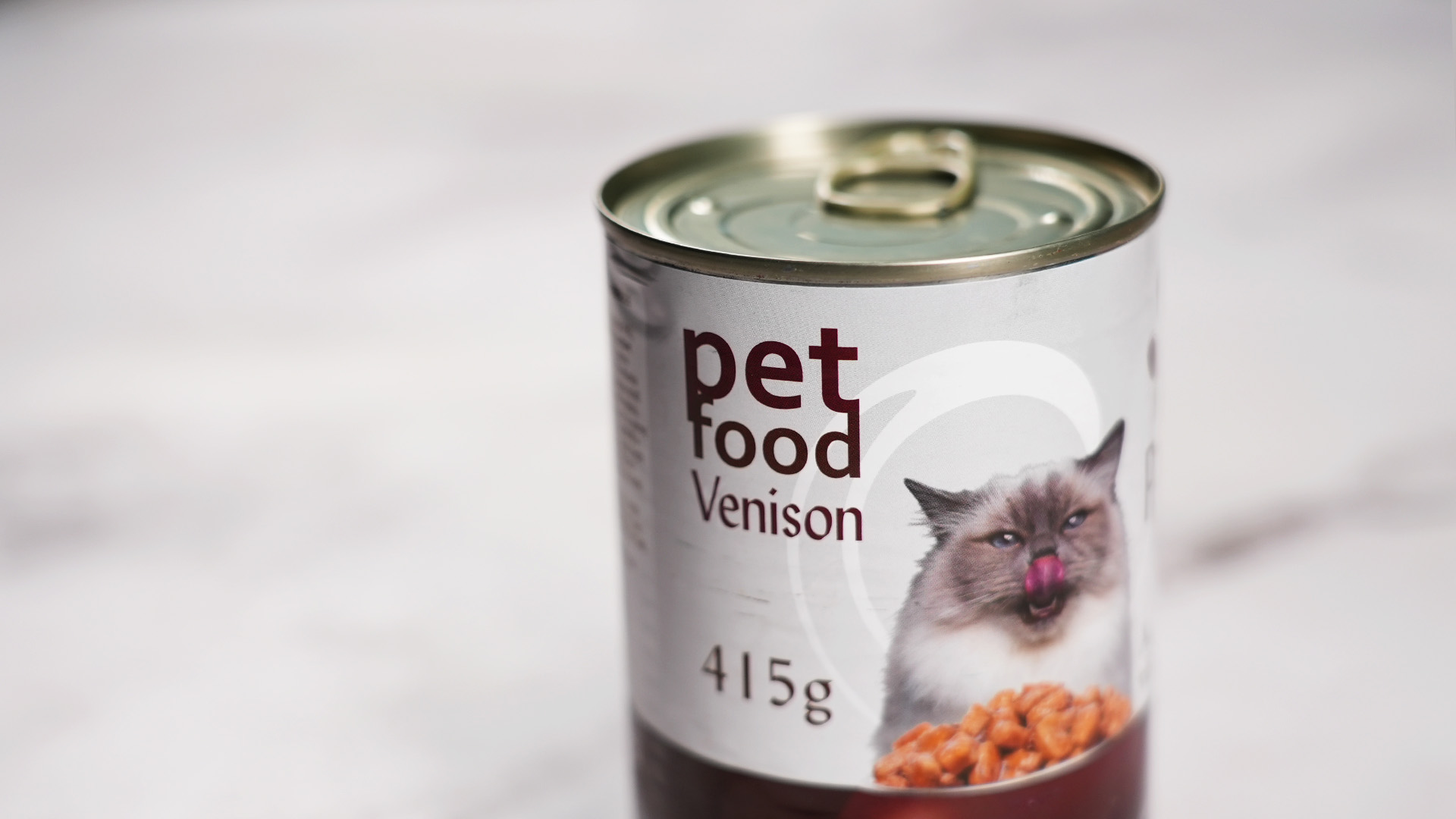
Are you wondering what to do with that half-eaten can of wet cat food sitting on your kitchen counter? You're not alone.
Many pet owners find themselves questioning the best way to store open wet cat food to keep it fresh and safe for their feline friends. Do you simply leave it out, or should it be refrigerated? Getting the answer right could mean the difference between a happy cat and a potential health hazard.
We'll delve into why proper storage is crucial, uncover the common mistakes you might be making, and give you the simple, actionable steps to ensure your cat enjoys their meals safely. Keep reading to find out how you can make the best choice for your furry companion's diet and well-being.
Importance Of Proper Storage
Proper storage is vital for open wet cat food to prevent spoilage. Refrigerating it maintains freshness and safety, reducing the risk of bacterial growth.
Proper storage of open wet cat food is essential for maintaining its freshness and ensuring your feline friend gets the best nutrition. Many pet owners might overlook the significance of storing cat food correctly, but doing so can prevent health issues and food wastage. Have you ever noticed your cat turning its nose up at food left out too long? Understanding the importance of proper storage can help avoid such scenarios.
Why Refrigeration Matters
Refrigerating open wet cat food helps preserve its taste and nutritional value. Once opened, the food is exposed to air, which can lead to spoilage and bacterial growth. Keeping it in the fridge slows down this process, ensuring your cat enjoys a fresh meal every time. You should look out for signs that indicate your cat food has gone bad. A sour smell, discoloration, or mold are clear indicators. If your cat suddenly refuses to eat, it might be due to spoiled food, so always check before serving.
Best Practices For Storing Open Cat Food
To store wet cat food properly, transfer any leftovers into an airtight container. This minimizes exposure to air and keeps the food safe. Always label the container with the date it was opened to keep track of its freshness.
How Long Can You Store It?
Once opened, wet cat food should ideally be consumed within 3-5 days. Always keep it refrigerated during this period. If you find yourself with leftovers beyond this window, it’s best to discard them to ensure your cat’s health.
Impact On Your Cat’s Health
Feeding your cat spoiled food can lead to digestive issues, including vomiting or diarrhea. Proper storage helps prevent these problems, ensuring your pet remains healthy and happy. Isn’t your cat’s wellbeing worth a little extra effort?
Practical Tips For Busy Pet Owners
If you find it challenging to keep track of your cat food storage, consider setting reminders. Use your smartphone to alert you when it’s time to check the food. This small step can make a big difference in managing your pet’s diet efficiently. By paying attention to how you store your cat’s food, you can keep your furry friend healthy and satisfied. Embrace these simple practices to make mealtime a safe and enjoyable experience for your pet.

Credit: www.wikihow.com
Effects Of Leaving Cat Food Unrefrigerated
Open wet cat food can spoil quickly if left unrefrigerated. Bacteria grow fast, causing unpleasant odors and potential health risks. Refrigerating open cans keeps the food fresh and safe for your cat.
Leaving cat food out at room temperature may seem convenient, but it can have serious effects on your feline friend's health. Understanding these impacts can help you make better decisions about how to store your pet's meals.
Bacterial Growth Concerns
When cat food is left unsealed and unrefrigerated, it becomes a breeding ground for bacteria. These microorganisms multiply rapidly in warm conditions, which can lead to contamination. This bacterial growth not only spoils the food but poses health risks to your cat, potentially causing gastrointestinal issues. Would you want to risk your pet's health for the sake of convenience?
Nutritional Degradation
Another crucial factor to consider is the nutritional value of the food. The essential vitamins and minerals in cat food can degrade when exposed to air and heat. Over time, this degradation means that your pet might not get the nutrients they need for optimal health. Imagine feeding your cat a meal that provides little to no nutritional benefit—it's an unnecessary compromise. Keeping the food refrigerated helps preserve its quality, ensuring your cat remains healthy and happy. By taking these steps, you can ensure your cat enjoys meals that are both safe and nutritious. Isn't that worth a little extra effort?
Signs Of Spoiled Cat Food
Open wet cat food can spoil quickly if not refrigerated. A sour smell or mold indicates it's gone bad. Always store opened cans in the fridge to keep your feline's meal fresh and safe.
Ensuring your cat's food is fresh is crucial for their health. Spoiled cat food can lead to digestive issues or worse. But how can you tell if the food has gone bad? Understanding the signs of spoiled cat food is essential. It might even save a trip to the vet.
Visual Indicators
Check for any discoloration or mold growth. Fresh cat food should maintain its original color. If you notice any unusual spots, it's time to discard it. Look for changes in texture as well. Wet food should be smooth and consistent, not dried out or crumbly. If it appears different, it may be spoiled.
Odor Changes
Trust your nose. Spoiled cat food often has a strong, unpleasant odor. It might smell sour or rotten, a clear sign that it's no longer safe for your cat. Even if the food looks okay, a bad smell is a red flag. Would you eat something that smelled off? Your cat deserves the same care. Pay attention to how your cat reacts to the food. If they refuse to eat it, there might be something wrong. Cats have a keen sense of smell and may detect spoilage before you do. Being vigilant about these signs ensures your cat stays healthy. Have you ever noticed these changes in your cat's food? Taking action can prevent potential health issues.

Credit: www.wikihow.com
Best Practices For Storing Wet Cat Food
Ensuring your cat's wet food stays fresh and safe is crucial for their health. Proper storage practices can prevent spoilage and maintain the nutritional value of the food. Understanding the best practices for storing wet cat food can make a significant difference in your pet’s diet and wellbeing. Whether it's figuring out refrigeration guidelines or selecting the right storage containers, these practices can help you provide the best care for your feline friend.
Refrigeration Guidelines
Once opened, wet cat food should be refrigerated to maintain its freshness and prevent bacterial growth. It’s advisable to store it in the fridge at a temperature below 40°F (4°C). This ensures the food remains safe for your cat to consume.
A good rule of thumb is to use the opened food within 5-7 days. If you're unsure if the food is still good, check for any off smells or changes in texture. These are signs that the food might have gone bad.
Optimal Storage Containers
Investing in airtight containers can be a game-changer for storing wet cat food. They help preserve the food's moisture and prevent odors from permeating your fridge.
Consider using small glass or BPA-free plastic containers. These are not only safe for your cat but also easy to clean. Avoid using the original can for storage as it might impart a metallic taste to the food.
Do you find yourself forgetting how long that opened can has been sitting in the fridge? Label the container with the opening date to keep track. This simple step can ensure your cat always gets the freshest meal possible.
Alternatives To Refrigeration
Storing open wet cat food without refrigeration is possible with some creativity. These alternatives can keep your pet's food fresh and safe. Let's explore practical solutions that don't require a fridge.
Room Temperature Solutions
Keeping cat food at room temperature is manageable. Use airtight containers to limit air exposure. This helps prevent spoilage and keeps the food fresh. Choose a cool, dark spot away from sunlight and heat. Direct sunlight can cause food to spoil faster.
Consider placing the container in a shaded cupboard. Ensure the cupboard stays cool. Avoid areas near stoves or ovens. Heat can accelerate spoilage, risking your cat's health.
Short-term Storage Tips
Short-term storage is perfect for quick meals. Use food covers to protect the open can. This keeps bugs and dust away. Aluminum foil or plastic wrap works well. Seal the food tightly for best results.
Label the container with the date you opened it. This helps track freshness. Discard any uneaten food after 24 hours. Freshness is crucial for your cat's health. Always ensure food smells and looks normal before serving.

Credit: www.wikihow.com
Feeding Recommendations
Feeding cats wet food involves smart handling for their health. Proper storage and portioning ensure cats enjoy fresh meals. This section explores effective feeding recommendations.
Portion Control
Measuring food prevents overeating. Cats need balanced meals. Follow guidelines on the packaging for serving sizes. Adjust portions based on your cat's age, weight, and activity. Small servings reduce leftovers and spoilage. Use a measuring cup for accuracy. Watch your cat's weight to maintain health.
Avoiding Waste
Store opened cans in the fridge. Use within a few days. Cover the can or transfer food to a sealed container. This keeps it fresh longer. Serve only what your cat will eat in one sitting. Avoid letting wet food sit out for long. Discard uneaten food after two hours. This prevents bacteria growth. Always provide fresh food for each meal.
Frequently Asked Questions
How Long Can Wet Cat Food Stay Out Of The Fridge?
Wet cat food should not stay out for more than 2 hours. Bacteria can grow quickly, making it unsafe. Always store uneaten portions in the fridge to maintain freshness and prevent spoilage.
How To Store Wet Cat Food After Opening?
Store wet cat food in an airtight container. Refrigerate immediately after opening to maintain freshness. Consume within 3-5 days. Use a spoon to transfer the food to avoid contamination. Always check for spoilage before serving.
How To Save Half A Can Of Wet Cat Food?
Store half a can of wet cat food in an airtight container. Refrigerate it immediately to maintain freshness. Use within 48 hours to ensure quality. Always check for any unusual odor or color before serving. Proper storage prevents spoilage and keeps your cat's meal safe and tasty.
Can I Give My Cat Wet Food If I Left It Open Over Night?
No, don't feed your cat wet food left open overnight. It spoils quickly and can harm your cat's health. Always store wet food in the fridge after opening and discard any leftovers not consumed within 24 hours to ensure your cat's safety.
Conclusion
Keeping wet cat food fresh is crucial for your cat's health. Open cans need refrigeration to prevent spoilage. Cold storage keeps bacteria away and maintains taste. Cats deserve the best, so it's vital to store food properly. Refrigerating helps retain nutrients.
Your furry friend will enjoy fresh meals every day. Check the label for storage tips. Always cover the open can tightly. This practice saves you money and protects your pet. Proper storage means less waste and happier cats. It's a small step that makes a big difference.
Keep your cat safe and healthy with fresh food.