
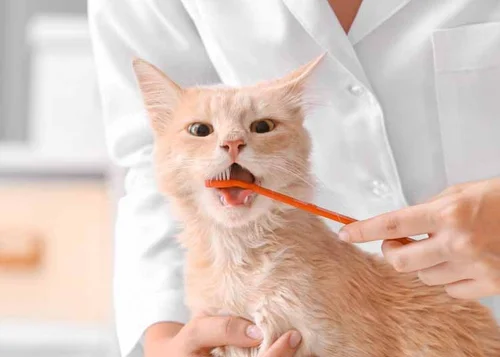
Imagine the purr of your contented cat, curled up in your lap, eyes slowly closing. You love them like family, and you want to ensure their health is top-notch.
But there's one question gnawing at your mind: "Do I have to brush my cat's teeth? " You're not alone in wondering if this task is necessary or even possible. The truth about feline dental care is often overlooked, yet it's crucial for your cat's overall well-being.
Whether you're a seasoned cat owner or new to the world of whiskers, understanding how dental care impacts your cat's life can transform their health and happiness. Let's unravel the mystery behind feline oral hygiene and discover how you can enhance your beloved pet's life with a simple brush.
:strip_icc()/brush-your-cats-teeth-4778262-hero-9b2c8ee454904454a195642ceaa5454e.jpg)
Credit: www.thesprucepets.com
Importance Of Cat Dental Health
Caring for your cat's dental health is crucial. Healthy teeth and gums ensure your cat's overall well-being. Ignoring dental care can lead to painful problems. It can also affect their eating habits and mood. By understanding the importance of dental health, you can prevent serious issues.
Why Cat Dental Health Matters
Dental health impacts your cat's life significantly. Healthy teeth allow them to eat comfortably. It prevents gum disease which can be painful. Dental issues can lead to infections. These infections can spread to vital organs. So, maintaining dental health is essential for their happiness and longevity.
Common Dental Problems In Cats
Cats can suffer from various dental issues. One common problem is plaque buildup. Plaque can harden into tartar. Tartar leads to gum disease and tooth decay. Cats may also face tooth resorption. This condition causes pain and tooth loss. Early detection of these problems helps prevent severe health issues.
Signs Your Cat Needs Dental Care
Watch for signs indicating dental trouble. Bad breath is a common indicator. Difficulty eating can signal dental pain. Drooling or bleeding gums should not be ignored. Reluctance to eat dry food is another sign. Regular check-ups help catch these signs early.
Preventive Measures For Cat Dental Health
Start with regular dental check-ups. A vet can identify early problems. Brushing your cat's teeth helps reduce plaque. Use cat-specific toothpaste for safety. Dental treats and toys can also aid in cleaning. These simple measures ensure a healthier mouth.
Benefits Of Regular Dental Care
Regular dental care offers numerous benefits. It improves your cat's quality of life. It reduces the risk of dental diseases. Healthy teeth and gums mean less pain and discomfort. Proper dental care leads to a happier and more active cat. Investing time in dental care pays off with a healthier pet.
Credit: weareallaboutcats.com
Signs Of Dental Problems
Cats can suffer from dental problems, just like humans. Swollen gums, bad breath, or difficulty eating may signal issues. Regular brushing can help maintain oral health and prevent these signs.
Understanding the signs of dental problems in your cat is crucial to ensuring they lead a healthy and happy life. Cats, much like humans, can suffer from a variety of dental issues that might be difficult to notice without close observation. Ignoring these signs can lead to serious health complications. But how can you tell if your feline friend is experiencing dental distress?
Unpleasant Breath
If your cat's breath is more potent than usual, it could be a sign of dental disease. While some odor is normal, a strong, foul smell might indicate the presence of bacteria or infection. Pay attention to whether this is a persistent issue.
Difficulty Eating
Notice if your cat is struggling with their food or showing reluctance to eat. Cats with dental problems may drop food from their mouth or eat on one side. This behavior suggests discomfort or pain when chewing.
Excessive Drooling
Excess drooling can be a sign that something is wrong inside your cat’s mouth. If you find your cat drooling more than usual, it might be time to check for dental issues like gum disease or oral lesions.
Visible Tartar Build-up
Check your cat’s teeth for visible signs of tartar. Tartar is a hard deposit that can lead to gingivitis and other dental issues if not addressed. Regularly inspect your cat’s teeth to catch this early.
Swollen Or Bleeding Gums
Swollen or bleeding gums are clear indicators of dental problems. Examine your cat’s mouth for redness or bleeding, especially after eating. These symptoms are often a sign of periodontal disease.
Behavior Changes
Cats with dental issues may exhibit changes in behavior. They might become more withdrawn or irritable. If your usually affectionate feline seems to be avoiding interaction, consider checking their dental health. Being proactive about your cat's dental care can prevent these issues from escalating. Regular checks and understanding these signs can make all the difference in your pet’s quality of life. Are you ready to take a closer look at your cat’s oral health?
Benefits Of Brushing
Brushing your cat's teeth helps prevent dental disease and keeps their gums healthy. Reducing plaque and tartar buildup can improve your cat's breath and overall oral health. Regular brushing supports your cat's comfort and longevity by minimizing the risk of painful dental issues.
Brushing your cat's teeth may seem unusual, yet it offers many benefits. It helps maintain oral health, preventing costly dental issues. Regular brushing removes plaque and reduces tartar buildup. This keeps your cat's gums healthy and teeth strong. Healthy teeth mean a happy cat.
Improves Oral Health
Brushing reduces plaque, which can lead to gum disease. It keeps your cat's breath fresh and pleasant. It also helps in detecting early dental problems.
Prevents Dental Diseases
Regular brushing can prevent common dental issues. It stops tartar buildup, which can lead to tooth decay. It also reduces the risk of infections in the mouth.
Enhances Overall Well-being
Healthy teeth contribute to your cat's overall health. A clean mouth means fewer bacteria. This reduces the risk of infections spreading.
Reduces Bad Breath
Brushing helps keep your cat's mouth odor-free. It removes food particles that cause bad breath. Your cat feels more comfortable and confident.
Minimizes Veterinary Costs
By maintaining oral hygiene, you can avoid expensive dental treatments. Regular brushing can save you money on vet bills. It ensures your cat's teeth remain healthy and strong.
How Often To Brush
Brushing your cat's teeth is important for their dental health. Aim to brush at least two to three times a week. This routine helps prevent plaque buildup and keeps their gums healthy.
Brushing your cat's teeth might seem like a daunting task, but keeping up with this routine is crucial for their dental health. You might wonder how often you should brush your cat's teeth. The answer depends on several factors, including your cat's diet, age, and current dental health. While it may not be feasible for every pet owner, daily brushing is ideal for most cats. However, even brushing a few times a week can make a significant difference.
Assessing Your Cat's Dental Needs
Every cat is unique, and so are their dental needs. A young cat with healthy gums might not require brushing as frequently as an older cat prone to dental issues. Pay attention to any signs of discomfort or bad breath. These can be indicators that more frequent brushing is needed.
Creating A Brushing Schedule
Start by getting your cat used to the idea of brushing. Begin with short sessions and gradually increase the time as they become more comfortable. Aim for a few times a week to start. Once your cat is used to it, try to establish a regular routine. Consistency is key to maintaining your cat’s oral health.
Tools And Techniques
Use a toothbrush designed specifically for cats. These brushes are softer and smaller, making them more comfortable for your feline friend. Pair it with cat-friendly toothpaste; human toothpaste can be harmful to cats. Consider using dental wipes if your cat resists a toothbrush. They're a good alternative to maintain hygiene.
Monitoring Progress
Keep an eye on your cat's dental health over time. Check for signs of improvement or any new issues. Regular dental check-ups with your vet can provide additional insights. They can help adjust your brushing routine based on your cat's needs.
When To Seek Professional Help
If brushing becomes a struggle, or if you notice persistent dental problems, it's time to consult your vet. They may suggest professional cleanings or other treatments. Dental health is crucial to your cat's overall well-being, so don’t hesitate to seek help when needed. Incorporating tooth brushing into your cat's routine can seem overwhelming at first, but it doesn't have to be. Consider it a bonding opportunity with your pet. Have you tried brushing your cat's teeth yet? What challenges have you faced? Share your experiences and tips to help other cat owners in the comments below!
Choosing The Right Tools
Caring for your cat's teeth is vital for their health. Choosing the right tools makes this task easier. The right toothbrush and toothpaste can make a big difference. This section will guide you on selecting these essential tools.
Toothbrush Options
Not all toothbrushes suit cats. Look for small, soft-bristled brushes. Finger brushes are a popular choice. They fit over your finger for better control. Some cat owners use baby toothbrushes. They are small and gentle enough for cats. Consider trying different types to see which your cat prefers.
Cat-friendly Toothpaste
Cats need toothpaste made for them. Human toothpaste can be harmful. Look for toothpaste with cat-friendly flavors. Options include chicken, fish, or malt. These flavors make brushing more enjoyable for your cat. Ensure the toothpaste is enzyme-based. Enzymes help break down plaque effectively. Check for veterinary recommendations on the packaging. This ensures safety and effectiveness for your feline friend.
Step-by-step Brushing Guide
Wondering if you need to brush your cat's teeth? Regular brushing helps prevent dental problems. Follow a simple step-by-step guide to keep your cat's teeth clean and healthy, ensuring their overall well-being.
Brushing your cat's teeth might seem like a daunting task, but it’s a vital part of their health care routine. With the right approach, you can make the experience stress-free for both you and your feline friend. Here’s a straightforward guide to help you master the art of cat tooth brushing.
Preparation
Begin by gathering the necessary supplies. You'll need a cat-specific toothbrush and toothpaste. Avoid human toothpaste, as it contains fluoride which can be harmful to cats. Introduce your cat to the toothbrush and toothpaste slowly. Let them sniff and taste the toothpaste. This helps them become familiar with the new items, reducing anxiety. Choose a quiet, comfortable space where your cat feels at ease. This could be their favorite lounging spot or a calm corner of your home. Consistency in location can make the process smoother over time.
Brushing Technique
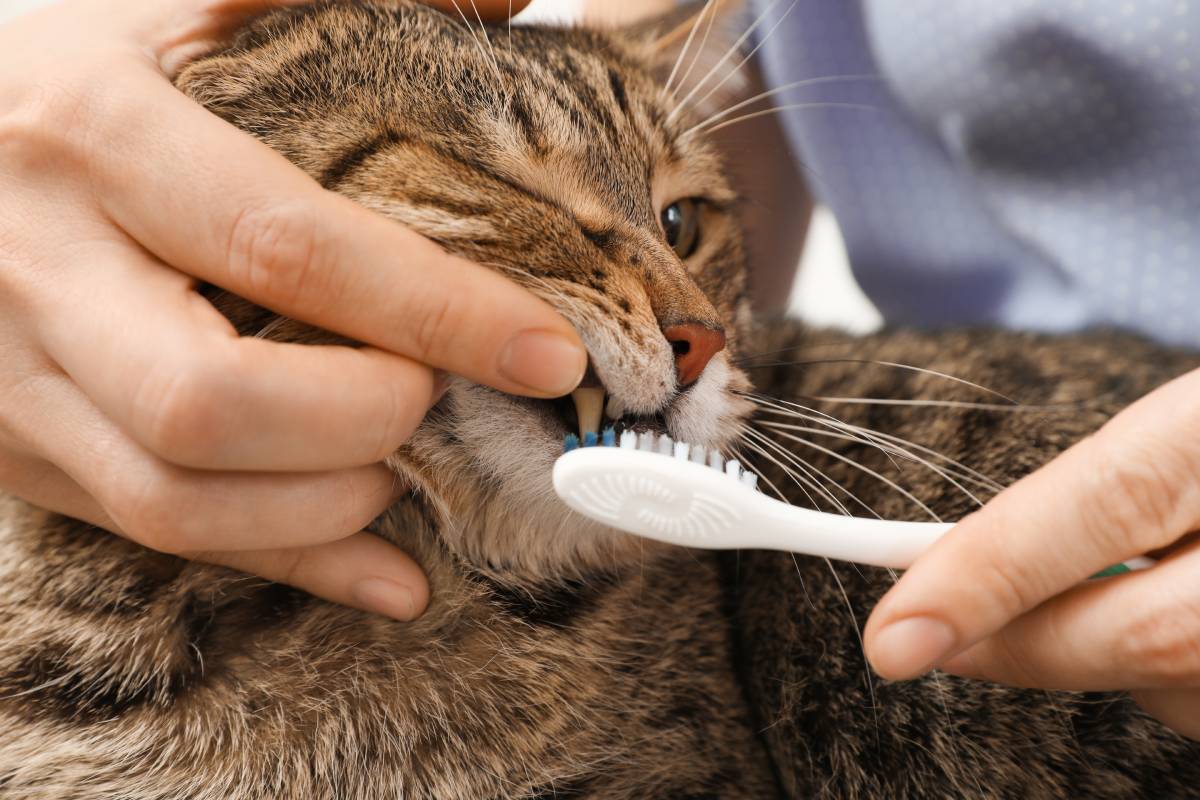
Start with gentle strokes to accustom your cat to the sensation. Hold the brush at a 45-degree angle to the teeth. Focus on the outer surfaces where plaque tends to accumulate. Use short, gentle motions, covering a few teeth at a time. If your cat resists, try brushing just one or two teeth initially and gradually increase the number as they become more comfortable. Reward your cat with praise or a small treat after brushing a few teeth. This positive reinforcement can make future brushing sessions more cooperative.
Post-brushing Care
After brushing, offer your cat a drink of water. This helps rinse away any residual toothpaste and keeps their mouth clean. Check your cat's gums and teeth regularly for signs of redness, swelling, or tartar buildup. Early detection of dental issues can prevent more serious health problems. Maintain a consistent brushing routine. Aim for daily brushing, but even a few times a week can significantly improve your cat's dental health. Consistency is key to making it a habit both you and your cat can live with. Do you brush your cat's teeth regularly, or is it still on your to-do list? Remember, a few minutes of brushing can lead to a lifetime of healthy purrs!
Alternatives To Brushing
Maintaining your cat's dental health can be a challenge. Not every cat is comfortable with brushing. Luckily, there are alternatives to brushing that can keep your cat's teeth healthy. These methods are less stressful and still effective. Explore dental treats, special diets, and professional cleanings to ensure your feline friend's oral health.
Dental Treats
Dental treats are a simple way to support your cat's oral health. These treats are designed to reduce plaque and tartar. They come in various flavors that cats enjoy. Chewing these treats can help clean your cat's teeth. Look for treats approved by veterinarians for best results.
Special Diets
Special diets can also aid in maintaining dental health. Some cat foods are formulated to reduce plaque. These diets contain larger kibble that encourages chewing. The texture helps scrub your cat's teeth while they eat. Always consult your vet before changing your cat's diet.
Professional Cleanings
Professional cleanings are a thorough option for dental care. A vet can clean your cat's teeth under anesthesia. This process removes built-up tartar and checks for dental issues. It's a good idea to schedule regular cleanings. Your vet will advise how often your cat needs this service.
Addressing Common Challenges
Brushing your cat's teeth can be challenging. Cats are known for their independent nature and might resist. Addressing these challenges is essential for their dental health. With patience and the right approach, you can make it easier. Let's explore how to deal with common challenges.
Dealing With Resistance
Cats often resist dental care. They may not like being restrained. Start by getting them comfortable. Use gentle handling techniques. Speak softly to reassure them. Introduce the toothbrush gradually. Let them sniff and explore it first. This builds familiarity and reduces fear.
Choose a quiet time for brushing. Avoid stressful situations. Calm your cat beforehand. You can use treats to reward cooperation. This encourages positive behavior. Remember, patience is key. If your cat resists, don't force it. Try again later.
Training Tips
Training your cat takes time. Start with short sessions. Just a few minutes at first. Gradually increase the duration. Use a cat-friendly toothpaste. Its flavor might attract your cat. Let them taste it before brushing. This can make them more willing.
Develop a routine. Consistency helps cats feel secure. Try brushing at the same time each day. Over time, it becomes a normal part of their day. You can use play to make it fun. Engage your cat in gentle activities. This helps them relax and enjoy the process.
When To Consult A Veterinarian
Brushing your cat's teeth is important for their oral health. Consult a veterinarian if brushing seems difficult. They can offer professional advice and check for dental issues.
When to Consult a Veterinarian Regular check-ups ensure your cat's teeth stay healthy. Sometimes, brushing isn't enough. Your cat might need a vet's help for dental issues. Recognizing these signs early can prevent bigger problems.
Signs Of Dental Pain
Cats hide pain well. Be alert to changes in their behavior. If your cat avoids eating, it might be a sign of discomfort. Drooling or pawing at the mouth are red flags. Consult a vet if you notice these symptoms.
Visible Tooth Damage
Check your cat's teeth regularly. Broken or chipped teeth can hurt. Look for any color changes in the teeth. Discoloration might mean decay. A vet can assess the damage accurately.
Bad Breath
Unpleasant breath is not normal for cats. It could signal a dental issue. The smell might come from gum disease or tooth decay. A vet can identify the cause and suggest treatment.
Swollen Gums
Healthy gums are pink and firm. Swollen or red gums need attention. They might indicate gum disease. A vet can provide solutions to reduce inflammation.
Difficulty Chewing
Watch your cat while eating. If they struggle to chew, there might be an issue. This could be due to sore teeth or gums. A vet can pinpoint the problem and offer help.
Frequent Tooth Loss
Losing teeth often is not typical for cats. It might reveal underlying dental issues. Regular tooth loss should be addressed by a vet. They can offer advice on maintaining oral health.

Credit: www.purina.com
Frequently Asked Questions
Is It Okay To Not Brush Your Cat's Teeth?
Not brushing your cat's teeth can lead to dental issues. Regular brushing helps prevent plaque, tartar, and gum disease. Consult your vet for advice on maintaining your cat's oral health.
Are You Supposed To Clean Your Cat's Teeth?
Yes, cleaning your cat's teeth is essential for their dental health. Regular brushing helps prevent tartar buildup and gum disease. Use a cat-friendly toothbrush and toothpaste for effective cleaning. Consult your veterinarian for specific advice and recommended products to ensure your cat's oral hygiene is maintained properly.
How Do You Clean A Cat's Teeth Without Brushing?
Use dental treats designed to clean teeth. Offer raw bones for natural cleaning. Consider water additives for oral health. Provide chew toys to reduce plaque. Regular vet check-ups help maintain dental hygiene.
Do Vets Recommend Brushing Cats' Teeth?
Yes, vets recommend brushing cats' teeth to prevent dental issues. Regular brushing reduces plaque and tartar buildup. Use a cat-specific toothbrush and toothpaste for safety. Start slowly, allowing your cat to get used to the process. Brushing improves oral health, leading to better overall well-being for your feline friend.
Conclusion
Caring for your cat's dental health is essential. Regular brushing helps prevent plaque buildup. This keeps your cat's teeth strong and healthy. Dental issues can cause pain and discomfort. So, maintaining oral hygiene improves your cat's quality of life. If brushing seems challenging, consider dental treats or toys.
They can assist in cleaning teeth effectively. Visiting the vet for dental checks is also important. Routine vet visits help catch problems early. By investing time in dental care, your cat stays happy and healthy. Your furry friend deserves the best care.
Take action today for their well-being.
