
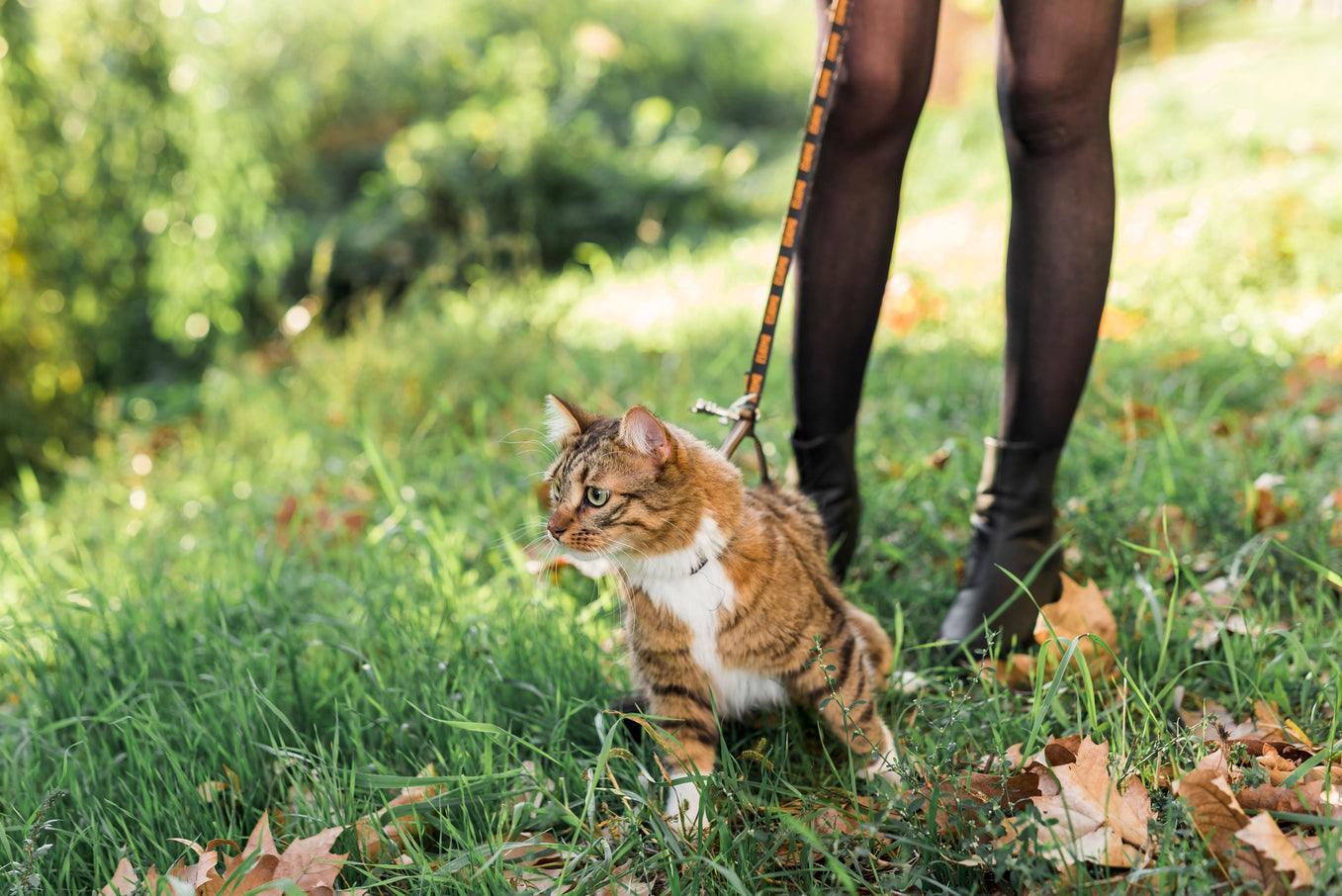
Imagine taking a leisurely stroll down your neighborhood street, the sun warming your face, and your feline friend gracefully trotting by your side on a leash. Sounds intriguing, right?
You might be wondering if cats, those independent and often mysterious creatures, can actually walk on leashes. The idea might seem unusual, even amusing, but it’s capturing the curiosity of cat owners everywhere. Are you ready to uncover the truth behind this trending topic?
We’ll explore whether your beloved kitty can join the ranks of leash-walking pets and what it means for both you and your furry companion. Stay tuned to discover the surprising benefits, potential challenges, and expert tips that could change how you enjoy outdoor adventures with your cat.
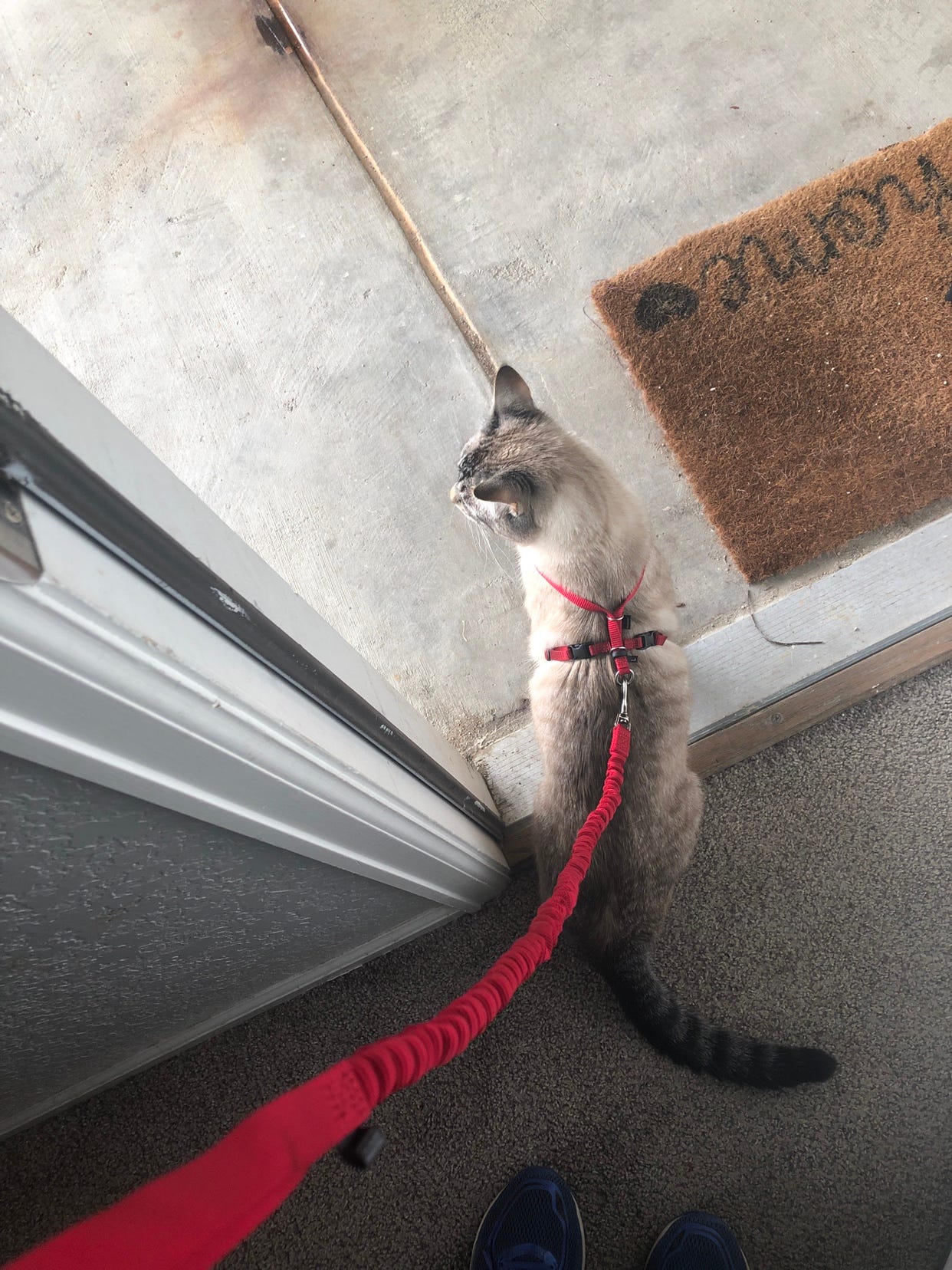
Credit: medium.com
Cats And Leash Walking
Leash walking is possible for cats with patience and training. Many cats can enjoy outdoor strolls safely. Using a harness designed for cats ensures comfort and security.
Cats and leash walking might seem unusual to some. Yet, more cat owners are trying it. Walking your cat can be a rewarding experience. It offers exercise and mental stimulation for your feline friend. But not every cat will take to a leash naturally. Understanding your cat's behavior is key.
Understanding Your Cat's Behavior
Cats have unique personalities. Some are adventurous, while others are more reserved. Start by observing your cat. Note how they react to new environments. This helps determine if leash walking is a good fit.
Choosing The Right Gear
Select a comfortable harness for your cat. It should fit snugly but not too tight. Avoid using a collar, as it can harm your cat's neck. A lightweight leash is also essential. This ensures your cat moves freely.
Introducing The Harness
Let your cat get familiar with the harness indoors. Allow them to sniff and explore it. Gradually put the harness on your cat for short periods. Reward them with treats to build positive associations.
Practicing Indoor Leash Walking
Once comfortable with the harness, attach the leash. Practice walking indoors first. This helps your cat get used to the sensation. Keep sessions short and positive. Reward your cat with treats and praise.
Exploring The Outdoors
Choose a quiet, safe outdoor area for your first walk. Let your cat explore at their own pace. Stay calm and patient. Keep the leash loose and follow their lead. Always monitor for signs of stress or fear.
Building A Routine
Consistency is key to successful leash walking. Establish a routine for walks. This helps your cat know what to expect. Gradually increase the duration and variety of environments. Your cat will gain confidence over time.
Benefits Of Leash Walking
Leash walking provides physical exercise and mental stimulation. It enriches your cat's life and strengthens your bond. Watching your cat explore the world is a joy in itself.

Credit: medium.com
Why Train Cats To Walk On Leashes
Training cats to walk on leashes offers many benefits for both pets and owners. Cats are naturally curious creatures. Exploring the outdoors can fulfill their need for stimulation. Leash training allows them to safely enjoy this experience. It also strengthens the bond between you and your feline friend. By teaching your cat to walk on a leash, you provide them with safe outdoor adventures.
Benefits Of Leash Walking For Cats
Leash walking enriches a cat's life with new sights and smells. It provides much-needed exercise, helping maintain a healthy weight. This activity can reduce boredom and stress in indoor cats. It allows them to express their natural hunting instincts. Walking on a leash can also promote confidence and reduce anxiety.
Safety Considerations
Safety is crucial when taking your cat outdoors. Always use a well-fitted harness designed for cats. Ensure the leash is secure before stepping outside. Be mindful of your surroundings, avoiding busy roads or loud noises. Start with short walks in quiet areas. Gradually increase the duration as your cat becomes more comfortable.
Choosing The Right Equipment
Selecting the right gear is crucial for leash training cats. A comfortable harness ensures safety and control. Opt for lightweight materials to avoid restricting movement.
Choosing the right equipment is crucial if you're considering walking your cat on a leash. The right gear ensures your cat's safety and comfort while allowing for a more enjoyable experience. It's not just about the leash; the harness plays a key role in making sure your cat feels secure and confident.
Types Of Harnesses
When selecting a harness, you have several options. H-style harnesses are popular because they are easy to put on and adjust. They usually consist of two loops connected by a strap. Vest-style harnesses provide more coverage and are often made from soft, breathable materials. They distribute pressure evenly across your cat's body, which can be more comfortable for some cats. Figure-8 harnesses are another option, offering a simple design that's less restrictive. However, they may not be as secure for escape artists. Think about your cat's personality and comfort level. Some cats may prefer a snug fit, while others might do better with more freedom.
Selecting The Appropriate Leash
The right leash complements your harness choice. Standard leashes are typically 4 to 6 feet long, providing enough slack for exploration without losing control. Retractable leashes offer more freedom but can be harder to manage, especially if you're not used to them. They might not be ideal for beginners or anxious cats. Consider the material of the leash. Nylon is lightweight and durable, while leather offers a classic feel but might be heavier. Lastly, think about the environment where you'll be walking. If you're in a busy area, a shorter leash might be safer. In a quiet park, a longer leash could let your cat explore more freely. Have you ever tried walking your cat with a leash? Share your experiences and insights in the comments below!
Training Techniques
Leash training your cat can be a fun experience. Start slowly and let your cat get used to wearing a harness indoors. Gradually introduce short outdoor walks, ensuring a safe and calm environment.
Training your cat to walk on a leash is an exciting adventure that can enhance your feline's world. While it might seem daunting at first, with patience and the right techniques, your cat can learn to enjoy the great outdoors safely. Think about it: wouldn't it be wonderful to share your garden strolls with your purring friend beside you?
Getting Cats Comfortable With The Harness
Start by selecting a comfortable harness designed specifically for cats. A well-fitting harness is crucial for safety and comfort. Let your cat investigate the harness—leave it out where they eat or play to get them used to its presence. Gradually introduce the harness by letting your cat wear it for short periods indoors. Praise and reward them with treats to create a positive association. Remember, patience is key. Each cat adapts at their own pace.
Step-by-step Guide To Leash Training
Once your cat is comfortable with the harness, attach the leash. Allow them to drag it around indoors, so they get used to the weight and feel. Always supervise to prevent any tangling. Start guiding your cat using gentle tugs. Encourage them with treats or toys to move in the desired direction. Be mindful of their body language; if they seem scared or stressed, take a break and try again later. When your cat is confidently walking indoors, it’s time to venture outside. Choose a quiet, enclosed area free from loud noises and other animals. Keep sessions short initially, gradually increasing as your cat becomes more confident. Does this sound like something you and your cat could enjoy? With consistency and care, leash training can open up a new world of exploration for your feline friend.
Challenges And Solutions
Training a cat to walk on a leash presents unique challenges. Cats often resist unfamiliar restraints, making leash adaptation difficult. Solutions include gradual introduction and positive reinforcement, helping cats feel comfortable and secure outdoors.
Training a cat to walk on a leash can be an amusing adventure filled with both challenges and solutions. While some cats may take to it naturally, others might resist the idea of being harnessed. Understanding the common issues and finding ways to address them can transform your daily walks into a delightful routine for both you and your feline friend.
Common Issues In Leash Training
Cats, unlike dogs, aren't accustomed to being led by a leash. This can lead to some predictable challenges: - Fear and Anxiety: Many cats are naturally wary of new experiences. A harness might feel restrictive, leading to stress. - Stubbornness: Cats are known for their independent nature. They may simply refuse to move once the leash is attached. - Distractions: Outdoor environments are full of intriguing sights and sounds. Your cat might get overwhelmed or over-stimulated. Understanding these issues is the first step in making leash training a success.
Tips For Overcoming Resistance
To help your cat adjust to leash walking, consider these practical tips: - Start Indoors: Before venturing outside, let your cat wear the harness inside. This helps them get used to the feel without the added stress of an unfamiliar environment. - Use Positive Reinforcement: Reward your cat with treats or affection when they show progress. This encourages positive associations with the leash. - Be Patient and Observant: Pay attention to your cat’s body language. If they seem anxious, take a break and try again later. Once, my cat simply refused to budge with the leash on. It was tempting to give up, but using treats and giving her time to adjust made all the difference. Have you tried finding what motivates your cat during leash training?
Success Stories
Curious cat owners share their stories of successful leash training. From hesitant steps to confident strides, these tales inspire others to explore the possibility. Discover how patience and practice lead to delightful outdoor adventures with feline friends.
Cats are known for their independent nature. Yet, many cat owners have found joy in walking their feline friends on leashes. These success stories inspire and encourage others to try this unique experience. Walking a cat can deepen the bond between pet and owner. It also provides mental stimulation and physical exercise for the cat.
Real-life Experiences
Many cat owners have shared their leash-walking journeys. One owner in New York started with short indoor walks. Gradually, their cat became comfortable outside. Another owner from California took their cat to the park. The cat loved watching birds and playing with leaves. These experiences show the benefits of patience and persistence.
Testimonials From Cat Owners
Cat owners often rave about their leash-walking successes. "My cat was nervous at first," shares Jane from Texas. "Now, she loves our daily walks." Tom from Florida says, "Our walks helped my shy cat become more social." These testimonials highlight how leash walking can transform a cat's behavior. They offer hope to those hesitant about trying leash walking.
Expert Opinions
Walking cats on leashes can be challenging but rewarding. Experts suggest starting with short indoor sessions. Gradually introduce outdoor walks, ensuring the cat feels comfortable. Patience and positive reinforcement are key to successful leash training.
Cats walking on leashes is a fascinating topic. It sparks curiosity among pet owners and experts alike. Not all cats take to leashes naturally, but with patience, many can learn. Expert opinions shed light on this intriguing behavior. They offer valuable insights into the pros and cons of leash training cats.
Veterinarian Insights
Veterinarians emphasize the importance of safety. A leash can prevent a cat from running into danger. Some cats may resist leash training. This resistance can lead to stress or anxiety in cats. Vets recommend starting leash training at a young age. Younger cats adapt more easily to new experiences. They also suggest using a harness instead of a collar. Harnesses distribute pressure evenly and reduce injury risk.
Behaviorist Perspectives
Animal behaviorists focus on understanding feline nature. Cats are independent creatures. Their instincts drive them to explore freely. Behaviorists say patience is key in leash training. Gradual introduction to the leash often works best. Positive reinforcement encourages cats to accept leash walking. Treats and praise are effective motivators. Behavioral experts also advise respecting a cat's limits. Some cats may never enjoy walking on a leash. Recognizing and accepting this is crucial for a healthy relationship.

Credit: www.amazon.com
Alternatives To Leash Walking
Cats can explore outside without a leash by using harnesses designed for felines. Additionally, enclosed outdoor play areas provide a safe environment for them.
Exploring the great outdoors with your feline friend on a leash may not always be feasible or enjoyable for either of you. Thankfully, there are numerous engaging alternatives to leash walking that can keep your cat active, stimulated, and content. Whether you have an energetic kitten or a laid-back older cat, these creative ideas can cater to their needs without the need for a harness or leash.
Indoor Exercise Options
Transform your home into a feline playground. Consider setting up climbing towers or shelves that allow your cat to explore vertical spaces. Cats love to perch up high, and this setup provides exercise while satisfying their natural curiosity. Another option is to create an obstacle course using everyday household items. Use boxes, tunnels, and cushions to create a fun and challenging path. This not only provides physical exercise but also mental stimulation as your cat figures out how to navigate the course.
Interactive Toys And Games
Interactive toys can be a fantastic way to keep your cat entertained indoors. Wand toys with feathers or faux mice can mimic the thrill of the hunt, encouraging your cat to pounce and chase. Puzzle feeders are another great option. They combine playtime with mealtime, making your cat work a little for their food. This not only keeps them active but also slows down eating, which is beneficial for their digestion. Have you ever tried using a laser pointer? Cats often go wild for the elusive red dot, providing them with an excellent workout. Just remember to end the session with a tangible toy they can catch, to avoid frustration. By integrating these alternatives into your cat's routine, you can ensure they stay healthy and happy. What's your cat's favorite way to play indoors?
Frequently Asked Questions
Are You Supposed To Walk Your Cat On A Leash?
Walking a cat on a leash is optional, but it can provide exercise and mental stimulation. Ensure your cat is comfortable with a harness. Gradually introduce the leash in a safe environment. Always prioritize your cat's safety and comfort during walks.
Are Cats Supposed To Be On Leashes?
Cats are typically not walked on leashes like dogs. It's uncommon but possible for safety or training. Use a harness for comfort and control if you choose to leash your cat. Always ensure the environment is secure and safe for your cat's outdoor adventure.
Can Cats Be Trained To Walk On A Leash?
Yes, cats can be trained to walk on a leash. Start with a comfortable harness. Gradually introduce the leash indoors. Use treats to encourage walking. Practice patience and consistency. Not all cats enjoy leash training, so observe their comfort level.
Do Indoor Cats Like Going On Walks?
Indoor cats may enjoy walks if introduced gradually and positively. Each cat's personality is different. Some love exploring, while others prefer staying inside. Use a harness and leash for safety. Always observe your cat's reactions and comfort levels during walks.
Conclusion
Leash walking can enrich a cat's life. It offers new experiences. Not all cats enjoy leashes. Some might resist or feel stressed. Patience is key when training. Start slow, reward good behavior. Safety matters. Use proper gear to prevent escapes.
Every cat is unique. Observe their comfort levels. Walking on a leash isn't for every feline. Consider alternatives like a secure backyard. Enrich your cat's world in other ways. Toys, playtime, and love always help. Explore options that suit your pet best.
Happy cats lead to happy homes.