
Have you ever wondered if your feline friend needs potty training? You're not alone.
Many cat owners ask this question, hoping to make life smoother for themselves and their pets. If you're tired of cleaning up little surprises or worrying about your cat's bathroom habits, you're in the right place. Imagine the peace of mind knowing your cat has mastered the art of using the litter box.
It's not just a dream; it can be your reality. Dive into this article to discover if cats truly need potty training and how you can ensure your furry companion is well-behaved and happy. Keep reading to learn the secrets of a cleaner, more harmonious home.
Natural Instincts Of Cats
Cats naturally use litter boxes due to their instinct to bury waste. They often don't require formal potty training. Their behavior stems from a survival instinct to hide their presence from predators.
Cats have a fascinating natural instinct for cleanliness. They are born with an innate ability to keep themselves tidy. This instinct is evident in their grooming habits and litter box use. Understanding these natural behaviors can help cat owners appreciate their feline companions more. Cats are unique creatures with a deep-rooted instinct for maintaining their environment. This section explores how these instincts influence their potty training.
Understanding Cat Instincts
Cats have a natural drive to bury their waste. This behavior is linked to survival instincts. In the wild, burying waste keeps predators at bay. It prevents scent trails from leading to them. Domestic cats retain this instinctive behavior. This is why litter boxes are usually easy for them to use.
Litter Box Selection
Choosing the right litter box can make a big difference. Cats prefer clean, accessible boxes. The location of the box is crucial. It should be in a quiet, convenient place. The type of litter also matters. Some cats prefer clumping litter, while others like non-clumping types.
Observing Your Cat's Behavior
Watch how your cat interacts with its environment. This can provide clues to its needs. Notice its habits around the litter box. Frequent visits or avoidance can indicate issues. Addressing these early can prevent problems later.
Litter Box Basics
Cats are known for their independent nature, but they still need guidance. A litter box is essential for indoor cats. It offers them a clean and private place. Understanding the basics of litter boxes can make the process smooth.
Choosing The Right Litter Box
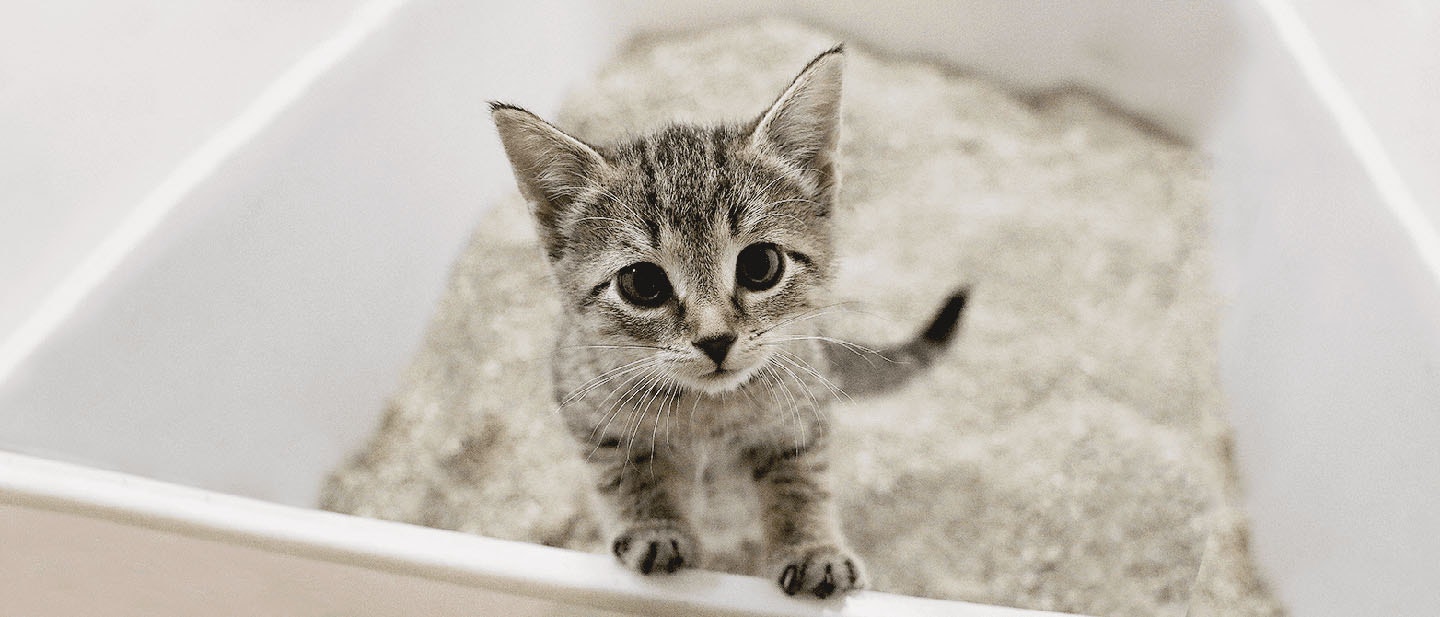
A cat's comfort matters. The litter box should be spacious. Consider the size of your cat. Larger cats need bigger boxes. The sides should be easy to climb. Some cats prefer open boxes. Others like covered ones for privacy. Test different styles to find the best fit.
Types Of Cat Litter
Litter comes in various types. Clay litter is common. It clumps and is easy to clean. Some prefer crystal litter. It absorbs moisture and controls odor. Biodegradable options include paper and wood. These are environmentally friendly. Test different types to see what your cat likes. The right choice can make a difference in training.
Training Techniques
Cats naturally use a litter box, making potty training unnecessary. Simply provide a clean, accessible litter area. Monitor behavior to ensure comfort and consistency.
Training your cat to use a litter box might seem daunting. Cats are naturally clean creatures. They usually take to litter boxes easily. Effective training techniques make this process smooth and stress-free. These methods ensure your feline friend feels comfortable and safe. Let's dive into practical steps for litter box training.
Introducing The Litter Box
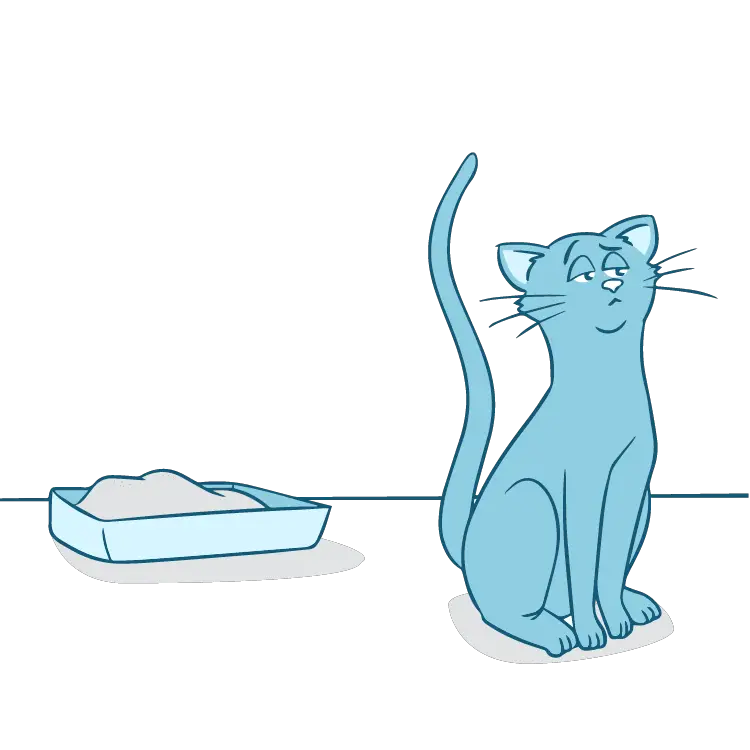
Start by choosing a suitable litter box. It should be large enough for your cat to move comfortably. Place it in a quiet, accessible spot. Avoid noisy areas. Cats prefer privacy when using the litter box. Use a litter type your cat likes. Some cats are picky. Experiment with different types if needed. Keep the litter box clean. Scoop waste daily. Empty and refill the box weekly. A clean box encourages use. Cats dislike dirty environments. Introduce your cat to the litter box gently. Place them near the box after meals. They might explore and use it naturally.
Positive Reinforcement Methods
Reward your cat for using the litter box. Praise them verbally. Offer a small treat. Positive reinforcement builds good habits. Cats respond well to kindness. Avoid punishment if accidents happen. It can create fear or stress. Observe your cat's behavior. Recognize signs they need the box. Circling or sniffing the ground are common signals. Gently guide them to the box. Be patient. Training takes time. Consistency is key. Repeat actions regularly. Your cat will learn through repetition. Create a positive association with the litter box. Spend time near it with your cat. Play or pet them nearby. They will associate the area with comfort. Ensure there are no distractions. Loud noises can scare cats away. Keep the environment calm and peaceful.
Credit: www.francisurology.com
Common Challenges
Potty training cats might sound straightforward, but it often presents unexpected challenges for pet owners. Cats are independent creatures, and their preferences can make litter box training a bit tricky. Understanding common challenges can help you create a more harmonious environment for both you and your furry friend. Have you ever wondered why your cat might suddenly refuse the litter box? Or how to manage multiple cats sharing the same space?
Addressing Litter Box Avoidance
Litter box avoidance is a frequent issue that leaves many cat owners puzzled. You might find your cat using areas outside the box, which can be frustrating. Often, this behavior stems from simple issues like box cleanliness or location.
Ensure the litter box is cleaned regularly. Cats are particular about hygiene, and an unclean box can deter them. If your cat is avoiding the box, consider if the location is too noisy or busy. Cats prefer privacy, so placing the box in a quiet area can encourage use.
Additionally, experiment with different types of litter. Some cats are picky about texture or scent. By trying out various options, you might find one that your cat prefers, reducing avoidance issues.
Solutions For Multi-cat Households
Managing litter boxes in a multi-cat household can be another challenge. Cats are territorial, and sharing a box might lead to conflicts. It's recommended to have at least one litter box per cat, plus an additional one.
Place the boxes in separate areas to reduce competition. This gives each cat the option to choose their preferred location, easing tensions. In my home, adding extra boxes in different rooms drastically reduced territorial disputes.
Also, monitor each cat's behavior. If one seems to be dominating a particular box, it may be necessary to adjust placement or add more boxes. Observing your cats' interactions can provide insights into their comfort levels and help you tailor solutions effectively.
Health Considerations
Cats naturally use litter boxes, so potty training is often unnecessary. Some health issues might affect litter box habits. Always consult a vet if problems occur.
Understanding the health considerations for cats related to potty training is crucial for any cat owner. Ensuring your feline friend is healthy can prevent unwanted accidents and promote better litter box habits. Often, behavioral issues with litter box use can be linked to underlying health problems.
Recognizing Medical Issues
Cats might avoid the litter box due to health-related discomfort. Urinary tract infections, bladder stones, or kidney issues can lead to litter box aversion. If your cat suddenly starts having accidents, it might be a signal that something's wrong. Notice any changes in your cat's bathroom habits? Frequent urination, straining, or noticeable blood in their urine are red flags. These symptoms require immediate attention to prevent complications. Cats are experts at hiding pain. Pay close attention to subtle signs like excessive grooming or changes in their mood. These could be indicators of discomfort that might affect their potty training.
Consulting A Veterinarian
When you suspect a health issue, consulting a veterinarian is your best course of action. A professional can conduct tests to diagnose any problems affecting your cat's behavior. Vets offer guidance on managing health issues that might impact litter box habits. They can recommend diets, medications, or other interventions to improve your cat's condition. Don't hesitate to ask questions. Understanding your cat's health needs is vital to their well-being and can significantly improve their potty training experience.
Credit: www.whiskas.com.ph
Environmental Factors
Cats typically do not require potty training like dogs do. Their natural instinct leads them to use a litter box. Proper placement and clean environment can encourage their behavior.
Understanding the environmental factors that influence a cat's potty training success is crucial. Cats are sensitive creatures, and their surroundings can greatly impact their behavior. Ensuring that your home environment is conducive to their natural habits can make the process smoother.
Creating A Stress-free Space
Cats thrive in calm and predictable environments. Loud noises, sudden changes, or the presence of strangers can stress your cat, leading to potty training mishaps. Consider designating a quiet area in your home where your cat can feel safe and secure. This might be a corner of a room away from household traffic or a cozy spot with their favorite blanket. Providing scratching posts and toys can also help your cat feel more at ease. Does your cat have a favorite hiding spot? Use that to your advantage by placing a litter box nearby.
Maintaining Cleanliness
A clean environment is not just for aesthetics; it plays a significant role in your cat's potty training success. Cats are naturally clean animals and prefer a litter box free of odors and debris. Regularly cleaning the litter box can prevent accidents and encourage consistent use. You may notice your cat refusing to use a dirty litter box, choosing instead to find a cleaner spot. Make it a habit to scoop the litter box at least once a day. If you have multiple cats, consider providing more than one litter box to accommodate their needs. By creating a stress-free space and maintaining cleanliness, you can address the environmental factors that influence your cat's potty training. Are there any changes you can make today to improve your cat's potty training environment?
Signs Of Successful Potty Training
Potty training your cat can be a rewarding experience. Understanding the signs of successful potty training is crucial. It ensures that your feline friend is adapting well to the routine. Observing these signs can help you determine if your cat is on the right track.
Consistent Use Of Litter Box
A trained cat regularly uses the litter box. They return to it without hesitation. This shows they understand its purpose.
No Accidents Around The House
Successful potty training means fewer accidents. Your floors and furniture remain clean. Cats prefer the designated area for their needs.
Comfortable With The Litter
A cat that is comfortable with the litter will dig and cover waste. This behavior shows they are at ease and have adapted.
Reduced Scratching Or Digging Elsewhere
When cats are potty trained, they scratch less outside the box. Their focus remains on the designated area, not the carpet or couch.
Calm Behavior After Potty
Trained cats display calm behavior after using the litter box. They seem relaxed and satisfied. This indicates they have completed their routine successfully.
Credit: www.facebook.com
Frequently Asked Questions
Will A Cat Automatically Use A Litter Box?
Most cats instinctively use a litter box. Provide a clean, accessible box with suitable litter. Train kittens early by placing them in the box after meals or naps. Adult cats may need guidance if unfamiliar with litter boxes. Consistency and patience help ensure successful litter box use.
Does A Cat Need Potty Training?
Cats typically do not need potty training. They instinctively use litter boxes. Ensure the box is clean and accessible. Some kittens might need guidance initially, but most cats learn quickly. Provide a suitable litter box and your cat will likely use it without much prompting.
Will An Untrained Cat Use A Litter Box?
Most untrained cats instinctively use a litter box due to their natural burying behavior. Providing a clean box with suitable litter encourages this habit. Some cats may need guidance, like placing them in the box after meals. Each cat's personality affects their adaptability to using a litter box.
Can Cats Be Trained Not To Pee In The House?
Yes, cats can be trained not to pee in the house. Use a clean litter box and maintain regular cleaning. Encourage positive behavior with treats. Address any medical issues with a vet. Consistency in training is key.
Conclusion
Cats are naturally clean animals. They often learn to use litter boxes. Patience is key during this process. Offer guidance with positive reinforcement. Praise them for using the box correctly. Keep their litter box clean and accessible. Avoid placing it near noisy appliances.
Each cat is unique. Some may take longer to adapt. But with love and patience, your cat will learn. Creating a stress-free environment helps immensely. Cats appreciate routine and cleanliness. Be consistent in your efforts. Soon, your furry friend will master the litter box habit.
Enjoy this rewarding journey with your feline companion.