
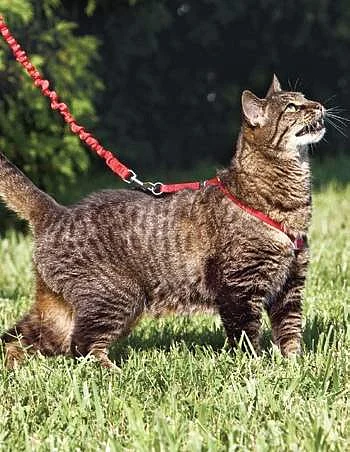
Imagine taking a stroll with your feline friend right by your side. It sounds dreamy, doesn't it?
But here's the twist—do cats have to be on a leash? As a loving cat owner, you want to ensure your pet’s safety while exploring the outside world. Yet, the idea of leashing a cat might seem odd or even unnecessary.
You may wonder if it's just another trend or if there's a real benefit behind it. This article will dive into why you might consider leashing your cat, how it could enhance your pet’s life, and whether it’s a practical choice for you. Get ready to uncover the secrets that could transform your outdoor adventures with your cat!
Feline Independence
Cats often enjoy their freedom, exploring their surroundings with curiosity. Keeping them on a leash can restrict their natural behavior. While leashes ensure safety, they might limit a cat’s independent nature.
Feline independence is a hallmark of cat behavior that both intrigues and challenges cat owners. Cats are naturally curious creatures, driven by their instincts to explore and hunt. This independent streak raises the question: should cats be on a leash?
Understanding Feline Behavior
Cats have a unique blend of independence and dependence. While they love the comfort of your home, their natural instincts often urge them to explore the outdoors. This dual nature makes it essential to understand their behavior when considering leashing.
Benefits Of Leash Training
Leash training can offer cats a safe way to experience the outdoors. It provides an opportunity for exercise and mental stimulation. Moreover, it helps prevent them from wandering into dangerous areas or encountering predators.
Challenges Of Leash Walking
Not all cats take to a leash easily. Some might resist or become stressed, making the experience unpleasant for both the cat and the owner. It's crucial to approach leash training with patience and understanding. If your cat is not comfortable on a leash, consider alternatives like a secure outdoor enclosure. You might also create a cat-friendly space indoors that satisfies their need for exploration. These options can offer a balance between safety and independence.
Personal Experience: Finding Balance
When I first attempted to leash train my cat, it was a struggle. However, gradually introducing the harness indoors made a difference. Observing her confidence grow was rewarding and confirmed that patience is key. Feline independence is a beautiful trait, but ensuring your cat's safety is paramount. Would you consider leash training your cat, or do you lean towards alternatives? Your choice can enhance your cat's quality of life while respecting their natural instincts.
Leash Laws For Cats
Leash laws for cats can be confusing for many pet owners. While dogs on leashes are a common sight, seeing a cat on a leash might be unusual. Yet, some areas have specific rules for cats. Understanding these laws is vital for responsible pet ownership. It ensures your feline friend stays safe and within legal boundaries.
Understanding Local Leash Laws
Different regions have varying leash laws for cats. Some places require cats to be leashed when outdoors. Others have no laws at all. Research your local regulations to avoid fines or complaints. Contact your city’s animal control department for detailed information.
Reasons For Leash Laws
Leash laws aim to protect both cats and wildlife. Cats on the loose can harm birds and small animals. They may also encounter dangers like traffic or other animals. Leash laws help prevent these risks, ensuring a safer environment for everyone.
Benefits Of Leashing Your Cat
Leashing your cat offers multiple benefits. It allows them to explore safely. Cats enjoy the sights and smells of the outdoors. A leash provides freedom without the risk of running away. It also strengthens the bond between you and your pet.
Training Your Cat For A Leash
Training a cat to walk on a leash takes patience. Start by getting them comfortable with a harness. Let them wear it indoors for short periods. Gradually introduce the leash. Practice in a safe, enclosed area before venturing outside. Reward them with treats and praise to encourage positive behavior.
Benefits Of Leashing Cats
Leashing cats can offer safety during outdoor adventures. It prevents them from wandering into dangerous areas. Plus, it fosters a sense of exploration while keeping them secure.
Leashing cats might seem unconventional, but it offers several advantages. For many pet owners, the idea of leashing their feline friends is a novel concept. Yet, as more cats venture outdoors, a leash can provide both safety and freedom. It's an opportunity to enrich your cat’s life while ensuring their well-being. Let's delve into the benefits of leashing cats.
Safety Considerations
Leashing your cat enhances their safety significantly. Unlike dogs, cats are agile and can easily escape unnoticed, leading to potential dangers. With a leash, you have control over where your cat goes, keeping them away from busy roads or unfriendly animals. Imagine walking your cat in the park without worrying about them darting off into unfamiliar territory.
Preventing Wandering
Cats are natural explorers with a strong sense of curiosity. This curiosity can lead them to wander far from home, sometimes too far. A leash acts as a gentle reminder, guiding them to explore within safe boundaries. You can enjoy watching your cat discover new scents and sights without the anxiety of them disappearing. Have you ever wondered where your cat goes when they're out of sight? A leash helps keep those adventures closer to home. Leashing not only keeps your cat safe but also offers peace of mind, knowing they are enjoying the outdoors safely.

Credit: justcatsclinic.com
Challenges Of Leashing Cats
Leashing cats can be tricky due to their independent nature. Many cats dislike being restrained, making training challenging. Not all cats adapt well to a leash.
Leashing cats can be a challenging endeavor, often met with a mix of curiosity and skepticism. Unlike dogs, cats are inherently more independent and may not naturally take to being led by a leash. Many cat owners have experienced the infamous "kitty flop," where a cat dramatically lays down, refusing to move. This resistance can make the idea of leashing seem daunting. But don't worry, there are ways to navigate this challenge and help your feline friend enjoy the great outdoors safely.
Behavioral Resistance
Cats are creatures of habit and any change can spark resistance. They are not used to the sensation of a harness or the restriction of a leash. This can lead to behaviors like rolling, pulling, or simply freezing in place. One cat owner shared that her cat would dramatically plop down and refuse to budge when first introduced to a leash. This behavior isn’t uncommon and can be attributed to a cat's instinctual need for freedom. Does this mean you should give up? Absolutely not! Understanding your cat's behavior is the first step in overcoming this resistance.
Training Techniques
Training a cat to walk on a leash requires patience and a few clever techniques. Start by introducing the harness indoors. Allow your cat to sniff and investigate it. Encourage this curiosity with treats or playtime. Once your cat is comfortable with the harness, attach the leash and let them drag it around indoors. This helps them get used to the sensation without the added pressure of being led. Gradually guide your cat with gentle tugs and rewards. Celebrate small victories, like a few steps forward, with praise and treats. Remember, patience is key; progress may be slow but persistence pays off. Consider it a bonding opportunity. By understanding and respecting your cat's pace, you're building trust and creating a new way to enjoy time together. Are you ready to embark on this journey with your feline friend? Embrace the challenge, and you may find your cat's adventurous side!
Alternatives To Leashing
Cats can enjoy freedom with alternatives like a secure catio or indoor play spaces. Training your cat to walk with a harness offers a safe outdoor experience. Using interactive toys and engaging activities also keeps them entertained without a leash.
For many cat owners, the idea of leashing their feline friends can feel unnatural. Cats are known for their independence and agility, traits that don't always align with being tethered. But ensuring their safety doesn't mean you have to leash them. There are several alternatives that can keep your cat secure while allowing them to enjoy their environment.
Indoor Play Areas
Creating an engaging indoor play area can be a fantastic solution. You can transform a corner of your home into a cat paradise with climbing towers, tunnels, and interactive toys. Use vertical space to your advantage. Cats love to climb and perch, so adding shelves or cat trees can satisfy their instincts and keep them entertained. Rotate toys regularly to maintain their interest. This keeps your cat mentally stimulated and physically active, reducing the need for outdoor adventures.
Outdoor Cat Enclosures
Outdoor cat enclosures, sometimes called "catios," provide a safe way for your cat to experience the outdoors. These enclosures can range from simple window boxes to elaborate fenced-in areas. Design the space with your cat's interests in mind. Include features like platforms, scratching posts, and shaded areas. Consider a DIY project if you're handy, or purchase a pre-made structure for convenience. Either way, enclosures allow your cat to enjoy the sights and sounds of nature without the risks of open roaming. Wouldn't it be wonderful for your cat to explore the world safely? These alternatives to leashing offer freedom and security, making both you and your feline happier.

Credit: www.timescolonist.com
Cultural Perspectives
When it comes to leashing cats, cultural perspectives offer a fascinating glimpse into diverse practices worldwide. Whether you're a cat owner or simply curious, understanding how different cultures approach this topic can reveal much about societal norms and attitudes towards pets. Are cats seen as independent creatures deserving of freedom, or is a leash considered necessary for their safety and the safety of others?
Global Practices
Across the globe, practices regarding leashing cats vary significantly. In some Asian countries, cats are often free to roam, reflecting a cultural belief in their autonomy. In contrast, Western nations might prioritize safety, using leashes to prevent potential dangers.
In Europe, cats might be kept indoors more frequently due to urban lifestyles, but the idea of leashing can still be contentious. People might see it as restricting a cat's natural behavior, while others argue it ensures a harmonious coexistence with neighbors.
Urban Vs. Rural Settings
Urban environments pose unique challenges for cat owners. The bustling streets and crowded sidewalks can be perilous for unattended cats. Leashing in cities may not just be a choice but a necessity to prevent accidents and ensure peace of mind.
Conversely, rural settings often offer expansive spaces that might seem ideal for a cat's exploration. However, rural areas come with their own risks, such as predators or getting lost. Would a leash still be beneficial here?
Have you ever considered the impact of your living environment on your pet's safety? Whether in a city or countryside, the decision to leash your cat can hinge on the specific risks and benefits present in your locale.
Impact On Cat Well-being
The debate about leashing cats often centers on their well-being. While leashes offer control and safety, how do they affect cats' mental and physical health? Understanding these impacts can help pet owners make informed decisions.
Mental Health
Cats are naturally curious creatures. Restricting their movement can lead to stress. A leash might limit their ability to explore freely. For some cats, this can cause anxiety or frustration. They may become less playful or hide more often. It's important to observe your cat's behavior. Ensure they feel secure and comfortable.
Physical Health
Leashes can protect cats from outdoor dangers. Cars, other animals, and getting lost are real threats. A leash provides safety during walks. Physical exercise is crucial for a cat's health. It helps maintain a healthy weight and prevents diseases. While leashes restrict movement, they also allow safe exploration. Regular walks can support your cat's physical health. Balance is key.

Credit: justcatsclinic.com
Frequently Asked Questions
Can I Let My Cat Out Without A Leash?
Cats can roam freely outdoors, but it poses risks like cars, predators, or getting lost. Ensure your cat's safety by considering a secure yard or using a leash. Always prioritize their well-being and monitor their outdoor activities.
Is It Legal To Let Your Cat Roam Freely?
Legalities of letting cats roam freely vary by location. Check local laws and regulations for guidance. Some areas have leash laws or require containment. Roaming can pose risks to cats, including traffic, predators, and diseases. Responsible pet ownership includes ensuring your cat's safety and well-being.
Are You Supposed To Put Cats On A Leash?
Yes, you can put cats on a leash. Train them gradually with patience and positive reinforcement. Choose a comfortable harness designed for cats. Ensure safety during outdoor walks by monitoring surroundings. Not all cats enjoy it, so observe their comfort and behavior.
Always prioritize your cat's well-being.
Should I Let My Indoor Cat Outside On A Leash?
Letting your indoor cat outside on a leash can be safe. Ensure the leash is secure and supervise closely. Introduce outdoor experiences gradually to avoid stress. Watch for dangers like traffic and other animals. Consult your vet for specific advice tailored to your cat's needs.
Conclusion
Deciding on a leash for your cat depends on many factors. Each cat is unique. Some cats enjoy outdoor walks. Others feel stressed on a leash. Safety is key when outside. Always consider your cat’s comfort. Many cats enjoy indoor play more.
Leashes can prevent accidents. They offer control in busy areas. Explore different options. Harnesses might be better for some cats. Consult your vet if unsure. Make a choice that suits your cat. Their happiness matters most. Remember, it’s about their safety and comfort.