

Imagine enjoying a sunny afternoon stroll with your cat, feeling the gentle tug of the leash as your feline companion explores the world outside your home. If you've ever wondered whether you can walk your cat on a leash, you're not alone.
Many cat owners are curious about this unique bonding experience and the benefits it can bring. Walking your cat not only provides them with exercise but also satisfies their natural curiosity and need for adventure. But before you grab that leash and harness, there are a few things you need to know to make this journey safe and enjoyable for both you and your furry friend.
Keep reading to discover the secrets to successful cat walking and how it can transform your pet's life—and yours.
Benefits Of Walking Cats
Can You Walk Cat on Leash Walking cats on a leash offers exercise and mental stimulation. It helps reduce anxiety and keeps them fit. Exploring outdoors safely enriches their lives and strengthens the bond with owners.
Walking your cat on a leash offers more than just a change of scenery. It presents several benefits that can enhance your feline friend's well-being. Here are some key advantages:
Physical Exercise
Cats often lack exercise indoors. Walking on a leash provides physical activity. It helps maintain a healthy weight. A fit cat is less likely to develop health issues. Walking strengthens muscles and improves agility. It's a simple way to keep your cat active.
Mental Stimulation
Outdoor walks expose cats to new sights and smells. This enriches their mental health. It keeps them curious and engaged. Stimulating their senses reduces boredom. A mentally stimulated cat is happier and more content. This lessens destructive behavior at home.
Bonding Opportunities
Leash walking strengthens the human-cat bond. Shared experiences outdoors create trust. Cats learn to rely on their owners for safety. This builds a deeper connection. Walking together can improve communication. It’s a rewarding experience for both owner and cat.

Credit: www.amazon.com
Choosing The Right Leash
Walking a cat on a leash can be enjoyable with the right choice. A harness that fits well ensures comfort and safety. Opt for a lightweight, adjustable leash to give your cat freedom to explore while keeping control.
Choosing the right leash for your cat can make all the difference between an enjoyable outdoor experience and a frustrating tug-of-war. Cats are naturally curious but cautious creatures, and the leash you choose should cater to their unique needs. Whether you're a seasoned cat walker or trying it for the first time, understanding leash options can significantly enhance your adventures together.
Harness Vs. Collar
When deciding between a harness and a collar, safety should be your top priority. A collar can put undue pressure on a cat's neck, leading to potential injury or discomfort. Harnesses, on the other hand, distribute pressure more evenly across the body, providing better control and comfort. Most veterinarians and cat behaviorists recommend harnesses for leash walking. They come in various designs, such as vest-style or H-style, offering different levels of security and fit. Always ensure that the harness fits snugly but isn't too tight, allowing two fingers to slip between the harness and your cat's body.
Leash Types And Materials
Leashes come in various styles and materials, each serving a unique purpose. Standard leashes, usually made of nylon or leather, offer durability and ease of use. They are perfect for everyday walks where control and simplicity are key. Retractable leashes provide more freedom, allowing your cat to explore a bit further, but they require extra vigilance. If your cat is easily spooked, a retractable leash might not offer the immediate control you need. Consider the material as well. Nylon is lightweight and weather-resistant, while leather offers a classic look and durability. Reflective leashes can be an excellent choice for low-light conditions, ensuring both you and your cat are visible to others. Have you ever considered how your cat's personality might influence your leash choice? A more adventurous cat might enjoy the extended range of a retractable leash, while a timid feline may feel safer with a standard, shorter leash. Understanding your cat's comfort level and behavior can guide you to the perfect choice.
Training Your Cat
Walking a cat on a leash can be a delightful way to explore the outdoors together. Begin by using a comfortable harness that fits well. Gradually introduce the leash, allowing your cat to feel secure and at ease.
Training your cat to walk on a leash might seem like a daunting task, but with the right approach, it can be a rewarding experience for both you and your feline friend. Cats are naturally curious creatures, and introducing them to the world outside can satisfy their inquisitive nature. However, patience and consistency are key to ensuring a smooth transition from indoor explorer to outdoor adventurer.
Introduction To The Leash
Start by choosing a comfortable harness that fits your cat snugly but not too tightly. Let your cat explore the harness and leash by leaving them around the house for a few days. This allows your cat to get familiar with the new items through their scent and presence. Once your cat seems comfortable, gently put the harness on them without the leash. Keep it on for short periods while they engage in their usual activities. Gradually increase the duration so the harness becomes a part of their routine.
Positive Reinforcement Techniques
When it comes to training cats, positive reinforcement is incredibly effective. Reward your cat with treats, affection, or playtime whenever they respond well to the harness and leash. This creates a positive association, making them more receptive to further training. Observe your cat’s reactions and adjust your training pace accordingly. If they seem stressed, take a step back and try again later. Consistent, gentle encouragement will help build their confidence.
Practice Indoors First
Before venturing outside, practice walking your cat indoors. Attach the leash to the harness and let your cat lead the way. This helps them get used to the sensation of being guided and gives you a chance to manage the leash. Use different rooms and spaces to simulate the outdoor experience. Encourage your cat with gentle guidance and rewards. This indoor practice ensures that once you step outside, both you and your cat are prepared for the real adventure. Training your cat to walk on a leash requires time, patience, and understanding. But imagine the joy of exploring the world together, with your cat confidently strutting by your side. Are you ready to embark on this journey with your feline friend?
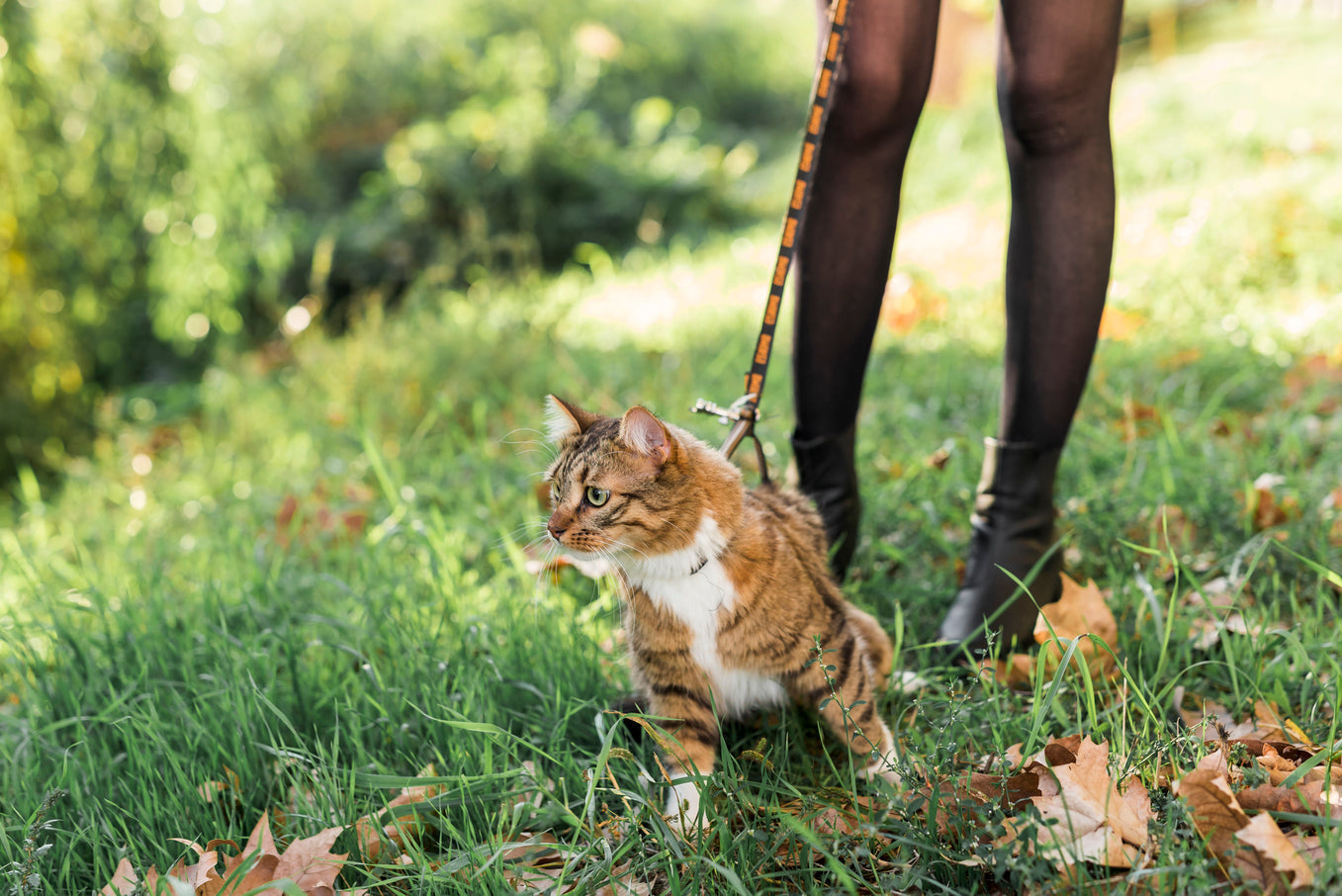
Credit: medicanimal.com
Safety Considerations
Ensure the leash fits your cat comfortably, without being too tight or loose. Choose a quiet area for the first walk to prevent startling your cat. Always supervise and watch for any signs of stress or discomfort.
Walking a cat on a leash can be an exciting adventure, but it’s crucial to prioritize safety to ensure a positive experience for both you and your feline friend. Understanding potential dangers and how to mitigate them is key to a successful outing. Here's what you need to consider to keep your cat safe and happy during your leash walks.
Avoiding Hazards
When strolling with your cat, be vigilant about the surroundings. Busy streets, aggressive dogs, or open water bodies can pose threats. It's important to steer clear of areas with heavy traffic or unfamiliar pets. If you notice a dog approaching, calmly pick up your cat and create distance. Always keep an eye out for small objects that might be tempting for your cat to nibble on, as these can be harmful.
Recognizing Stress Signals
Cats communicate stress in subtle ways. Look out for signs like flattened ears, a puffed-up tail, or low growling. These signals indicate discomfort or fear. If your cat shows any of these signs, pause and assess the situation. Sometimes, a simple change in direction or a soothing voice can help alleviate their anxiety.
Weather And Temperature Concerns
Weather can significantly impact your cat’s comfort during a leash walk. Avoid walking your cat during extreme temperatures. On hot days, the pavement can be scorching, potentially burning your cat's paws. Consider walking early in the morning or late in the evening when the temperatures are more manageable. Rain or snow might be fun for dogs, but cats often dislike wet conditions. Always check the forecast before heading out.
Managing Outdoor Walks
Walking a cat on a leash can be a unique experience. Cats often enjoy the stimulation of the outdoors. Ensuring your cat is comfortable with the leash is key to a pleasant walk.
Managing outdoor walks with your cat can be an exciting adventure. It offers them a chance to explore beyond the windowsill. But it requires some preparation and care. Cats have unique personalities and needs, making each walk different. Planning and understanding your cat's behavior ensures a safe and enjoyable experience.
Choosing Safe Locations
Select areas with minimal traffic and noise. Parks and quiet neighborhoods make good choices. Avoid places with many dogs or busy streets. Check for potential hazards like broken glass or toxic plants. Familiar environments help your cat feel more secure.
Controlling Your Cat's Movements
Use a well-fitted harness to keep your cat secure. Hold the leash gently, allowing some freedom. Guide them away from unsafe areas with slow, steady pressure. Keep a close eye on their body language and behavior. Always respect their limits and comfort zones.
Handling Unexpected Situations
Remain calm if your cat gets startled or scared. Stop and let them adjust to new surroundings. Carry treats to distract or reward them. Be prepared for sudden noises or curious animals. Your calm demeanor reassures your cat and builds their confidence.
Common Challenges
Walking a cat on a leash can be tricky. Cats may resist due to unfamiliarity or fear. Training requires patience and gradual introduction.
Walking a cat on a leash can be an adventure. Yet, it often brings challenges. Cats are not naturally inclined to walk on a leash. Each cat's personality is unique, making the experience different for every owner. Understanding these challenges helps in creating a positive experience for both the cat and the owner.
Resistance To The Leash
Cats might resist the leash initially. They are not used to restrictions. It might take time for them to adjust. Patience is key during this phase. Start indoors where the cat feels safe. Let them wear the harness for short periods. Gradually increase the duration. This helps them get familiar with the feeling.
Distractions And Reactivity
Cats are easily distracted. A passing bird or a leaf can catch their attention. This makes them reactive, pulling away or trying to chase. Keeping them focused is a challenge. Use treats to redirect their attention. Short walks with fewer distractions work best initially. Slowly expose them to more stimuli.
Consistency In Routine
Consistency is crucial. Cats thrive on routines. Establish a regular walking schedule. This helps them know what to expect. Frequent changes can cause stress. A consistent routine builds trust and comfort. Start with short daily walks. Gradually increase the length and frequency. This helps your cat adapt to the leash.
Enjoying The Experience
Walking your cat on a leash can be a delightful adventure. Cats are curious creatures that love exploring new surroundings. With patience and preparation, the experience can be enjoyable for both you and your feline friend. Discover how to make the most of this unique bonding opportunity.
Celebrating Success
Every small achievement matters. When your cat takes its first steps on the leash, celebrate! Offer treats or gentle praise to encourage them. Recognize their efforts and progress. It boosts their confidence and reinforces positive behavior. A happy cat is more likely to enjoy future walks.
Capturing Memories
Document these special moments. Bring your camera or smartphone. Snap photos of your cat exploring the world. Capture their curious expressions and playful antics. These memories are priceless and will be cherished for years. Share them with friends and family who appreciate your furry companion's adventures.
Exploring New Environments
A walk on a leash opens doors to new places. Begin with familiar settings like your backyard. Gradually introduce your cat to parks or quiet streets. Observe their reactions to different sights and sounds. New environments stimulate their senses and enrich their experiences. It’s a journey of discovery for both of you.

Credit: www.instagram.com
Frequently Asked Questions
Is It Okay To Walk Cats On A Leash?
Yes, walking cats on a leash is okay. It provides exercise and mental stimulation. Ensure the cat is comfortable and use a harness. Introduce the leash gradually indoors before venturing outside. Always supervise your cat to ensure safety during walks.
Is It Okay To Take An Indoor Cat Outside On A Leash?
Taking an indoor cat outside on a leash can be safe. Ensure the cat is comfortable and use a harness. Supervise closely to prevent escape or stress. Gradually introduce outdoor experiences to keep your cat relaxed and happy. Always prioritize safety and your cat's well-being during outdoor walks.
How Hard Is It To Get A Cat To Walk On A Leash?
Training a cat to walk on a leash can be challenging. Cats are independent and may resist initially. With patience, positive reinforcement, and gradual introduction, most cats can adapt. Start indoors, use treats, and ensure the harness fits comfortably. Success varies by individual cat personality and persistence in training.
Is It Okay To Walk A Cat With A Collar?
Walking a cat with a collar can be risky. Cats might slip out or get injured. Use a harness instead. A harness ensures better control and safety. Choose a comfortable and secure harness for your cat. Always supervise outdoor walks to protect your pet.
Conclusion
Walking a cat on a leash can be an adventure. Not all cats will enjoy it. Patience and training are key. Start slowly and let the cat explore. A harness works better than a collar. Choose a quiet place to begin.
Avoid busy streets or loud noises. Watch the cat's body language. Stop if the cat seems stressed. Walking a cat can strengthen your bond. It offers fresh air and exercise. Remember, every cat is different. Some may love it, others may not.
Respect your cat's feelings and preferences. Happy walking!