

Have you ever wondered if you should brush your cat's teeth? It's a question many cat owners ask, and it might surprise you to learn just how important dental care is for your feline friend.
Imagine your cat happily purring away, only to be silently suffering from dental issues. You wouldn't want that, right? As a caring pet owner, you want the best for your pet, and understanding the significance of oral hygiene is a crucial step.
Brushing your cat's teeth might sound like a daunting task, but it could be the key to preventing serious health problems down the road. Just like humans, cats can suffer from plaque buildup, gum disease, and even tooth decay. By taking a few simple steps, you can ensure your cat enjoys a healthier, happier life. You'll be amazed at how much difference a little dental care can make. Are you ready to dive into the world of feline dental health and discover how you can help your beloved pet? Let's unravel the secrets of brushing your cat's teeth and why it's worth your attention.
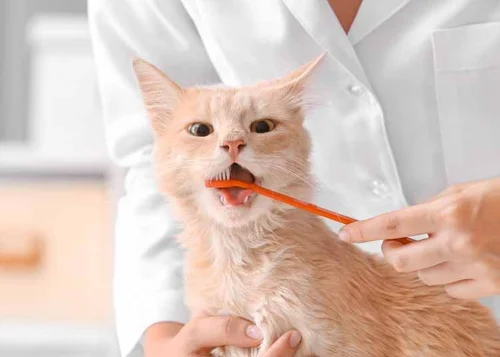
Credit: www.catschool.co
Why Cat Dental Care Matters
Cat dental care is crucial for preventing tooth decay and gum disease. Brushing your cat's teeth keeps their mouth healthy and fresh. Regular dental care can also help avoid costly vet visits.
Cats might not be thrilled at the idea of having their teeth brushed, but their dental health is crucial for their overall well-being. Many cat owners overlook dental care, not realizing that neglect can lead to serious health issues. From painful tooth decay to systemic infections, the consequences of poor oral hygiene can affect your feline friend in unexpected ways.
Preventing Painful Dental Diseases
Cats can suffer from a range of dental diseases, including gingivitis and periodontitis. These conditions can cause significant pain, making eating difficult and lowering their quality of life. Regular dental care, including brushing, can help prevent these issues and keep your cat comfortable and healthy.
Avoiding Costly Veterinary Bills
Dental diseases in cats often require professional veterinary treatment, which can be expensive. Regular brushing can help avoid these costs by keeping your cat's teeth clean and reducing plaque buildup. Consider how a small investment in time and effort can save you money in the long run.
Improving Your Cat's Overall Health
Oral health is closely linked to overall health. Bacteria from gum disease can enter the bloodstream, affecting your cat's heart, liver, and kidneys. By maintaining good dental hygiene, you are actively contributing to your cat’s long-term health and vitality.
Enhancing Your Bond With Your Cat
Brushing your cat's teeth can be a bonding experience if introduced gently and positively. It might take patience and persistence, but it can become a routine that strengthens your relationship. Wouldn't it be rewarding to turn a health chore into a moment of connection with your pet?
Signs Your Cat Needs Dental Care
Watch for signs like bad breath, drooling, or difficulty eating, as these can indicate dental issues. Regularly inspect your cat's mouth for redness or swelling in the gums. Being proactive can make a significant difference in your cat's health trajectory. Incorporate dental care into your cat's routine and you’ll be investing in their happiness and longevity.
Signs Of Dental Problems In Cats
Cats may show signs of dental problems through bad breath or difficulty eating. Regular brushing can help maintain their dental health. It's important to use a cat-friendly toothbrush and toothpaste for effective cleaning.
Cats often hide discomfort, making it hard to spot dental problems. Understanding signs of dental issues can help protect your cat's health. This knowledge ensures you act promptly, keeping your feline friend comfortable and happy.
Poor Appetite Or Difficulty Eating
Cats may refuse food if chewing hurts. Watch for sudden changes in eating habits. This could mean they're avoiding painful areas in their mouth.
Bad Breath
Foul odor from a cat's mouth often signals dental trouble. It might indicate plaque buildup or infection. Regularly check your cat's breath.
Excessive Drooling
Drooling can suggest oral pain or irritation. Cats drool more when their mouth hurts. Notice any unexpected increase in saliva.
Swollen Or Bleeding Gums
Inspect your cat’s gums for swelling or bleeding. These signs often point to gum disease. Healthy gums are pink and firm.
Visible Tartar Build-up
Tartar looks like a brownish substance on teeth. It can lead to decay and infection. Regular checks help in spotting tartar early.
Pawing At The Mouth
Cats paw at their mouth if something bothers them. This behavior suggests discomfort or pain. Keep an eye on this unusual action.
Chattering Teeth
Teeth chattering might indicate sensitivity or pain. This can occur during eating or at rest. Monitor for any unusual mouth movements.
Benefits Of Brushing Cat's Teeth
Brushing your cat's teeth can improve their overall health. Many cat owners overlook dental care. Yet, it's crucial for your feline friend's well-being. Regular brushing can help prevent dental diseases. It also keeps your cat's breath fresh. Let's explore the benefits of brushing your cat's teeth.
1. Prevention of Dental Diseases
Brushing helps remove plaque buildup. Plaque can lead to tartar and gum disease. Cats are prone to dental issues. Regular brushing reduces these risks. It keeps their teeth healthy and strong.
2. Improved Breath
Cats can have bad breath. It's often due to bacteria in the mouth. Brushing helps eliminate these bacteria. This results in fresher breath. Your cat will thank you for it.
3. Better Overall Health
Oral health affects overall health. Bacteria from the mouth can enter the bloodstream. This can cause issues in other organs. Brushing your cat's teeth reduces this risk. It promotes a healthier life.
4. Early Detection of Health Issues
Brushing lets you spot problems early. You might notice gum redness or swelling. Early detection leads to timely treatment. This can prevent more serious conditions.
5. Bonding Time
Brushing can be bonding time for you and your cat. It creates trust and comfort. Your cat learns to enjoy this routine. It strengthens your relationship.
Choosing The Right Toothbrush And Toothpaste
Choosing the right toothbrush and toothpaste for your cat can make a world of difference in their dental health. You might be surprised to learn that brushing your cat’s teeth is not only possible but also essential. While it may seem like a daunting task, having the right tools can make the process smoother and more effective. But how do you select the best toothbrush and toothpaste for your feline friend? Let's dive into the specifics, ensuring you're equipped with the best options available.
Types Of Cat Toothbrushes
Toothbrushes designed specifically for cats come in various shapes and sizes, catering to different needs and preferences.
- Finger Brushes:These tiny brushes fit over your fingertip, giving you more control during brushing. They are ideal if your cat is a bit fussy, as they allow for a gentler approach.
- Dual-Ended Brushes:Featuring two different-sized heads, these brushes provide flexibility. The smaller head is great for reaching back teeth, while the larger head efficiently cleans the front ones.
- Microfiber Brushes:Made from soft materials, these brushes are designed for cats with sensitive gums. They offer a gentle cleaning without causing discomfort.
Safe Toothpaste Options
Picking the right toothpaste is crucial because human toothpaste is harmful to cats due to fluoride content. Thankfully, there are safe and tasty alternatives made specifically for felines.
- Enzymatic Toothpaste:This type of toothpaste helps break down plaque and tartar without needing vigorous brushing. It's perfect for cats who are new to dental care.
- Flavored Toothpaste:Available in chicken, fish, and other savory flavors, these toothpastes make the brushing experience more palatable for your cat.
- Natural Toothpaste:Free from chemicals and additives, natural toothpastes often use ingredients like aloe vera and baking soda for a gentle clean.
Have you ever wondered why your cat might resist brushing? Choosing the right toothbrush and toothpaste could be the key. With these insights, you're well on your way to turning this chore into a manageable routine. Whether your cat prefers the chicken-flavored toothpaste or is more comfortable with a finger brush, the right choices can ease the process significantly. Are you ready to give your cat's dental health the attention it deserves?
Preparing Your Cat For Tooth Brushing
Brushing your cat's teeth can improve their oral health. Gradually introduce the toothbrush and cat-friendly toothpaste. Start with gentle movements to help your cat get comfortable.
Preparing your cat for tooth brushing might seem like a daunting task, but with the right approach, it can become a routine both you and your cat can look forward to. Cats are creatures of habit, and introducing something new, like tooth brushing, requires patience and care. Understanding your cat's personality and comfort zones is key to making this a smooth transition.
Creating A Calm Environment
A relaxed setting is crucial when introducing your cat to tooth brushing. Choose a quiet room away from other pets and distractions. Soft lighting and a calm voice can help soothe your cat. Consider playing gentle music or using a pheromone diffuser to create a serene atmosphere. Your cat should feel safe and at ease, not apprehensive or stressed. Remember, a calm environment sets the stage for a successful tooth brushing routine.
Gradual Introduction Techniques
Introduce the concept of tooth brushing gradually. Start by letting your cat sniff and explore the toothbrush and toothpaste. Use a toothpaste specifically designed for cats as they come in flavors cats find appealing. On the first few days, simply touch the toothbrush to their mouth without brushing. Reward them with treats and praise to create positive associations. Over time, gently brush a few teeth, gradually increasing the number of teeth you brush each day. Have you ever considered how your cat feels about this new experience? Pay attention to their reactions and adjust your approach accordingly. Patience is key, and with consistent effort, your cat will become accustomed to having their teeth brushed.
Step-by-step Guide To Brushing
Brushing your cat's teeth may sound challenging, but it's important for their health. This step-by-step guide helps you brush your cat's teeth effectively. With patience, you can make it a positive experience for both of you.
Proper Brushing Technique
Start by choosing a cat-friendly toothbrush and toothpaste. Gently lift your cat's lip to expose the teeth. Use small, circular motions to brush the teeth and gum line. Focus on the outer surfaces where plaque often builds up. Be gentle to avoid stressing your cat. It’s okay to brush just a few teeth at a time.
Frequency And Duration
Brush your cat's teeth regularly for the best results. Ideally, aim for daily brushing. If that's not possible, try several times a week. Each session should last around two minutes. Short sessions help keep your cat calm and cooperative.
Alternative Dental Care Options
Caring for your cat's dental health doesn't always mean brushing their teeth. There are alternative methods to keep their teeth clean and healthy. These options can help prevent dental issues and promote overall well-being. Let's explore some effective alternatives that can enhance your feline friend's dental care routine.
Dental Treats And Chews
Dental treats are a tasty way to support oral hygiene. They often contain ingredients that fight plaque and tartar. These treats come in various flavors that cats love. Chews work similarly by scraping away buildup on the teeth. They also provide entertainment, keeping your cat engaged while promoting dental health. Incorporating these into your cat's diet can lead to healthier gums and teeth.
Professional Dental Cleanings
Professional cleanings by a veterinarian offer thorough care. They can reach areas that are hard to clean at home. Vets use special tools to remove plaque and tartar effectively. Regular professional cleanings can prevent periodontal disease. It's essential to schedule these cleanings as part of your cat's health routine. This ensures their dental health is monitored and maintained professionally.
Common Challenges And Solutions
Brushing a cat's teeth poses challenges like resistance and discomfort. Patience and gentle techniques can help ease the process. Using cat-friendly toothpaste and starting slowly may improve acceptance.
Brushing your cat's teeth can be challenging. Common issues include resistance and consistency. Addressing these concerns ensures your feline's dental health. Here, we explore effective solutions.
Handling Resistance
Cats can resist brushing. They don't like foreign objects in their mouths. Patience is key. Start by letting them sniff the toothbrush. Use a gentle voice to calm them. Introduce the toothpaste gradually. Choose a flavor they like. Tuna or chicken works well. Try brushing a small area first. Reward them with treats afterward. It builds trust over time.
Maintaining Consistency
Consistency makes brushing routine. Set a regular schedule. Daily brushing is ideal. Pick a quiet time. Ensure there are no distractions. Make it a part of their daily care. Keep sessions short. Five minutes is enough. Use a comfortable setting. A familiar spot helps. Over time, cats adjust to the habit.
Faqs On Cat Dental Health
Brushing your cat's teeth is possible and recommended for maintaining their oral health. Use a cat-specific toothbrush and toothpaste. Regular brushing helps prevent plaque and tartar buildup.
FAQs on Cat Dental Health Dental health for cats is crucial yet often overlooked. Many cat owners wonder if brushing their feline's teeth is necessary. Understanding cat dental care can prevent problems and ensure your pet's well-being. Below, you'll find answers to common questions about maintaining your cat's dental health.
What Are Common Signs Of Dental Issues In Cats?
Cats may show signs like bad breath or drooling. Difficulty eating or pawing at the mouth can also indicate problems. Regular check-ups help catch issues early.
How Often Should I Brush My Cat's Teeth?
Experts recommend brushing your cat's teeth daily. This helps prevent plaque buildup and keeps gums healthy. Even brushing a few times a week can be beneficial.
Is Human Toothpaste Safe For Cats?
Human toothpaste is not safe for cats. It contains ingredients like fluoride that can be harmful. Always use toothpaste designed for pets.
What Tools Do I Need For Brushing?
You'll need a cat toothbrush or finger brush. Pet toothpaste is essential for safe cleaning. These tools are available at most pet stores.
Can Diet Affect My Cat's Dental Health?
Diet plays a role in dental health. Crunchy foods can help reduce plaque. Consult your vet for diet recommendations that support oral health.
Are There Alternatives To Brushing?
Dental treats and toys can help clean teeth. Water additives and oral sprays are also options. These alternatives can complement brushing.
How Can I Make Toothbrushing Easier For My Cat?
Start slowly to get your cat used to brushing. Use positive reinforcement like treats or praise. Gradually increase brushing time as your cat becomes comfortable.
:strip_icc()/brush-your-cats-teeth-4778262-hero-9b2c8ee454904454a195642ceaa5454e.jpg)
Credit: www.thesprucepets.com

Credit: www.yahoo.com
Frequently Asked Questions
Are You Supposed To Brush Your Cat's Teeth?
Brushing your cat's teeth is recommended to prevent dental issues. Regular brushing helps maintain oral health and reduces plaque. Use a cat-specific toothbrush and toothpaste for best results. Starting this habit early can improve your cat's overall well-being. Consult your vet for guidance on proper techniques and frequency.
How Can I Clean My Cat's Teeth?
Brush your cat's teeth using a pet-friendly toothbrush and toothpaste. Gradually introduce brushing into their routine. Provide dental treats or toys to help clean their teeth. Regular vet check-ups ensure their oral health. These steps can effectively maintain your cat’s dental hygiene.
What Can I Use As Toothpaste For My Cat?
Use cat-specific toothpaste available at pet stores. Avoid human toothpaste as it can be harmful. Brands like Virbac and Petsmile offer safe options. Regular brushing prevents dental issues and keeps your cat's mouth healthy. Use a soft brush or finger brush for comfort.
What Can I Do Instead Of Brushing My Cat's Teeth?
Try dental treats, oral rinses, or water additives to maintain your cat's dental health. Regular vet check-ups help too.
Conclusion
Brushing your cat's teeth helps keep them healthy. It's not easy, but it's important. Start slow and use special cat toothpaste. Be gentle and patient. Your cat's dental health is worth the effort. Regular vet check-ups also help. Healthy teeth mean a happy cat.
Don't forget to make it a fun routine. Your cat will thank you in the long run. Remember, small steps lead to big results. Keep your cat's smile bright and clean. Invest time in their dental care. Your furry friend deserves it.