
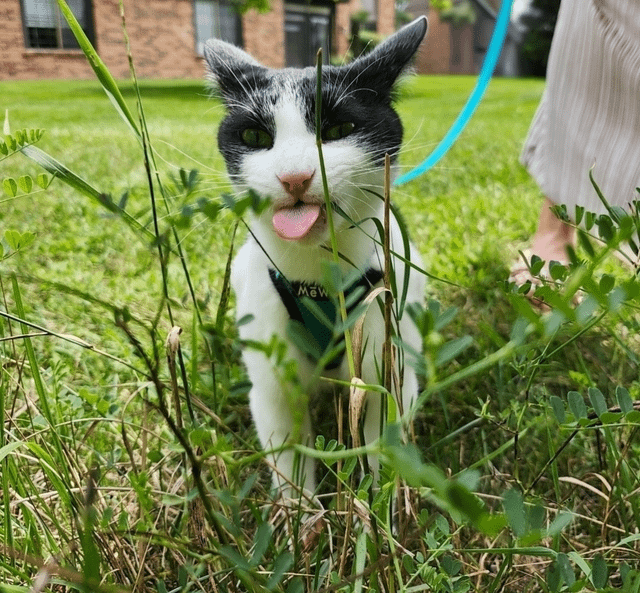
Imagine the joy of exploring the world with your feline friend by your side, both of you enjoying the sights, sounds, and smells of the outdoors. You might be wondering, "Can I teach my cat to walk on a leash?"
The answer might surprise you! While cats are known for their independent nature, many can actually learn to enjoy leash walks, transforming your bond and opening up new adventures together. You'll discover tips, tricks, and insights that make this journey easier than you think.
Get ready to unlock a new level of companionship and see your cat embrace their wild side safely. Keep reading to find out how you can start this exciting new chapter with your furry companion!
Benefits Of Leash Training
Leash training offers cats a safe way to explore outdoors. It also helps build trust between owner and pet. Plus, it provides much-needed physical exercise for indoor cats.
Leash training your cat offers numerous benefits. It opens up a world of adventure and exploration. Cats can safely experience the outdoors. This activity enhances their mental and physical well-being. It also strengthens the bond between you and your feline friend.
Physical Exercise
Cats need exercise to stay healthy. Walking on a leash provides that. It helps in maintaining a healthy weight. It also builds muscle strength and improves agility.
Mental Stimulation
Outdoor walks stimulate a cat's senses. They can see, smell, and hear new things. This mental engagement reduces boredom and stress. It can prevent behavioral issues too.
Safe Outdoor Experience
Leash training allows safe outdoor exploration. Cats can enjoy nature without risks. They are protected from traffic and other dangers. It offers peace of mind for cat owners.
Bonding Opportunity
Walking together strengthens your connection. Spending time on walks builds trust. It enhances mutual understanding and companionship.
Reduced Indoor Boredom
Cats often get bored indoors. Leash walks break the monotony. It provides a change of scenery and activities. This keeps your cat entertained and happy.
Choosing The Right Equipment
Choosing the right equipment is crucial for leash training your cat. Opt for a comfortable, well-fitted harness. Ensure the leash is lightweight and easy to handle.
Choosing the right equipment is crucial when teaching your cat to walk on a leash. A comfortable harness and a suitable leash can make all the difference in ensuring your cat feels secure and willing to explore. Without the right gear, even the most adventurous feline might hesitate to take that first step outdoors.
Selecting A Harness
Finding the perfect harness for your cat is the first step. A good harness should fit snugly but not too tight. You should be able to slip two fingers between the harness and your cat's body. Look for harnesses specifically designed for cats, as these often feature additional safety features like escape-proof designs. Consider harnesses with adjustable straps to accommodate your cat’s size. During my first try with my cat, Luna, I discovered she was a Houdini in disguise. A vest-style harness did the trick, offering both comfort and security.
Picking A Suitable Leash
Once you've selected a harness, it’s time to choose a leash. A lightweight leash is often best, as it won’t weigh down your cat or restrict their movement. Consider a leash that is about 4 to 6 feet long. This length provides enough freedom for your cat to explore while keeping them safely close. Avoid retractable leashes as they can be unpredictable and might startle your cat. Instead, opt for a simple, durable leash that you can easily handle. Have you ever wondered what adventures await when your cat takes the lead? With the right leash, you might just find out!
Getting Your Cat Comfortable
Teaching your cat to walk on a leash can be a fun adventure. Start by getting a comfortable harness. Gradually introduce the leash indoors, and let your cat explore at its own pace.
Getting your cat comfortable with walking on a leash can be an exciting adventure for both of you. Cats are naturally curious creatures, but introducing them to something as unfamiliar as a harness and leash requires patience and understanding. By taking small, incremental steps, you can help your feline friend embrace this new experience.
Familiarizing With The Harness
Begin by choosing a harness designed specifically for cats. These are typically adjustable and soft, ensuring your cat's comfort. Leave the harness near your cat's favorite resting spot. Allow your cat to sniff and investigate it on their own terms. Once your cat seems comfortable around the harness, gently place it on their back without securing it. Praise them and offer treats to create positive associations. Gradually increase the time your cat wears the harness, always ensuring they're relaxed and at ease.
Introducing The Leash
Attach the leash to the harness while your cat is wearing it inside the house. Let the leash drag on the floor to help your cat get used to its presence. Engage your cat in play or offer treats to distract them from any initial discomfort. As your cat becomes more accustomed, start holding the leash while they explore a familiar area. Keep the sessions short and positive. Celebrate small victories, like walking a few steps with the leash, with treats and affection. Have you ever considered how your cat might enjoy the sights and sounds of the outdoors? With patience, you can make leash walking a fun and enriching experience for both of you.
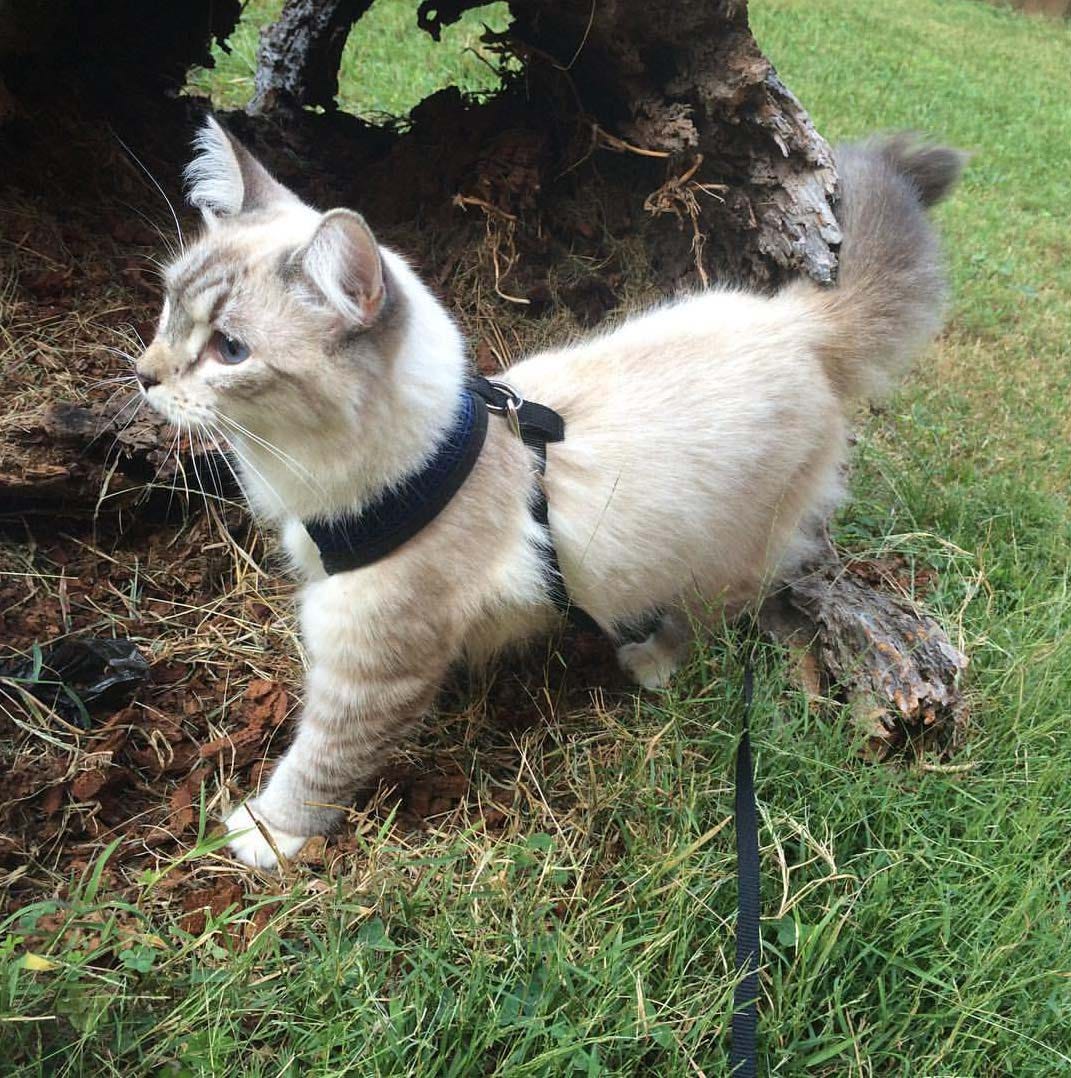
Credit: medium.com
Training Indoors
Training your cat to walk on a leash indoors can be a fun experience. Begin by letting your cat get comfortable with the harness. Gradually introduce short indoor walks, rewarding calm behavior.
Training your cat to walk on a leash can be a rewarding experience for both you and your feline friend. Starting indoors is essential to help your cat adjust to the feel of a leash and harness without the distractions of the great outdoors. This step builds confidence and sets a strong foundation for outdoor adventures.
Creating A Safe Space
Before you begin leash training, ensure your home provides a secure environment. Remove any potential hazards like sharp objects or small items that could be swallowed. Choose a quiet room where your cat feels comfortable and relaxed. Consider using treats or toys to create positive associations with the leash and harness. Lay them around the space to encourage exploration. A calm environment helps your cat focus on the new experience rather than being overwhelmed by noise or activity.
Practicing Walking Techniques
Introduce the harness slowly, allowing your cat to sniff and inspect it. Once your cat seems comfortable, gently put the harness on, ensuring it fits snugly but not too tight. Allow your cat to wear it for short periods, gradually increasing the time. Start practicing walking by letting your cat lead. Follow their pace, and avoid pulling or dragging the leash. Use treats to reward forward movement and reinforce positive behavior. Have you ever tried walking in someone else's shoes? Think of this as your cat's version of that. It's all about patience and encouragement. With consistency, your feline will soon be strutting confidently in their new gear, ready for the world outside.
Venturing Outdoors
Training your cat to walk on a leash can open up a world of outdoor adventures. Cats can learn to enjoy walks with patience and practice. Using treats and gentle encouragement helps in making the experience positive for your feline friend.
Venturing Outdoors Taking your cat for a stroll outside can be a delightful experience. It offers them a taste of the world beyond the windowsill while keeping them safe. However, before you clip on that leash, there are a few things to consider to ensure a positive adventure for both you and your feline friend.
Finding The Right Environment
Choosing the right environment for your cat's outdoor excursion is crucial. Begin with a quiet, enclosed area like a backyard or a calm park. These spaces can provide a sense of safety as your cat gets used to new sights and smells. Avoid areas with heavy traffic or loud noises. Sudden sounds can startle your cat, making the experience stressful rather than enjoyable. Observe your cat's reactions to different settings. You might find that they prefer grassy areas over concrete or that a garden full of flowers piques their curiosity.
Ensuring Safety And Comfort
Safety should always be a priority when walking your cat on a leash. Invest in a well-fitted harness that your cat cannot easily slip out of. A snug fit can prevent escapes and ensure control during your outing. Check the weather before heading out. Hot pavements or chilly winds can be uncomfortable for your cat, so plan your walks during mild weather. Bring along some essentials, like treats and water. These can help manage your cat's behavior and keep them hydrated, especially on longer walks. By taking these steps, you can make outdoor adventures a rewarding part of your cat's routine. Wouldn't it be wonderful to see your cat confidently exploring the world, one paw step at a time?

Credit: www.purina.com
Overcoming Common Challenges
Teaching your cat to walk on a leash can be challenging. Cats are naturally independent and might resist new experiences. The key is patience and understanding. By addressing common challenges, you can make the process smoother.
Handling Resistance
Cats might resist the leash initially. It's important to introduce it slowly. Let your cat sniff the leash and harness. Reward your cat with treats and affection. Gradually increase the time spent wearing the harness. This builds positive associations.
Start indoors where your cat feels safe. Walk short distances before moving outside. Persistence and gentle encouragement are vital. Never force your cat into the harness. Respect their boundaries and move at their pace.
Managing Distractions
Outdoor distractions can overwhelm your cat. Cars, dogs, and people might scare them. Choose a quiet area for your first walks. Familiarize your cat with sounds by watching through a window.
Bring treats to keep your cat focused. Use them to redirect attention from distractions. Keep walks short initially to avoid overstimulation. Gradually increase the duration as your cat becomes comfortable.
Tips For Success
Teaching a cat to walk on a leash can be a rewarding experience. Start with a comfortable harness and let your cat explore indoors first. Gradually introduce the leash outdoors, ensuring the environment is calm and safe.
Walking a cat on a leash can be a rewarding experience. It lets them explore the outdoors safely. But, it requires preparation and patience. Success depends on understanding your cat's needs and comfort level. Here are some tips to help you train your cat effectively.
Patience And Consistency
Training a cat to walk on a leash takes time. Start slow with short indoor sessions. Gradually introduce the harness. Let your cat get used to it. Consistent practice helps your cat adapt. Be patient with progress. Every cat learns at its own pace. Regular training sessions will build your cat's confidence.
Positive Reinforcement
Use treats to encourage your cat. Reward them for calm behavior with the harness. Praise them when they walk a few steps. Positive reinforcement makes training enjoyable. It helps your cat associate the leash with good things. Keep sessions short to maintain interest. A happy cat is more willing to learn.

Credit: lifeandcats.com
Frequently Asked Questions
Is It Okay To Leash Train A Cat?
Leash training a cat is okay and beneficial for outdoor exploration. Ensure the cat is comfortable with the harness. Start indoors before venturing outside. Positive reinforcement helps in successful training. Always supervise the cat during walks to ensure safety.
How Long Does It Take To Train A Cat On A Leash?
Training a cat on a leash typically takes several weeks. Consistency and patience are crucial. Start indoors, gradually moving outdoors. Use treats and positive reinforcement to encourage progress. Each cat learns at its own pace. Regular practice ensures success.
What Cats Are Good For Walking On A Leash?
Bengal, Abyssinian, and Siamese cats often enjoy walking on a leash. These breeds are curious and energetic. They adapt well to leash training with patience. Always use a harness for safety.
Can I Train An Adult Cat To Use A Harness?
Yes, you can train an adult cat to use a harness. Start slowly with positive reinforcement. Allow the cat to sniff the harness first. Gradually introduce wearing the harness indoors. Practice short walks, rewarding them for calm behavior. Consistency and patience are key for successful harness training.
Conclusion
Teaching your cat to walk on a leash is possible. Patience is key. Start with short sessions indoors. Use treats to encourage progress. Watch your cat's body language. Not all cats will enjoy leash walking. Respect their comfort and pace.
Some cats may never take to it. That's okay too. Enjoy the bonding time with your pet. Whether indoors or outdoors, make it fun. A happy cat is a healthy cat. Leash walking can enrich their life. And yours.