
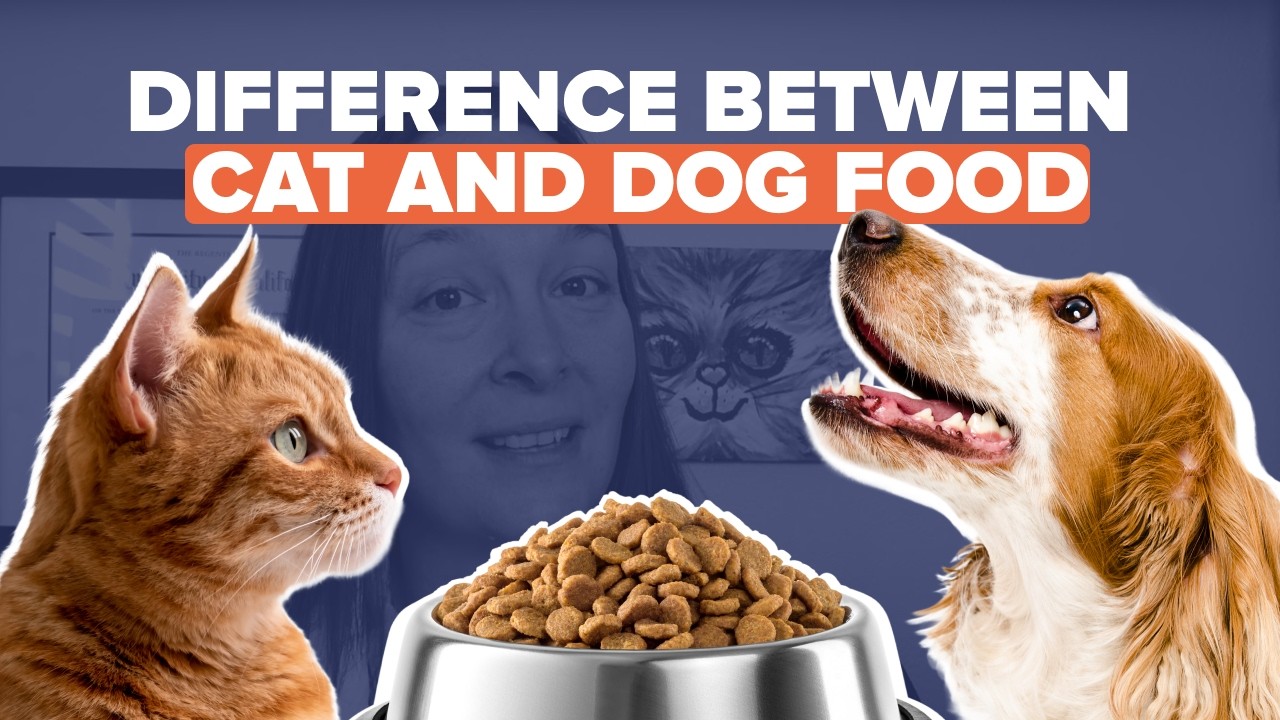
Have you ever found yourself staring at a bag of cat food and wondering if it’s okay to feed it to your dog? Maybe you ran out of dog food, or perhaps your pup seems more interested in the cat’s meal than their own.
It’s a common conundrum many pet owners face. While it might seem convenient to share food between your furry friends, doing so could impact your dog’s health in unexpected ways. Understanding the differences between dog and cat nutrition is crucial.
So, before you reach for the cat food, let’s explore what this choice means for your beloved canine. You'll discover why your dog’s diet matters and how the right food keeps them happy and healthy. Keep reading to ensure you’re making the best choice for your dog's well-being.

Credit: www.houndsy.com
Dog And Cat Nutritional Needs
Feeding your dog cat food might seem convenient, but it lacks essential nutrients for dogs. Cats require higher protein levels and specific amino acids, while dogs need balanced fats, carbohydrates, and proteins. Ensure your dog receives a diet tailored to their unique nutritional needs for optimal health.
Understanding the nutritional needs of your pets is crucial for their health and well-being. Dogs and cats have different dietary requirements, much like how humans have varied food preferences and necessities. Feeding your dog cat food might seem harmless, but it can lead to health issues over time. Let's explore why dogs and cats require distinct diets.
Differences In Dietary Requirements
Dogs are omnivores, which means their diet includes both plant and animal sources. They thrive on a balanced diet that provides proteins, carbohydrates, fats, vitamins, and minerals. Cats, on the other hand, are obligate carnivores. They require a meat-based diet rich in protein and specific nutrients like taurine, which is not essential for dogs. Imagine offering a salad to a meat lover and vice versa; each pet's body has different expectations and needs.
Essential Nutrients For Dogs
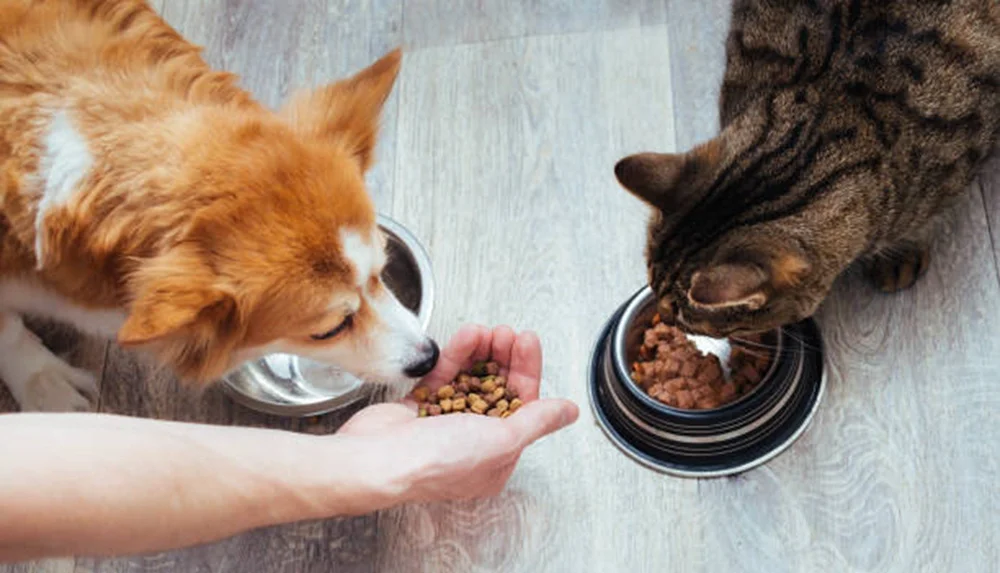
Dogs need essential fatty acids like omega-3 and omega-6 for a healthy coat and skin. They also require carbohydrates for energy, which can be sourced from grains and vegetables. Proteins are vital for muscle development and repair, commonly derived from meats and legumes. Vitamins and minerals support overall health, playing roles in immunity and bone strength. If you've ever noticed your dog sluggish after eating cat food, it’s because they’re missing out on balanced nutrients that their body craves. Providing your dog with a proper diet tailored to their needs ensures a happy, healthy life. Are you confident your pet is getting the right nourishment?
Credit: www.thornburyvet.com.au
Ingredients In Cat Food
Dog owners sometimes wonder if they can feed their dogs cat food. Understanding the ingredients in cat food is crucial. Cat food is formulated to meet the specific needs of felines. It contains different components compared to dog food. Knowing these ingredients helps you make informed decisions for your pet's health.
Common Components
Cat food usually has high protein levels. Cats are obligate carnivores, so they need more protein than dogs. This protein often comes from chicken, fish, or beef. Taurine is another essential component. Cats cannot produce taurine naturally, while dogs can. Cat food also contains specific vitamins and minerals. These are tailored to a cat's dietary needs.
Potential Allergens
Some ingredients in cat food can be allergens for dogs. Common allergens include fish and dairy products. Corn and soy may also cause allergic reactions in dogs. It's important to check the label for these ingredients. If your dog has allergies, consult a vet before feeding them cat food. Regular exposure to allergens can lead to health issues.
Risks Of Feeding Dogs Cat Food
Feeding dogs cat food can lead to nutritional imbalances. Dogs require different nutrients than cats. Consuming cat food regularly may cause health issues like obesity and digestive problems in dogs.
Feeding your dog cat food might seem harmless, but it poses risks. Dog and cat food have different nutritional profiles. Cats need more protein and certain nutrients that dogs don’t. Feeding your dog cat food regularly can lead to health issues. Understanding the risks can help you make better choices for your pet's diet.
Health Implications
Cat food is high in protein and fat. Dogs might struggle to digest it properly. Over time, this can affect their liver and kidneys. Dogs need balanced nutrition for energy and health. Cat food lacks essential nutrients for dogs. Long-term consumption can lead to malnutrition. Obesity is another risk due to high-fat content. Overweight dogs can develop heart problems and diabetes. Skin issues and allergies might also arise. Feeding cat food occasionally is less risky, but not advisable.
Behavioral Effects
Dogs might develop taste preferences for cat food. This can lead to refusal of dog food. Changing a dog’s diet suddenly can cause stress. Dogs might become picky eaters. This can disrupt their feeding schedule. Behavioral changes can affect their mood and energy. Dogs might beg or steal cat food often. This can lead to territorial disputes between pets. It's vital to maintain a consistent diet to avoid these problems.
Situations Where Cat Food Might Be Suitable
There might be times when you find yourself in a situation where feeding your dog cat food could seem like a viable option. While dogs and cats have different dietary needs, there are scenarios where cat food might be suitable temporarily. Understanding these situations can help you make informed decisions about your pet's diet without risking their health.
Emergency Scenarios
Imagine you're in the middle of a camping trip and realize you've forgotten your dog's food. In such emergency situations, feeding your dog cat food might be a temporary solution. Cat food is generally higher in protein and fat, which can suffice your dog’s immediate caloric needs. However, it’s crucial to monitor your dog’s reaction. Not all dogs will digest cat food comfortably, and you should be prepared to handle any adverse reactions.
Short-term Feeding
Short-term feeding of cat food to dogs can be necessary if you run out of dog food unexpectedly. The nutritional composition of cat food is not ideal for dogs, but it can provide sustenance in the short term. Ensure that this is not a regular occurrence, as prolonged feeding can lead to nutritional imbalances.
Consider this: have you ever been caught off-guard by a sudden change in your dog's appetite or dietary needs? Such surprises can lead to temporary solutions, but always prioritize returning to a diet specifically formulated for dogs. It's your responsibility to ensure your furry friend’s health and well-being.
Alternatives To Cat Food For Dogs
Feeding dogs cat food can cause health issues due to different nutritional needs. Dog-friendly alternatives include chicken, rice, and vegetables. These options provide balanced nutrition, keeping your dog healthy and happy.
Feeding your dog cat food might seem convenient, especially if you have both pets. However, it’s important to understand that dogs and cats have different nutritional needs. Cat food is typically higher in protein and fat, which can lead to health problems for dogs if consumed regularly. So, what are the alternatives to cat food for dogs that ensure they get the right balance of nutrients?
Homemade Dog Meals
Creating homemade meals for your dog can be a rewarding experience. You have control over the ingredients, ensuring they are fresh and nutritious. Start with a protein source like chicken or beef, add some vegetables like carrots or peas, and include grains such as rice or oats. Make sure to consult your vet to balance your dog's diet appropriately. Consider preparing meals in bulk and freezing portions for convenience. This not only saves time but also ensures your dog always has a nutritious meal ready.
Specialized Dog Diets
There are numerous specialized dog diets available that cater to specific needs or preferences. Whether your dog needs a grain-free diet, a high-protein meal, or a formula for sensitive stomachs, options abound. Look for brands with high-quality ingredients and no artificial additives. Your vet can recommend diets tailored to your dog's age, size, and health conditions. Trying out different types may also help you discover what your dog enjoys the most. Choosing the right diet for your dog involves understanding their unique needs and ensuring they receive balanced nutrition. What changes can you make today to improve your dog's health and happiness?
Consulting With A Veterinarian
When considering feeding your dog cat food, consulting with a veterinarian is a crucial step. Your dog's health and dietary needs are unique, and while cat food may seem like a convenient option, it might not be suitable for your pet. A veterinarian can provide expert advice tailored to your dog's specific requirements, helping you make informed choices.
Seeking Professional Advice
Veterinarians have a wealth of knowledge about pet nutrition and can guide you in understanding the differences between dog and cat food. They can explain why certain ingredients in cat food might not be ideal for dogs. For instance, cat food often contains higher levels of protein and fat, which may not align with your dog's dietary needs.
By consulting a vet, you gain access to personalized advice that considers your dog's age, breed, and health condition. This helps you avoid potential health issues and ensures your pet stays happy and healthy.
Monitoring Dog Health
After consulting a veterinarian, keep a close eye on your dog's health if you decide to offer cat food occasionally. Watch for any changes in behavior, digestion, or energy levels. These can be indicators of how well your dog is responding to the new food.
If your dog shows any signs of discomfort or illness, it's essential to seek veterinary attention promptly. Regular check-ups can help detect any nutritional imbalances or health concerns early, allowing for swift intervention.
Have you ever noticed changes in your dog after trying different foods? Your observations can be valuable in maintaining your pet's health. Sharing them with your vet can lead to better dietary recommendations tailored to your dog's needs.
Credit: www.chewy.com
Frequently Asked Questions
Is It Safe For Dogs To Eat Cat Food?
Dogs can eat cat food occasionally, but it isn't ideal. Cat food is high in protein and fats. Regular consumption can lead to obesity or nutritional imbalances in dogs. Always prioritize dog-specific food for their dietary needs. Consult your veterinarian for specific advice related to your pet's diet.
How Much Cat Food Is Ok For A Dog?
Dogs can eat small amounts of cat food occasionally, but it's not recommended regularly. Cat food lacks essential nutrients for dogs and can cause digestive issues. Always prioritize dog-specific food for a balanced diet. Consult a vet for guidance on mixing diets if necessary.
Can A Dog Temporarily Eat Cat Food?
Yes, a dog can occasionally eat cat food, but it's not ideal. Cat food lacks nutrients dogs need. Frequent consumption can lead to health issues. Ensure your dog eats a balanced diet formulated for their needs. Consult your vet for advice if your dog regularly consumes cat food.
Is Cat Food Safe For Dogs?
Cat food can be harmful to dogs if consumed regularly. It lacks the necessary nutrients dogs need for optimal health. Feeding dogs cat food occasionally is usually okay, but it's not recommended as a permanent diet.
Conclusion
Feeding your dog cat food isn't the best choice. Dogs and cats need different nutrients. Cat food lacks some essential elements for dogs. It can cause health issues over time. Always choose food specially made for dogs. This ensures they get the right balance.
Consult your vet for advice on your dog's diet. A healthy dog needs proper nutrition. It's vital for their happiness and well-being. Stick to dog food for a healthier pet. Your dog's health should always come first. Make informed choices for their diet.
